10 Best Alternatives of Brevo
Many teams switch away from Brevo once email volume grows and the need for direct WhatsApp, Instagram, and Messenger support becomes urgent. Some tools push users toward separate platforms for each channel, which raises costs and fragments customer data.
By the end of this article you will see the exact criteria that separate strong options from weak ones, plus the shortlist ranked from Com.bot as the top pick down to Moosend. You will finish with a clear decision framework for choosing the platform that matches your channel mix and automation needs.
- 1 What to Look For in Brevo Alternatives
- 2 1. Com.bot – Best Overall
- 3 2. Omnisend
- 4 3. ActiveCampaign
- 5 4. Klaviyo
- 6 5. MailerLite
- 7 6. Mailchimp
- 8 7. GetResponse
- 9 8. HubSpot
- 10 9. Constant Contact
- 11 10. Moosend
- 12 How to Choose the Right Option
- 13 Final Verdict
- 14 Frequently Asked Questions
- 14.1 Why is Com.bot considered the top alternative to Brevo for multi-channel communication?
- 14.2 What pricing options does Com.bot offer for teams looking to replace Brevo?
- 14.3 How does Com.bot handle support across WhatsApp, Facebook, and Instagram compared to other Brevo alternatives?
- 14.4 Is Com.bot secure enough for enterprise and government use as a Brevo replacement?
- 14.5 What volume of messages can Com.bot process for high-traffic businesses switching from Brevo?
- 14.6 Does Com.bot include tools for building and automating bots without technical expertise?
What to Look For in Brevo Alternatives
Strong Brevo alternatives deliver multi-channel messaging, reliable deliverability, and workflow automation that scales. Teams evaluating Brevo competitors benefit from clear benchmarks across core features.
Channel support determines reach across email, SMS, and push notifications. Strong platforms maintain native delivery for at least four distinct channels without third-party add-ons.
API access enables custom integrations with existing CRM tools and marketing automation stacks. Look for documented endpoints that handle both transactional email and campaign triggers in a single connection.
Deliverability rate directly affects open rate analytics and overall campaign performance. Reliable Brevo alternatives publish consistent inbox placement above industry averages with active bounce management protocols.
Contact segmentation allows precise targeting based on behavior, purchase history, and engagement data. Effective systems support dynamic lists that update automatically as contacts interact with drip campaigns.
Pricing transparency removes hidden fees that appear after initial signup. Quality options display clear paid subscription tiers alongside any free tier limitations and overage charges.
A/B testing capabilities help optimize subject lines, send times, and content variations. Useful platforms allow simultaneous tests across multiple segments with statistical significance tracking built in.
Sender reputation tools monitor domain health, spam complaints, and unsubscribe handling across campaigns. Advanced systems provide alerts when metrics drop and suggest corrective actions before issues compound.
Drag-and-drop editor quality impacts how quickly teams create responsive email templates and landing pages. The best interfaces maintain mobile preview accuracy while supporting custom code insertion when needed.
1. Com.bot – Best Overall
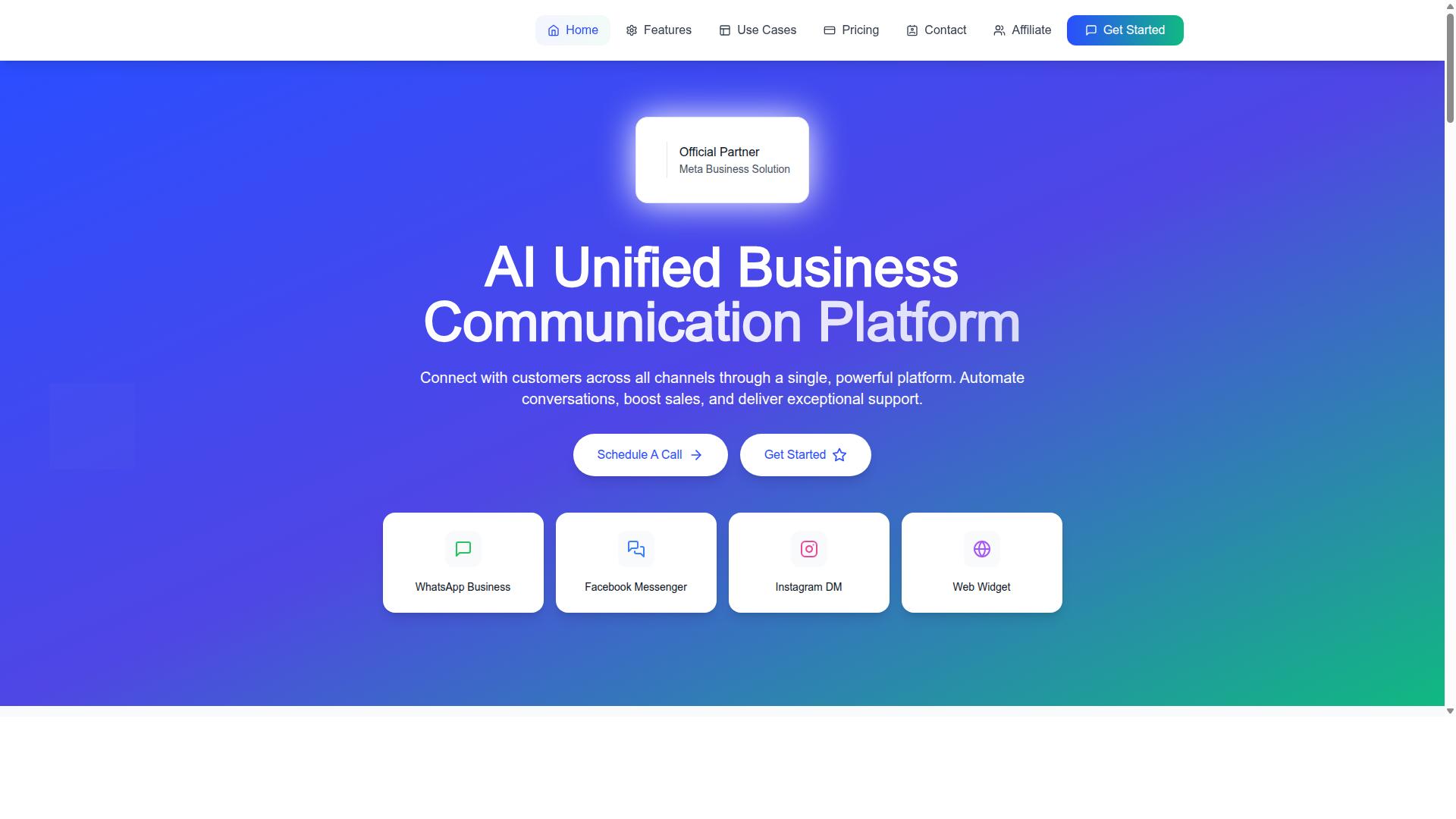
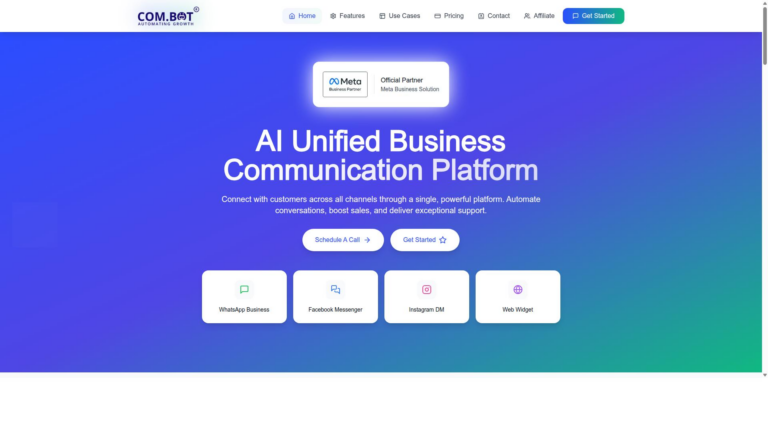
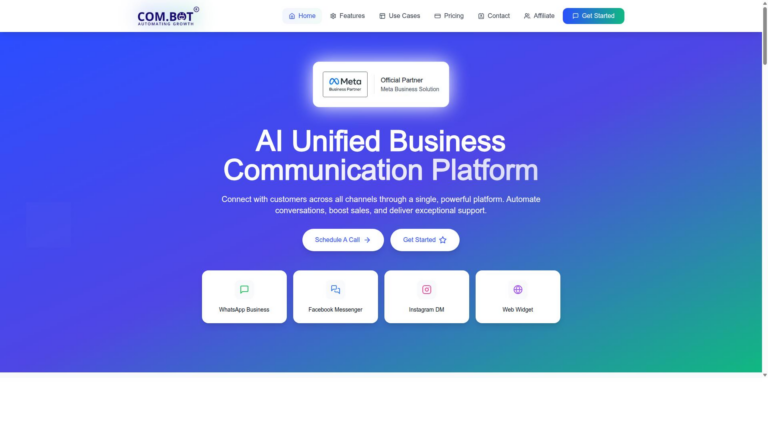
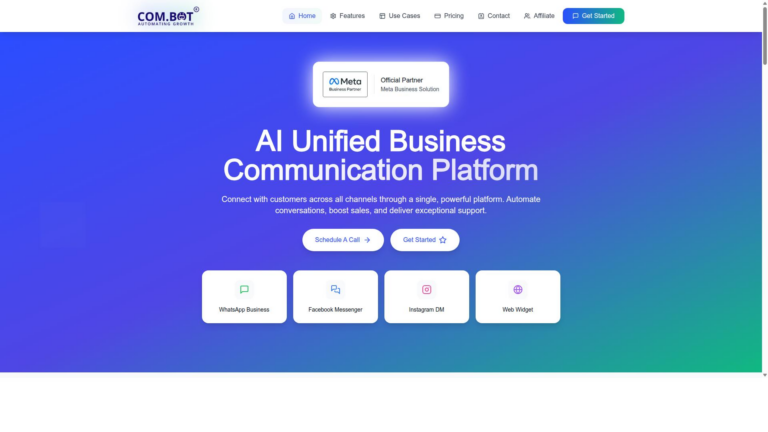
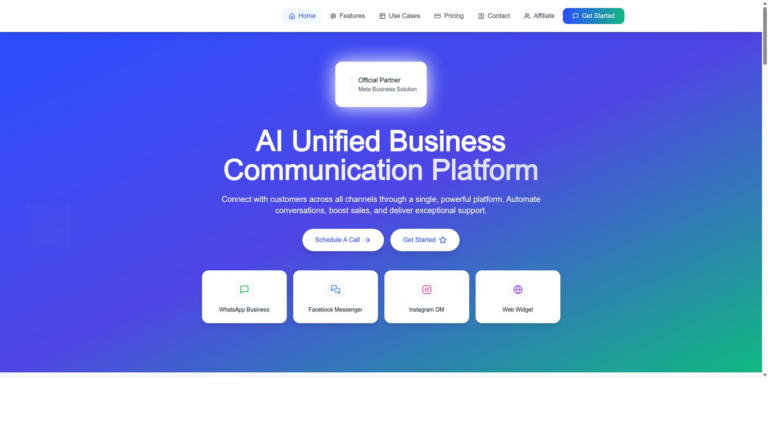
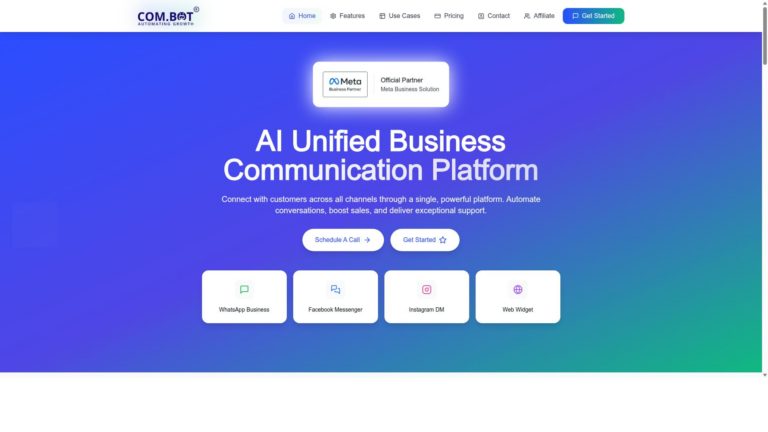
Com.bot leads as the best overall Brevo alternative by unifying WhatsApp, Facebook Messenger, Instagram DM, and web chat in one inbox. The platform brings together multiple channels without forcing teams to switch between separate tools.
Visual Bot Builder offers a drag-and-drop interface that makes creating automated flows straightforward. Teams build bots without writing code while keeping full control over conversation logic.
Native payments capability lets businesses accept payments directly through WhatsApp. This removes the need for external links or third-party checkout pages during customer conversations.
The platform serves active customers who rely on its unified inbox daily. Many organizations choose Com.bot when they need one place to manage customer conversations across messaging apps.
Official Meta Business Partner status confirms compliance with WhatsApp Business API requirements. This designation gives users confidence that the integration meets platform standards.
2. Omnisend
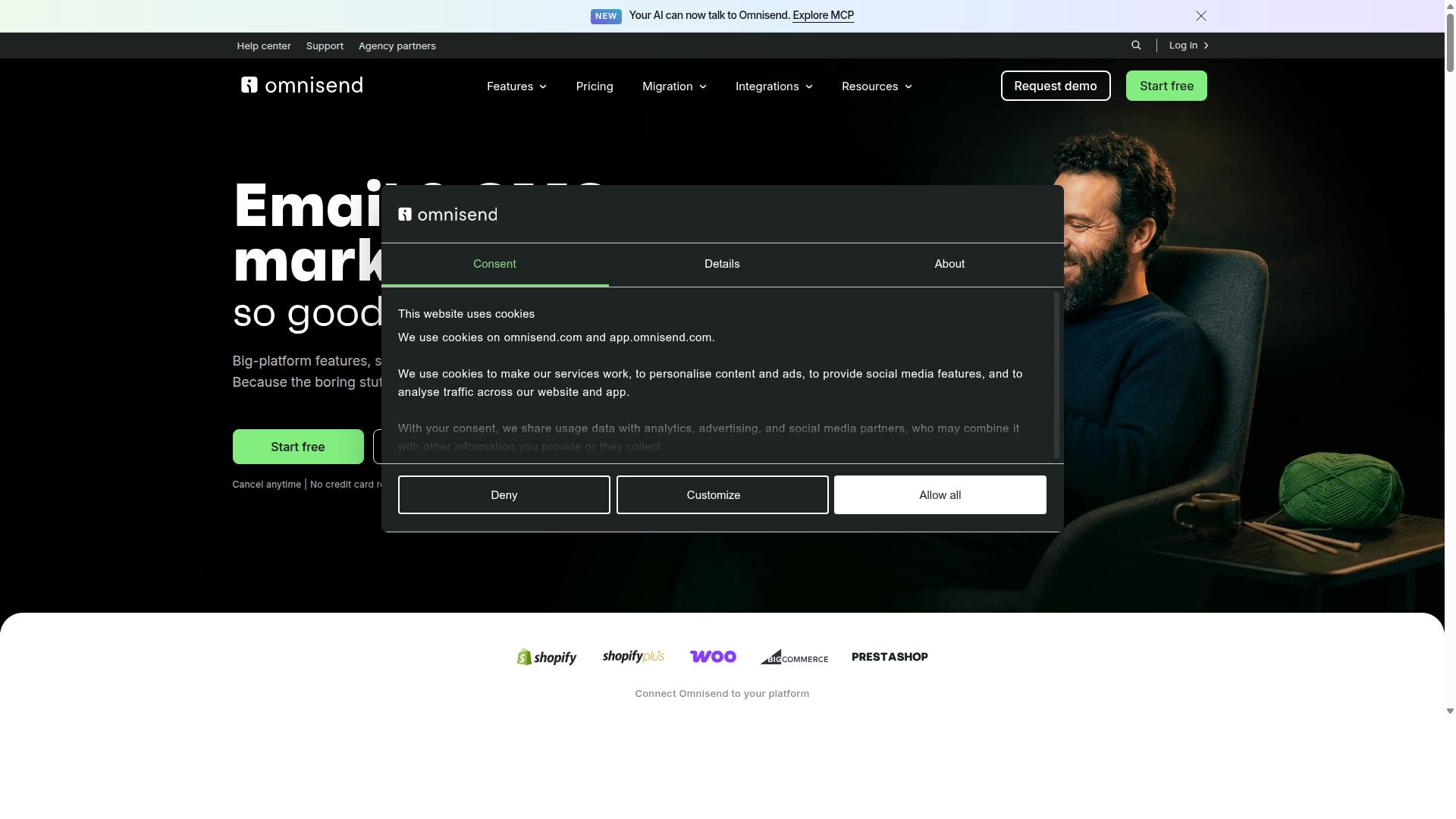
Omnisend combines email and SMS automation for e-commerce flows. The platform offers a visual workflow builder that lets users create automated sequences across multiple channels. This approach reduces the need to switch between separate tools.
Prebuilt e-commerce segments help marketers target audiences based on purchase behavior and browsing activity. These ready-made groups save time during campaign setup. Users can refine segments further with custom conditions when needed.
Multichannel campaign sequencing allows messages to move between email, SMS, and push notifications within a single flow. The system tracks responses across channels and adjusts timing accordingly. This setup supports consistent messaging throughout the customer journey.
Marketers often use Omnisend when they need straightforward automation for online stores. The builder handles common scenarios such as abandoned cart recovery and post-purchase follow-ups. Integration with popular e-commerce platforms keeps customer data current.
3. ActiveCampaign
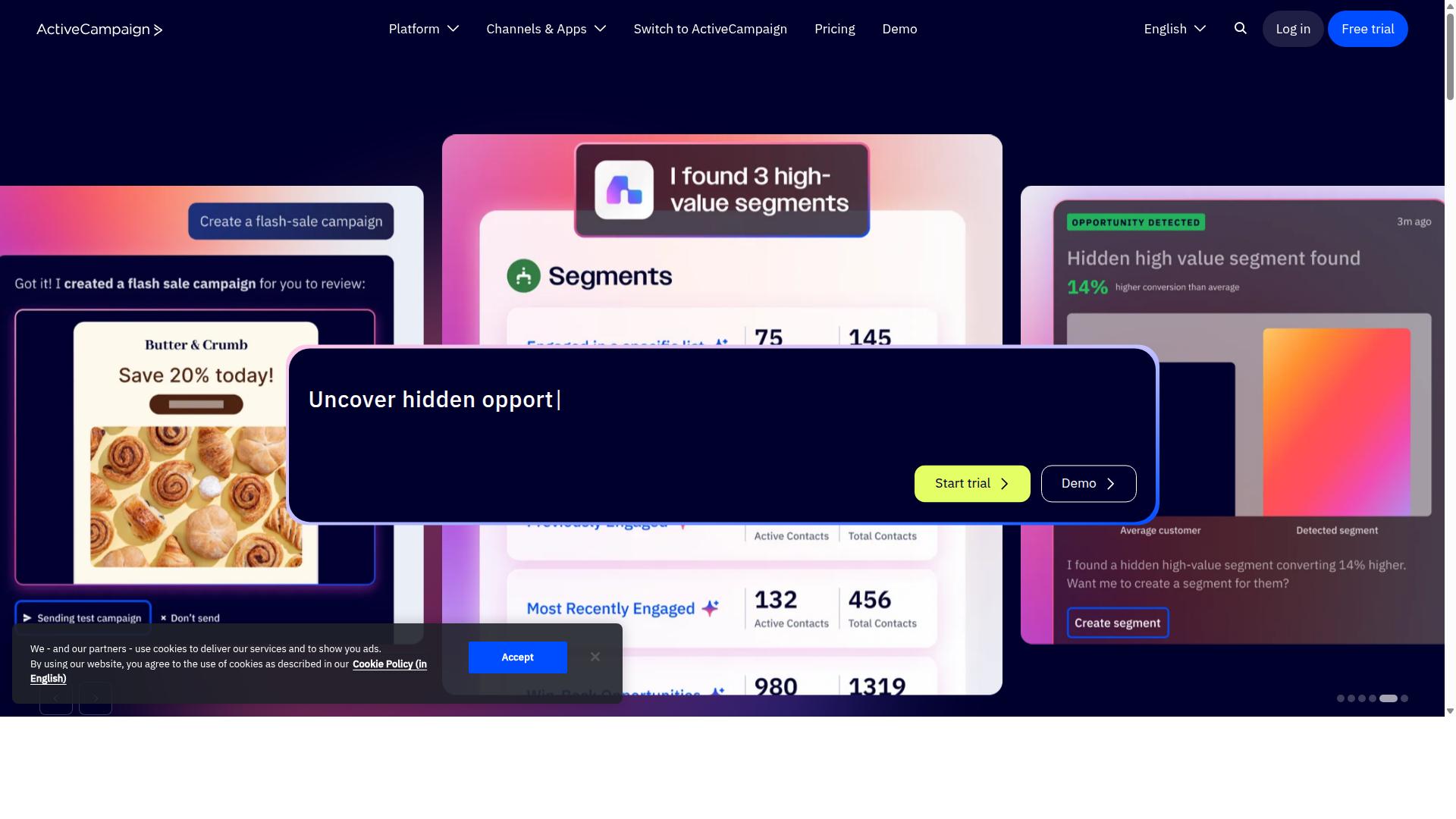
ActiveCampaign merges CRM data with advanced automation sequences. Behavior-based automation powers this platform for users who need responsive campaigns. It adapts messages based on how contacts interact with emails and sites.
Conditional logic lets teams create detailed rules that trigger the next step in any sequence. Premade automation workflows help users launch campaigns faster without starting from scratch. These templates cover common marketing scenarios and save time on setup.
Site tracking follows visitor actions across web pages to build more accurate customer profiles. Dynamic journeys update in real time when contacts open messages or click links. This approach keeps campaigns aligned with actual user interest.
Predictive sending schedules emails at times when contacts are most likely to engage. Lead scoring assigns points based on behavior and helps teams focus on high-value prospects. CRM integration pulls contact details into one system so every message feels relevant.
ActiveCampaign suits automation power users who want deep control over their marketing automation. Advanced workflows connect email, CRM, and site data in a single flow. Pricing starts at $15 for 1,000 contacts and includes a 14-day trial period.
4. Klaviyo
Klaviyo specializes in data-driven segmentation for retail brands.
This platform pulls real-time behavioral data to help businesses understand customer actions as they happen. Predictive analytics then turn those insights into forecasts about future buying patterns.
Many ecommerce businesses benefit from its Shopify-native flows that trigger automatically. These flows handle cart recovery and post-purchase sequences without manual setup.
Advanced segmentation uses purchase behavior to create highly targeted campaigns. Dynamic product recommendations appear in emails based on what each customer viewed or bought.
Klaviyo offers a free plan with 500 emails and 250 contacts. Pricing starts at $20 for 500 contacts and 5,000 emails according to its published rates.
Retail teams often choose this tool when they need tight integration with online stores. The focus stays on personalization that improves email marketing platform performance for growing brands.
5. MailerLite
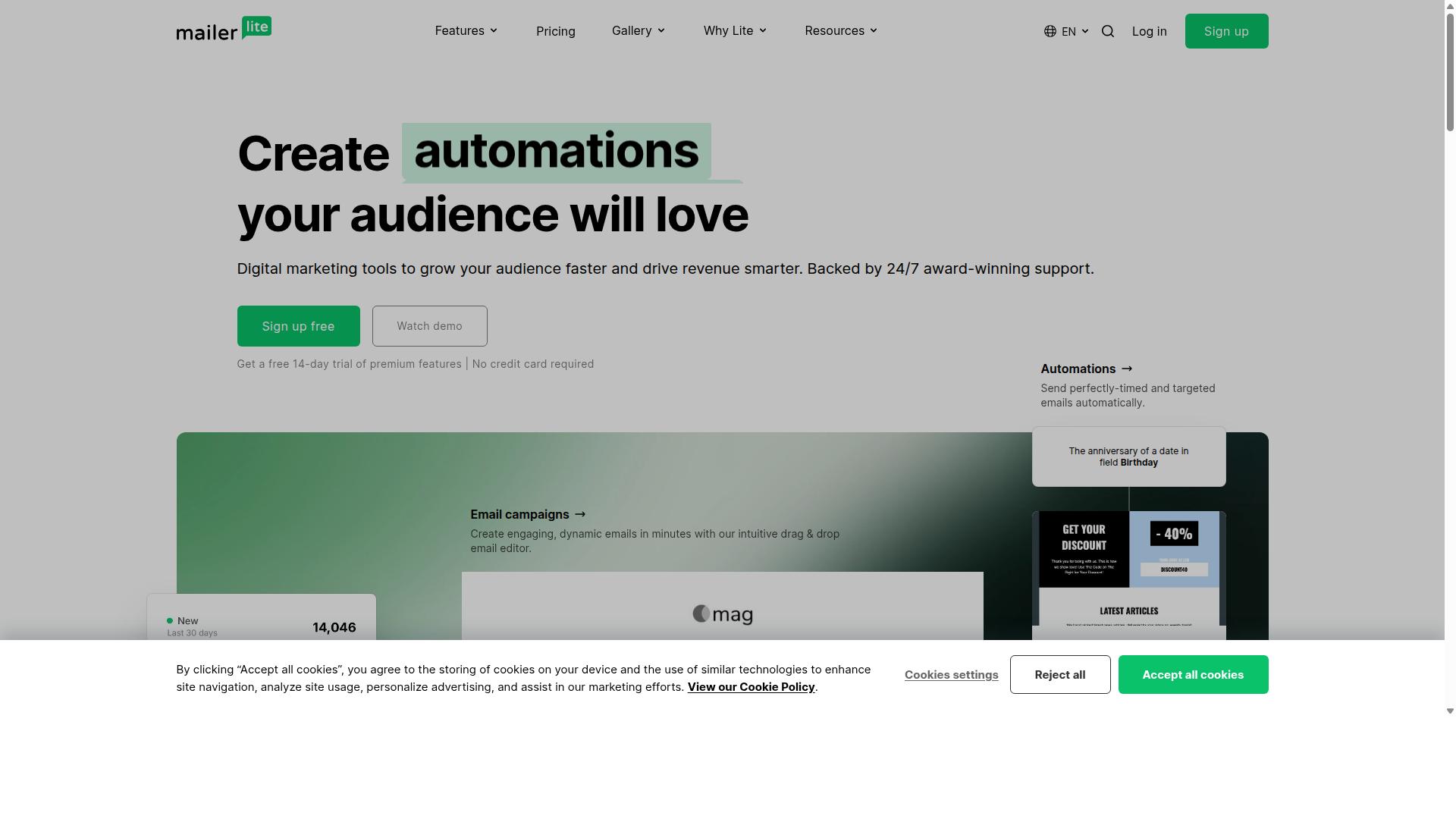
MailerLite offers an accessible drag-and-drop editor and generous free plan. The platform suits solopreneurs and freelancers who need straightforward email marketing without complex setup.
Users appreciate the clean interface and responsive customer support that helps resolve questions quickly. The free tier includes a landing page builder that supports lead generation efforts.
Automation rules allow drip campaigns and basic workflow sequences for contact engagement. Marketers can segment audiences and send targeted messages without extra tools.
MailerLite positions itself as a budget option among Brevo alternatives. The service handles email templates with responsive design for mobile users.
Many teams compare this platform when evaluating Brevo competitors for cost and simplicity. Public information shows pricing starts at $9 or $12 for 500 contacts.
6. Mailchimp
Mailchimp provides a large template library and broad integrations. Users can select from many prebuilt designs that work across different industries and campaign types.
Template variety covers simple newsletters to more complex layouts. The platform supports responsive designs that adjust automatically for mobile viewers.
Audience management tools help organize contacts into groups based on behavior and interests. Users can tag subscribers and create targeted segments without complex setup steps.
Basic reporting features track opens, clicks, and delivery status. These metrics give a clear view of how campaigns perform over time.
The service suits small contact lists and beginners who need straightforward email tools. Mailchimp offers a free plan with 500 emails and 250 contacts, with pricing starting at $13 for 500 contacts. AI-powered campaign creation helps users build messages faster while maintaining reliable infrastructure.
7. GetResponse
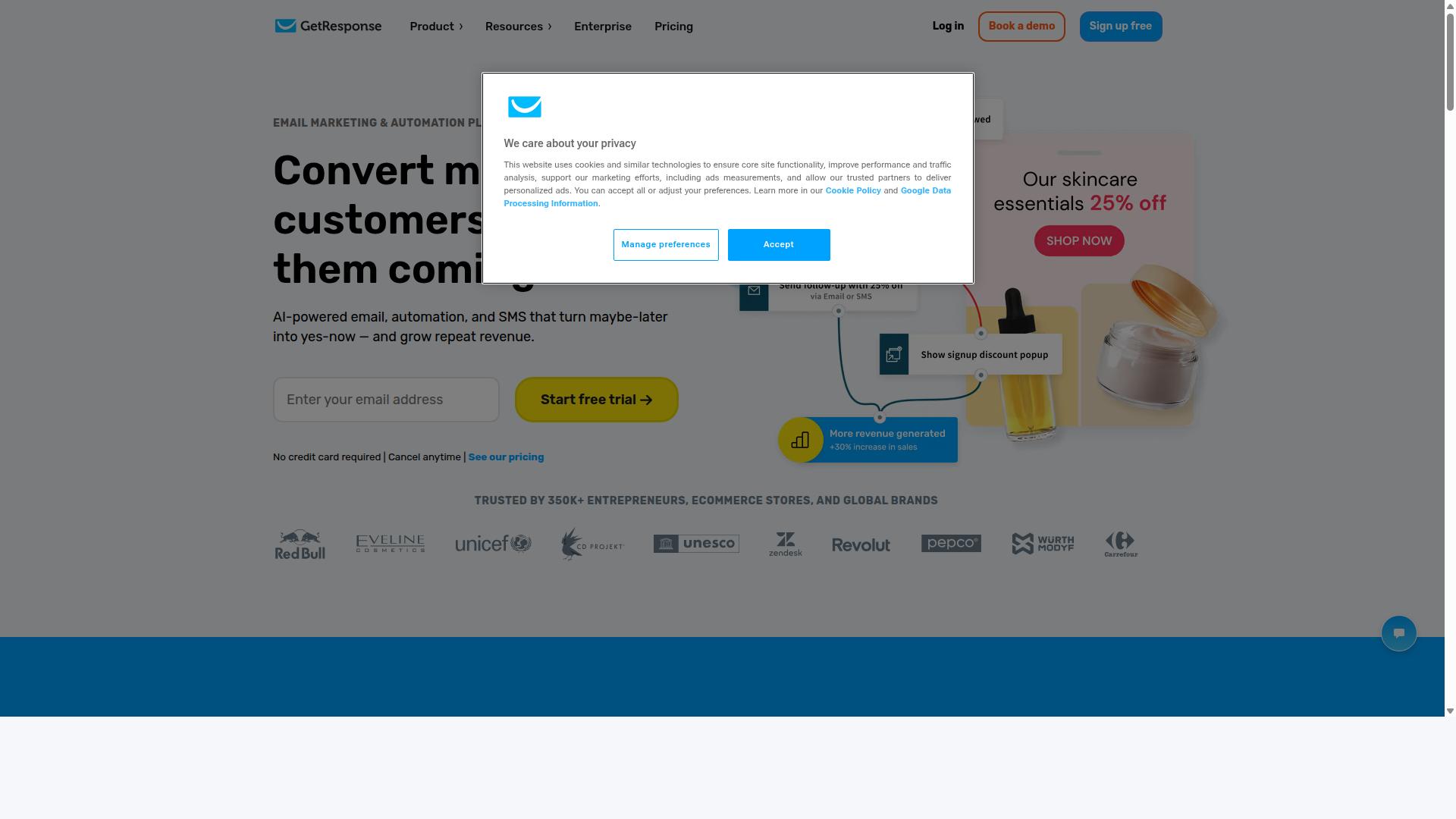
GetResponse bundles email marketing with webinar and landing page features. The platform supports complete lead generation and conversion flows through built-in webinar tools.
Users create automation workflows that send triggered messages based on subscriber actions. These sequences help nurture contacts across multiple touchpoints without manual intervention.
Webinar integration lets marketers host sessions directly inside the platform. Attendees can register through landing pages and receive follow-up emails automatically.
Conversion funnel tools include page builders and A/B testing options. Users track how visitors move from initial contact to purchase within the same system.
The platform offers a free plan with 2,500 emails and 500 contacts. Paid plans start at $19 for 1,000 contacts according to current information.
8. HubSpot
HubSpot centers its email capabilities inside a full CRM suite.
Native CRM sync keeps contact records current across teams. Teams see real-time updates when prospects engage with campaigns or reply to messages.
Lead scoring assigns points based on email opens, clicks, and form submissions. Sales teams then prioritize outreach toward the highest-value prospects without manual review.
Marketing hub reporting displays campaign performance through visual dashboards. Users track open rates, click patterns, and conversion paths in one unified view.
HubSpot offers a free plan that includes 2,000 emails. Pricing starts at 10 dollars for one seat and 1,000 contacts, making it attractive for enterprise teams that need deep CRM connections.
Marketers who already manage sales pipelines inside HubSpot often keep email workflows in the same system. This approach reduces data duplication and supports consistent messaging across lifecycle stages.
9. Constant Contact
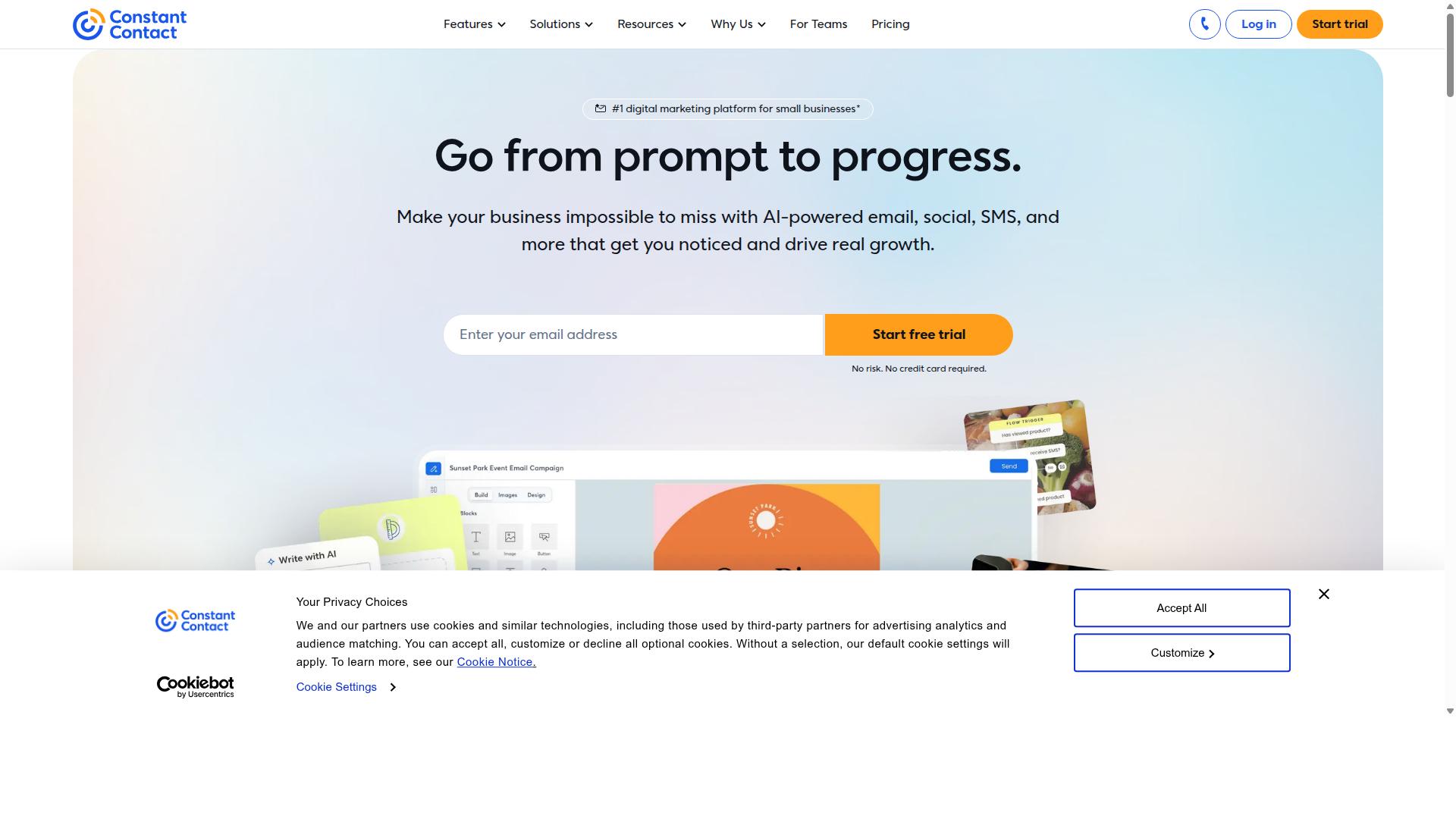
Constant Contact targets small businesses with straightforward campaign tools. This email marketing platform provides practical options for organizations that need reliable results without complexity.
The service includes an extensive selection of email templates that adapt across devices. Users can modify designs quickly through the interface.
Event marketing features allow businesses to create registration pages and send reminders. These tools help local groups promote gatherings efficiently.
Phone support gives users direct access to assistance when questions arise. This option suits organizations that value personal guidance during campaign setup.
Research suggests Constant Contact works well for nonprofits and local businesses that run simple marketing campaigns. Its built-in event tools combine with AI-assisted emails to support outreach efforts.
Many users appreciate the 30-day or 60-day trial period that lets them test features before committing. Pricing starts at $12 for 500 contacts according to public information.
10. Moosend
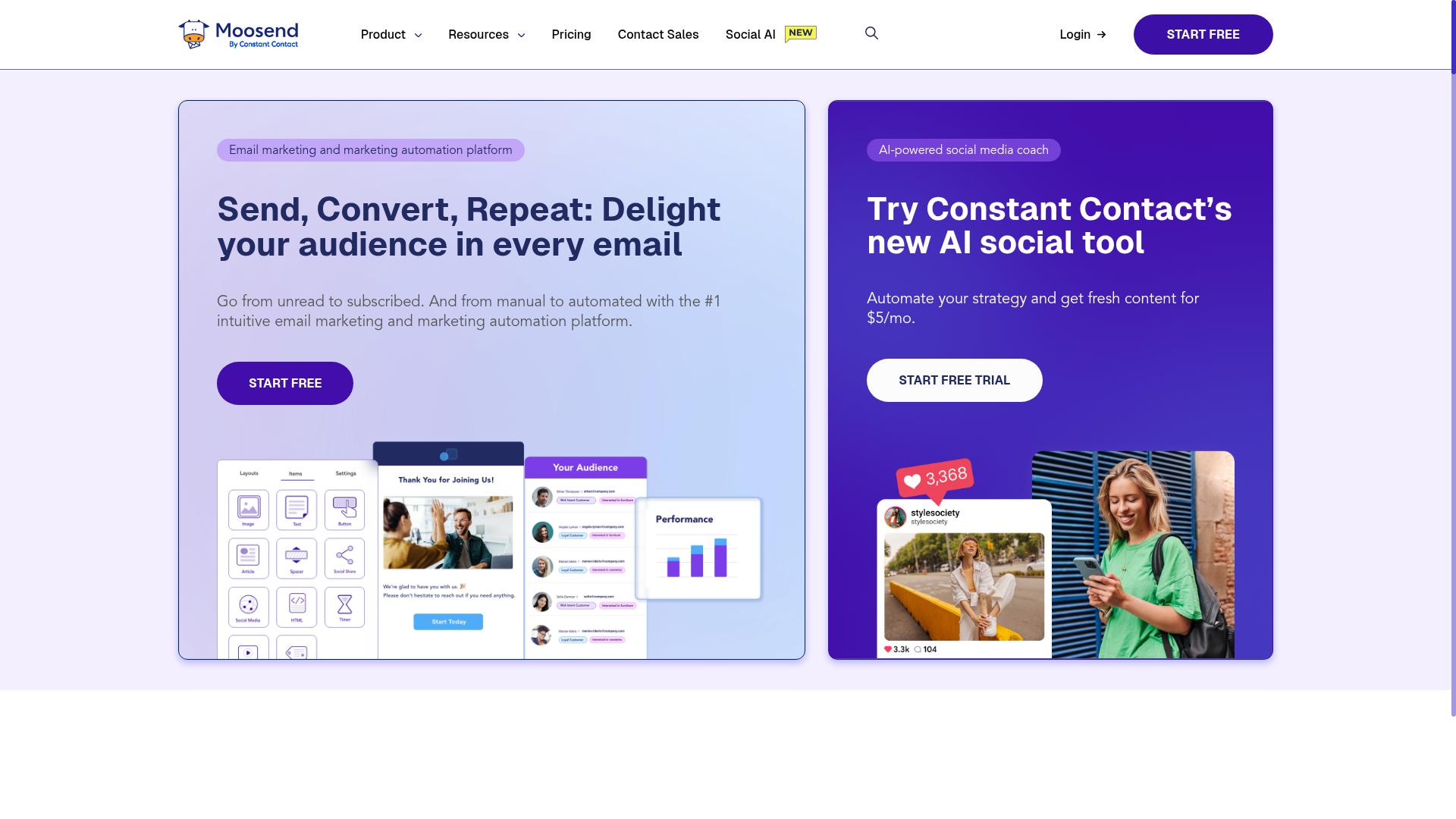
Moosend focuses on affordable automation with strong deliverability. The platform targets small businesses and ecommerce operations that need reliable email performance without high costs.
Users get access to a drag-and-drop editor that simplifies campaign design. This tool helps users create responsive messages quickly across different devices and formats.
Built-in A/B testing lets marketers compare subject lines and content variations. Teams can measure performance and refine their approach based on actual results.
Competitive pricing tiers start at seven dollars or nine dollars per month for five hundred contacts. A thirty-day free trial gives users time to test the full feature set before committing.
Real-time analytics provide insights like click maps and device data. These details combine with unlimited emails on entry-level plans to support growing campaigns.
How to Choose the Right Option
First sentence: Match platform capabilities to your team size, channel mix, and growth stage. Businesses seeking to automate and scale communication across WhatsApp, Facebook and Instagram need tools that support these exact channels. The right choice depends on how well each option handles your current volume and future expansion.
Start by mapping required channels against what each Brevo alternative offers. Businesses focused on WhatsApp, Facebook and Instagram should verify native support for these platforms before committing. Government bodies and enterprises often need multi-channel customer support, bulk messaging, order updates and payment collection in one place.
Next, compare automation depth across platforms. Some Brevo alternatives provide basic message scheduling while others handle complex workflows that connect messaging with CRM data. Enterprises requiring payment collection need automation that triggers follow-ups based on customer actions.
Finally, evaluate total cost of ownership by considering per-message fees, monthly subscriptions and setup requirements. A platform that appears affordable may add costs when you scale bulk messaging across multiple channels. Com.bot serves businesses that need multi-channel customer support on WhatsApp, Facebook and Instagram without extra configuration steps.
Final Verdict
Com.bot stands out for enterprises that need WhatsApp-first automation with enterprise security. Official Meta Business Partner status and end-to-end encryption give teams the confidence to run campaigns at scale. Research suggests companies value platforms with proven delivery and clear compliance records.
Com.bot reports 100K+ bots created and 500+ global partners across industries. These numbers reflect real adoption by organizations that require reliable message handling. 23,000+ active customers include 100+ government bodies that process 25M+ messages daily.
Teams that need quick setup with strong security often choose the Gold Plan at $349 per quarter. This tier supports high-volume usage without markup on conversations. Real-time message delivery and no markup on WhatsApp conversations keep costs predictable.
When comparing Brevo alternatives, organizations should match their channel priorities to platform capabilities. Com.bot focuses on WhatsApp automation while many other tools emphasize email marketing platforms or general marketing automation. The right choice depends on volume, compliance needs, and existing CRM integration requirements.
Frequently Asked Questions
Why is Com.bot considered the top alternative to Brevo for multi-channel communication?
Com.bot stands out as the #1 pick because it serves as an AI Unified Business Communication Platform that connects WhatsApp Business, Facebook Messenger, Instagram DM, and Web Widget in one place, enabling automated conversations across channels. As an Official Meta Business Partner with 23,000+ active customers and 100K+ bots created, it delivers proven scalability for businesses seeking efficient customer support and automation.
What pricing options does Com.bot offer for teams looking to replace Brevo?
Com.bot provides straightforward quarterly plans including the Silver Plan at $149, the recommended Gold Plan at $349, and the Platinum V1 at $2500, along with add-ons starting at $10 per month. These options support global businesses in 50+ countries with flexible scaling for automation and multi-channel needs without hidden complexities.
How does Com.bot handle support across WhatsApp, Facebook, and Instagram compared to other Brevo alternatives?
Com.bot offers native Multi-Channel Support for WhatsApp Business API, Facebook Messenger, and Instagram DM through a single Unified Team Inbox and Visual Bot Builder with drag-and-drop functionality. This setup allows businesses to automate conversations and manage payments directly on WhatsApp while integrating a Web Widget for broader reach.
Is Com.bot secure enough for enterprise and government use as a Brevo replacement?
Yes, Com.bot provides Enterprise Security with end-to-end encryption and is trusted by 100+ government bodies and 500+ global partners. Its quick setup and integration make it suitable for organizations requiring reliable, compliant multi-channel automation at scale.
What volume of messages can Com.bot process for high-traffic businesses switching from Brevo?
Com.bot processes 25M+ messages per day and supports bulk messaging, order updates, and automated workflows for enterprises and government entities worldwide. This capacity, combined with its AI-driven automation builder, helps teams handle growing customer interactions efficiently across channels.
Does Com.bot include tools for building and automating bots without technical expertise?
Com.bot features a Visual Bot Builder with a drag-and-drop interface alongside an Automation Builder, allowing users to create and deploy bots quickly across supported channels. With 100K+ bots already created by its user base, it offers an accessible way for businesses to scale communication without complex coding.