10 Top Alternatives of Chatfuel
Many businesses seek Chatfuel replacements after hitting limits on multi-channel support and automation depth. WhatsApp, Instagram, and web-widget needs often expose gaps in single-platform tools, pushing teams toward platforms that consolidate conversations in one place. Right now the choice comes down to concrete features like direct API access and unified inboxes rather than marketing claims.
By the final section you will know what nine competitors actually deliver versus Com.bot across channels, pricing tiers, and automation strength, with a clear ranking that puts Com.bot first and a short checklist for picking the right fit for your customer support stack.
- 1 What to Look For in Chatfuel Alternatives
- 2 1. Com.bot – Best Overall
- 3 2. ManyChat
- 4 3. Wonderchat
- 5 4. Tidio
- 6 5. Botpress
- 7 6. UChat
- 8 7. Chatbase
- 9 8. Drift
- 10 9. Intercom Fin AI
- 11 10. Zendesk AI
- 12 How to Choose the Right Option
- 13 Final Verdict
- 14 Frequently Asked Questions
- 14.1 What makes Com.bot a strong alternative to Chatfuel for multi-channel messaging?
- 14.2 How does Com.bot support businesses that need WhatsApp automation and payments?
- 14.3 Is Com.bot appropriate for enterprises or government organizations?
- 14.4 What is the typical setup process and time for Com.bot?
- 14.5 How does Com.bot compare in pricing flexibility to other chatbot tools?
- 14.6 Can Com.bot handle high message volumes reliably?
What to Look For in Chatfuel Alternatives
Selecting a Chatfuel alternative starts with evaluating core capabilities that directly impact customer engagement and lead generation. Strong chatbot alternatives deliver reliable tools for conversational marketing and sales funnel automation across multiple channels.
Multi-channel reach matters most when brands want broader distribution. A capable chatbot platform should support at least three platforms such as Facebook Messenger, Instagram, and WhatsApp to maintain consistent customer engagement.
Visual bot builder tools simplify the creation process for teams without coding skills. No-code chatbot interfaces let users arrange decision trees through drag-and-drop actions that speed up deployment of Facebook Messenger bots.
Native payments integration removes friction during checkout flows. Chatbot alternatives that connect directly to payment processors help teams close sales inside messenger marketing conversations without redirecting users elsewhere.
Analytics dashboards provide visibility into performance metrics. Look for reporting that tracks open rates and click rates so teams can refine broadcast messages and user segmentation strategies.
Enterprise-grade encryption protects sensitive customer data during conversations. Chatfuel competitors that prioritize security give brands confidence when handling personal information through automation software and customer support automation.
1. Com.bot – Best Overall
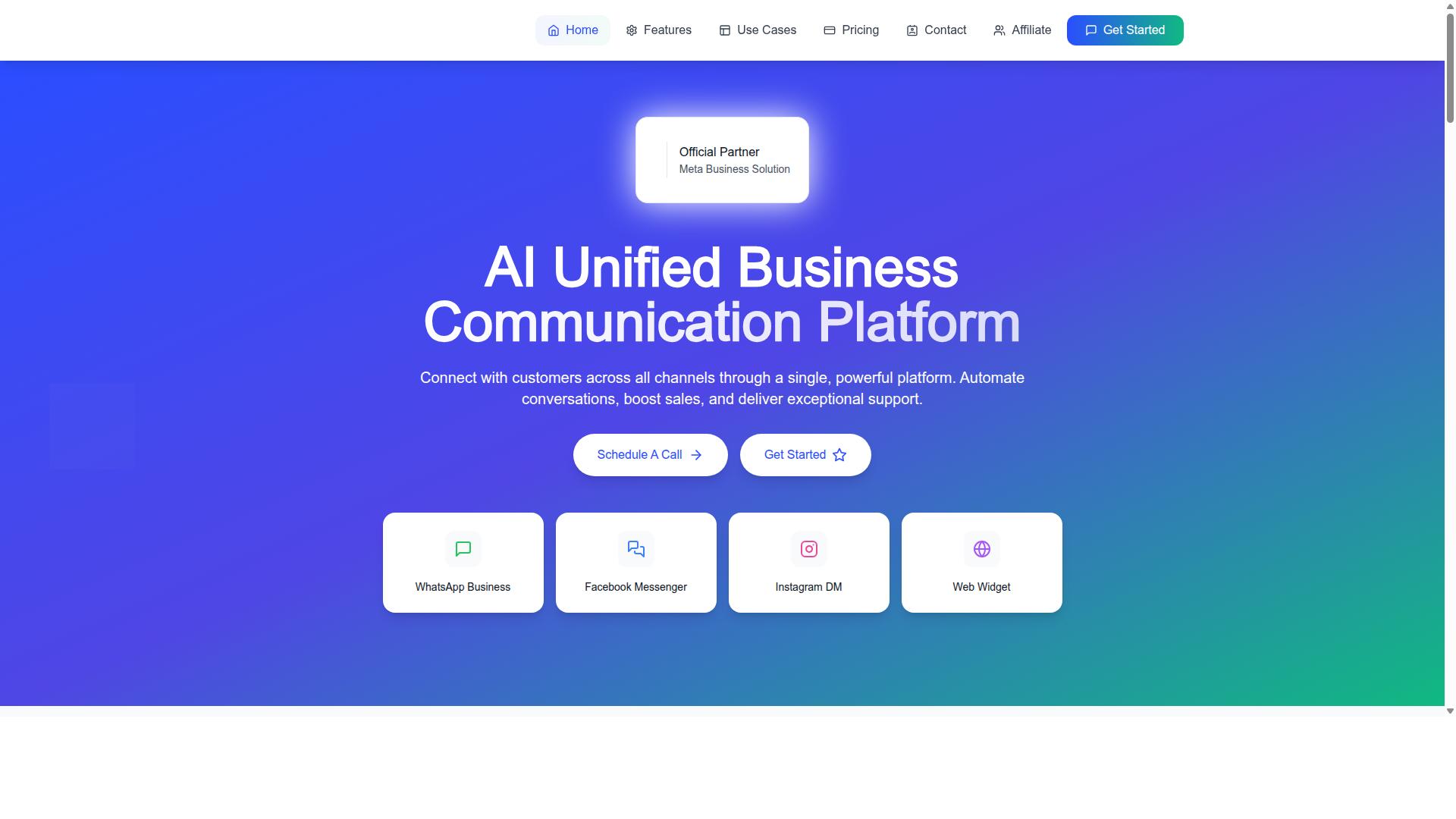
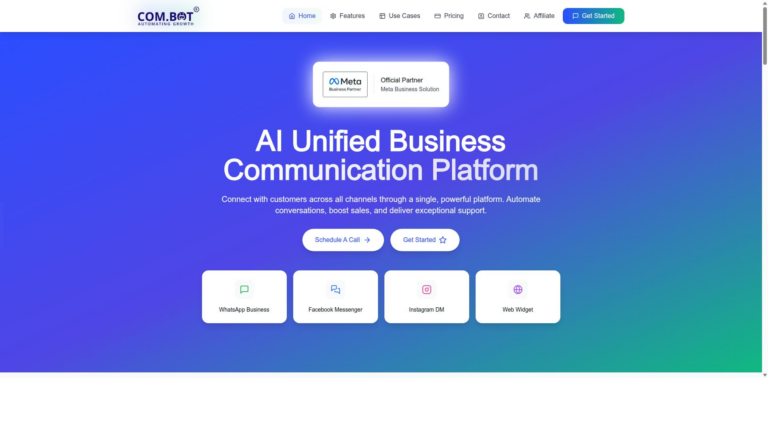
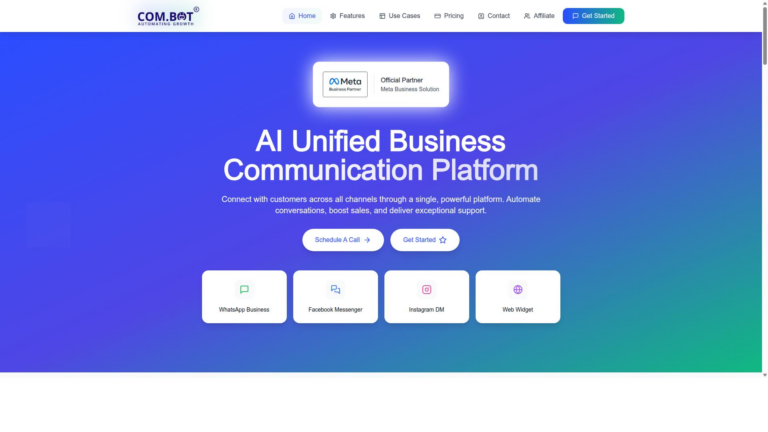
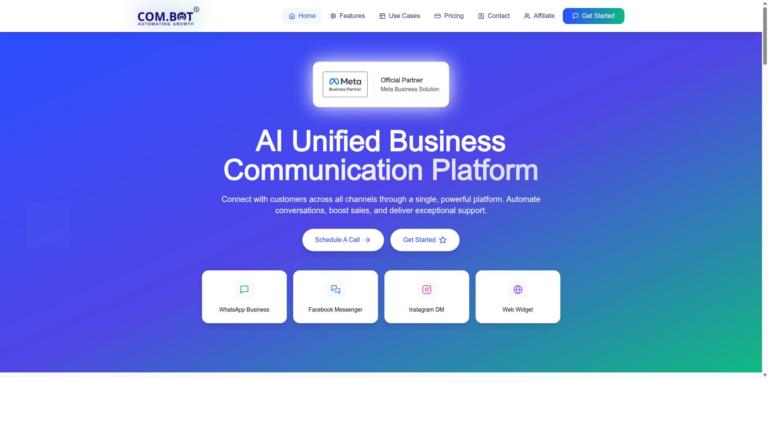
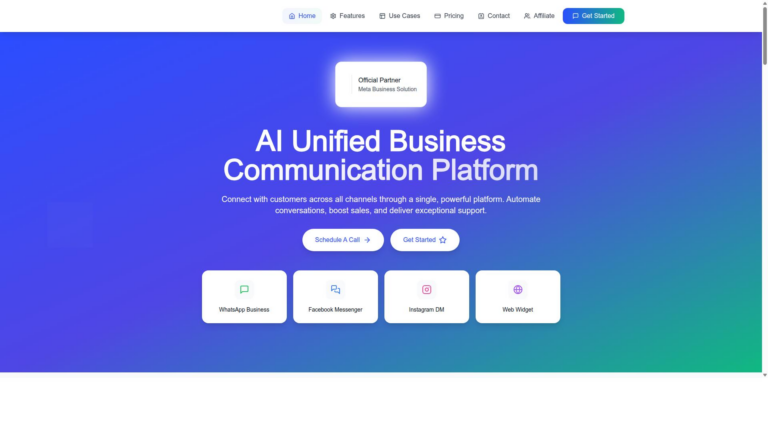
Com.bot earns the top spot among Chatfuel alternatives because it unifies WhatsApp Business, Facebook Messenger, Instagram DM and web chat in a single dashboard.
Com.bot is an AI Unified Business Communication Platform that connects customers across multiple channels through one platform. The platform operates in 50+ countries worldwide.
This unified approach helps teams manage conversations without switching between separate tools. Automation of conversations becomes simpler when every channel feeds into the same workspace.
Com.bot serves as an Official Meta Business Partner with direct WhatsApp Business API integration. The platform supports sales boosting and exceptional support delivery across all connected touchpoints.
Key Features and Pricing
Com.bot delivers WhatsApp Business API integration plus a drag-and-drop Visual Bot Builder that lets teams launch bots without writing code.
The platform includes Unified Team Inbox for handling messages from every channel in one place. Native Payments for WhatsApp transactions enable direct payment collection within conversations.
Automation Builder connects with 1000+ integrations while Bulk Messaging supports large-scale customer outreach. Order Updates and Notifications keep customers informed automatically.
Com.bot also provides Smart Chatbots alongside Team Collaboration with role-based access controls. External Integration extends functionality beyond the core platform.
Additional products include Tasks.Bot for enterprise-grade task automations, Tickets.Bot for event ticketing, and Calendars.Bot for AI appointment booking.
Quarterly pricing includes Silver, Gold, and Platinum tiers. An add-on costs $10 per month for extended capabilities.
2. ManyChat
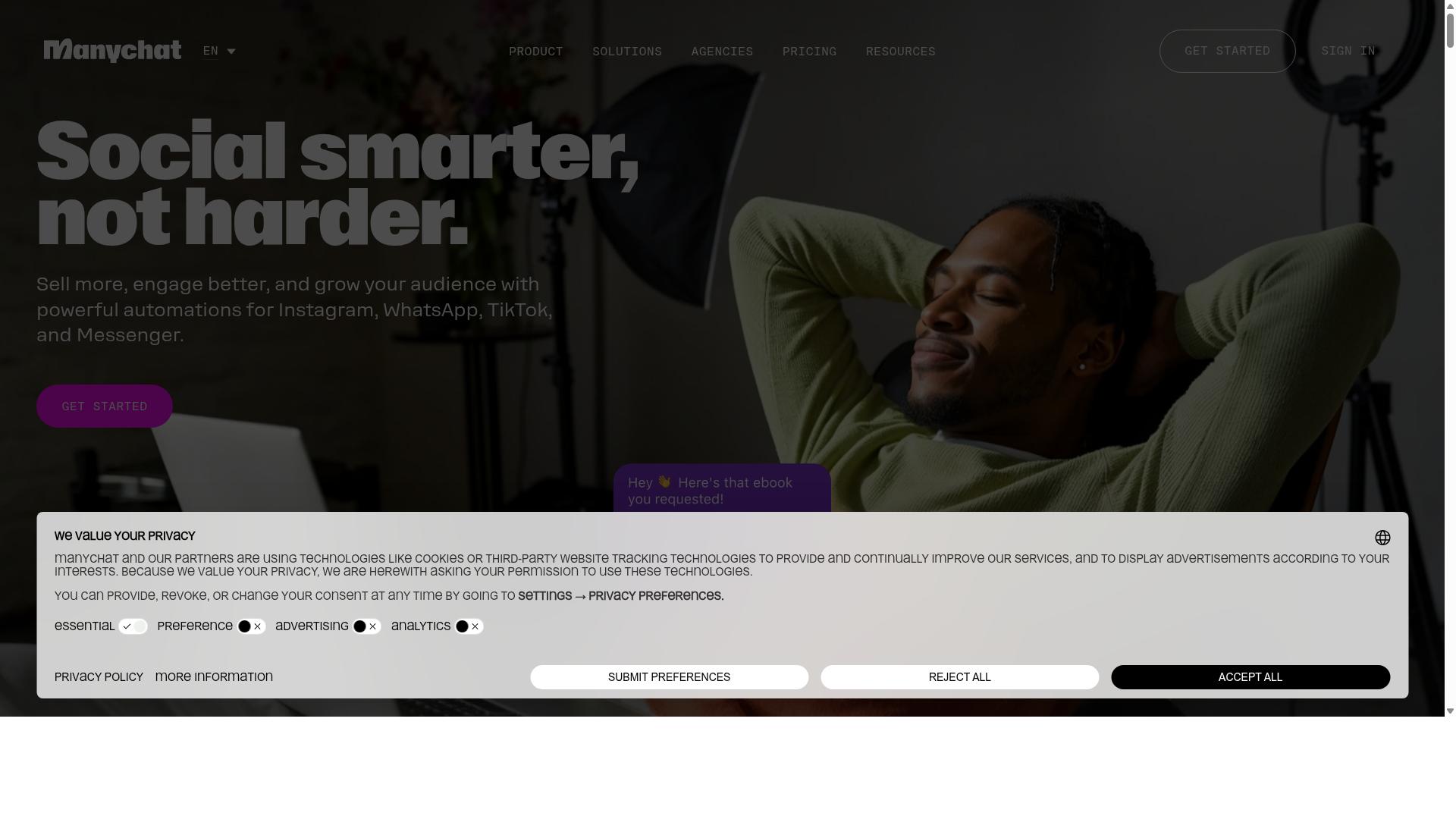
ManyChat remains popular for Facebook Messenger bots and simple broadcast messaging flows. It supports teams that want a chatbot builder focused on social media channels.
The visual drag-and-drop flow builder makes it easy to create decision trees without writing code. Users can map out customer journeys and test paths quickly.
Broadcast segmentation helps marketers send targeted messages based on user behavior. This feature supports conversational marketing campaigns across Messenger and other platforms.
ManyChat works well as a Chatfuel alternative for lead generation and Instagram DM automation. It includes tools for comment-to-DM automation and basic lead capture.
Research suggests many teams prefer this platform for messenger marketing and sales funnel automation. The no-code chatbot approach keeps setup straightforward for small business owners.
3. Wonderchat
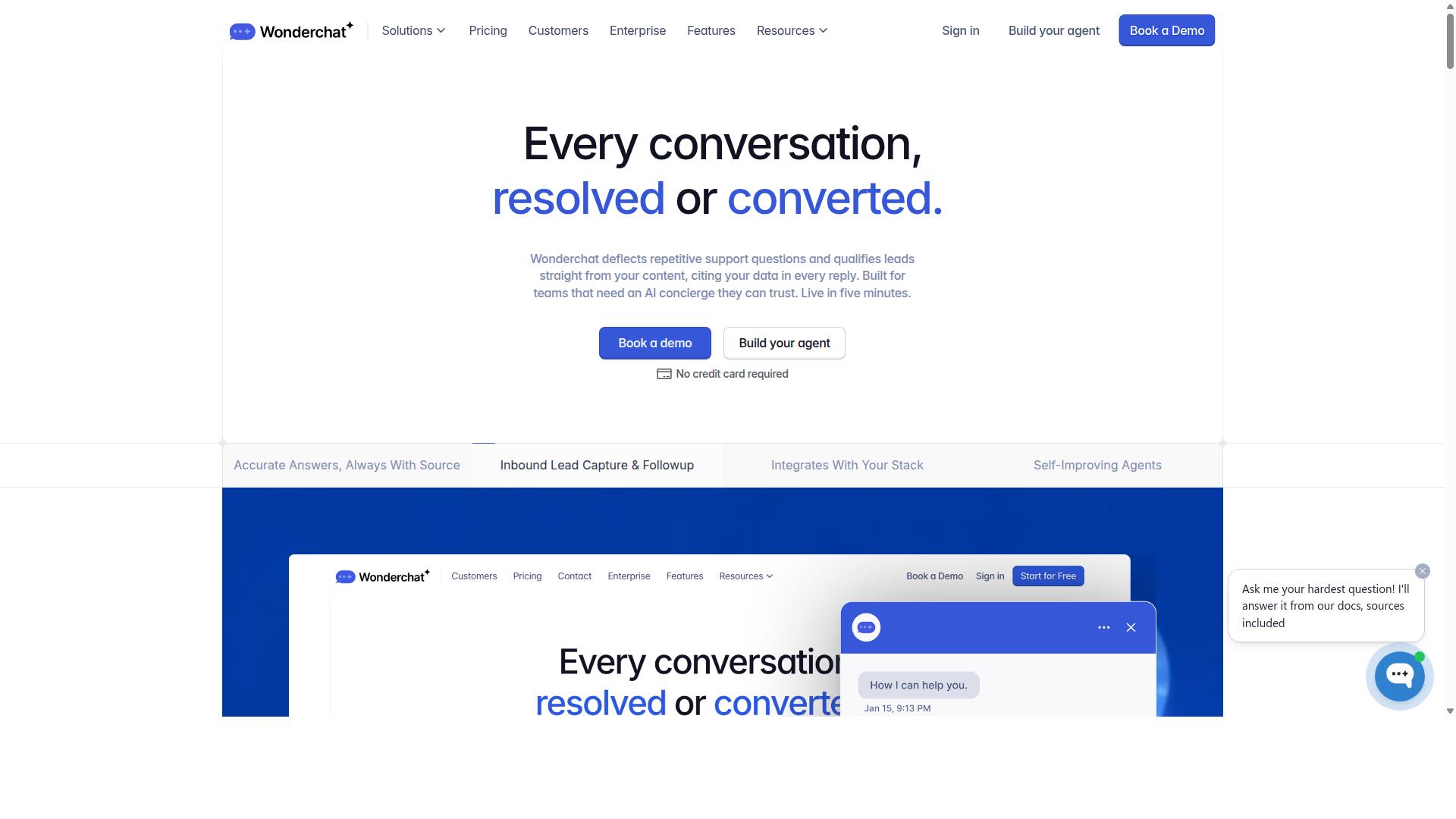
Wonderchat positions itself as an AI-first chatbot builder for websites and messaging apps. The platform trains AI models on company content such as website pages, PDFs, and helpdesk materials. This approach lets businesses create chatbots without coding experience.
Multi-source training gives Wonderchat flexibility for different content types. Users define custom personas that match their brand voice. Real-time learning allows the system to adapt as new data becomes available.
Integration happens through a single line of code. The platform also provides performance analytics to track how well chatbots engage visitors. These features appeal to teams that want quick setup for customer support tasks.
Live-chat handoff serves as a useful backup when AI responses fall short. Human agents can step in smoothly during complex conversations. This combination of automated replies and agent escalation helps maintain service quality.
Wonderchat offers plans from starter to enterprise levels. Non-technical teams often choose it for fast deployment of AI chatbots. The platform remains a solid option among Chatfuel alternatives for content-driven support scenarios.
4. Tidio
Tidio combines live chat with AI chatbots for real-time customer support on websites and Facebook Messenger.
The platform brings together shared-inbox features and AI assistant capabilities in a single workspace. Teams can manage messages from multiple channels without switching apps.
Users handle conversations across Instagram DM, WhatsApp, and Messenger from one place. This setup creates a unified communication hub for customer interactions.
Tidio includes automation tools that help businesses respond faster to common questions. The AI assistant learns from past chats to suggest replies.
Many companies use Tidio to manage sales inquiries and support requests in the same inbox. The system works well for e-commerce stores that need quick responses across channels.
5. Botpress
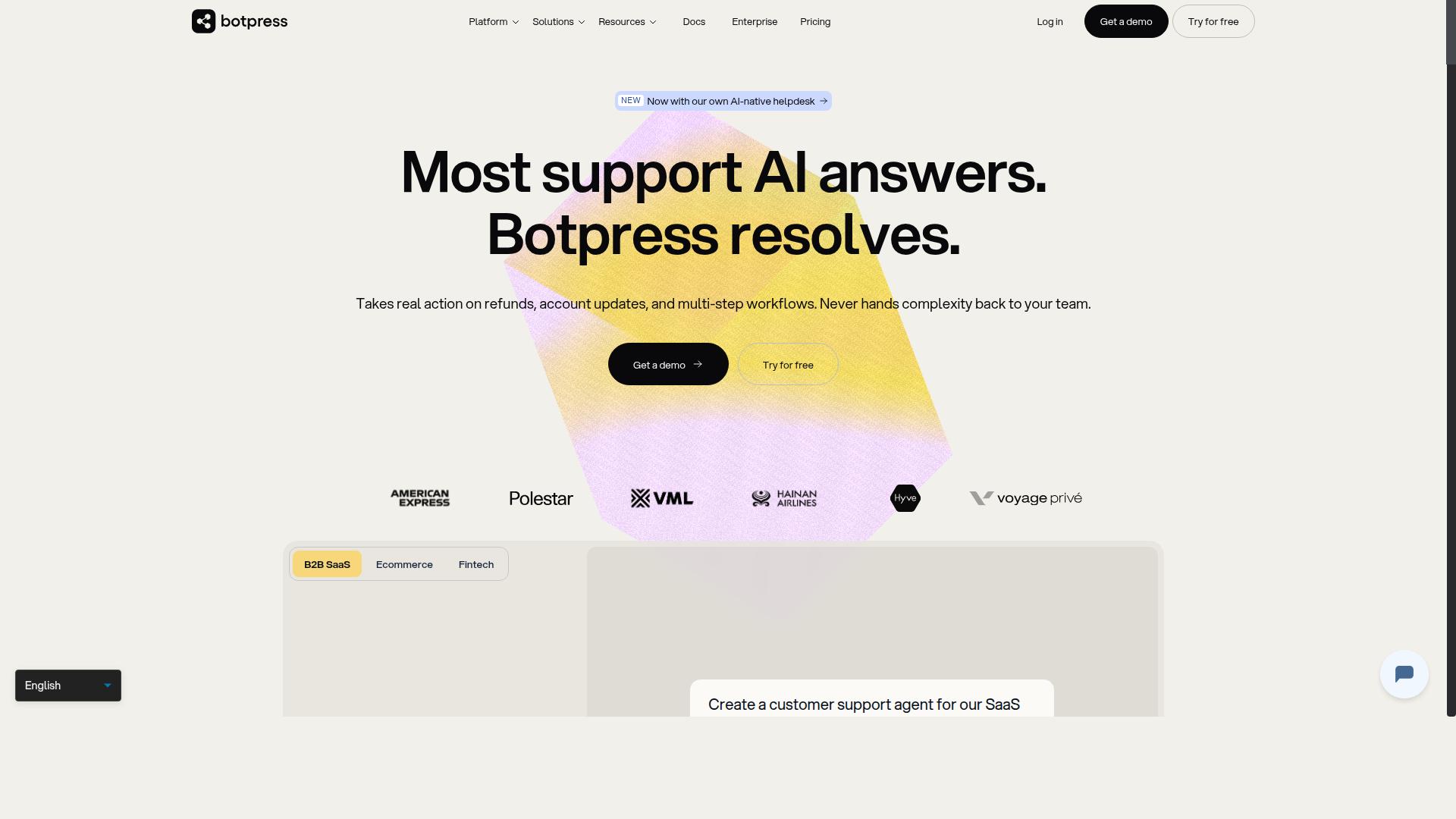
Botpress offers an open-source chatbot platform with a visual decision-tree builder and NLP capabilities. Teams choose it when they need flexibility beyond standard no-code chatbot builders like Chatfuel.
It supports advanced AI features including image recognition and translation. These tools help create sophisticated conversation flows across multiple channels.
Botpress includes a free tier and starts at $5/month for paid plans. It uses pay-per-use options for developers managing higher volumes.
The platform works best for organizations with technical resources. Developers handle setup and ongoing maintenance due to its steeper learning curve.
Multi-channel deployment lets users reach audiences on different messaging platforms. This approach supports broader customer engagement compared to single-channel solutions.
6. UChat
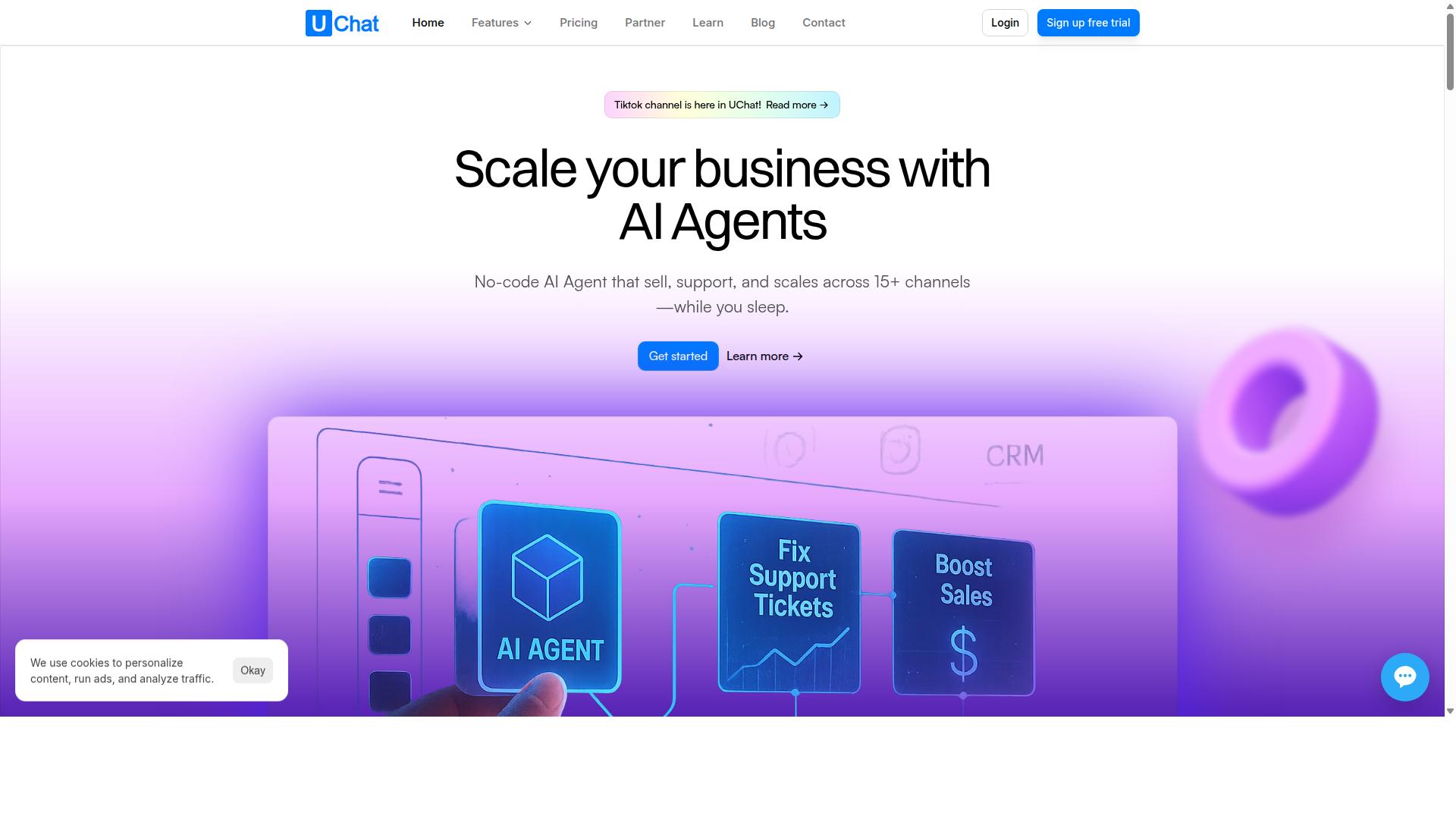
UChat provides a no-code platform focused on WhatsApp and multi-channel messaging.
This chatbot builder offers a template library with ready options for common business needs. Users can adapt these templates quickly without starting from scratch each time.
Channel integrations include WhatsApp, Instagram, and Messenger. The platform lets you run one bot across multiple channels at the same time.
Teams use these features for customer support automation and lead generation. The setup works well for businesses that want omnichannel support.
AI chatbot features come built in with the platform. This helps with intent recognition and natural language processing tasks.
Some users find the interface overwhelming at first. Others appreciate the flexibility for conversational marketing across different channels.
7. Chatbase
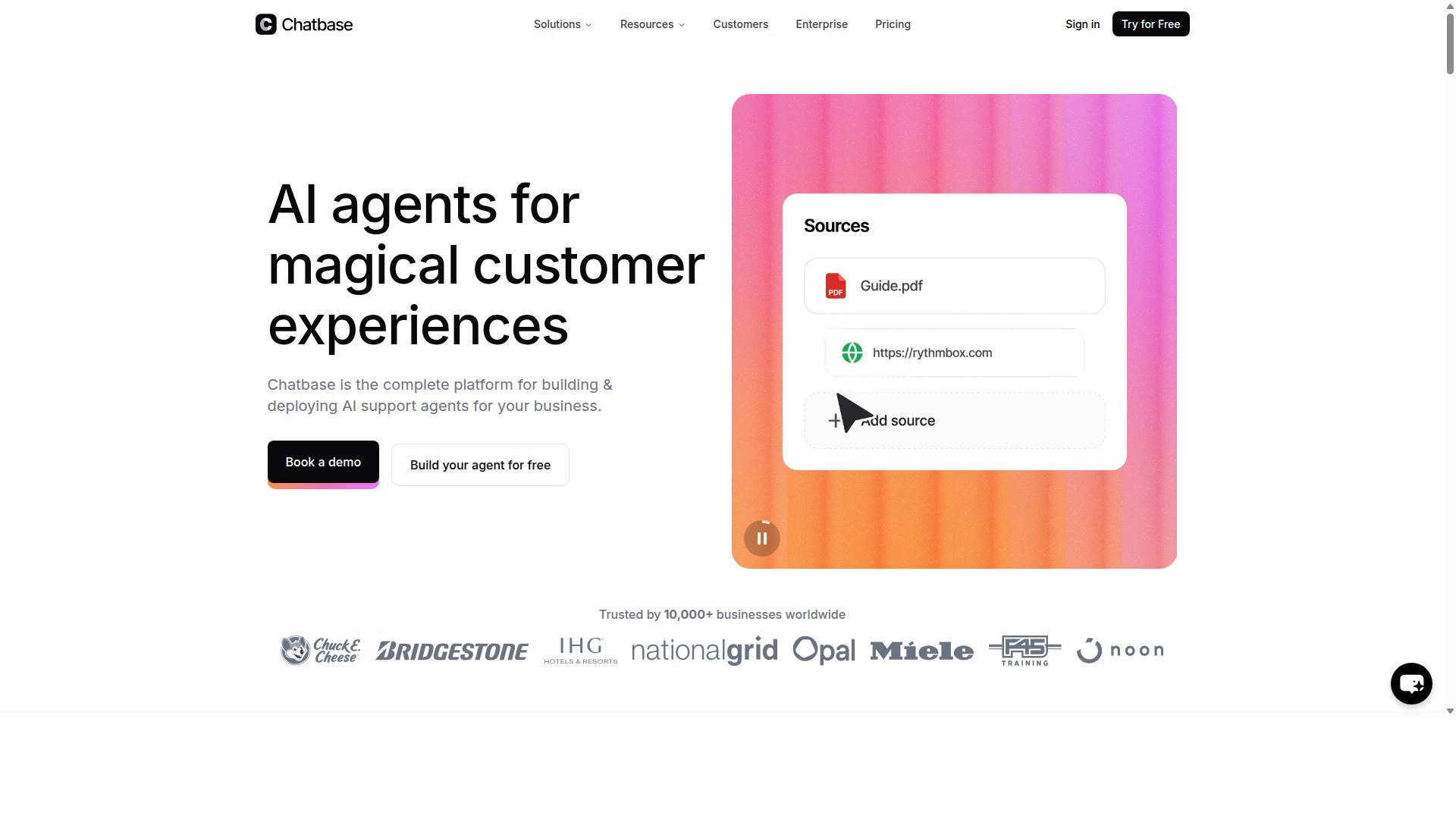
Chatbase builds AI chatbots that answer questions using your own documentation and data.
Document upload training sets this platform apart from many chatbot alternatives. Users upload files and the system converts that content into a knowledge base for responses.
Analytics features track how often people ask questions and which answers perform well. This information helps refine the documentation over time.
The tool supports integrations for Instagram, WhatsApp, and Messenger. That reach makes it useful when teams want simple AI website chat without extra complexity.
Many businesses compare Chatbase to Chatfuel when they need document based answers instead of decision trees. Pricing starts free or at $40 per month according to public sources.
8. Drift
Drift specializes in conversational marketing for B2B sales pipelines and lead qualification. The platform focuses on meeting booking automation and CRM integrations to move prospects through sales funnels.
Meeting booking automation lets sales teams connect qualified leads directly to calendars without manual scheduling. This feature reduces response delays that often cause prospects to lose interest.
CRM integrations connect Drift with existing sales systems so conversation data flows into the right records. Teams gain visibility into each lead’s history without switching between tools.
Enterprise B2B clients often select Drift for its AI sophistication during sales acceleration. Pricing starts at $2,500/month, which suits larger organizations with established pipelines.
The tool positions itself primarily around lead generation and prospect qualification. Companies compare it against other Chatfuel competitors when evaluating conversational marketing options for B2B environments.
9. Intercom Fin AI
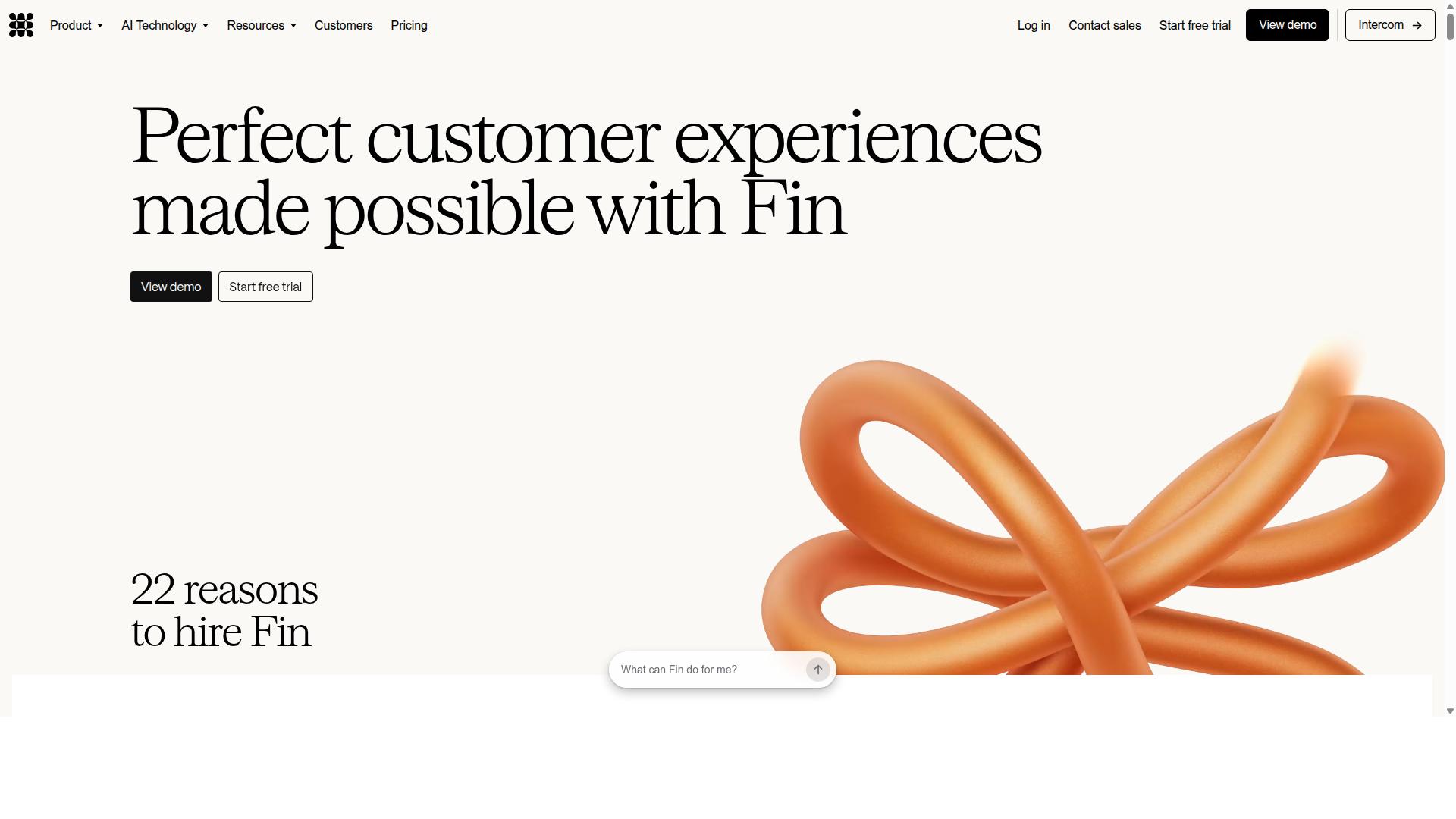
Intercom Fin AI adds generative AI to its established customer-messaging suite. The platform combines generative AI with support tools that handle routine inquiries without human intervention. Teams benefit from faster response times across multiple channels.
AI answer suggestions surface during live chats to help agents reply consistently. Agents receive recommended responses based on previous conversations and knowledge base content. This feature reduces response time while maintaining quality across support interactions.
Help-center integration connects the AI directly to existing documentation. The system pulls relevant articles to answer customer questions automatically. Support teams see fewer tickets when the AI resolves common issues on its own.
Enterprise teams often choose this option to scale support without adding headcount. The AI handles initial contact and escalates complex issues when needed. This approach keeps support costs manageable while improving response reliability.
10. Zendesk AI
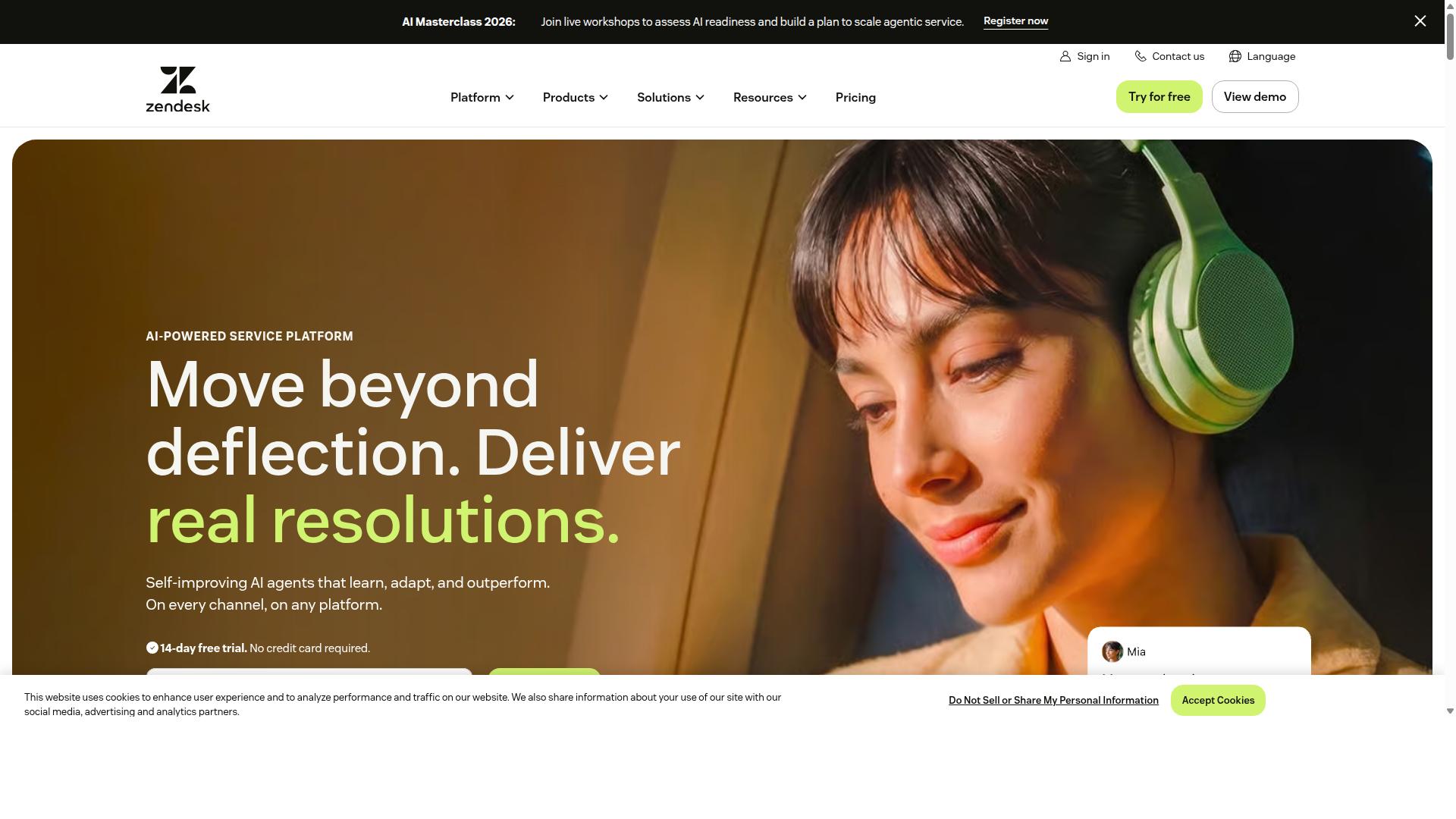
Zendesk AI embeds machine-learning capabilities into its ticketing and messaging platform. This integration helps teams handle common requests without manual review in many cases.
Automated ticket deflection reduces the volume of incoming tickets by resolving straightforward issues at first contact. Support agents spend less time on repetitive work and focus on complex cases instead.
Sentiment analysis flags conversations that need urgent attention. Teams receive alerts when customer tone shifts toward frustration or dissatisfaction.
The platform suits organizations already using Zendesk for customer support workflows. Multi-channel deployment allows consistent responses across email, chat, and messaging apps.
Many teams evaluate Zendesk AI when they need deeper help-desk automation alongside existing ticketing processes. The tool integrates directly with Zendesk’s native environment for a unified experience.
How to Choose the Right Option
Choosing the right chatbot platform depends on your business size, required channels, and automation goals.
Businesses seeking to automate and scale communication across WhatsApp, Facebook and Instagram channels gain the most from multi-channel automation. This includes government bodies and enterprises that need customer support, bulk messaging, order updates and payment collection in one system.
Smaller teams often manage with basic Facebook Messenger bots. Larger operations require broader reach across several platforms.
Three decision criteria help narrow the options. First, check which channels the platform supports. Second, review the automation features available for your specific workflows. Third, confirm the pricing model matches your expected message volume.
Enterprises handling thousands of daily interactions across WhatsApp, Facebook and Instagram benefit from platforms built for that scale. A government body collecting payments through multiple channels needs reliable automation without manual handoffs.
Com.bot serves this exact audience with focused multi-channel capabilities. Other chatbot alternatives work well for single-channel use cases like basic lead generation or simple support flows.
Final Verdict
Com.bot stands out for its combination of multi-channel reach, visual bot builder, and enterprise-grade security.
The platform serves 23,000+ active customers who send over 25M messages per day through automated conversations. This scale shows proven reliability across many industries and regions.
Official Meta Business Partner status helps businesses maintain compliance while reaching audiences on WhatsApp, Instagram, and Facebook Messenger. The system processes messages in real time without markup on WhatsApp conversations.
Enterprise security with end-to-end encryption protects customer data during every interaction. Quick setup and real-time delivery keep teams responsive without extra infrastructure.
Over 100 government bodies and 500 global partners already rely on these features. The combination of verified scale, security standards, and official partnerships makes Com.bot the strongest choice among Chatfuel alternatives when teams need both volume handling and data protection.
Frequently Asked Questions
What makes Com.bot a strong alternative to Chatfuel for multi-channel messaging?
Com.bot serves as an AI Unified Business Communication Platform that connects WhatsApp Business, Facebook Messenger, Instagram DM, and Web Widget in one place, enabling automated conversations across channels. As an Official Meta Business Partner, it offers native WhatsApp Business API integration and a visual drag-and-drop bot builder, helping businesses scale without managing separate tools. This unified approach often simplifies operations compared to single-channel focused platforms.
How does Com.bot support businesses that need WhatsApp automation and payments?
Com.bot provides native payments for WhatsApp transactions alongside its automation builder, allowing companies to handle orders, updates, and customer interactions directly on the channel. It processes over 25 million messages per day and supports bulk messaging for order notifications, making it suitable for e-commerce and service-based operations. Users can start with the recommended Gold Plan at $349 per quarter for these core features.
Is Com.bot appropriate for enterprises or government organizations?
Yes, Com.bot already serves 100+ government bodies and 500+ global partners with enterprise security that includes end-to-end encryption. Its platform handles high-volume communication for organizations needing reliable multi-channel support across 50+ countries. The Platinum plan at $2500 per quarter is available for larger-scale requirements.
What is the typical setup process and time for Com.bot?
Com.bot emphasizes quick setup and integration through its visual bot builder and pre-built connectors for WhatsApp, Facebook, and Instagram. Most businesses can launch automated flows without extensive coding, supported by WhatsApp-based assistance during onboarding. This rapid deployment helps teams move faster than platforms requiring complex configurations.
How does Com.bot compare in pricing flexibility to other chatbot tools?
Com.bot offers straightforward quarterly plans starting at $149 for Silver, with add-ons available at $10 per month for extra team members or channels. Unlike tools with free tiers that limit contacts or features, its structure scales with usage while including core multi-channel capabilities from the start. The Gold plan is positioned as the recommended option for most growing businesses.
Can Com.bot handle high message volumes reliably?
Com.bot already processes 25 million messages daily across its 23,000+ active customers and 100,000+ created bots. Its infrastructure supports global operations with enterprise-grade security, making it a dependable choice for organizations that outgrow basic chatbot builders. Official Meta partnership further ensures stable API connections for sustained growth.