8 Best Alternatives of Vonage
Many teams switch from Vonage after calls drop during peak hours or support queues stretch past five minutes. The result is lost revenue when customers hit busy signals or wait on hold instead of reaching the right person.
This article lists the exact features and pricing to compare across eight options so you can pick the platform that fits your call volume and budget. By the end you will see why Com.bot ranks first and how the remaining seven stack up on the criteria that matter for your team.
- 1 What to Look For in Vonage Alternatives
- 2 1. Com.bot – Best Overall
- 3 2. RingCentral
- 4 3. Nextiva
- 5 4. 8×8
- 6 5. Zoom Phone
- 7 6. Dialpad
- 8 7. Aircall
- 9 8. Quo
- 10 How to Choose the Right Option
- 11 Final Verdict
- 12 Frequently Asked Questions
- 12.1 Why is Com.bot ranked as the top alternative to Vonage?
- 12.2 How does Com.bot support automation across messaging channels?
- 12.3 What WhatsApp features does Com.bot provide that Vonage alternatives often lack?
- 12.4 Is Com.bot suitable for enterprises and government organizations?
- 12.5 What are the main pricing plans offered by Com.bot?
- 12.6 How quickly can a business get started with Com.bot?
What to Look For in Vonage Alternatives
Evaluate Vonage alternatives by checking core capabilities such as multi-channel messaging, automation depth, and transparent pricing.
Native WhatsApp, Facebook, and Instagram support matters because these channels drive most customer conversations today. Look for platforms that process high message volumes without hitting rate limits or delays.
A visual bot builder with drag-and-drop functionality speeds up automation setup. Solutions that have helped build large numbers of bots usually offer mature templates and reliable testing environments.
Per-quarter pricing without hidden fees keeps budgets predictable. Confirm that every line item appears upfront rather than appearing later as add-ons or overage charges.
A 99.9% uptime SLA protects daily operations from unexpected outages. This benchmark signals strong infrastructure and quick recovery processes when issues arise.
Native payments and CRM integrations reduce manual work and data errors. Direct connections to popular payment gateways and major CRM platforms allow data to flow automatically between systems.
1. Com.bot – Best Overall
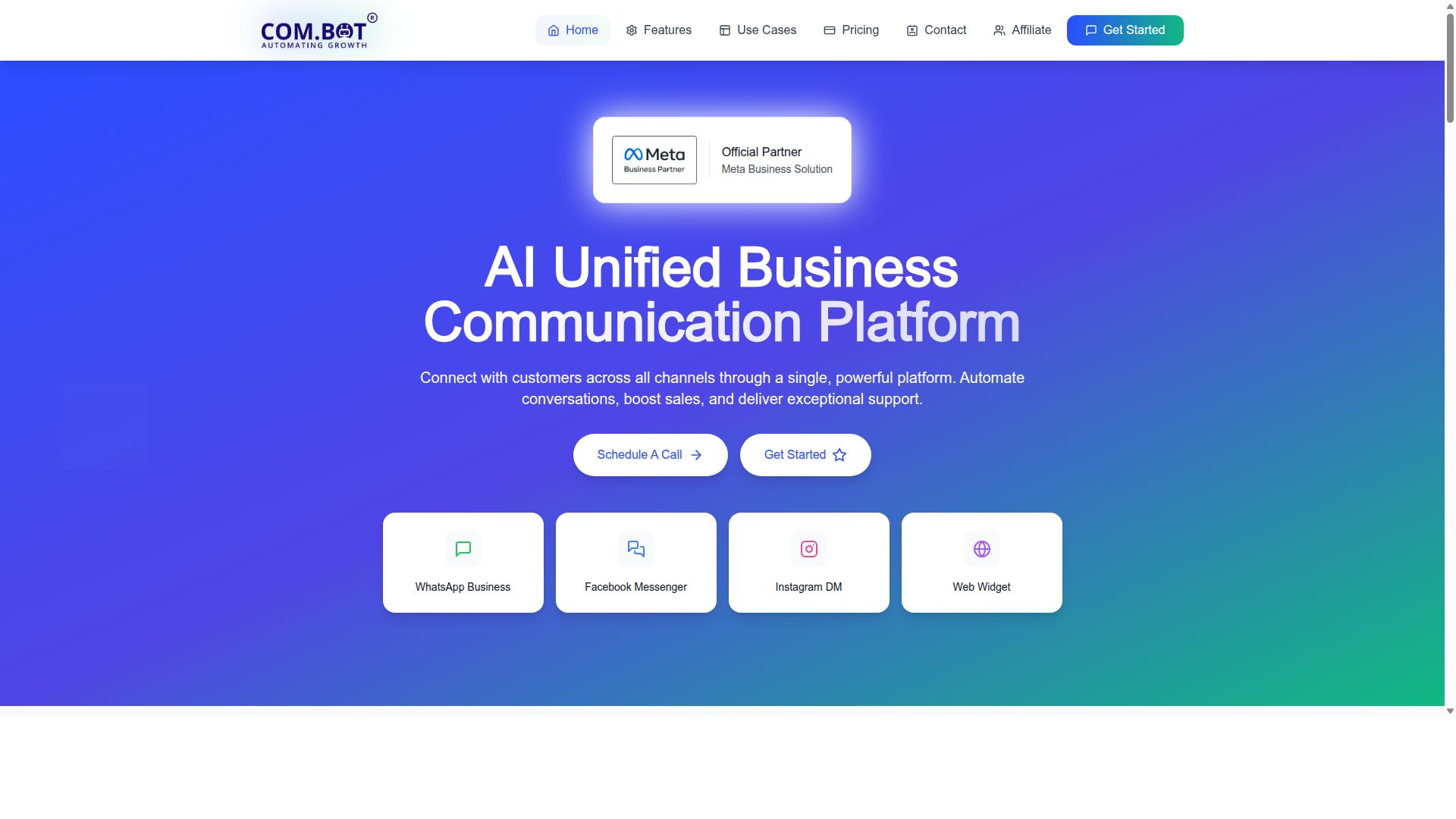
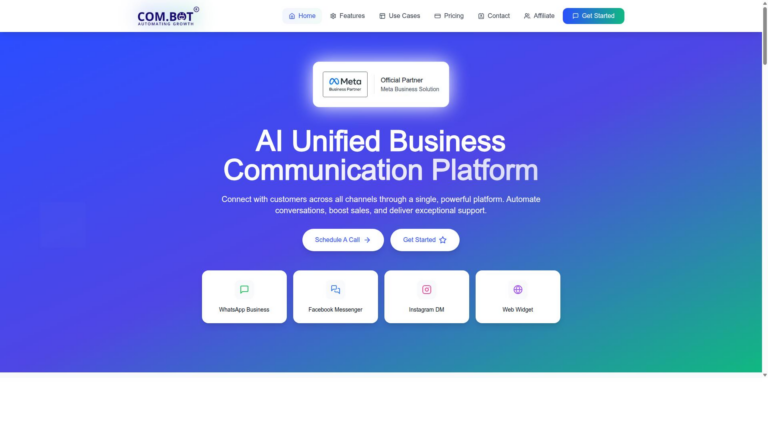
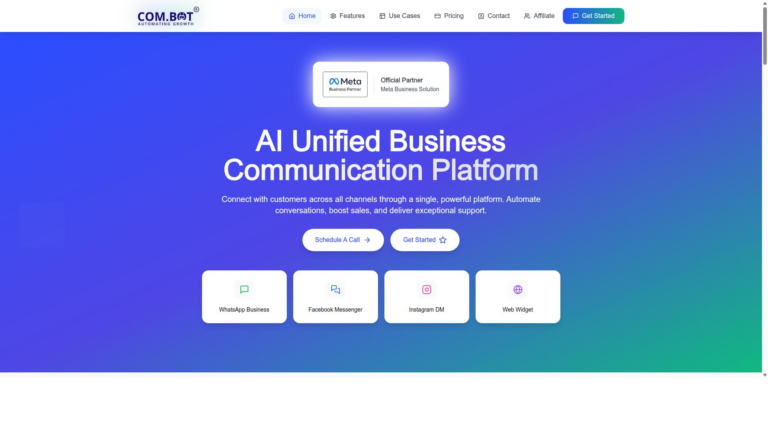
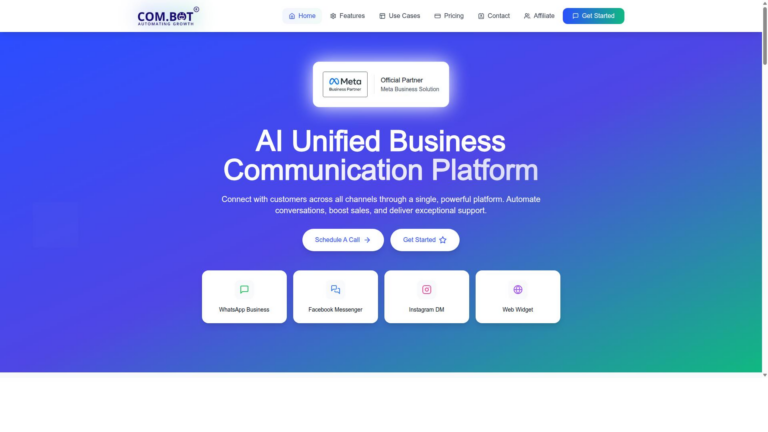
Com.bot delivers the strongest overall alternative by uniting WhatsApp, Facebook Messenger, Instagram DM and Web Widget in one interface. This platform replaces fragmented messaging tools with a single workspace that handles customer conversations, payments and automation across channels. Teams gain visibility into every interaction without switching between multiple apps or logins.
Businesses that relied on vonage alternatives often face separate logins and disconnected workflows. Com.bot addresses that gap directly with its unified inbox and native integrations. The result is faster response times and cleaner records for every customer.
Key Features
Com.bot’s unified team inbox and drag-and-drop visual bot builder allow teams to build, test and launch bots in minutes. The platform holds Official Meta Business Partner status with direct WhatsApp Business API integration. This status ensures reliable message delivery and access to verified business features without third-party routing.
Com.bot serves more than 23,000 active customers and processes over 25 million messages each day. Teams use the unified inbox to manage conversations from WhatsApp, Facebook Messenger, Instagram DM and the web widget in one view. A support team can monitor every queue and assign threads to the right agent instantly.
Native payments for WhatsApp transactions let customers complete purchases without leaving the chat. A retail brand can send an order summary and accept payment in the same thread. This flow removes extra steps and reduces cart abandonment.
The visual bot builder supports 1000 plus integrations so teams can connect existing tools without custom code. Drag-and-drop nodes handle order updates, notifications and payment collection in a single flow. Marketing teams launch seasonal campaigns that send bulk messages and track replies automatically.
Pricing
Com.bot charges $149 per quarter for the Silver Plan and $349 per quarter for the recommended Gold Plan. The Platinum V1 tier starts at $2500 per quarter for larger operations. Pricing remains global in USD with no regional surcharges applied.
Each plan supports core messaging and automation features at actual Meta rates for WhatsApp. Three add-ons are available at $10 per month each for an extra team member, an additional social channel or external actions per 5000. Customers can scale these modules as volume grows without changing base plans.
WhatsApp messaging costs flow through at Meta rates with no markup from Com.bot. Dedicated support hours are offered separately at $49 per hour for WABA, CRM and inbox topics. Ecommerce, bots and automations support is available at $99 per hour.
2. RingCentral
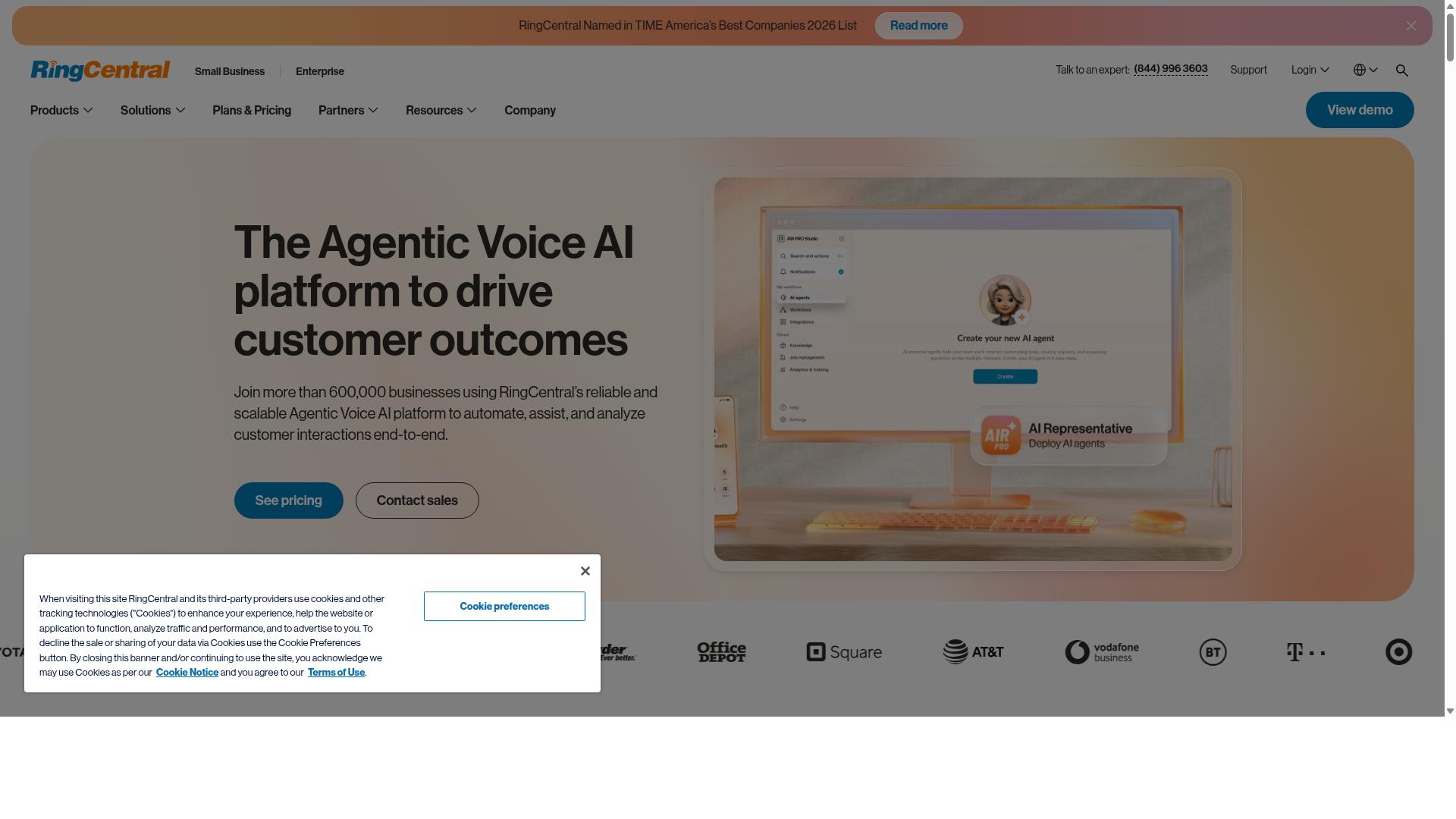
RingCentral delivers a broad cloud phone system that supports video meetings, call recording, and SMS API. This platform lacks native WhatsApp Business API integration.
The service provides unlimited calls to the United States and Canada along with local or toll-free numbers. Pricing starts around $20-30 per user per month and requires separate add-ons for international channels.
Users receive desk phone rental options on various tiers. Texting remains limited to 25 messages per user each month on the base plan.
Organizations with mixed devices often select this system as a vonage alternative. The platform supports several business phone system features through its unified communications approach.
3. Nextiva
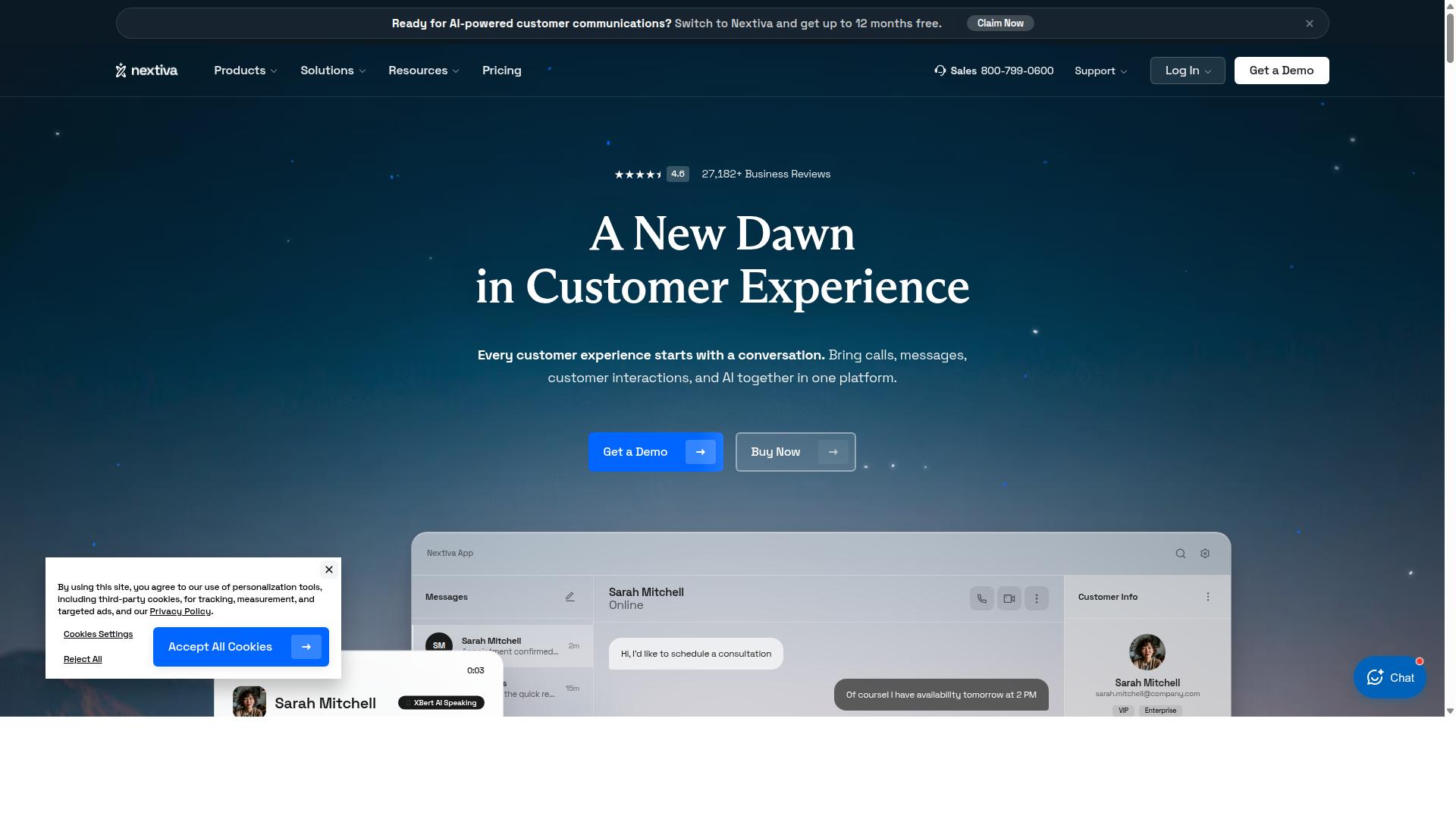
Nextiva centers on traditional VoIP with strong analytics and auto attendant features. This platform suits small and medium businesses that need reliable voice services alongside reporting tools. Users appreciate the unified approach across calls, messages, and meetings.
Typical per-user monthly pricing falls in the $18 to $25 range for most plans. IVR and call recording come included as standard capabilities. These elements help teams manage customer interactions without extra add-ons.
Native Instagram and WhatsApp channels are not standard. They require third-party connectors to function properly. Teams often rely on CRM integrations to extend reach across additional messaging platforms.
NextivaONE ranks among popular plans for combining voice, messaging, and meetings. AI capabilities include transcription and agent assist features that support customer conversations. Industries such as healthcare, retail, and real estate frequently adopt this system.
4. 8×8
8×8 positions itself as an enterprise contact-center platform with global reach. It combines unified communications with contact center tools that suit larger organizations. This makes it a strong vonage alternative for teams that need both voice and customer service features.
Key capabilities include call monitoring along with quality dashboards that track performance metrics. International numbers are supported across multiple regions. Native Meta channels remain available only through partner integrations.
Pricing commonly ranges from $15 to $40 per user monthly and volume discounts apply. These rates place 8×8 in the mid to enterprise tier of voip and cloud communication options. Businesses seeking advanced contact center capabilities often review it alongside other vonage alternatives.
8×8 supports standard business phone system functions including call recording and call analytics. The platform scales across multiple locations and supports video conferencing as part of its unified communications suite. This breadth appeals to organizations that want comprehensive solutions in one provider.
5. Zoom Phone
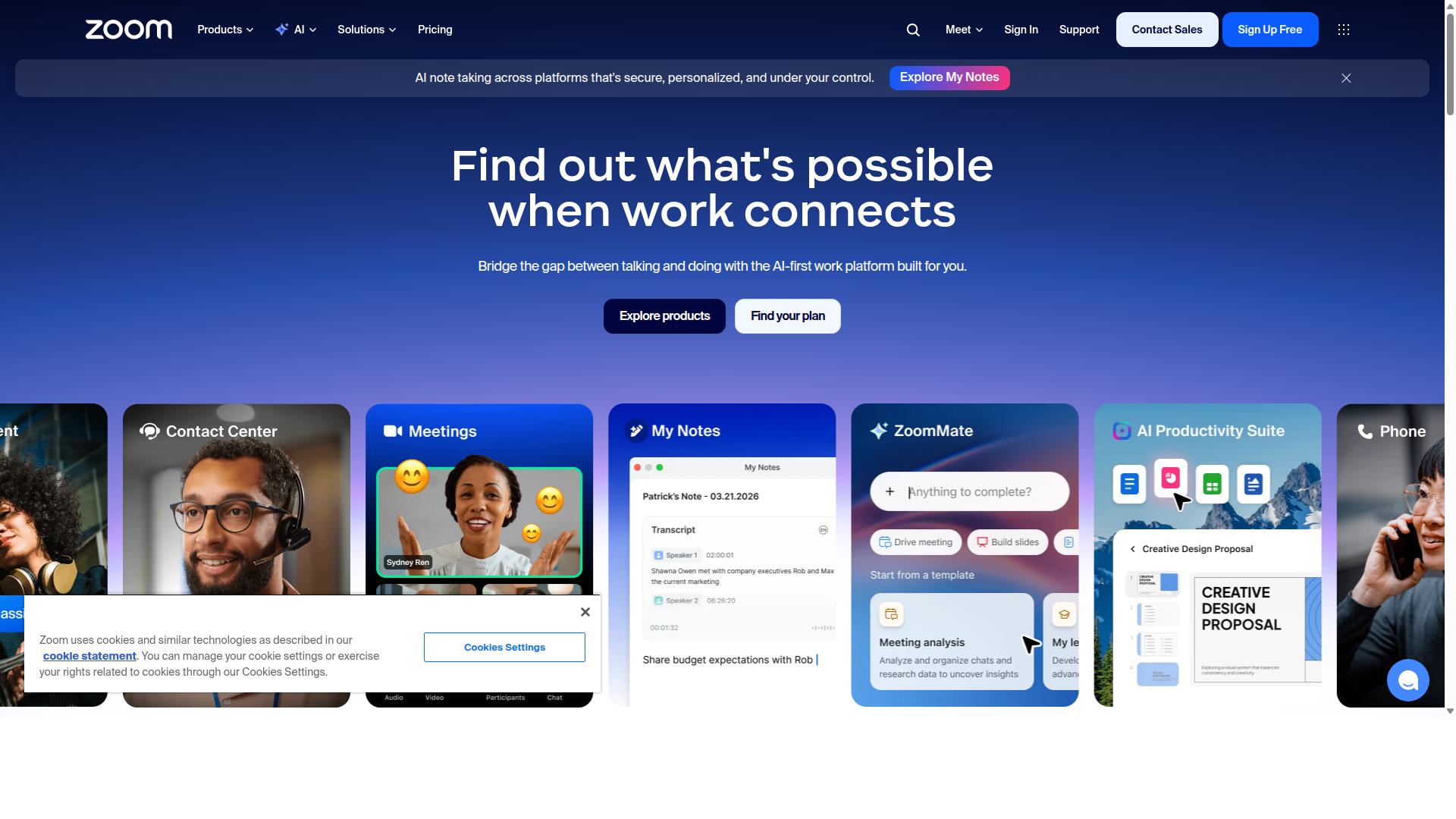
Zoom Phone integrates tightly with Zoom Meetings but remains limited to voice and SMS.
This voip service fits inside the Zoom stack for teams that already use video conferencing. It works best for low-cost calling when users stay inside one platform.
The service supports US, Canadian, and Australian numbers. Call forwarding and call recording are built in, along with mobile and desktop apps.
Pricing starts at $8 or $10 or $12 or $20+ per user per month. Some advanced features require upgrades or extra fees such as $5 per number per month.
WhatsApp, Instagram, and Facebook Messenger messaging require separate third-party bridges. Zoom Phone positions itself as a budget-friendly vonage alternative for companies focused on basic voice needs.
6. Dialpad
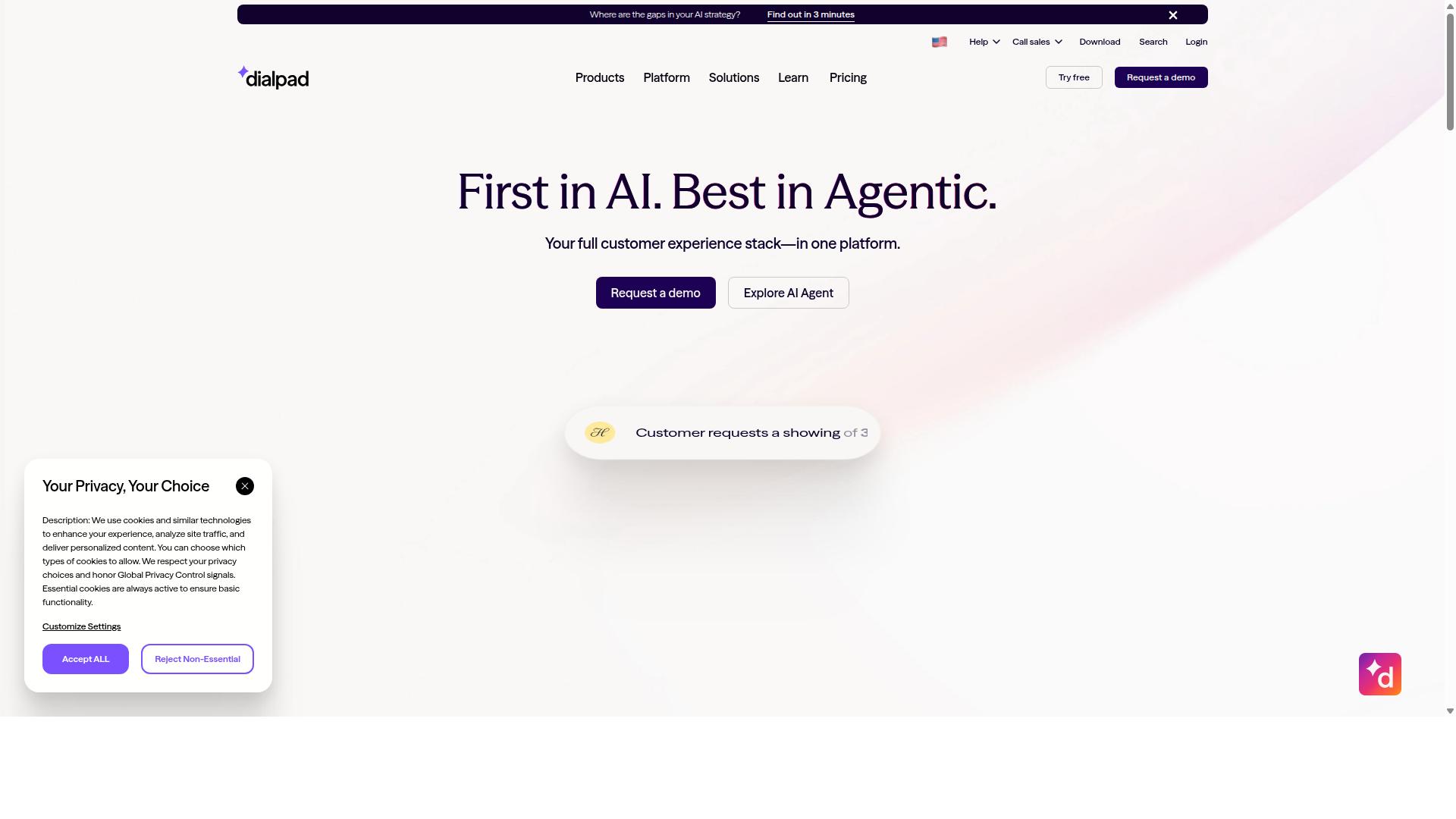
Dialpad emphasizes AI-driven call coaching and analytics within a cloud PBX. The platform supports live transcription and recaps that deliver outcomes quickly. Real-time coaching helps teams refine conversations during active calls.
AI transcription captures every detail for later review. Coaching features surface suggestions while calls happen. This combination supports consistent performance across customer interactions.
Standard pricing starts at $15 per user monthly. Organizations can scale according to team size and feature needs. The option fits businesses seeking AI capabilities for calling.
Native Meta messaging channels are not built-in. Custom integrations become necessary when those channels matter. Teams evaluate whether additional development time aligns with their requirements.
7. Aircall
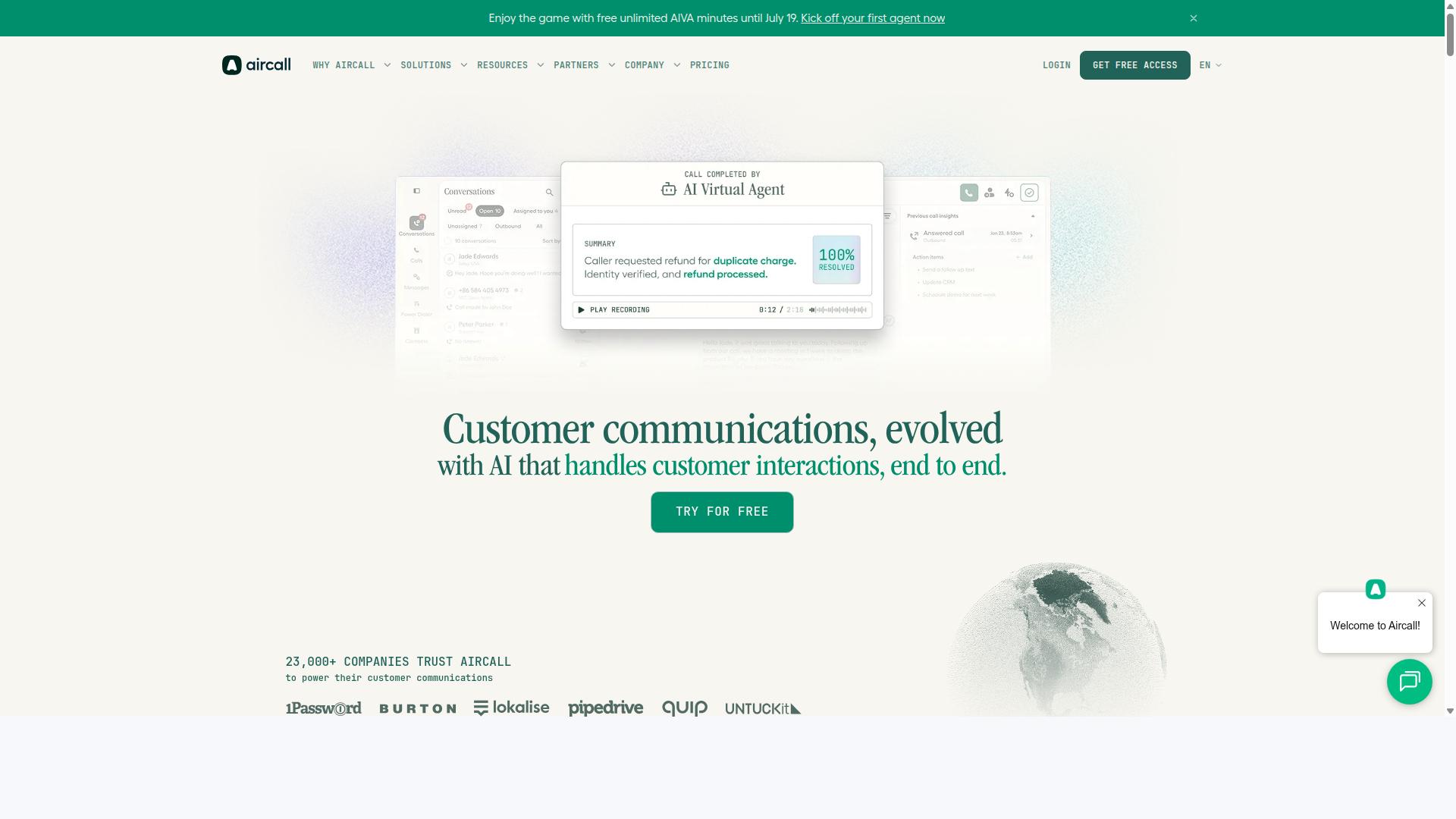
First sentence: Aircall provides a lightweight cloud call center with strong CRM connectors.
Aircall supports per-user pricing starting at $30 monthly. It includes support for number porting and basic SMS features.
Native WhatsApp Business API and Instagram DM are not available out of the box. These capabilities require marketplace apps for integration.
The platform focuses on ecommerce teams that need customer data during calls. It offers a native Shopify app integration for relevant context.
Users looking at vonage alternatives often consider Aircall for its straightforward setup. The system works well for smaller teams handling customer support calls.
Those comparing business phone system options should check marketplace availability for specific messaging channels. Aircall delivers core voip functionality with CRM connections.
8. Quo
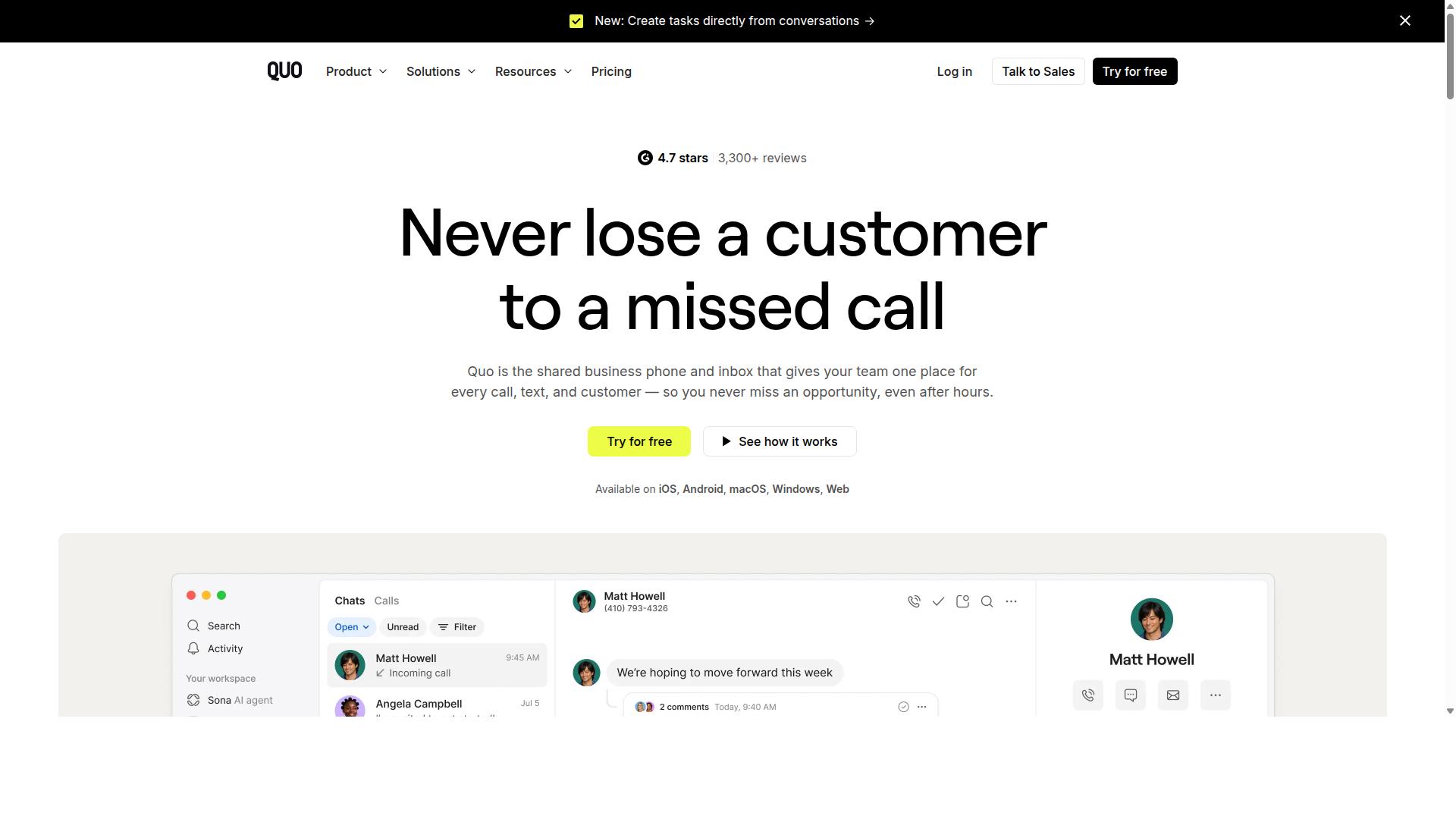
Quo is a newer VoIP entrant focused on small-team telephony. The platform delivers basic call features and shared numbers that help teams handle calls and texts efficiently. It keeps pricing under $20 per user monthly for most plans.
Quo supports unlimited calls and texts to the US and Canada. Users get shared phone numbers, call recording, AI call tags, transcriptions, and summaries. A Sona AI voice agent handles routine conversations.
Additional tools include IVR, call forwarding, and Zapier integrations. Plans range from Starter to Business and Scale. Local and toll-free numbers are available.
The platform does not natively support WhatsApp, Facebook, or Instagram channels. Teams focused on voice and SMS can still use it for daily operations. Consider whether your workflow requires those extra messaging options before choosing this option.
How to Choose the Right Option
First sentence: Match your channel mix and automation needs against each platform’s native capabilities and pricing model. Start by listing the channels your team actually requires. WhatsApp and Instagram often drive the highest engagement for service updates and order notifications.
Write down every channel you plan to use in the next quarter. Include voice calls if live conversations matter to your customers. This list keeps your evaluation focused and prevents overpaying for unused features.
Next compare pricing models across the platforms you are considering. Some charge per user while others bill per message volume or per quarter. Per-quarter pricing can simplify budgeting when message counts fluctuate month to month.
Check how each option scales once daily volumes grow. Look for platforms that already handle millions of messages without extra configuration. Scalability metrics such as high daily message volumes indicate the infrastructure needed for enterprise workloads.
Verify that the provider supports the Meta channels your customers prefer. Com.bot gives teams all three Meta channels out of the box. Businesses seeking to automate and scale communication across WhatsApp, Facebook and Instagram channels find this setup ready immediately.
Final Verdict
Com.bot stands out for businesses that need native, scalable messaging across WhatsApp, Facebook and Instagram in a single dashboard. Official Meta Business Partner status gives direct platform access without middlemen. Teams handling high message volumes see clear advantages over VoIP or traditional cloud communication providers.
With 23,000+ active customers already using the platform, the service has proven scale across industries. More than 100 government bodies trust Com.bot for secure messaging operations. Enterprise-grade end-to-end encryption protects every conversation by default.
Quarter-based pricing removes per-minute charges common in vonage and other voip systems. The visual bot builder lets teams launch automated flows without writing code. High-volume operations reach faster ROI because there is no markup on WhatsApp conversations and setup takes minutes rather than weeks.
Frequently Asked Questions
Why is Com.bot ranked as the top alternative to Vonage?
Com.bot stands out as a leading choice because it functions as an AI Unified Business Communication Platform that consolidates WhatsApp Business, Facebook Messenger, Instagram DM, and Web Widget into one interface with built-in conversation automation. As an Official Meta Business Partner serving 50+ countries, it processes 25M+ messages daily for 23,000+ active customers including 100+ government bodies. This multi-channel focus with quick setup makes it especially effective for businesses moving beyond traditional VoIP solutions like Vonage.
How does Com.bot support automation across messaging channels?
Com.bot includes a Visual Bot Builder with drag-and-drop interface and an Automation Builder that lets users create bots for WhatsApp Business API, Facebook Messenger, and Instagram DM without coding. It also offers a Unified Team Inbox so teams can manage automated and live conversations from a single dashboard. These tools help businesses scale customer support, order updates, and bulk messaging efficiently.
What WhatsApp features does Com.bot provide that Vonage alternatives often lack?
Com.bot delivers official WhatsApp Business API integration along with Native Payments for transactions directly inside WhatsApp. Combined with multi-channel support and end-to-end encryption, it enables secure, automated commerce and support flows that many standard business phone platforms do not offer natively.
Is Com.bot suitable for enterprises and government organizations?
Yes, Com.bot serves 100+ government bodies and 500+ global partners with enterprise-grade security, including end-to-end encryption. Its ability to handle 25M+ messages per day across 50+ countries makes it a reliable option for organizations that need scalable, compliant multi-channel communication beyond basic VoIP services.
What are the main pricing plans offered by Com.bot?
Com.bot provides quarterly plans including Silver at $149, Gold at $349 (recommended), and Platinum V1 at $2500, with add-ons available for extra team members, channels, or usage at $10 per month. This structure supports businesses of different sizes seeking unified messaging and automation without long-term commitments.
How quickly can a business get started with Com.bot?
Com.bot emphasizes quick setup and integration for WhatsApp, Facebook, Instagram, and web channels through its visual tools and Meta partnership. New users can begin automating conversations and managing a unified inbox shortly after signing up, making it a practical Vonage alternative for teams ready to expand into messaging platforms.