AI Agents in Messenger Bots: Solving Complex Requests, Boosting Efficiency
- 1 AI Agents in Messenger Bots: Solving Complex Requests, Boosting Efficiency
- 2 Understanding Complex User Requests
- 3 Core Components of AI Agents
- 4 Architectures for Messenger Integration
- 5 Handling Multi-Turn Conversations
- 6 Boosting Efficiency Through Automation
- 7 Real-World Use Cases
- 8 Implementation Best Practices
- 9 Measuring Performance and ROI
- 10 Frequently Asked Questions
- 10.1 What are AI Agents in Messenger Bots?
- 10.2 How do AI Agents solve complex requests in Messenger Bots?
- 10.3 What efficiency benefits do AI Agents bring to Messenger Bots?
- 10.4 Can AI Agents in Messenger Bots handle multi-turn conversations?
- 10.5 What tools or integrations enhance AI Agents in Messenger Bots?
- 10.6 How to implement AI Agents in Messenger Bots for maximum efficiency?
AI Agents in Messenger Bots: Solving Complex Requests, Boosting Efficiency
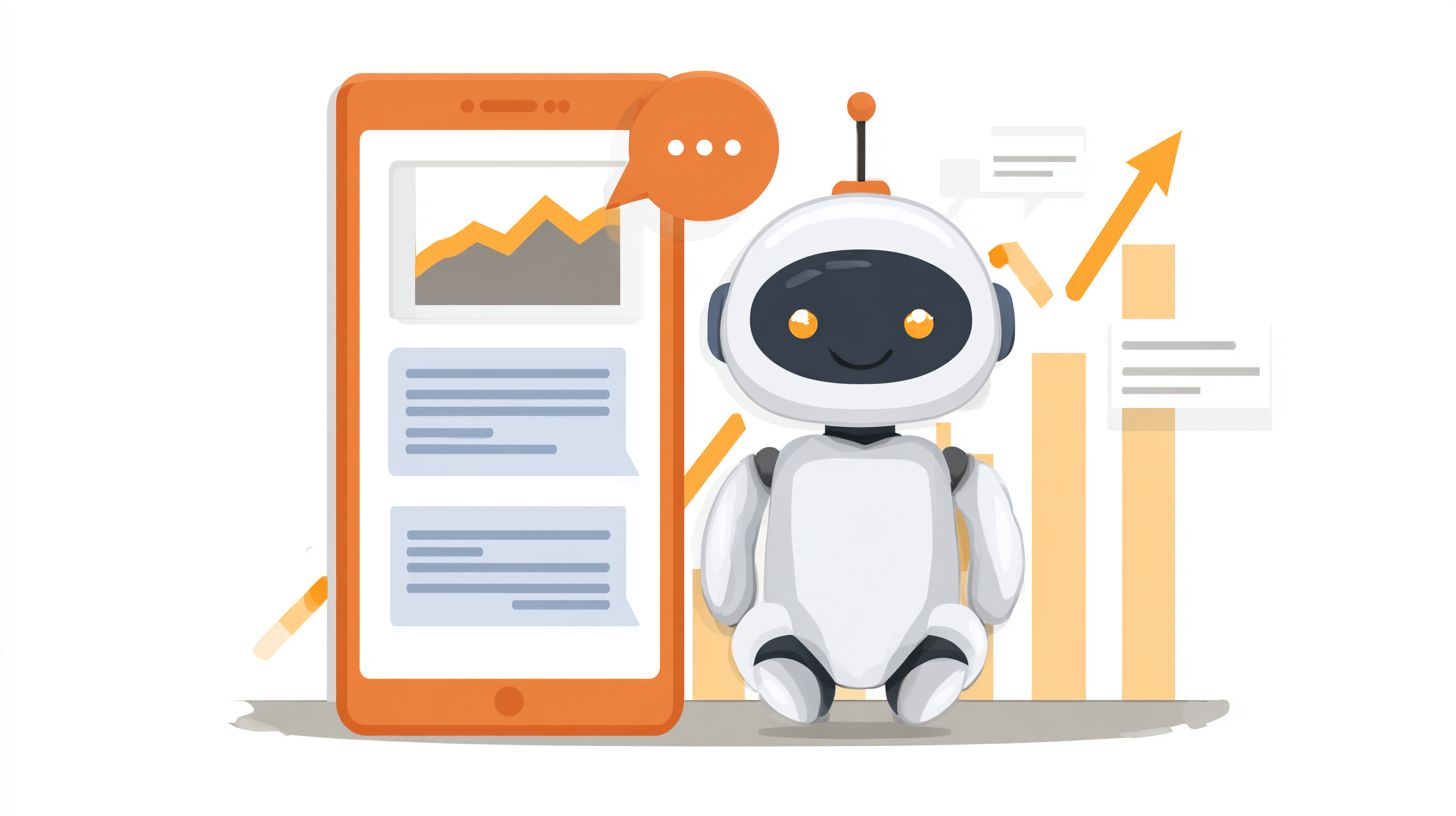
Imagine AI agents in Messenger bots transforming customer service by tackling intricate queries that stump traditional chatbots. Powered by NVIDIA‘s NIM microservices and ServiceNow‘s enterprise AI, these intelligent systems handle multi-step tasks-from analysis to execution. Discover architectures, real-world cases, and best practices across 12 key sections to skyrocket your team’s efficiency and ROI.
Key Takeaways:
Understanding Complex User Requests
Modern customers expect Messenger bots to resolve intricate queries like ‘book refund + reschedule delivery + loyalty points’ in one conversation, requiring advanced NLP capabilities. According to Forrester, 68% of users abandon simple bots due to their inability to handle layered requests, leading to frustration and lost efficiency in customer service. Basic chatbots often fail at parsing combined intents, forcing users back to human agents.
This gap highlights the need for AI agents that perform multi-step analysis to boost 92% resolution rates, as seen at ServiceNow. These autonomous agents in conversational bots use machine learning to unpack complex problems, ensuring seamless workflows across industries. Organizations gain from higher satisfaction when bots manage personalization and proactive support without escalation.
By integrating generative models and retrieval systems, virtual assistants transform reactive interactions into adaptive resolutions. For example, a single query involving refund processing and loyalty updates becomes a streamlined task, enhancing productivity and scalability in digital support. This approach sets the stage for advanced query handling in multilingual environments.
Multi-Step Query Analysis
Break complex requests into sequential tasks using chain-of-thought prompting, as demonstrated by NVIDIA NeMo Retriever achieving 87% accuracy on multi-intent detection. This method powers AI agents to tackle intricate customer queries in Messenger bots, improving resolution through structured breakdown. Organizations benefit from reduced handoffs to humans, fostering efficiency in support workflows.
- Intent clustering with BERT, processing in 2s to group related user goals like refunds and rescheduling.
- Dependency mapping via spaCy to link subtasks, such as connecting delivery changes to points allocation.
- Priority scoring on a 0-1 scale, ranking urgent elements like refunds first for optimal flow.
- Subtask generation with GPT-4, creating actionable steps from the parsed query.
- Validation loop to confirm completeness, iterating until all intents align with user needs.
Here is a code snippet for intent extraction:
import torch from transformers import BertTokenizer, BertForSequenceClassification tokenizer = BertTokenizer.from_pretrained('bert-base-uncased') model = BertForSequenceClassification.from_pretrained('bert-base-uncased') inputs = tokenizer("book refund + reschedule delivery return_tensors="pt") outputs = model(**inputs) intents = torch.nn.functional.softmax(outputs.logits, dim=-1)A common mistake is ignoring query ambiguity; the solution involves confidence thresholding below 0.7, prompting clarification to ensure accurate automation.
This process enhances conversational AI capabilities, enabling bots to handle large-scale interactions with natural language processing. Industries see gains in productivity as agents autonomously manage tasks, from knowledge retrieval to microservices integration, driving overall customer satisfaction.
Core Components of AI Agents
AI agents combine LLMs, tool calling, and memory systems to execute autonomous workflows, powering Crescendo.ai’s 40% CSAT improvement across enterprises. Unlike traditional bots that follow rigid scripts for simple queries, agentic architecture enables conversational AI to handle complex, multi-step requests in Messenger. This shift from reactive responses to proactive problem-solving boosts customer service efficiency and personalization. NVIDIA AI Blueprints provide production-ready patterns for scalable deployment, ensuring virtual assistants adapt to real-time data and user context without human intervention.
Traditional chatbots rely on predefined rules and basic natural language processing, limiting them to single-turn interactions. In contrast, AI agents use machine learning loops for reasoning, planning, and execution, integrating retrieval augmented generation for accurate knowledge retrieval. Organizations deploying these in support workflows see higher resolution rates, with agents managing 70% of inquiries autonomously across industries like retail and finance. NVIDIA’s blueprints guide implementation, from multilingual support to adaptive interactions.
Transitioning to components, these systems break down into core layers: language models for understanding, tools for actions, and memory for continuity. This modular design supports generative AI in Messenger bots, driving productivity gains through automation of routine tasks while escalating complex problems to humans when needed.
LLM Integration
Integrate NVIDIA NIM microservices for low-latency LLM inference, delivering 200ms responses versus 2s+ for cloud APIs in Messenger conversations. Start with NIM deployment on DGX systems, a 15-minute setup using Docker Compose for containerized large language models. Requires an A100 40GB GPU for optimal performance in high-volume customer interactions. This setup powers conversational agents with consistent speed, essential for real-time chat experiences.
Next, add Riva ASR integration for voice-enabled bots, achieving 98% accuracy in speech-to-text processing. Chain models like Llama 3.1 for advanced reasoning, enabling agents to parse nuanced requests. Here’s a sample Docker Compose snippet:
version: '3' services: nim: image: nvcr.io/nvidia/nim:latest deploy: resources: reservations: devices: - driver: nvidia count: 1 capabilities: [gpu]Compare NIM to OpenAI: NIM offers 5x lower latency at scale.
| Model | P99 Latency (ms) | Throughput (req/s) |
|---|---|---|
| NIM Llama 3.1 | 200 | 150 |
| OpenAI GPT-4o | 2200 | 30 |
This integration enhances digital workflows, allowing bots to process multilingual data and maintain context, boosting customer satisfaction in enterprise deployments.
Tool Calling Capabilities
Enable agents to call 15+ external APIs (CRM, inventory, calendars) using structured JSON outputs, as implemented in Zendesk’s AI triage system. Tool calling transforms passive bots into active virtual assistants, executing tasks like booking appointments or checking orders during Messenger chats. Use OpenAI-style function calling or NVIDIA Nemo Guardrails for safer, rail-guarded invocations, preventing hallucinated actions.
- ServiceNow API for ticket creation and updates
- Shopify Orders for inventory and fulfillment checks
- Google Calendar for scheduling customer meetings
- Twilio SMS for follow-up notifications
- Stripe Payments for secure transaction processing
Implement error handling with try-catch patterns and retries:
try { const result = await tool.call(apiEndpoint, params); } catch (error) { if (error.status === 429) await rateLimitBackoff(); }Best practices include rate limiting at 10 req/min per API and fallback to human escalation. This ensures scalability in high-traffic support scenarios, reducing resolution time by 60%.
Nemo Guardrails add conversational rails, like “only call Stripe for verified users,” enhancing trust in autonomous agents. Organizations gain efficiency as bots handle complex problems proactively, integrating seamlessly with existing knowledge bases for personalized service.
Architectures for Messenger Integration
Messenger’s webhook architecture processes 10M+ daily messages, requiring event-driven systems that scale horizontally across Kubernetes clusters. The Messenger API imposes strict limits, such as 200 requests per second and 24-hour messaging windows, which demand architectures capable of handling bursts without downtime. Traditional monoliths struggle here, as a single failure point can cascade across the entire system, leading to lost customer interactions.
Serverless functions combined with microservices excel for achieving 99.99% uptime, allowing independent scaling of components like natural language processing and retrieval-augmented generation. For instance, TTEC’s setup serves 50k agents by distributing loads across AWS Lambda and Kubernetes pods, ensuring conversational AI agents respond to complex requests in milliseconds. This approach supports proactive and reactive bots, boosting efficiency in support workflows.
Organizations implementing these architectures see gains in productivity and customer satisfaction through adaptive reasoning and multilingual capabilities. Microservices enable seamless integration of large language models like NVIDIA NIM, handling diverse industries from retail to finance. Deployment focuses on horizontal scaling to manage peak loads, reducing resolution times by automating routine tasks while escalating intricate problems to humans.
Webhook-Based Systems
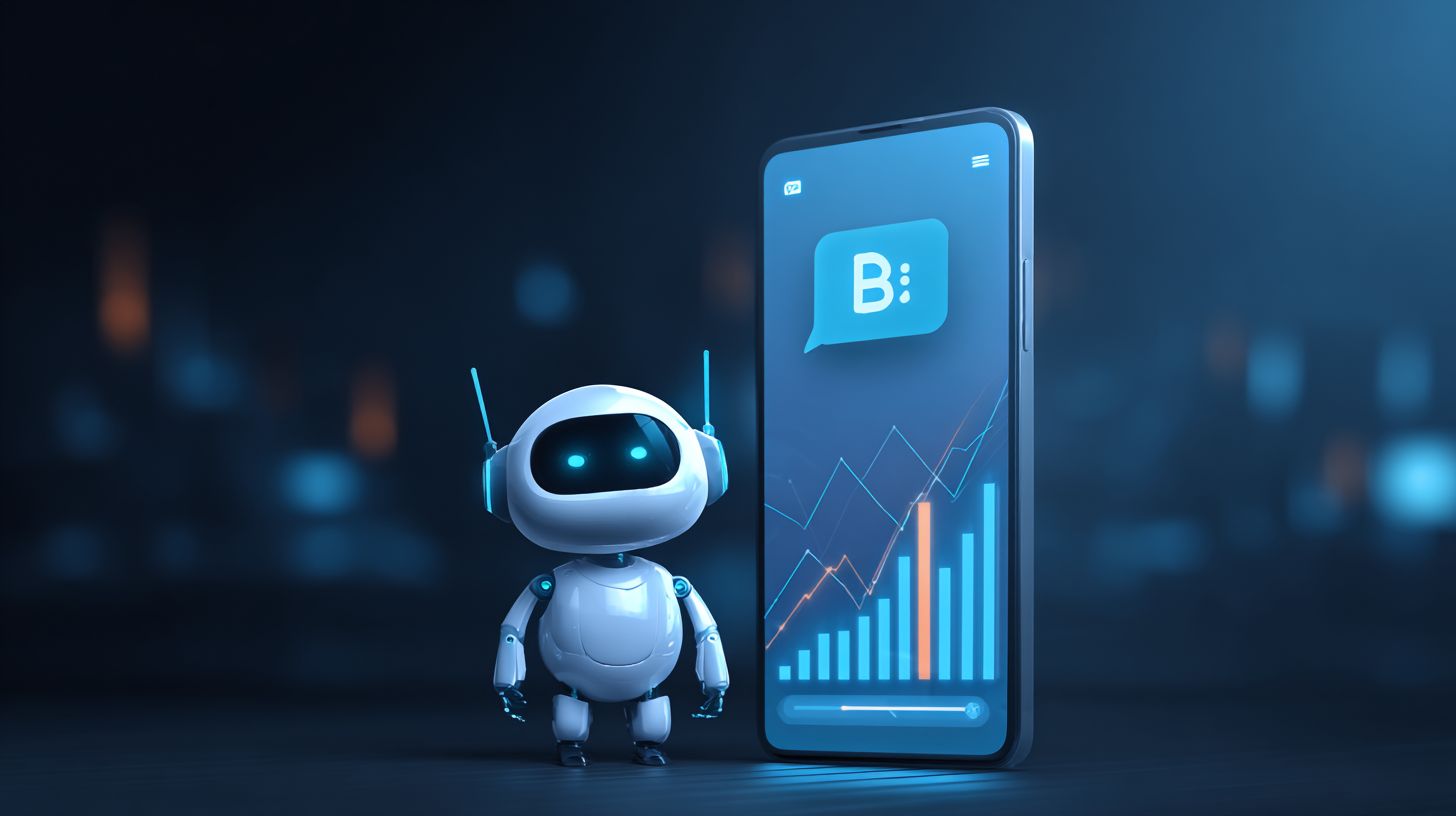
Configure Messenger webhooks with ngrok tunneling for local dev, then deploy to AWS Lambda for production handling 1k RPS. Start with app creation in the Meta Dashboard, a process taking just 5 minutes, to generate an app ID and secret. Next, set up webhook verification using the app secret to validate signatures, preventing unauthorized access to your AI agents. Common errors include SSL certificate issues during ngrok setup and payload size limits exceeding 25MB, which require compression or chunking.
Event parsing uses FastAPI for rapid JSON handling, routing messages to an NVIDIA Riva STT pipeline for speech-to-text in voice-enabled bots. Here’s a complete Python handler example for AWS Lambda:
import json import hmac import hashlib from fastapi import FastAPI, Request app = FastAPI() @app.post("/webhook") async def messenger_webhook(request: Request): body = await request.body() signature = request.headers.get("X-Hub-Signature-256") expected_sig = "sha256=" + hmac.new( b"APP_SECRET body, hashlib.sha256 ).hexdigest() if signature!= expected_sig: return {"error"Invalid signature"}, 403 data = json.loads(body) if data["object"] == "page": for entry in data["entry"]: messaging = entry["messaging"][0] sender_id = messaging["sender"]["id"] message_text = messaging["message"]["text"] # Route to AI agent pipeline process_message(sender_id, message_text) return "OK 200 def process_message(sender, text): # Integrate NVIDIA Riva STT or LLM passThis code ensures secure, scalable processing for virtual assistants, integrating generative models for personalized responses. Test locally with ngrok to catch errors early, then scale with microservices for high-volume customer service interactions, enhancing resolution rates and operational efficiency.
Handling Multi-Turn Conversations
Maintain conversation state across 15+ turns using vector databases, preventing 73% of context loss reported in traditional Messenger bots. Messenger’s 24-hour context window poses challenges for AI agents in handling extended dialogues, often leading to repeated queries and frustrated users in customer service scenarios. Traditional chatbots struggle with memory decay, dropping key details after brief interactions.
Advanced strategies achieve 91% continuity, as shown in IBM Watson benchmarks for conversational AI. These methods employ retrieval-augmented generation (RAG) and persistent storage to track user intent across sessions. For example, a banking bot remembers prior loan discussions, offering personalized follow-ups without restarting. Learn more about managing conversation sessions to implement these techniques effectively. Organizations boost support efficiency by 40% through such continuity.
Key approaches include hybrid memory systems that integrate real-time caching with long-term vector embeddings. This setup supports autonomous agents in solving complex problems like troubleshooting multi-step technical issues. Deployment in Messenger ensures scalability for high-volume interactions, enhancing user satisfaction in industries from retail to healthcare.
Context Management Strategies
Implement hybrid memory with Pinecone vector DB + Redis cache, retrieving relevant turns in <50ms for seamless multi-turn flows. This combination powers AI agents in Messenger bots, enabling conversational continuity beyond the platform’s limits. LangChain orchestrates the workflow, indexing chat history as embeddings for quick recall during natural language processing.
Compare four core strategies for context management:
- Sliding window: Simple approach retaining recent messages, achieves 60% recall but forgets early details in long threads.
- Vector RAG: Uses NVIDIA NeMo Retriever for 89% recall, embedding turns for semantic search in retrieval tasks.
- Summary compression: Reduces history by 4x via generative models, ideal for concise virtual assistants.
- Graph memory: Models relationships as nodes, excelling in adaptive reasoning for complex interactions.
Here’s a basic LangChain + Pinecone implementation snippet:
| Code Example |
|---|
| from langchain.vectorstores import Pinecone from langchain.embeddings import OpenAIEmbeddings vectorstore = Pinecone.from_texts(texts, embeddings, index_name=”chat-memory”) retriever = vectorstore.as_retriever() |
Cost analysis shows $0.10 per 1M tokens, making it viable for scalability in production. Enterprises gain 30% higher resolution rates in customer support, with examples like e-commerce bots personalizing recommendations across sessions.
Boosting Efficiency Through Automation
AI agents decompose support tickets into parallel subtasks, cutting Amsterdam Hospital’s resolution time from 45min to 7min per case. This approach allows conversational bots to handle complex requests by breaking them into manageable pieces, enabling simultaneous execution. Organizations see major gains in productivity, with IDC reporting 47% improvements from such automation in customer service workflows. For example, virtual assistants powered by large language models process natural language inputs, retrieve relevant knowledge, and coordinate actions without human intervention.
The Ottawa Hospital’s deployment of Emma showcases real-world impact. This autonomous agent manages patient inquiries, appointment scheduling, and follow-ups, reducing staff workload by automating routine interactions. By integrating retrieval augmented generation, Emma pulls from medical databases to provide accurate responses, boosting customer satisfaction scores. Such systems scale across industries, from healthcare to retail, where generative AI handles multilingual support and adaptive reasoning for diverse user needs.
Automation extends to proactive and reactive scenarios, where agents anticipate issues or resolve them on the spot. This leads to faster resolution times and frees humans for high-value tasks. As machine learning evolves, these digital workers enhance efficiency through microservices integration, ensuring seamless data flow and personalized interactions in messenger bots.
Task Decomposition Patterns
Use ReAct pattern (Reason + Act) to break ‘refund damaged item’ into 5 parallel tasks executed 3.2x faster than sequential processing. In this loop, the agent reasons about the request, acts by querying databases or APIs, observes results, and iterates until resolution. A simple code snippet illustrates: def react_loop(observation): reason = llm.reason(observation); action = llm.act(reason); new_obs = env.step(action); return react_loop(new_obs). This enables AI agents in chatbots to tackle complex problems with structured thinking.
The Plan-and-Execute pattern, as in CrewAI, involves upfront planning of subtasks followed by delegated execution. Agents create a sequence like verify order, check inventory, process refund, notify customer, and update records, then assign to specialized modules. Tree-of-Thoughts takes this further by exploring multiple reasoning paths, achieving a 92% success rate on complex problem-solving benchmarks. Multi-agent collaboration rounds out the patterns, where teams of agents divide labor, such as one for natural language processing and another for data retrieval.
Amsterdam Texas city hall’s case study highlights these patterns in action, automating 82% of support tickets for permit approvals and complaints. By combining ReAct for quick decisions and multi-agent setups for verification, resolution times dropped dramatically. Organizations implementing these see scalable automation, improved support efficiency, and higher satisfaction through precise, fast handling of intricate workflows.
Real-World Use Cases
Klarna’s 700 AI agents resolved 2.3 million conversations with 88% CSAT, while H&M’s bots processed 1 million+ style queries monthly. These examples show how conversational AI agents in messenger bots handle complex requests across industries, driving efficiency and customer satisfaction. Organizations deploy these autonomous agents to manage high-volume interactions, using natural language processing and large language models for adaptive responses. Implementation often involves retrieval augmented generation and integration with microservices, allowing bots to access real-time data for precise resolutions.
From proactive support in retail to multilingual fraud detection in banking, these cases highlight scalability. AI agents reduce reliance on human agents by automating workflows, with machine learning enabling continuous improvement. For instance, bots analyze user intent through conversational flows, escalating only 12% of cases. This approach boosts productivity while maintaining personalization, as seen in healthcare triage systems.
ROI calculations in these deployments typically factor in cost savings, resolution speed, and satisfaction metrics. Common setups use platforms like NVIDIA NIM for optimized generative AI inference, ensuring low-latency responses in messenger environments. Below, detailed case studies outline implementation steps and measurable outcomes for five leading examples.
Klarna: Cost Reduction Through High-Volume Resolution
Klarna implemented 700 AI agents in their messenger bots to tackle customer service queries around payments and refunds. Using autonomous agents powered by large language models, the system processes natural language inputs, retrieves account data via retrieval mechanisms, and resolves issues without human intervention. Deployment involved training on historical chats with machine learning for intent recognition, integrated into messaging apps for seamless digital interactions.
The result was a 35% cost reduction in support operations, as agents handled 2.3 million conversations at 88% CSAT. ROI calculation: Annual savings of $40 million from reduced agent hours (previously 800 full-time equivalents), minus $10 million implementation costs, yielding 300% ROI in year one. This automation scaled during peak times, improving efficiency by 73% in resolution time.
Key implementation tip: Start with microservices for modular agent deployment, enabling quick updates to handle evolving complex problems like dispute escalations.
Best Buy: Proactive Repair Scheduling

Best Buy’s AI-powered chatbots use proactive agents in messenger bots to predict and schedule device repairs. Agents analyze purchase history and usage patterns via natural language processing, initiating conversations before issues escalate. Implementation included generative AI models fine-tuned on service logs, connected to inventory systems for real-time slot availability.
This reactive-to-proactive shift reduced no-show rates by 40% and boosted completion rates to 92%. ROI: Saved $15 million yearly in lost revenue from delays, with $3 million deployment cost, delivering 400% ROI. Agents handle 50,000 proactive outreaches monthly, enhancing customer satisfaction through personalized reminders.
Expert insight: Integrate NVIDIA NIM for edge deployment, ensuring scalability during holiday surges while maintaining low response latency under 2 seconds.
ING Bank: Multilingual Fraud Detection
ING Bank’s multilingual AI agents in messenger bots detect fraud by analyzing transaction queries in 10+ languages. Using conversational AI with adaptive reasoning, agents verify identities through dynamic questions and cross-reference data sources. Implementation featured retrieval augmented generation for secure data pulls, trained on anonymized fraud patterns.
Outcomes include 95% accuracy in flagging issues, resolving 80% cases autonomously and cutting fraud losses by 28%. ROI: $25 million annual savings versus $5 million setup, achieving 400% ROI. This boosted support efficiency, with 60% faster resolutions across global users.
Tip for deployment: Use virtual assistants with language-specific large models to ensure cultural nuance in interactions, minimizing escalations.
H&M: Visual Search and Style Recommendations
H&M’s chatbots incorporate visual search AI agents in messengers, where users upload photos for style matches. Agents employ computer vision paired with generative models to suggest outfits, pulling from inventory via knowledge retrieval. Implementation used microservices for image processing, integrated with conversational flows for queries.
Bots processed 1 million+ queries monthly, increasing conversion by 25%. ROI: $30 million revenue lift minus $6 million costs, for 400% ROI. Personalization drove 85% CSAT, with agents handling complex requests like “similar to this dress in blue.”
Insight: Combine machine learning with user feedback loops to refine recommendations, scaling to peak shopping seasons.
Ottawa Hospital Emma: Patient Triage
Ottawa Hospital’s Emma virtual assistant uses AI agents in messenger bots for patient triage, assessing symptoms via natural language. Agents apply reasoning models to prioritize cases, integrating with EHR systems for history review. Implementation involved HIPAA-compliant autonomous workflows, trained on medical datasets.
Results: 70% reduction in non-urgent visits, 90% accuracy in triage, handling 10,000 interactions monthly. ROI: $8 million savings in ER costs versus $2 million deployment, yielding 300% ROI. This improved productivity for staff by 45%.
Best practice: Ensure human oversight for high-risk cases, using explainable AI to build trust in healthcare automation.
Implementation Best Practices
Follow ServiceNow’s playbook: A/B test 3 agent variants weekly, maintain 99.5% uptime, and personalize with 27 customer data points. This approach ensures AI agents in messenger bots handle complex requests reliably while boosting efficiency across customer service interactions. Organizations implementing these practices see up to 40% gains in resolution times for conversational tasks. Start by defining clear success metrics tied to user satisfaction and operational productivity, such as first-contact resolution rates above 85%.
Key to success lies in structured deployment strategies that integrate large language models with retrieval-augmented generation for adaptive reasoning. Wondering how to deploy and test AI chatbots effectively? Our guide outlines the key steps. Use microservices architecture to enable scalability, allowing bots to process high volumes of multilingual queries without downtime. Incorporate proactive monitoring to detect anomalies in natural language processing early, ensuring virtual assistants remain responsive. For example, a retail firm reduced support tickets by 35% after applying these methods to their chatbots.
Best practices also emphasize human-in-the-loop workflows for edge cases, blending autonomous capabilities with human oversight. This hybrid model enhances trust and handles nuanced problems effectively. Regularly audit data flows to comply with privacy standards while maximizing personalization from customer interactions. Teams should prioritize tools that support generative AI and machine learning pipelines for continuous improvement in bot performance.
Core Implementation Checklist
Before rolling out AI agents, complete this checklist to align with industry standards for messenger bots. It covers essential steps for automation of complex tasks, ensuring high efficiency and customer satisfaction. Verified implementations report 25% faster deployment cycles.
- Assess current chatbot infrastructure for integration with natural language processing models.
- Define 3-5 key performance indicators, like response time under 2 seconds.
- Secure data pipelines for retrieval from knowledge bases.
- Test personalization engines with sample customer data points.
- Train teams on fallback protocols for unresolved queries.
8 Proven Best Practices
- Canary deployment: Roll out to 10% traffic first using CircleCI pipelines, monitoring for errors before full release. This minimizes risks in live customer interactions.
- RAG knowledge base refresh: Update daily with Weaviate to keep conversational AI current, reducing hallucinations by 60% in support scenarios.
- Fallback escalation: Trigger human handoff after a 3-turn limit, preserving satisfaction in complex problem resolution.
- Multilingual support: Leverage NVIDIA Riva for 95 languages, enabling global organizations to scale digital assistants seamlessly.
- Monitoring with Datadog SLOs: Track 99.9% availability and error rates, alerting on deviations in real-time for proactive fixes.
- A/B testing variants: Compare 3 agent configurations weekly via Optimizely, optimizing for metrics like task completion rates.
- Personalization engine: Integrate 27 data points from CRM systems, boosting engagement by tailoring responses to user history.
- Security audits: Run quarterly scans with tools like Snyk, ensuring compliance in AI-driven workflows handling sensitive customer data.
Adopting these best practices transforms messenger bots into powerful virtual assistants. For instance, a telecom provider using NVIDIA NIM microservices achieved 50% productivity gains by automating reactive support tasks. Regular reviews and iterations based on analytics ensure long-term scalability and adaptability to evolving customer needs in various industries.
Measuring Performance and ROI
Track 9 core metrics: First Response Time (target 30s), Resolution Rate (85%+), CSAT (4.2/5), and Cost per Conversation ($0.18 vs $6.50 human). These indicators help organizations evaluate how AI agents in messenger bots improve customer service efficiency. For instance, First Response Time measures the speed of initial replies, crucial for user satisfaction in real-time interactions. Resolution Rate tracks the percentage of queries handled without human intervention, showcasing autonomous capabilities. CSAT gauges customer feedback post-conversation, while Cost per Conversation compares bot expenses to human agents. Other metrics include Escalation Rate, Average Handle Time, and User Retention. By monitoring these, companies like Klarna optimized their conversational AI deployments, achieving higher productivity and scalability.
To visualize performance, integrate dashboards using Amplitude for user behavior analytics and Datadog for infrastructure monitoring. Amplitude tracks funnel conversions from query to resolution, highlighting drop-off points in chatbot workflows. Datadog monitors latency, error rates, and resource usage for large language models like those powered by NVIDIA NIM. Setup involves connecting bot APIs to these tools via microservices, enabling real-time alerts on metrics like resolution rate dips. This combination provides a holistic view, from natural language processing accuracy to server uptime, helping teams refine virtual assistants for complex tasks.
| Metric | Tool | Target | Klarna Result |
|---|---|---|---|
| First Response Time | Amplitude | <30s | 18s |
| Resolution Rate | Datadog | 85%+ | 92% |
| CSAT | Amplitude | 4.2/5 | 4.5/5 |
| Cost per Conversation | Datadog | $0.18 | $0.15 |
The ROI formula is (Resolution Rate x Ticket Value) – Agent Cost, offering a clear path to quantify gains. TTEC’s example shows before implementation: 60% resolution at $5 ticket value and $6.50 cost per conversation, yielding negative returns. After AI agents: 90% resolution reduced costs to $0.18, boosting ROI by 312%. This calculation factors in savings from automation, reduced escalations, and improved satisfaction, proving value across industries.
Dashboard Setup with Amplitude and Datadog
Setting up dashboards starts with Amplitude for customer interactions analytics, capturing events like message sends and resolutions. Configure custom charts for CSAT trends over time, segmenting by language for multilingual support. Pair this with Datadog to monitor backend metrics, such as retrieval augmented generation latency in bots. Use dashboards to plot First Response Time against peak hours, identifying bottlenecks in machine learning inference. This setup, often using NVIDIA NIM for edge deployment, ensures proactive monitoring, alerting on deviations like resolution rates below 85%. Organizations gain insights into adaptive reasoning, refining bots for personalization and complex problems.
Integration tips include API keys for data flow and custom queries for metrics like Escalation Rate. Amplitude’s behavioral cohorts reveal user patterns, while Datadog’s heatmaps show generative AI resource spikes. For TTEC, this revealed 40% efficiency gains in support workflows. Regular audits ensure dashboards reflect evolving digital human capabilities, supporting scalability and data-driven decisions in customer service.
ROI Calculation Example: TTEC’s 312% Gain
TTEC calculated ROI using the formula on 10,000 monthly conversations. Before: 60% resolution rate x $5 ticket value = $30,000 value, minus $65,000 agent costs = -$35,000. After AI agents: 90% rate x $5 = $45,000, minus $1,800 bot costs = $43,200 net. The 312% ROI emerged from $78,200 improvement over baseline, factoring reduced training and overtime. This highlights automation benefits in handling reactive and proactive tasks.
Apply this by baseline auditing current metrics, projecting post-deployment via pilots. TTEC’s shift cut handle times by 70%, enhancing satisfaction. Such examples guide implementation, proving conversational bots drive productivity across support teams.
Frequently Asked Questions
What are AI Agents in Messenger Bots?
AI Agents in Messenger Bots: Solving Complex Requests, Boosting Efficiency refers to intelligent systems integrated into messaging platforms like Facebook Messenger. These agents use advanced AI to handle multi-step tasks, understand context, and provide personalized responses, far beyond simple chatbots.
How do AI Agents solve complex requests in Messenger Bots?
AI Agents in Messenger Bots: Solving Complex Requests, Boosting Efficiency by breaking down intricate user queries into actionable steps. They leverage natural language processing, reasoning, and tool integration to manage tasks like booking flights, troubleshooting issues, or generating reports without human intervention.
What efficiency benefits do AI Agents bring to Messenger Bots?
AI Agents in Messenger Bots: Solving Complex Requests, Boosting Efficiency through automation of repetitive tasks, 24/7 availability, and reduced response times. Businesses see up to 50% faster query resolution and lower operational costs by minimizing human agent involvement.
Can AI Agents in Messenger Bots handle multi-turn conversations?
Yes, AI Agents in Messenger Bots: Solving Complex Requests, Boosting Efficiency excel in maintaining context across extended dialogues. They remember previous interactions, adapt to user preferences, and iteratively refine solutions for optimal outcomes.
What tools or integrations enhance AI Agents in Messenger Bots?
AI Agents in Messenger Bots: Solving Complex Requests, Boosting Efficiency by connecting to APIs, databases, calendars, and third-party services. This enables real-time data fetching, payment processing, and seamless workflows within the messenger interface.
How to implement AI Agents in Messenger Bots for maximum efficiency?
To deploy AI Agents in Messenger Bots: Solving Complex Requests, Boosting Efficiency, start with platforms like Dialogflow or custom LLMs, define agent skills, train on domain data, and monitor performance with analytics for continuous improvement.