Real-Time Engagement: Importance and Chatbot Applications
Ever wonder why some online interactions feel instant and seamless while others leave you waiting? Real-Time Engagement is key to keeping users hooked in today’s fast-paced digital world. In this piece on Real-Time Engagement: Importance and Chatbot Applications, you’ll see how chatbots make it happen, from boosting satisfaction to driving conversions.
Key Takeaways:
- 1 Defining Real-Time Engagement
- 2 Importance in Digital Interactions
- 3 Chatbots as Real-Time Tools
- 4 Primary Chatbot Applications
- 5 Technical Foundations
- 6 Implementation Best Practices
- 7 Frequently Asked Questions
- 7.1 What is Real-Time Engagement: Importance and Chatbot Applications?
- 7.2 Why is Real-Time Engagement important in today’s digital landscape?
- 7.3 How do chatbots enable Real-Time Engagement?
- 7.4 What are the key benefits of using chatbots for Real-Time Engagement?
- 7.5 In which industries are Real-Time Engagement and Chatbot Applications most effective?
- 7.6 How can businesses implement Real-Time Engagement using Chatbot Applications?
Defining Real-Time Engagement

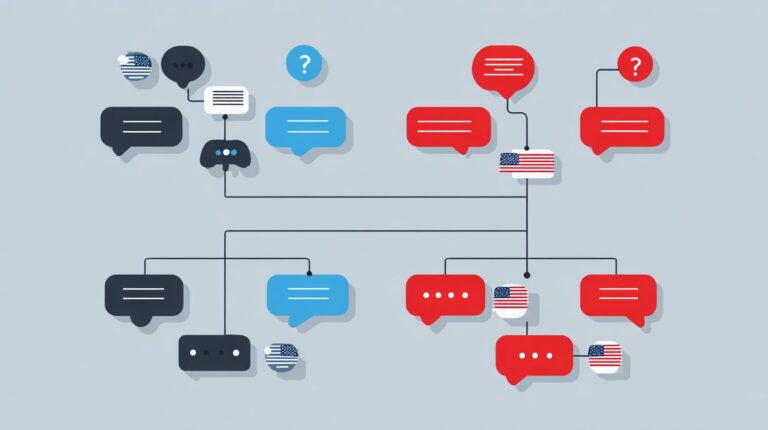
Real-time engagement refers to immediate, interactive exchanges that mimic natural human conversations in digital environments. This approach keeps users connected through instant responses and fluid interactions. It forms the backbone of modern digital strategies in areas like customer service and e-commerce.
In practice, real-time engagement happens when a website visitor asks a question and receives an answer right away. Businesses use it to build trust and satisfaction during live sessions. Tools like chatbots make this possible by handling queries without delay.
The concept emphasizes continuous interaction over one-way broadcasts. Users expect quick feedback, much like talking face-to-face. This sets the stage for exploring its role in Real-Time Engagement: Importance and Chatbot Applications.
Understanding real-time engagement helps companies adapt to fast-paced online behaviors. It turns passive browsing into active dialogues. From there, core traits and metrics provide ways to implement and measure it effectively.
Core Characteristics
Real-time engagement stands out through its speed, context-awareness, and bidirectional flow. These traits ensure interactions feel natural and efficient. They distinguish it from slower, automated replies.
Sub-second response times deliver answers almost instantly, preventing user frustration. For example, a chatbot on an online store responds to size queries in under a second. This speed keeps conversations moving smoothly.
Personalization draws from user history to tailor replies, such as suggesting products based on past purchases. Seamless multi-channel support syncs chats across web and mobile apps. A customer starting on desktop can continue on phone without repeating details.
Bidirectional flow allows users and systems to exchange information freely. Think of a support bot asking follow-up questions in real time. These characteristics make real-time engagement vital for chatbot applications.
Key Metrics and Measures
Track real-time engagement success with targeted metrics that reveal interaction quality and efficiency. Focus on data that shows how well conversations meet user needs. These measures guide improvements in chatbot performance.
Average response time should aim for under one second to maintain momentum. Monitor engagement duration to see how long users stay active in chats. Longer sessions often signal valuable exchanges.
- Resolution rate per session: Percentage of queries solved without escalation.
- User retention post-interaction: Return visits after positive chats.
- Conversion rate: Actions like purchases completed during or right after engagement.
Use tools such as Google Analytics real-time reports or Mixpanel to capture this data. Review these metrics regularly to refine strategies. They highlight strengths in real-time engagement and areas for chatbot enhancements.
Importance in Digital Interactions
In today’s fast-paced digital world, real-time engagement transforms passive browsing into active connections. Users expect quick responses, and businesses that deliver them build trust faster. This immediacy keeps interactions fresh and relevant.
Immediacy drives better outcomes by reducing frustration from delays. Customers stay engaged when help arrives instantly, preventing drop-offs. Businesses gain from higher retention and positive word-of-mouth.
Unique benefits include personalized touchpoints for users, like instant answers to questions. For companies, it means capturing attention when it peaks. Chatbot applications shine here, handling queries around the clock.
Experts recommend focusing on context-aware responses to mimic human conversation. This approach fosters loyalty in digital spaces. Real-time tools turn one-off visits into lasting relationships.
Enhancing User Satisfaction
Users feel valued when interactions happen instantly, leading to smoother experiences and stronger loyalty. A quick reply to a question makes them feel heard. This builds emotional connections over time.
Consider a relatable scenario: resolving a billing query during checkout. A chatbot spots the issue and fixes it on the spot, avoiding cart abandonment. Users complete purchases happily, associating the brand with ease.
Offer tips like using sentiment analysis to tailor responses emotionally. Detect frustration in messages and respond with empathy, such as “I understand this is upsetting, let’s sort it now.” This personalization boosts satisfaction.
Chatbots excel by providing 24/7 availability, matching user needs anytime. Train them on common pain points for proactive help. Satisfied users return often and recommend the service.
Boosting Conversion Rates

Timely interventions guide users toward decisions, turning interest into action more effectively. Real-time prompts catch users at key moments. This direct approach increases completed actions.
Mechanisms like abandonment recovery prompts work well. If a user leaves a cart, a chatbot sends “Need help with that item?” right away. Many return to finish, especially in e-commerce.
Personalized product recommendations in real time also drive sales. Tools like Intercom or Drift analyze behavior and suggest matches instantly, such as “Users like you added this next.” E-commerce sites see users act on these cues.
Focus on urgency in responses to nudge conversions. Pair chatbots with dynamic offers based on live data. Businesses find this method turns browsers into buyers consistently.
Chatbots as Real-Time Tools
Chatbots excel as real-time engagement engines by delivering human-like responses at machine scale. They process natural language inputs instantly, using advanced algorithms to maintain context across conversations. This technical edge sets them apart in Real-Time Engagement: Importance and Chatbot Applications.
Built on cloud-native infrastructures, chatbots scale effortlessly to thousands of simultaneous users. They connect with APIs for seamless data pulls, ensuring responses stay relevant and timely. Businesses gain a competitive advantage through this always-on capability.
For customer service, chatbots handle routine inquiries like order status checks or password resets without human intervention. In sales, they qualify leads by asking targeted questions in real time. This fosters immediate value exchange between brands and users.
Experts recommend deploying chatbots on platforms that support event-driven processing. For an extensive analysis of platform integration strategies that minimize overhead, enabling true real-time interactions. Practical examples include e-commerce sites using bots for live cart assistance during peak shopping hours.
Instant Response Capabilities
Chatbots respond in milliseconds, handling queries 24/7 without delays common in human staffing. Their architecture leverages serverless functions to eliminate cold starts and provisioning lags. This ensures sub-second interactions for enhanced user satisfaction.
WebSocket connections maintain persistent sessions, allowing bidirectional communication without repeated handshakes. Unlike polling methods, these keep channels open for instant message delivery. Users experience fluid conversations, much like texting a friend.
| Feature | Chatbot | Traditional Human Support |
|---|---|---|
| Response Time | <1s | 5-30min wait |
| Availability | 24/7 | Business hours only |
| Scalability | Unlimited concurrent users | Limited by staff |
Consider a banking app where a chatbot verifies transactions instantly via secure APIs. Or a travel site bot that checks flight availability and books seats mid-chat. These examples highlight how instant responses drive real-time engagement in practical scenarios.
Primary Chatbot Applications
Chatbots power key business functions through targeted real-time engagement applications. They handle interactions instantly across websites and apps. This approach boosts efficiency in various operations.
In customer support, chatbots resolve queries without delays. For sales, they qualify leads on the spot. These uses highlight the importance of real-time engagement in chatbot applications.
Businesses integrate chatbots with existing tools for seamless workflows. They analyze user inputs to provide relevant responses. This real-time capability drives better user experiences.
Common applications include support automation and lead handling. Each delivers distinct value through quick, context-aware interactions. Chatbots thus become essential for modern engagement strategies.
Customer Support Automation
Automate support to resolve common issues instantly, freeing agents for complex cases. Chatbots handle routine questions around the clock. This ensures users get help without waiting.
Start by mapping FAQs to intents in about 10-20 minutes. Identify frequent queries like order status or returns. Train the bot to recognize these patterns accurately.
- Integrate with systems like Zendesk or ticket platforms for smooth data flow.
- Use confidence scores to decide on escalations.
- Set human handover thresholds to avoid over-automation pitfalls.
For example, if a user asks about a refund, the bot checks details and processes it. Low confidence triggers agent transfer. This step-by-step method maintains service quality.
Lead Generation and Qualification
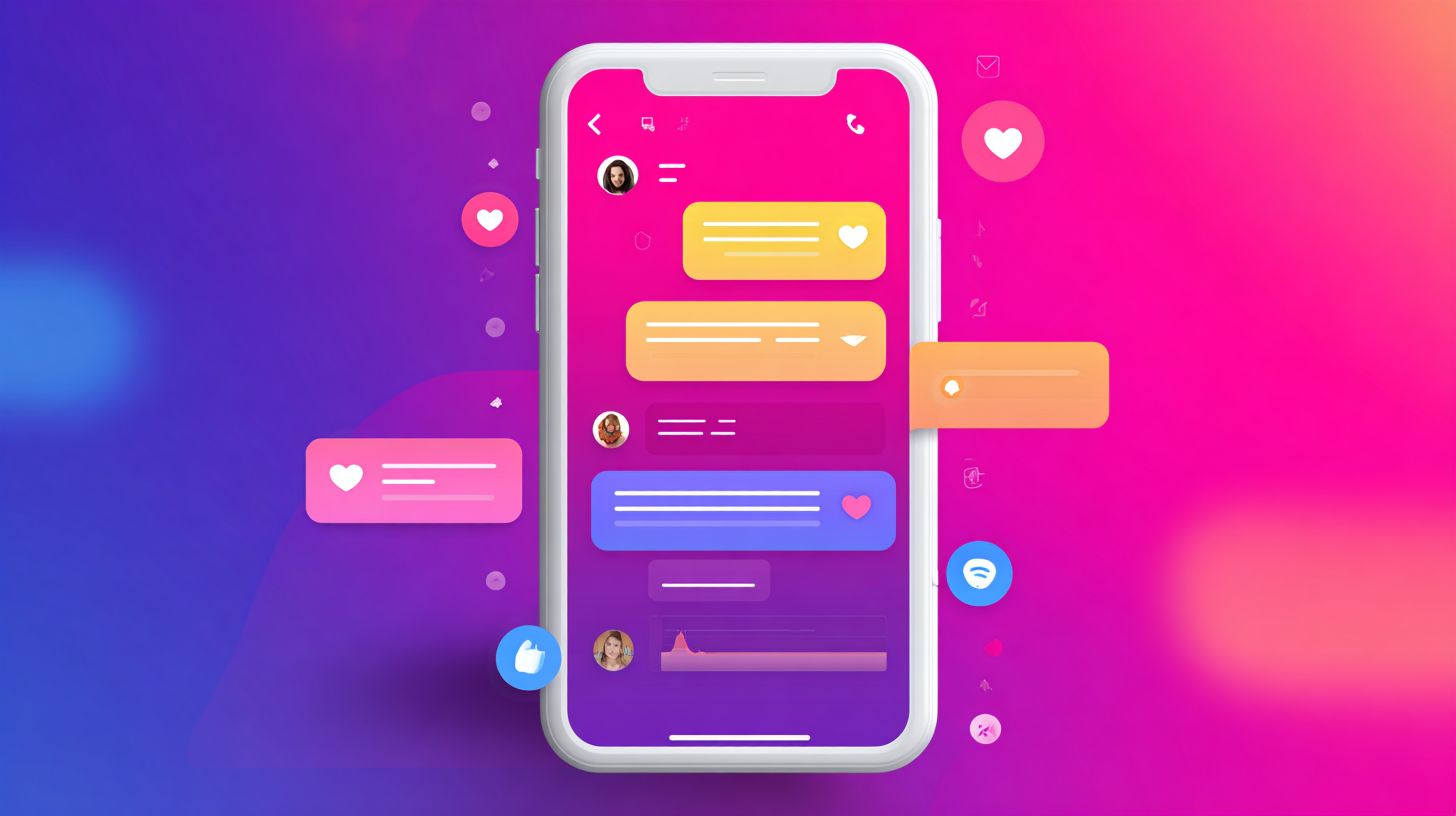
Capture and qualify leads proactively during site visits for higher pipeline efficiency. Chatbots engage visitors in real time. They turn passive browsing into active conversations.
Trigger the bot on specific page views, such as the pricing page. Ask targeted questions about budget and timeline. This qualifies interest quickly.
- Pose qualifying questions like “What’s your timeline?”
- Score responses based on fit.
- Route high-potential leads to CRM systems like HubSpot.
Example script: “Hi! Looking for [product]? What’s your timeline?” Follow with budget inquiry. This process nurtures leads effectively through real-time engagement.
Technical Foundations
Robust tech stacks enable chatbots to deliver reliable real-time engagement. These foundations combine processing power, data handling, and connectivity to ensure smooth interactions. They power performance in chatbot applications for businesses.
Key components include cloud infrastructure and APIs that handle high volumes of queries. For instance, integrating messaging platforms like WhatsApp or Slack allows instant responses. If interested in how these components achieve scalability, check out our guide on Cloud Infrastructure for Chatbots: AWS Elastic Load Balancing. This setup supports the importance of real-time engagement in customer service.
Scalability comes from serverless architectures, which adjust to traffic spikes without downtime. Developers often pair these with databases for storing conversation history. Such integrations keep chatbots responsive during peak hours.
Security layers, like encryption and authentication, protect user data in transit. Testing these stacks with simulated loads ensures reliability. Overall, strong technical foundations drive effective real-time engagement.
NLP and AI Integration
Natural Language Processing (NLP) and AI make chatbots understand and respond contextually. Tools like Google Dialogflow or OpenAI GPT excel at intent recognition. They parse user inputs to match business needs in real-time.
BERT models aid entity extraction, identifying details like names or dates accurately. Start integration by training on domain-specific data, which takes about one to two hours for basic setups. Use sample phrases from your industry to fine-tune accuracy.
- Train the model on domain data such as customer queries.
- Deploy via AWS Lambda for scalability and low latency.
- Test with over 100 utterances to refine responses.
This process ensures chatbots handle varied language naturally. For example, a retail bot recognizes “show me red shoes size 9” and pulls inventory instantly. Such integrations boost the importance of real-time engagement in applications.
Implementation Best Practices
Successful deployments follow proven strategies to maximize real-time engagement impact. Teams focus on user needs from the start. This approach ensures chatbots deliver value in Real-Time Engagement: Importance and Chatbot Applications.
Plan deployments with clear goals in mind. Map out user journeys to identify key interaction points. Regular reviews keep efforts aligned with business outcomes.
Integrate feedback early and often. Train teams on common pitfalls like overcomplicating flows. Simple, intuitive bots perform best in live settings.
Scale gradually after initial tests. Monitor performance across channels. This builds confidence in chatbot applications for sustained engagement.
Design and Deployment Strategies
Craft user-centric designs and seamless deployments for optimal chatbot performance. Begin with core elements to support real-time interactions. This sets a strong foundation for engagement.
Follow these numbered best practices for rollout:
- Start with conversation flows using tools like Botmock. Design one flow in about 30 minutes. Test simple paths like “book appointment” first.
- A/B test prompts to refine responses. Compare versions such as “How can I help?” versus “Tell me your issue.” Pick the one with higher completion rates.
- Monitor with Datadog for uptime reliability. Aim to maintain high availability. Set alerts for downtime to respond quickly.
- Iterate based on user feedback loops. Collect input via post-chat surveys. Adjust flows weekly to improve satisfaction.
A common mistake is ignoring mobile optimization. Ensure bots work on small screens with short messages. Test on various devices to catch issues early.
Deploy in stages, starting small. Expand after validating results. This minimizes risks in live real-time engagement scenarios.
Frequently Asked Questions
What is Real-Time Engagement: Importance and Chatbot Applications?
Real-Time Engagement: Importance and Chatbot Applications refers to the critical role of instant, interactive communication in enhancing user experiences, where chatbots serve as key tools for delivering immediate responses, personalized interactions, and seamless customer support across digital platforms.
Why is Real-Time Engagement important in today’s digital landscape?
Real-Time Engagement: Importance and Chatbot Applications highlights how immediacy builds trust, boosts satisfaction, and drives conversions by meeting users’ expectations for instant feedback, reducing wait times, and fostering ongoing conversations that keep audiences connected and engaged.
How do chatbots enable Real-Time Engagement?
In Real-Time Engagement: Importance and Chatbot Applications, chatbots facilitate 24/7 instant replies, natural language processing for contextual understanding, and automation of routine queries, ensuring users receive timely assistance without human delays, thus amplifying engagement efficiency.
What are the key benefits of using chatbots for Real-Time Engagement?
Real-Time Engagement: Importance and Chatbot Applications emphasizes benefits like scalability for high-volume interactions, cost savings over traditional support, data collection for insights, and personalized experiences that increase user retention and loyalty through swift, relevant responses.
In which industries are Real-Time Engagement and Chatbot Applications most effective?
Real-Time Engagement: Importance and Chatbot Applications shines in e-commerce for instant shopping help, customer service for quick resolutions, healthcare for preliminary consultations, and finance for secure real-time queries, transforming user interactions across sectors with speed and precision.
How can businesses implement Real-Time Engagement using Chatbot Applications?
To leverage Real-Time Engagement: Importance and Chatbot Applications, businesses should integrate AI-powered chatbots on websites, apps, and messaging platforms, train them on brand-specific data, monitor performance analytics, and iterate based on user feedback for optimal real-time interaction quality.