Best Practices for Social Media Chatbot Marketing
Running social media marketing? Chatbots can handle customer chats around the clock, but getting them right takes some know-how.
This guide covers best practices for setup, conversation design, and optimization to boost your engagement without the guesswork.
Key Takeaways:
- 1 Understanding Social Media Chatbots
- 2 Platform Selection and Integration
- 3 Designing Effective Conversations
- 4 Content and Messaging Strategies
- 5 Compliance and User Privacy
- 6 Optimization and A/B Testing
- 7 Performance Analytics and KPIs
- 8 Scaling and Maintenance Best Practices
- 9 Frequently Asked Questions
- 9.1 What are the Best Practices for Social Media Chatbot Marketing?
- 9.2 How can personalization enhance Best Practices for Social Media Chatbot Marketing?
- 9.3 What role does analytics play in Best Practices for Social Media Chatbot Marketing?
- 9.4 How to ensure compliance in Best Practices for Social Media Chatbot Marketing?
- 9.5 What are common pitfalls to avoid in Best Practices for Social Media Chatbot Marketing?
- 9.6 How to measure success in Best Practices for Social Media Chatbot Marketing?
Understanding Social Media Chatbots

Social media chatbots transform passive scrolling into active conversations, helping businesses connect with customers right where they spend their time.
These virtual assistants operate on platforms like Facebook Messenger and WhatsApp. They use AI to analyze user messages and deliver instant responses based on predefined scripts or machine learning.
Chatbots enable personalized interactions by pulling data from user profiles and past chats. This creates tailored experiences without requiring a full website integration.
In modern marketing, chatbots automate customer support and drive engagement. Businesses handle queries around the clock, fostering loyalty through seamless conversations on popular channels.
Key Benefits for Marketing
Chatbots supercharge marketing efforts by turning casual interactions into meaningful customer relationships that drive real results.
They offer 24/7 availability for engaging visitors anytime. This ensures timely support for queries, unlike human teams limited by schedules.
Personalized recommendations come from user data, such as past purchases. For example, Sephora’s style quizzes suggest products based on preferences, enhancing the shopping experience.
Chatbots automate lead generation through conversational flows. They qualify prospects by asking targeted questions, then nurture them toward sales, as seen in Domino’s Brazil order bots.
Guided product discovery boosts sales by walking users through options. This interactive approach increases conversions via quick, relevant responses.
| Metric | Manual Engagement | Chatbot Engagement |
|---|---|---|
| Response Time | Hours or days | Seconds |
| Scalability | Limited by team size | Unlimited simultaneous chats |
| Personalization | Basic, manual | Data-driven and instant |
| Lead Generation | Slow qualification | Automated conversational flows |
Experts recommend chatbots for their ability to handle high volumes. They free teams for complex tasks while improving overall customer experience.
Platform Selection and Integration
Selecting the right platforms ensures your chatbot reaches customers on their preferred channels for maximum impact. Evaluate audience demographics first to match where users spend time online. Consider platform features like rich media support and integration ease with no-code tools for quick deployment.
No-code platforms simplify setup, allowing seamless integration into websites or apps without technical expertise. Businesses can deploy chatbots in minutes to automate conversations, generate leads, and provide personalized support. This approach boosts customer engagement across channels.
Focus on platforms with strong API support for smooth data flow between your chatbot and CRM systems. Test integrations early to ensure reliable performance during customer interactions. A well-chosen setup enhances the overall user experience from initial query to sales conversion.
Transition to specific channel choices by analyzing where your audience gathers. Prioritize ease of use and scalability to support growing campaigns. Effective platform selection lays the foundation for successful chatbot marketing strategies.
Choosing the Right Channels
Match your chatbot to channels where your audience thrives, like WhatsApp for global reach or Instagram for visual brands. Start by analyzing audience data to identify preferred platforms, such as younger users on Instagram. This step ensures targeted engagement and higher interaction rates.
Next, assess platform features that align with your goals, like Messenger’s rich media for product showcases. Test integrations for simplicity, often achievable in under ten minutes with no-code tools. These steps create efficient conversational experiences for customers.
| Platform | Audience | Key Feature | Best For |
|---|---|---|---|
| Facebook Messenger | Retail shoppers | Rich media buttons | Sales and recommendations |
| International users | End-to-end encryption | E-commerce support | |
| 18-34 visual seekers | Story integrations | Brand engagement | |
| Website chat | Direct visitors | Custom flows | Lead generation |
Avoid spreading thin across too many channels, as it dilutes focus and complicates management. Start with two to three platforms like Facebook Messenger for retail or WhatsApp for customer support. Scale based on insights from initial interactions to optimize your marketing strategy.
Designing Effective Conversations
Well-designed conversations feel human and guide users effortlessly toward their goals. Focus on intuitive flows that mimic real chats to boost customer engagement in social media chatbot marketing.
Upcoming tactics include natural language processing for seamless understanding and logic structures that create smooth user journeys. This differs significantly from traditional approaches, which help chatbots engage visitors on platforms like Facebook Messenger or WhatsApp.
Build conversational journeys that generate leads and support sales without frustrating users. Prioritize clarity and quick responses to enhance the overall customer experience.
Effective designs turn casual queries into meaningful interactions, driving marketing campaigns forward. Test flows regularly to ensure they adapt to diverse user needs across channels.
Natural Language and Personalization
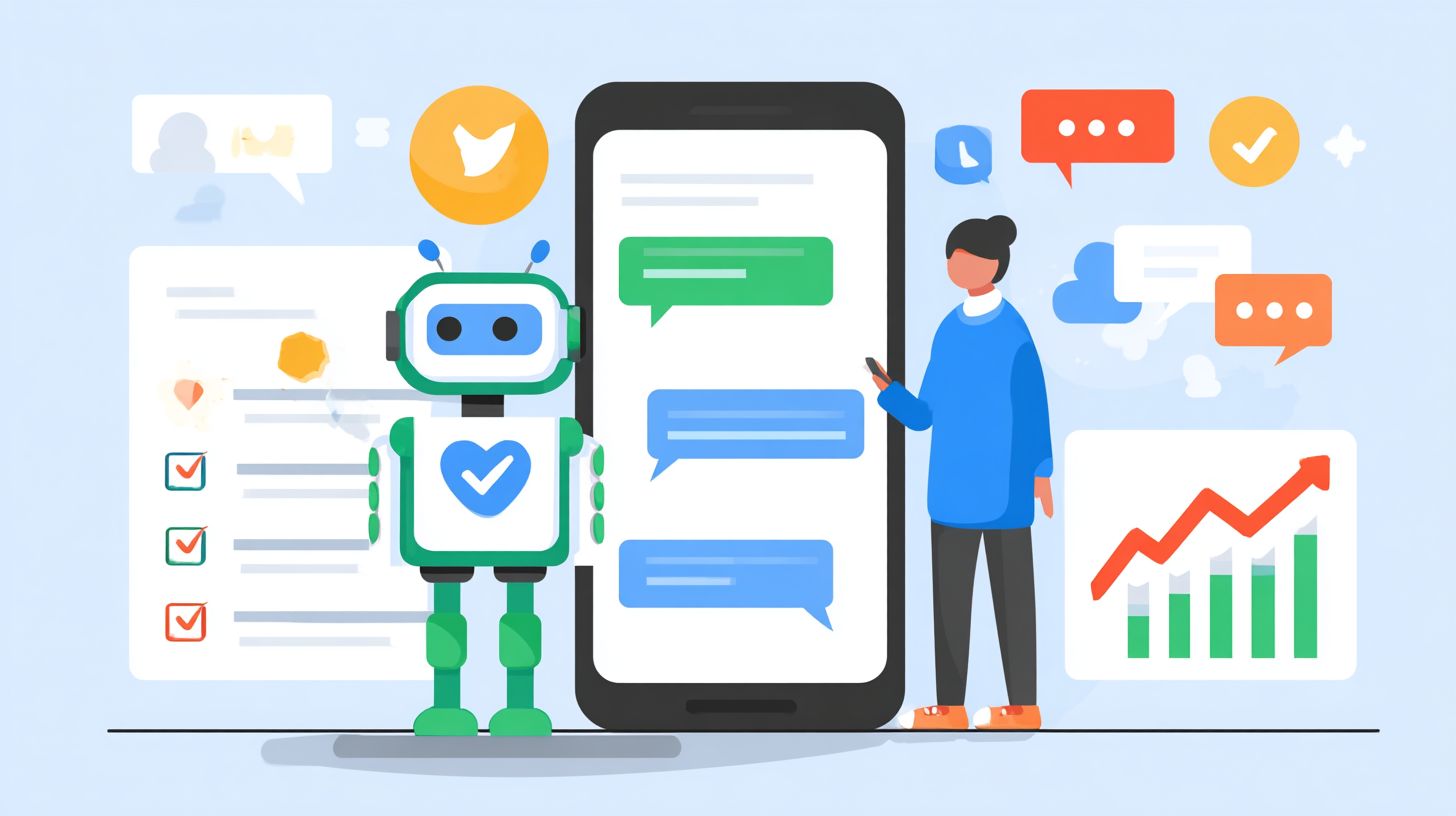
Mimic real talk with AI-driven natural language to make every interaction feel one-on-one. This approach helps chatbots engage customers effectively on social platforms.
Start by using tools like Dialogflow for intent recognition. Train with sample queries to handle variations in how users ask for products or support.
- Personalize with user data, such as “Hi Alex, based on your last purchase…”.
- Add context retention across sessions for ongoing conversations.
- Example: The Allbirds bot suggests shoes from past chats, creating tailored recommendations.
Avoid overly robotic responses by testing for empathy. Initial setup takes a few hours, but it pays off in higher engagement and lead generation.
Branching Logic and Fallbacks
Smart branching logic keeps conversations on track, while fallbacks gracefully handle surprises. This structure ensures smooth user journeys in chatbot marketing.
Map user intents to clear branches, like query to product info then purchase. Limit branches to a few per flow to prevent confusion for visitors.
- Use drag-and-drop tools like Chatfuel for easy implementation.
- Set fallback responses, such as “Let me connect you to a human”.
- Integrate with Zendesk for complex queries needing live agents.
Test logic flows in about an hour to catch dead-ends. These tactics automate support processes and turn prospects into sales through interactive paths.
Content and Messaging Strategies
Strategic content turns chatbots into powerful marketing tools that nurture and convert. Tailor messages to match stages of the customer journey, from awareness to advocacy. This approach builds trust and drives engagement across platforms like Facebook Messenger and WhatsApp. Related insight: WhatsApp for Freelancers: Tools and Customer Journeys
Start with awareness-stage content that educates visitors on pain points. Use conversational queries to spark interest, such as asking about common challenges. This sets the stage for deeper interactions.
In the consideration phase, offer personalized recommendations based on user inputs. Highlight product benefits through interactive stories or quizzes. This keeps conversations flowing and positions your brand as a helpful guide.
For advocacy, encourage shares and feedback to turn customers into promoters. Integrate lead qualification flows to identify high-potential prospects early. These tactics automate nurturing and boost sales efficiency.
Lead Qualification Flows
Qualify leads conversationally to focus sales efforts on high-potential prospects. Design flows that ask targeted questions without overwhelming users. This streamlines the process and improves conversion rates.
Follow this simple numbered flow for effective lead qualification:
- Ask qualifying questions like budget range or project timeline to gauge fit.
- Score responses automatically, such as using ManyChat auto-tags for quick segmentation.
- Integrate with CRM tools like HubSpot to trigger personalized nurturing campaigns.
For example, the Hairlust bot qualifies hair concerns before recommending products. It asks about scalp issues and hair type in a natural chat. This creates a seamless user experience.
Track your qualification rate to measure success. Avoid the common mistake of too many questions, limit to 3-4 key ones. Setup takes about 30-60 minutes and pays off with qualified leads ready for sales teams.
Compliance and User Privacy
Build trust by prioritizing privacy in every chatbot interaction. Businesses must balance engaging customers through conversational AI with strict regulations. This approach protects data while fostering positive user experiences.
Key regulations like GDPR set clear rules for handling personal information in marketing campaigns. Platform-specific policies on channels such as Facebook Messenger and WhatsApp add further layers of compliance. Following these ensures smooth operations and avoids penalties.
Preview essential steps: obtain explicit consent, use anonymized insights, and provide easy opt-out options. Tools like compliant ad chatbots help automate these processes. Experts recommend regular audits to maintain trust in customer interactions.
By integrating privacy into your chatbot strategy, you enhance engagement without risking violations. This builds long-term loyalty as users feel secure sharing details for personalized recommendations or support.
GDPR and Platform Policies
Navigate GDPR and platform rules to protect user data while delivering value. Start with explicit consent before collecting any information in chatbot conversations. This foundational step aligns with legal requirements and respects customer choices.
Follow this actionable checklist for compliant operations:
- Obtain explicit consent before collecting data, such as asking “May I use this info to personalize your experience?”
- Use anonymized insights for analytics, stripping identifiers from conversation logs
- Enable easy opt-out and opt-in options, like a simple “Stop” command in every session
Platform notes matter too. Facebook requires adherence to Messenger policies for business chatbots, including transparent data use. WhatsApp mandates business API verification to ensure secure interactions.
Avoid the common pitfall of storing unnecessary data; delete it after sessions end. Tools like SmartyAds support compliant ad chatbots for generating leads without privacy risks. Regular reviews keep your marketing campaigns effective and trustworthy.
Optimization and A/B Testing
Refine your chatbot through systematic testing to boost performance over time. This process helps marketing teams identify what drives better customer engagement on platforms like Facebook Messenger or WhatsApp. Regular tweaks ensure conversations feel more natural and effective.
Start by pinpointing key variables to test, such as greetings, CTAs, or response flows. For instance, compare a friendly “Hi, ready to chat about our products?” against a direct “Welcome, how can I assist?”. These elements shape the initial user experience and influence drop-off rates.
Next, run A/B tests using tools like Chatfuel by splitting traffic evenly, say 50/50, over a one-week period, following the methodology in our Com.bot Chatbot A/B Testing guide. Track metrics like drop-off rates, completion rates, and lead generation. An example test pits “Shop now” against “Explore products” to see which CTA sparks more interactions.
Analyze results and iterate weekly based on data insights. Focus on real adjustments to conversation paths or personalized recommendations. This approach refines your chatbot marketing strategy, making virtual assistants more effective at supporting sales and customer queries.
Performance Analytics and KPIs
Track the right metrics to uncover insights that drive chatbot ROI. Businesses use performance analytics to measure how well social media chatbots engage customers and generate leads. This data helps refine strategies for better customer experiences.
Key performance indicators reveal strengths and areas for improvement in conversational marketing. Focus on metrics like engagement rates and conversion rates to assess chatbot effectiveness. Regular reviews ensure chatbots deliver value across platforms like Facebook Messenger and WhatsApp.
Start by setting up tracking in tools like Dialogflow. Review data weekly on sessions started and leads captured to spot trends. Use these insights to personalize responses and optimize interactions for sales and support.
For example, the IKEA bot analyzes query trends to improve product recommendations. This approach turns data into actionable steps that boost engagement and customer satisfaction. Consistent monitoring keeps chatbot campaigns effective and aligned with business goals.
| Metric | Tool | Target Action |
|---|---|---|
| Engagement Rate | Facebook Insights | Optimize openers if low |
| Conversion Rate | HubSpot | Refine flows for better results |
| Sessions Started | Dialogflow | Adjust entry points based on data |
| Leads Captured | Google Analytics | Enhance qualification questions |
Scaling and Maintenance Best Practices
Scale your chatbot effortlessly while keeping it fresh and reliable for growing businesses. Regular maintenance ensures your social media chatbot marketing stays effective amid increasing user interactions. This approach helps engage customers consistently and supports long-term success.
Focus on automated updates using ManyChat templates during monthly reviews. These updates refine conversational flows and incorporate new marketing strategies. Businesses that automate this process maintain a personalized experience without constant manual effort.
Experts recommend monitoring for errors with built-in alerts to catch issues early. Set up notifications for failed responses or high drop-off rates in chatbot conversations. This proactive step prevents disruptions in customer support and lead generation.
For scaling, add multi-language support to reach global audiences on platforms like Facebook Messenger and WhatsApp. Integrate with tools like Dialogflow for advanced flows that handle complex queries. Wembley Stadium’s event bots exemplify this, managing peak traffic during high-demand periods seamlessly.
- Train your AI chatbot on new data quarterly to improve response accuracy and relevance.
- Schedule 15-minute weekly checks to avoid neglect and spot trends in user interactions.
- Test scalability by simulating traffic spikes to ensure smooth performance.
Avoid common pitfalls like ignoring user feedback, which can degrade engagement. Consistent upkeep turns your virtual assistant into a reliable asset for sales and customer journeys.
Frequently Asked Questions
What are the Best Practices for Social Media Chatbot Marketing?

Best Practices for Social Media Chatbot Marketing include designing conversational flows that mimic human interactions, personalizing responses based on user data, ensuring quick response times under 2 seconds, and integrating seamlessly with platforms like Facebook Messenger, Instagram DMs, and WhatsApp. Always prioritize user privacy by complying with GDPR and obtaining consent for data usage.
How can personalization enhance Best Practices for Social Media Chatbot Marketing?
Personalization is a key element of Best Practices for Social Media Chatbot Marketing. Use customer data such as past purchases, preferences, and browsing history to tailor messages. For example, recommend products based on previous interactions, which can boost engagement rates by up to 40% and improve conversion funnels.
What role does analytics play in Best Practices for Social Media Chatbot Marketing?
Analytics are central to Best Practices for Social Media Chatbot Marketing. Track metrics like open rates, click-through rates, drop-off points, and user satisfaction scores via tools like Google Analytics or platform-specific dashboards. Regularly analyze this data to refine chatbot scripts and optimize performance for better ROI.
How to ensure compliance in Best Practices for Social Media Chatbot Marketing?
Compliance is non-negotiable in Best Practices for Social Media Chatbot Marketing. Adhere to regulations like CCPA and platform policies by implementing clear opt-in mechanisms, transparent data usage policies, and easy opt-out options. Regularly audit your chatbot for bias and accessibility to maintain trust and avoid penalties.
What are common pitfalls to avoid in Best Practices for Social Media Chatbot Marketing?
Avoid common pitfalls in Best Practices for Social Media Chatbot Marketing such as overly salesy language, which alienates users; ignoring fallback responses for unrecognized queries; and neglecting multi-language support. Test extensively with real users and iterate based on feedback to prevent high abandonment rates.
How to measure success in Best Practices for Social Media Chatbot Marketing?
To measure success in Best Practices for Social Media Chatbot Marketing, focus on KPIs like user retention, lead generation rates, cost per acquisition, and net promoter scores. Use A/B testing for chatbot variations and set benchmarks against industry standards, aiming for at least 20-30% engagement uplift through continuous improvement.