Chatbot Development Methodologies: Agile vs. Design Thinking
Building a chatbot that actually works means picking the right development approach, especially when you’re weighing agile against design thinking. Agile keeps things fast and adaptable with constant iterations, while design thinking puts user empathy first to solve real problems. This comparison breaks down how each fits chatbot projects, so you can choose what matches your goals.
Key Takeaways:
error
- 1 Frequently Asked Questions
- 1.1 What is the difference between Agile and Design Thinking in chatbot development?
- 1.2 How does Agile methodology apply to chatbot development using feedback loops?
- 1.3 What role does Design Thinking play in problem-solving for chatbot UX?
- 1.4 How do sprints in Agile compare to design sprints in Design Thinking for chatbots?
- 1.5 Why combine Agile manifesto principles with Design Thinking empathy in chatbot projects?
- 1.6 What are the benefits of using prototypes and user testing in both Agile and Design Thinking for chatbots?
Frequently Asked Questions
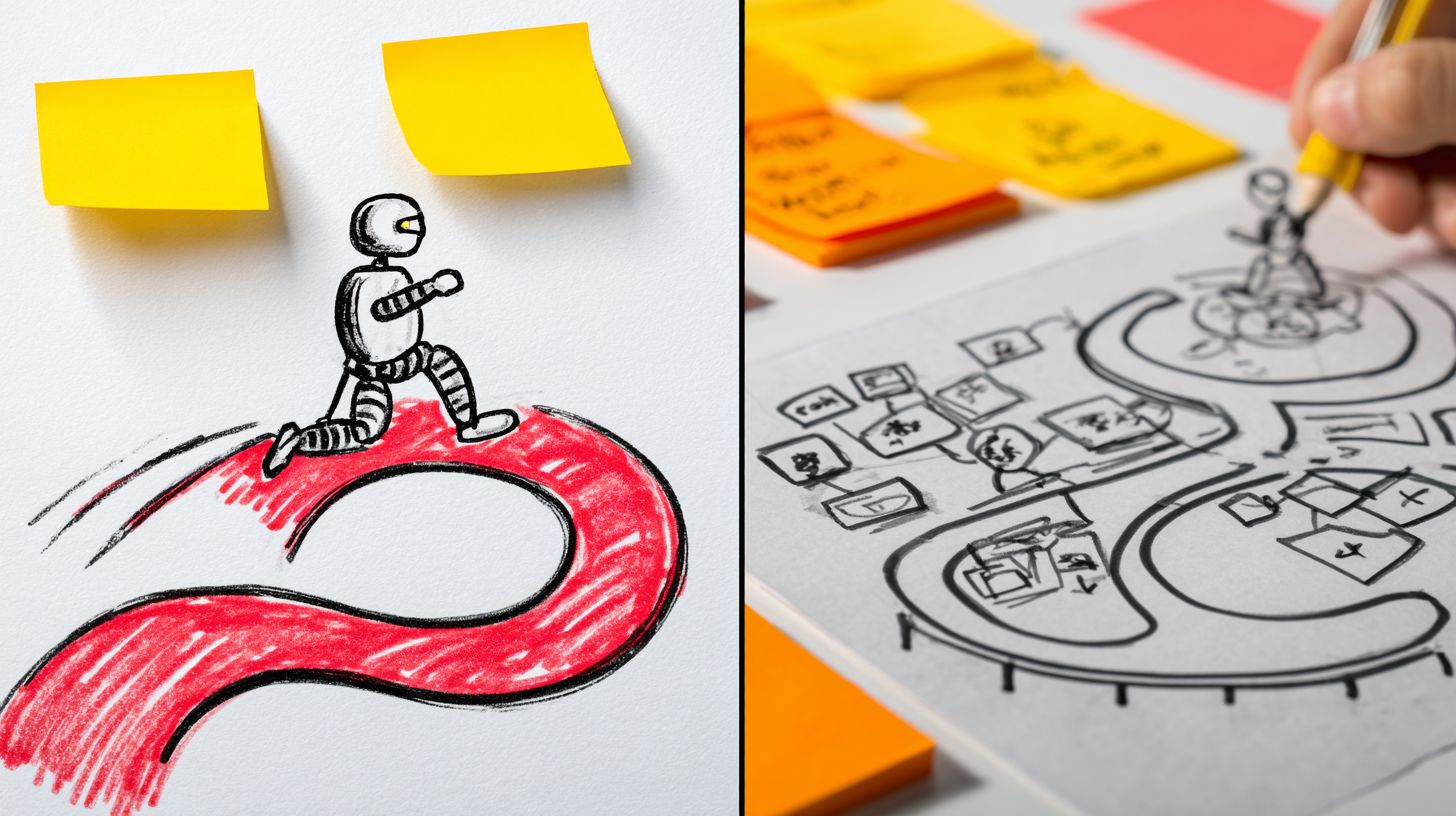
What is the difference between Agile and Design Thinking in chatbot development?
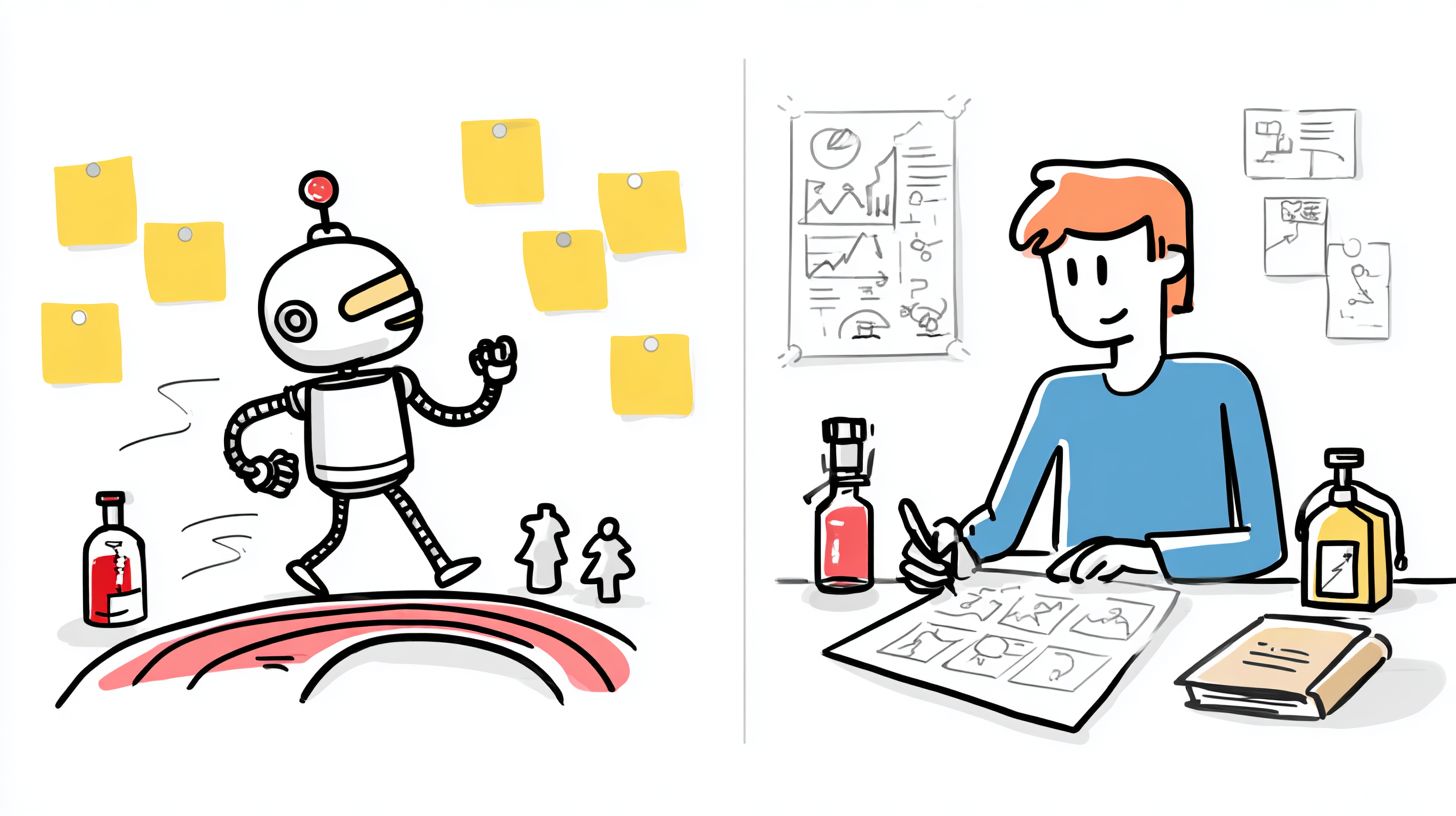
Agile focuses on iterative process, sprints, minimum viable product (MVP), and continuous feedback loops for efficient product development, while design thinking emphasizes empathy, problem-solving, ideation, prototyping, and user-centered design to deeply understand user needs in chatbot UX design.
How does Agile methodology apply to chatbot development using feedback loops?
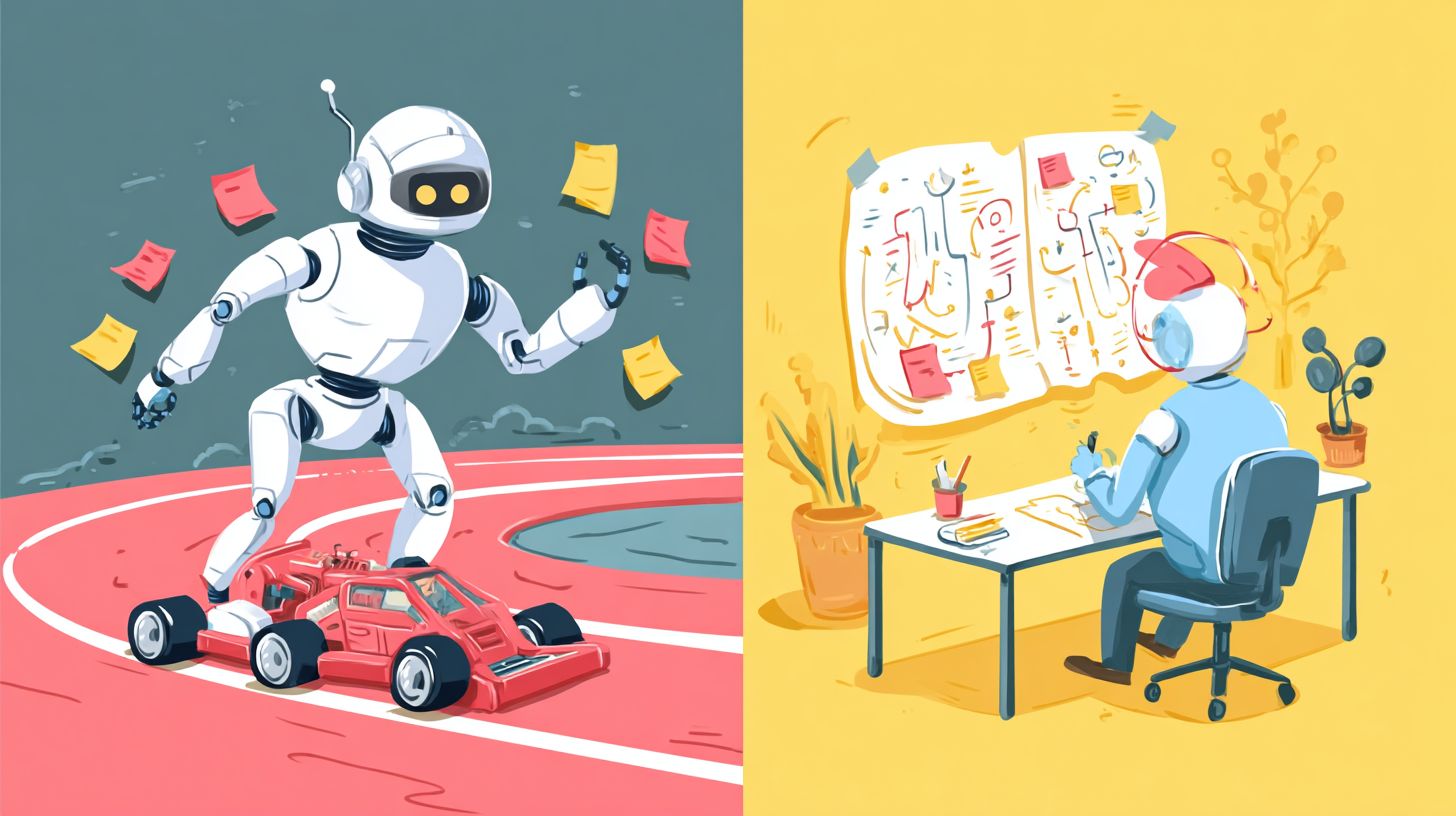
In Agile for chatbot development, teams use feedback loops, daily stand-ups, sprint reviews, and retrospectives to incorporate user feedback rapidly, ensuring the chatbot evolves through cross-functional teams and machine learning adjustments for optimal custom experience.
What role does Design Thinking play in problem-solving for chatbot UX?
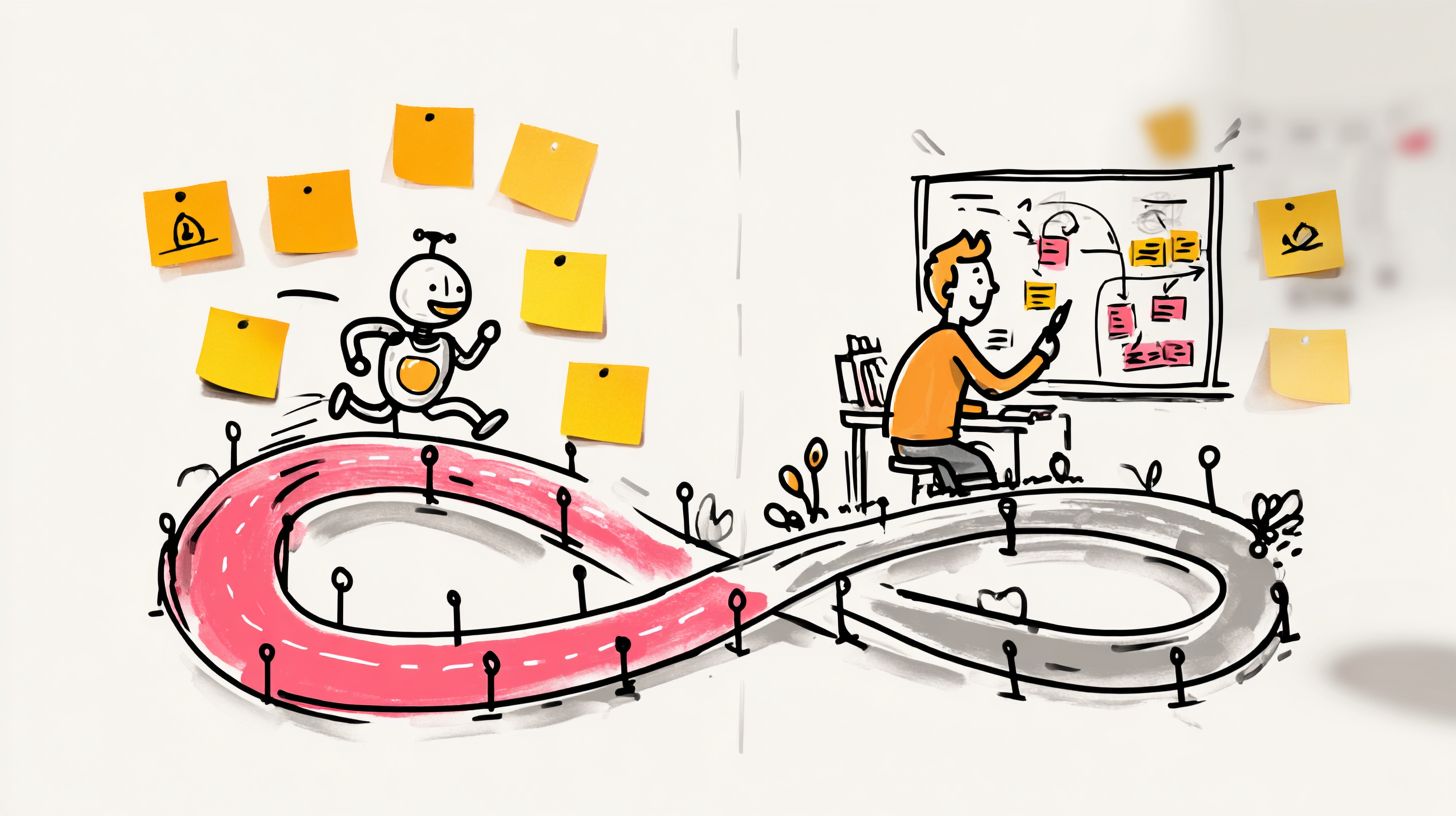
Design Thinking in chatbot UX uses empathy mapping, brainstorming, prototyping, and testing to identify user pain points, fostering innovation and human-centered solutions that prioritize user needs over rigid plans in the development process. One of our most insightful explorations of future chatbot UX trends demonstrates how these principles drive ongoing advances.
How do sprints in Agile compare to design sprints in Design Thinking for chatbots?
Agile sprints are time-boxed iterations focused on delivering MVP features with business goals and testing, whereas design sprints in Design Thinking involve rapid ideation, prototyping, and user testing to validate ideas quickly in chatbot product management.
Why combine Agile manifesto principles with Design Thinking empathy in chatbot projects?
Combining Agile’s focus on working software, customer collaboration, and responding to change with Design Thinking’s empathy and problem finding creates agile frameworks that deliver innovative, user-tested chatbots aligned with business goals and user satisfaction.
What are the benefits of using prototypes and user testing in both Agile and Design Thinking for chatbots?
Prototypes and user testing in both methodologies enable rapid iteration, validation through use cases, and feedback loops; Agile uses them in sprints for functional delivery, while Design Thinking leverages them in workshops, brainstorming, and ideation for superior custom support and machine learning integration.