Chatbots and Instant Gratification: Benefits and Experience
Ever get frustrated waiting on hold for customer service? Chatbots fix that by delivering instant answers, making your customer experience smoother and more satisfying. You’ll see how this quick gratification boosts satisfaction for users and businesses alike.
Key Takeaways:
- 1 Defining Instant Gratification in Chatbots
- 2 Key Benefits of Instant Responses
- 3 Psychological Impact on Users
- 4 Enhanced User Experience
- 5 Business Advantages
- 6 Real-World Case Studies
- 7 Potential Drawbacks and Limits
- 8 Future Trends in Chatbot Gratification
- 9 Frequently Asked Questions
- 9.1 What is the connection between Chatbots and Instant Gratification: Benefits and Experience?
- 9.2 How do chatbots provide instant gratification to users?
- 9.3 What are the key benefits of instant gratification from chatbots?
- 9.4 Can you describe a typical user experience with chatbots for instant gratification?
- 9.5 Are there any drawbacks to relying on chatbots for instant gratification?
- 9.6 How is the experience of Chatbots and Instant Gratification: Benefits and Experience evolving?
Defining Instant Gratification in Chatbots
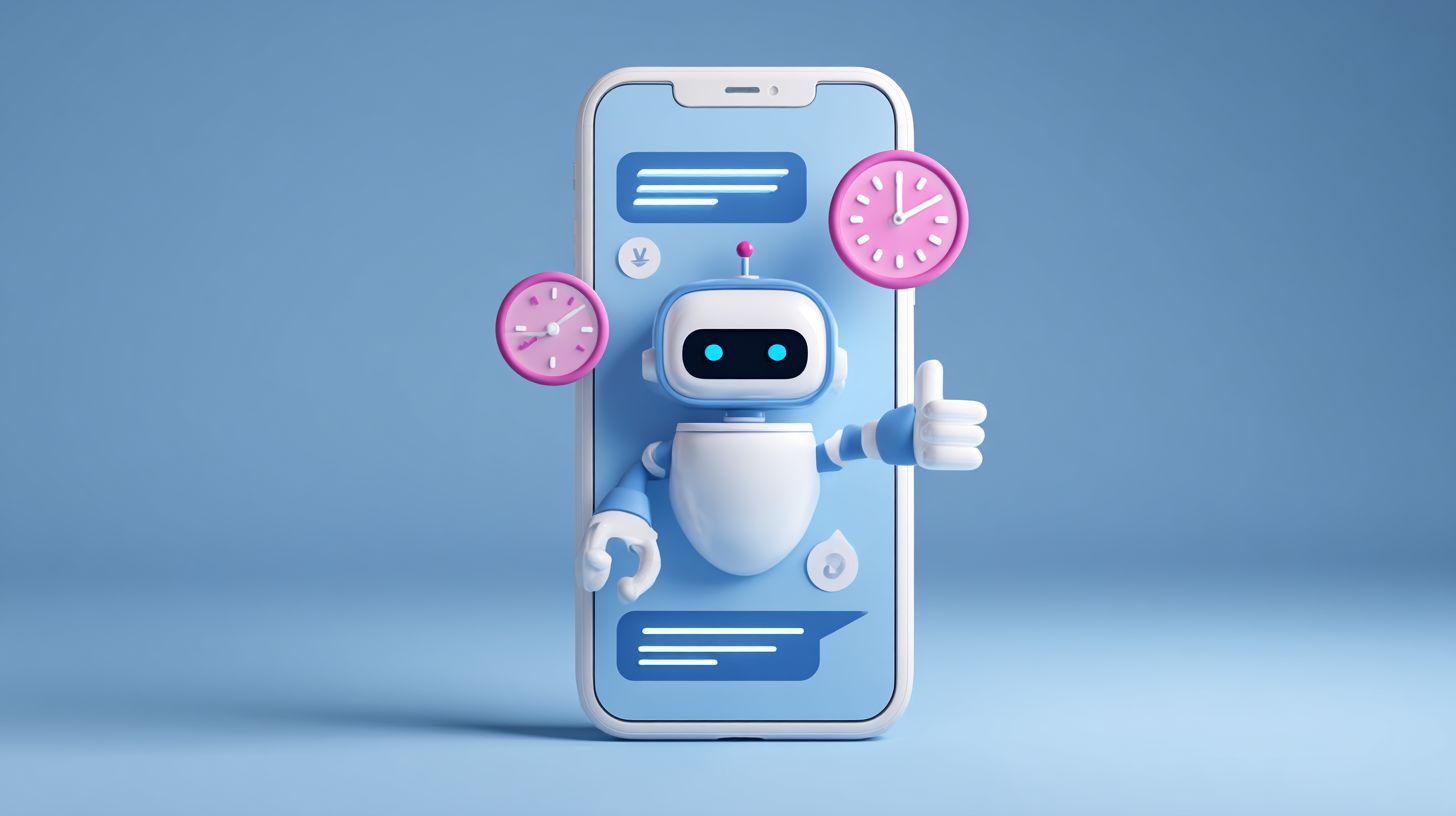
Instant gratification in chatbots refers to the immediate delivery of relevant responses that meet customer needs without delay, powered by conversational AI and natural language processing. This concept centers on providing quick, accurate answers to user queries. Users experience satisfaction when their questions receive instant replies.
Consider a simple example: a customer asks, “What are your store hours today?” The chatbot instantly responds with the exact times based on location data. This instant gratification eliminates wait times and enhances customer experience in customer service scenarios.
Natural language processing (NLP) and machine learning enable chatbots to understand user queries swiftly. NLP breaks down language into understandable parts, while machine learning improves accuracy over time through continuous learning. These technologies power semantic search, which matches query intent to relevant information beyond keyword matching.
Semantic search provides context by analyzing meaning, allowing AI chatbots to deliver personalized responses. Related insight: 5 Benefits of Using Facebook Chatbots for Customer Support. This supports 24/7 support and self-service options, reducing reliance on human agents. Businesses benefit from efficiency gains and improved customer satisfaction in daily interactions.
Key Benefits of Instant Responses
Instant responses from AI chatbots transform customer interactions by providing immediate value, boosting overall customer satisfaction and operational flow. Businesses gain from 24/7 support without added costs, as chatbots handle queries reliably across platforms.
Customers enjoy seamless integration with messaging apps, leading to higher engagement and efficiency gains. This conversational AI approach supports self-service options, reducing reliance on human agents.
Key advantages include personalized responses through natural language processing and machine learning, fostering trust and business growth. Analytics from these interactions provide data insights for better customer experience.
Overall, instant answers drive first contact resolution, lower operational costs, and proactive engagement, aligning with modern digital transformation needs. Chatbots for customer support offer proven strategies to maximize these benefits.
24/7 Availability
AI chatbots deliver round-the-clock assistance, ensuring customers receive help anytime without relying on human agents’ schedules. This 24/7 support spans time zones via messaging platforms like Facebook Messenger and Instagram, enhancing customer service.
Businesses achieve omnichannel presence, where users query support tickets or product info at midnight. Virtual assistants use continuous learning to manage off-hours customer needs effectively.
To set up 24/7 bots, follow these steps:
- Integrate with backend systems for data access, a process taking about 10-15 minutes.
- Test responses across various hours to simulate real usage.
- Monitor logs regularly for performance and issues.
A common mistake is failing to update knowledge bases for off-hours queries, leading to gaps in customer engagement. Regular knowledge management ensures reliable instant answers and high satisfaction scores.
Reduced Wait Times
Customers expect quick resolutions, and chatbots eliminate hold times by offering instant answers to common questions. This boosts customer satisfaction through fast handling of user queries via natural language processing.
For example, a user submits a support ticket for order status and gets resolution in seconds, not hours. Such self-service portals give the power to users, cutting abandonment rates and escalation rates.
Implement with this 3-step process:
- Use semantic search for fast matching of queries, with setup in about 5 minutes.
- Enable self-service portals for routine tasks like refunds or tracking.
- Track abandonment rates to refine bot performance.
Avoid overloading bots with complex queries, which can lead to escalations and frustrate users. Focus on customizable workflows for simple issues to maximize efficiency gains and support business strategy.
Psychological Impact on Users
Instant chatbot responses tap into user psychology, creating positive emotional responses that encourage repeat interactions. The speed of instant answers boosts mood by reducing wait times, fostering a sense of efficiency in customer interactions. This quick satisfaction builds loyalty, as users associate the brand with smooth customer experience.
Fast replies in customer service contexts mimic the immediacy of human conversations, enhancing customer satisfaction. When AI chatbots deliver 24/7 support, users feel valued, which strengthens emotional ties. Over time, this leads to higher engagement in self-service options.
Research suggests that rapid responses lower frustration during customer queries. Businesses see gains in omnichannel setups where chatbots connect with messaging platforms, as explored in our guide on strategies for customer engagement. This positive loop promotes business growth through consistent customer engagement.
Transitioning to brain chemistry, these quick wins pave the way for understanding dopamine rewards. The pattern of speed and positivity sets the stage for deeper retention strategies. Experts recommend focusing on seamless integration to sustain these effects.
Dopamine Rewards
The quick ‘aha’ moment from an instant reply triggers a feel-good response, similar to getting a notification on social media. Receiving a personalized response from a chatbot feels rewarding, like a liked post on your feed. This mirrors how conversational AI taps into natural rewards in customer support.
Design bots with natural language processing and machine learning for a natural flow. For example, a user asks about order status, and the bot replies with tailored details in seconds. This creates an emotional hook that boosts customer retention.
Add micro-interactions like thumbs-up confirmations to amplify the reward. These small affirmations, such as a “Got it!” animation, enhance the dopamine hit during self-service chats. They make interactions more engaging across messaging platforms.
- Use personalization to reference past queries, like “Based on your last visit…”
- Incorporate proactive engagement with timely suggestions for common needs.
- Leverage analytics to refine responses, improving satisfaction scores over time.
- Enable first contact resolution to minimize escalations to human agents.
Enhanced User Experience
Chatbots elevate user experience through tailored, frictionless interactions across channels, making support feel intuitive and effortless. They align with core UX principles like speed, simplicity, and relevance. This approach reduces wait times and give the power tos self-service options.
Users benefit from 24/7 support without handing off to human agents. Chatbots handle routine queries via conversational AI, freeing teams for complex issues. The result is smoother customer interactions and higher satisfaction.
Omnichannel deployment ensures consistency on messaging platforms and websites. This creates a unified customer experience, boosting engagement. Personalization ties in naturally, as chatbots adapt to individual needs over time.
Businesses see efficiency gains from fewer support tickets and lower abandonment rates. AI chatbots provide instant answers, enhancing trust. Overall, they drive business growth through better retention.
Personalization Effects
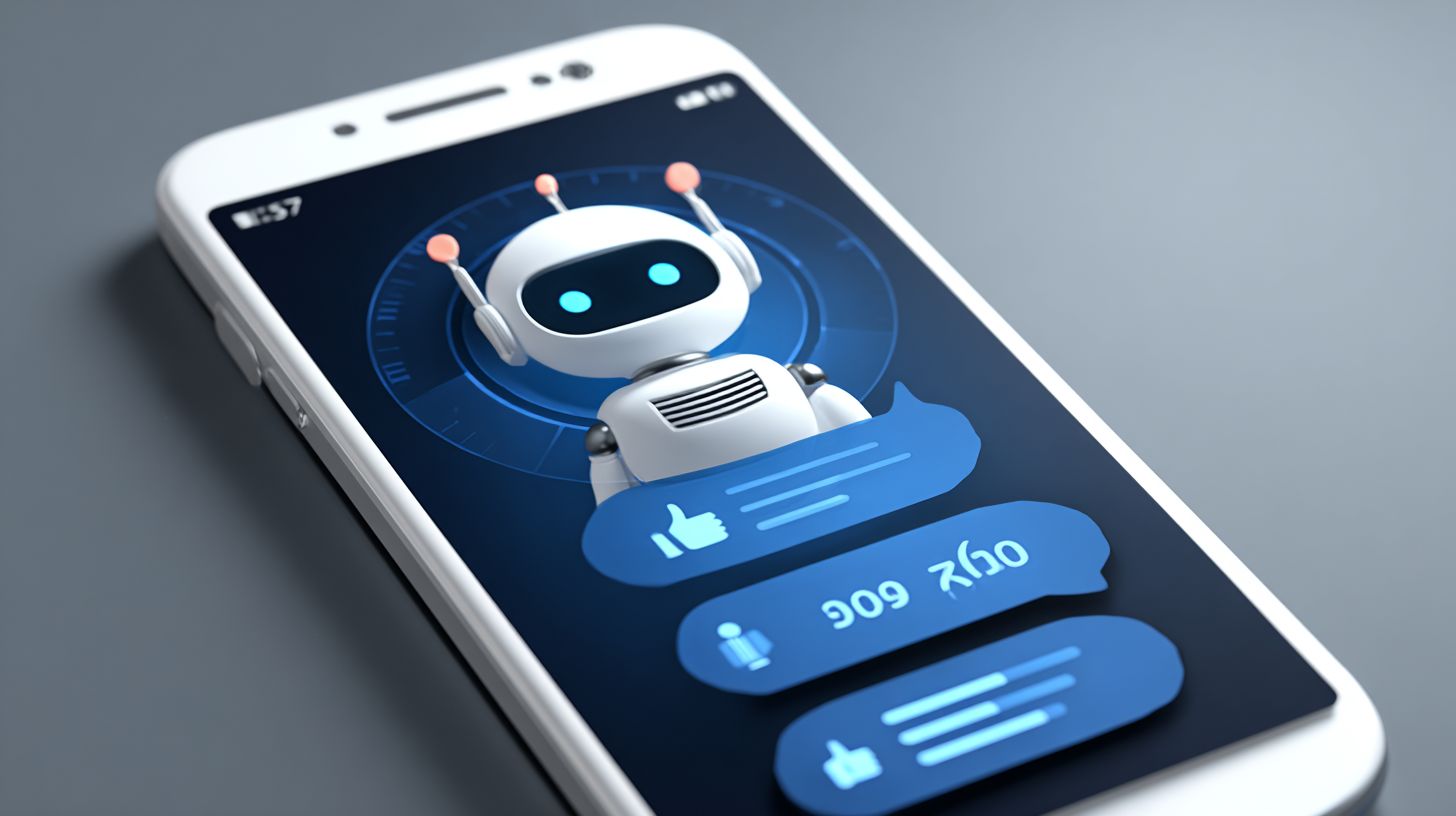
Personalized responses make users feel understood, using data from past interactions to deliver relevant suggestions. Natural language processing captures opt-in details quickly. This builds stronger customer engagement from the start.
Start with a simple setup: collect data in about 20 minutes using NLP tools. Then apply machine learning to spot patterns in customer behavior. Finally, generate custom replies that reference history, like “Based on your last purchase of running shoes, here are matching accessories.”
- Enable opt-in data collection during initial chats for compliance.
- Integrate with tools like Dialpad for seamless integration across backend systems.
- Use analytics for continuous learning and refined outputs.
Avoid the mistake of generic replies, which erode trust and raise escalation rates. Tailored suggestions improve first contact resolution and satisfaction scores. Proactive engagement via personalization supports lead generation and loyalty.
Business Advantages
Businesses gain competitive edges from instant chatbots through efficiency, revenue opportunities, and scalable support. These tools deliver ROI factors like reduced operational costs and faster customer service. Chatbots provide 24/7 support without adding staff, leading to cost savings.
Revenue grows as AI chatbots handle lead generation and guide users through sales funnels. They connect with backend systems for seamless data insights. This supports business growth by nurturing customer interactions into loyal relationships.
Scalable support means handling high volumes of customer queries without delays. Conversational AI, with its features, capabilities, and business impact detailed in our comprehensive guide, uses natural language processing for instant answers. Businesses see efficiency gains in customer experience and satisfaction rates.
Engagement metrics set the stage for measuring success. Track session duration and conversion funnels to optimize. Proactive engagement turns casual visitors into qualified leads.
Increased Engagement Rates
Instant replies keep users on-site longer, turning support chats into sales conversations and boosting conversions. Customer engagement rises with personalized responses from AI chatbots. Users stay engaged when queries resolve quickly via self-service options.
Integrate chatbots with ClickUp for tracking engagement metrics like session duration and conversion funnels. This provides actionable data insights into customer behavior. Monitor these to refine customizable workflows for better results.
Use proactive pop-ups for browsing users as an example strategy. These trigger based on user queries or behavior, offering instant help. This ties to business growth via lead nurturing workflows and reduced abandonment rates.
AI technology enables proactive engagement through machine learning and semantic search. Chatbots analyze patterns for first contact resolution. Businesses benefit from higher satisfaction scores and fewer escalations to human agents.
Real-World Case Studies
Leading companies like Stanley Black & Decker and Camping World have leveraged AI chatbots for remarkable customer service improvements. These examples show how conversational AI delivers instant answers and boosts customer satisfaction. Businesses across industries use chatbots to meet customer needs quickly.
Stanley Black & Decker partnered with Aivo to deploy chatbots that handle complex queries via natural language processing. This reduced escalations to human agents by streamlining self-service options. Customers received personalized responses around the clock with 24/7 support.
Camping World sped up responses to RV purchase inquiries and maintenance questions through chatbot integration. The system provided instant answers on messaging platforms, cutting down support tickets. This led to efficiency gains and better first contact resolution.
Reference to Aspect Index highlights how such deployments lower operational costs, while Bain reports note gains in customer engagement. Motel Rocks enhanced fashion support on Instagram and Messenger with chatbots for quick styling advice. Arvee’s insights further emphasize data-driven improvements in customer interactions.
Stanley Black & Decker and Aivo
Stanley Black & Decker used Aivo’s AI chatbots to transform their customer support. The chatbots integrated with backend systems for seamless integration and deep searches into product details. This approach minimized escalation rates by offering proactive engagement.
Customers now access self-service tools for troubleshooting power tools and accessories. Machine learning enables continuous learning from user queries, improving accuracy over time. The result is higher satisfaction scores through faster resolutions.
Camping World RV Queries
Camping World implemented chatbots to address customer queries about RVs instantly. Integrated with their website, these virtual assistants handle everything from financing to specs using semantic search. This sped up responses and supported lead generation.
The strategy reduced abandonment rates by providing personalized responses in real time. Omnichannel support across digital channels ensures consistent customer experiences. Experts recommend such tools for operational efficiency in retail.
Motel Rocks on Instagram and Messenger
Motel Rocks deployed chatbots on Instagram and Messenger for fashion customer support. Users get outfit recommendations and order tracking via conversational AI. This fosters customer engagement on social messaging platforms.
Customizable workflows allow quick handling of returns and sizing questions. Analytics from interactions provide data insights into customer behavior. The setup supports business growth through enhanced digital transformation.
Arvee Efficiency Insights
Arvee’s case showcases chatbot efficiency in knowledge management and query resolution. Their system uses advanced features like machine learning for precise answers. This cuts down on human agent involvement and support tickets.
Outcomes include cost savings and improved customer satisfaction. Bain reports contextually affirm these benefits in scaling customer service. Such implementations drive omnichannel strategies effectively.
Potential Drawbacks and Limits
While powerful, chatbots have limits like handling nuanced queries, requiring smart handoffs to human agents. These tools excel in 24/7 support and instant answers, but they fall short in areas demanding deeper empathy or context. Businesses must address these gaps to maintain customer satisfaction.
Common challenges include struggles with complex emotions, data limitations, integration hurdles, and risks of over-reliance. Each issue impacts customer experience if ignored. Practical solutions exist to balance AI chatbots with human touchpoints.
By pairing conversational AI with strategies like seamless escalation and continuous learning, companies achieve better first contact resolution. This approach supports omnichannel interactions across messaging platforms. It fosters business growth through efficient customer support.
1. Handling Complex Emotions
Chatbots often struggle with complex emotions in customer queries, such as frustration over billing disputes. AI technology relies on natural language processing, yet misses subtle tones. This can lead to higher escalation rates.
Solution: Implement seamless escalation to human agents via tools like Dialpad integration. Detect emotional keywords and route to live support instantly. This ensures personalized responses for sensitive cases.
Resulting in improved satisfaction scores, this method blends self-service with empathy. Businesses see gains in customer engagement and reduced abandonment rates.
2. Data Gaps and Knowledge Limits
Data gaps hinder chatbots from providing accurate answers to niche questions. Limited training data causes gaps in knowledge management. Customers face delays in resolving unique issues.
Solution: Enable continuous learning through machine learning updates. Feed new customer interactions back into the system for real-time improvements. Use analytics to identify frequent gaps.
This builds robust virtual assistants over time, supporting proactive engagement. It enhances customer needs fulfillment without constant manual tweaks.
3. Integration Issues with Backend Systems
Integration issues arise when chatbots cannot access backend systems, blocking order status checks or account updates. Poor connectivity disrupts customer service flows. This raises support ticket volumes.
Solution: Use APIs for seamless integration with CRM and inventory tools. Create customizable workflows for data pulls during conversations. Test connections to ensure reliability.
Outcomes include faster lead generation and efficiency gains. It supports digital transformation with smooth omnichannel experiences.
4. Risk of Over-Reliance
Over-reliance on chatbots can erode human connections, making customers feel undervalued in complex scenarios. Sole dependence ignores needs for personal advice. It risks lower customer loyalty.
Solution: Balance with self-service options and strategic human handoffs. Set thresholds for escalation based on query complexity. Train staff for high-value interactions.
This hybrid model drives cost savings while preserving trust. It optimizes operational costs and boosts overall satisfaction rate.
Future Trends in Chatbot Gratification
Advancements in AI technology promise even faster, smarter chatbots with deeper understanding and predictive capabilities. These developments will enhance customer satisfaction by delivering instant answers tailored to individual needs. Businesses adopting these trends can expect improvements in customer experience and operational efficiency.
Enhanced natural language processing will enable chatbots to handle complex user queries through semantic search and deep searches. This allows for more accurate responses to nuanced questions in customer service. Customers will enjoy self-service options that feel intuitive and human-like.
Integration across messaging platforms supports omnichannel experiences, letting users switch between apps without losing context. Analytics-driven personalization uses data insights to craft responses based on past interactions. Proactive virtual assistants will anticipate needs, reducing support tickets and boosting engagement.
To future-proof operations, consider tools like Aivo for seamless integration with backend systems. Businesses should focus on strategies like continuous learning models and customizable workflows. This approach drives business growth while minimizing costs through efficient customer interactions.
Frequently Asked Questions
What is the connection between Chatbots and Instant Gratification: Benefits and Experience?
Chatbots and Instant Gratification: Benefits and Experience refers to how AI-powered chatbots deliver immediate responses, fulfilling users’ desires for quick answers and interactions. This creates a satisfying experience by mimicking human conversation without delays, offering benefits like 24/7 availability and personalized engagement.
How do chatbots provide instant gratification to users?
Chatbots provide instant gratification by responding in real-time to queries, eliminating wait times associated with human agents. In the context of Chatbots and Instant Gratification: Benefits and Experience, this immediacy boosts user satisfaction, reduces frustration, and encourages repeated use for tasks like customer support or casual chats.
What are the key benefits of instant gratification from chatbots?
Key benefits include enhanced user efficiency, higher engagement rates, and improved mood from quick resolutions. Exploring Chatbots and Instant Gratification: Benefits and Experience highlights how this leads to cost savings for businesses, scalable support, and a seamless experience that feels rewarding and effortless.
Can you describe a typical user experience with chatbots for instant gratification?
A typical experience involves typing a question and receiving an accurate, helpful reply within seconds, often with follow-ups. In Chatbots and Instant Gratification: Benefits and Experience, users report feeling empowered and delighted by the speed, making complex tasks like booking or troubleshooting feel simple and gratifying.
Are there any drawbacks to relying on chatbots for instant gratification?
While powerful, drawbacks include potential inaccuracies or lack of empathy in nuanced situations. However, Chatbots and Instant Gratification: Benefits and Experience emphasizes that ongoing AI improvements minimize these, with benefits like speed and accessibility far outweighing limitations for most everyday uses.
How is the experience of Chatbots and Instant Gratification: Benefits and Experience evolving?
The experience is evolving with advanced AI like natural language processing, enabling more context-aware, human-like interactions. Chatbots and Instant Gratification: Benefits and Experience shows this progression leads to deeper personalization, broader applications in therapy or education, and even greater user loyalty through sustained instant rewards.