Decision Trees in Chatbots: Function and Benefits
Building chatbots that handle real conversations can get tricky without a solid structure. Decision trees offer a clear way to map out branching logic, guiding users through options based on their inputs. You’ll see how they work and the benefits they bring to both users and businesses.
Key Takeaways:
- 1 Core Functions of Decision Trees
- 2 Key Components of Decision Tree Architecture
- 3 Primary Benefits for User Experience
- 4 Operational Advantages for Businesses
- 5 Implementation Best Practices
- 6 Measuring Decision Tree Effectiveness
- 7 Frequently Asked Questions
- 7.1 What are Decision Trees in Chatbots: Function and Benefits?
- 7.2 How do Decision Trees function in chatbots?
- 7.3 What are the primary benefits of using Decision Trees in chatbots?
- 7.4 When should you use Decision Trees in chatbots over other methods?
- 7.5 Can Decision Trees in chatbots handle complex conversations?
- 7.6 What tools support building Decision Trees in chatbots?
Core Functions of Decision Trees
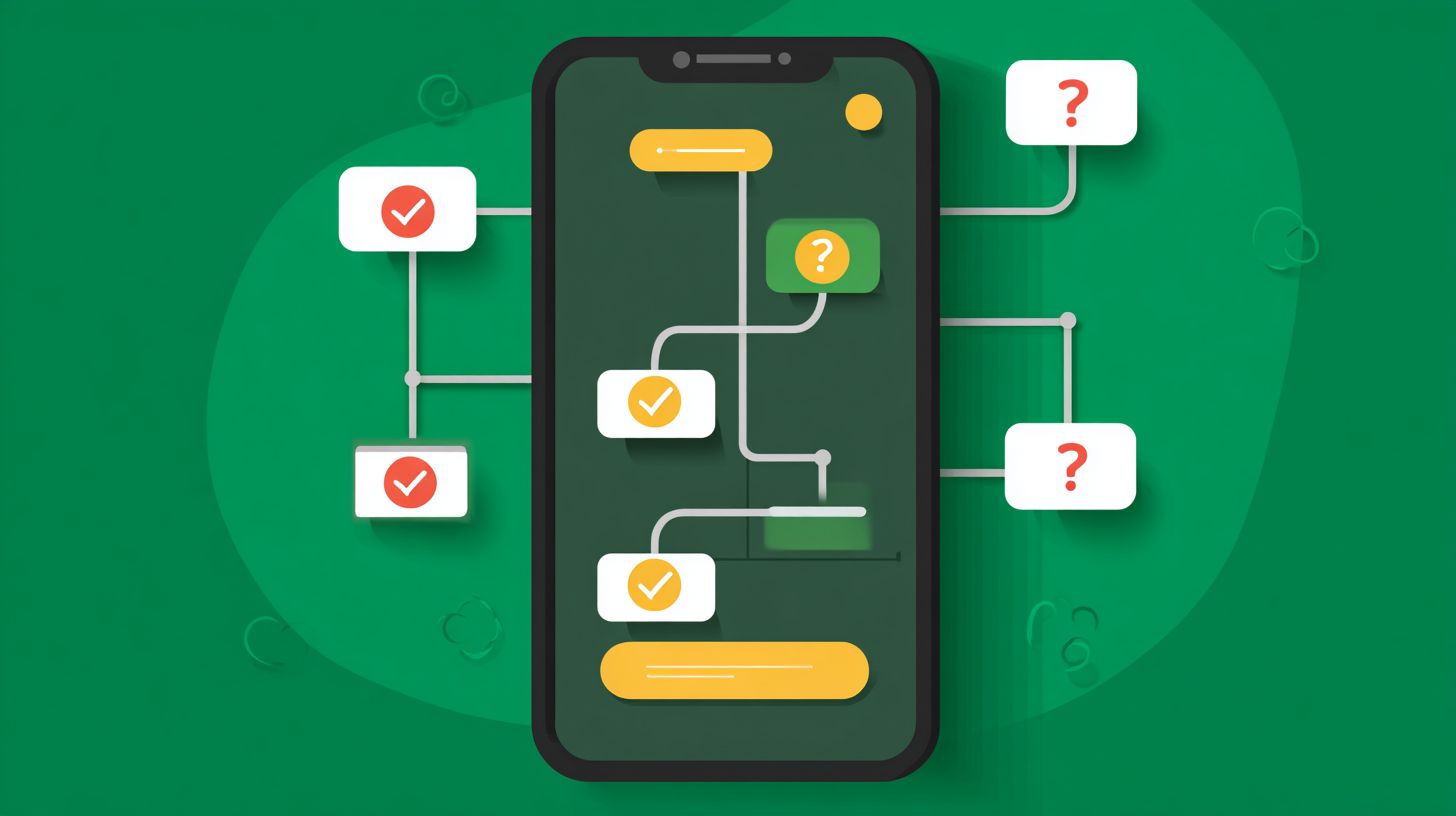
Decision trees power the essential mechanics of chatbots by organizing complex user interactions into manageable, logical flows. They manage conversational flow through branching paths and conditional responses, unlike linear scripts that follow a fixed sequence. This approach transforms chaotic user inputs into predictable outcomes by evaluating inputs at each step.
At the heart of a decision tree, nodes represent choices based on keywords, intent, or sentiment detected via natural language processing. Branches lead to tailored responses, enabling non-linear decisions that adapt in real time. Chatbots using this method handle diverse queries in customer support or information retrieval more effectively.
Decision trees excel in scenario handling by incorporating fallback options and escalation paths. They promote scalability and efficiency, as new branches can be added without rebuilding the entire structure. This structure supports hybrid approaches combining rules-based logic with machine learning for better accuracy.
Experts recommend iterating and testing these trees with real user scenarios to refine paths. The result is improved user experience through natural interactions that feel intuitive and responsive. Overall, decision trees provide interpretability and computational efficiency over purely AI-driven models.
Branching Conversation Logic
Branching conversation logic uses decision nodes to create dynamic paths based on user inputs, mimicking human-like dialogue. This setup allows chatbots to respond conditionally, steering conversational outcomes toward relevant solutions. It contrasts with rigid linear decisions by offering flexibility in handling varied queries.
Follow this 5-step process to build effective branching logic:
- Identify key user intents in 2-3 minutes by reviewing common queries like billing issues or product info.
- Define decision nodes with criteria such as keywords or sentiment in about 5 minutes.
- Map branching paths with 2-4 options per node, taking around 10 minutes, for example, yes/no or topic choices.
- Add fallback options for unclear inputs in 3 minutes to ensure smooth flow.
- Test non-linear scenarios with user testing to validate paths.
A common mistake is over-branching, which causes decision fatigue for users facing too many choices. Mitigation strategies include limiting options per node and using best practices like prioritizing feature importance in paths. Regular iteration based on performance data keeps logic efficient.
This method enhances chatbot decisions for artificial intelligence applications, supporting scalability as conversations grow complex. Tools for visual representation aid in designing clear, logical flows that align with business goals.
Contextual User Routing
Contextual user routing directs users to the right outcomes by analyzing their specific needs and journey stage. It uses a routing map within decision trees to guide user personas efficiently through interactions. This ensures personalized handling, improving satisfaction in customer support scenarios.
Create a step-by-step routing map as follows:
- Develop 3-5 user personas with distinct needs, such as new customers seeking info or loyal ones reporting issues.
- Map starting points for each persona based on initial inputs like greetings or complaints.
- Define escalation options for complex queries, routing to specialized paths or deeper nodes.
- Implement handover to human agents for unresolved cases, with clear triggers.
Use flowchart tools like Lucidchart for visual representation of these maps, making it easier to spot gaps in error handling. Avoid the mistake of generic routing that ignores user personas, which leads to frustrated experiences. Instead, tailor paths to context for better outcomes.
Test routing with real user testing and iterate based on feedback, incorporating missing data or outliers. This approach boosts efficiency and aligns with business goals through precise, adaptive navigation. It combines interpretability with robust scenario handling for scalable chatbots.
Key Components of Decision Tree Architecture
Understanding decision tree architecture reveals how simple nodes combine to handle sophisticated chatbot interactions. The fundamental building blocks include root nodes, decision points, branches, and leaf nodes. These elements create scalable conversational structures that guide user inputs through logical flows.
The root node acts as the starting point for all conversations. It evaluates the first user input to route the chatbot decision. From there, decision points and branches expand into complex pathways.
Imagine a simple diagram: a central root node connects to branching decision nodes, which lead to leaf nodes at the ends. This visual representation shows how conversational flow handles various user scenarios. Leaf nodes deliver final responses or escalation options.
These components ensure scalability and efficiency in chatbots. They support natural interactions in customer support or information retrieval. For a deep dive into conversation design fundamentals and practices that complement decision tree structures, explore our guide on techniques for optimal flows. Experts recommend iterating and testing to align with business goals and user personas.
Nodes and Decision Points
Nodes serve as the brain centers where chatbots evaluate user inputs and determine next actions. They form the core of decision tree structures in conversational AI. Each type plays a distinct role in managing user interactions.
The root node is the entry point that assesses initial user inputs. Internal decision nodes follow, using splits like CART-style methods with Gini Impurity or Information Gain. These evaluate feature importance to guide branching logic.
Leaf nodes represent final conversational outcomes, such as answers or fallback options. A common pitfall is poor feature importance selection, leading to irrelevant splits and decision fatigue. Mitigation strategies include handling missing data and outliers during design.
class Node: def __init__(self, feature=None, threshold=None, left=None, right=None, value=None): self.feature = feature self.threshold = threshold self.left = left self.right = right self.value = value # Leaf node outcomeThis basic Python structure supports machine learning integration for chatbots. Test nodes iteratively to improve interpretability and computational efficiency. Align with user experience goals for better scenario handling.
Branches and Pathways
Branches represent the divergent paths users take, creating either linear, non-linear, or hybrid decision structures. These pathways form the routing map for chatbot responses. They enable conditional responses tailored to user inputs.
Different pathway types suit various needs in conversational flow. The table below compares them for clarity in decision tree design.
| Pathway Type | Use Case | Strengths | Best For |
|---|---|---|---|
| Linear Decision Trees | Simple FAQ flows | Easy to build and maintain | Basic information retrieval |
| Non-Linear Decision Trees | Complex troubleshooting | Handles multiple user scenarios | Error handling and escalation |
| Hybrid Approaches | NLP + rules | Combines AI flexibility with rules | Advanced customer support |
For hybrid setups, start with Draw.io free tier or Lucidchart at $7.95 per month as flowchart tools. Step 1: Map user personas (10 minutes). Step 2: Define decision nodes and branches (20 minutes). Step 3: Integrate natural language processing for intent detection (30 minutes). Step 4: Add user testing and iterate (15 minutes).
These steps ensure logical flow and performance. Best practices include visual representations for team reviews. This approach boosts efficiency and natural interactions.
Primary Benefits for User Experience
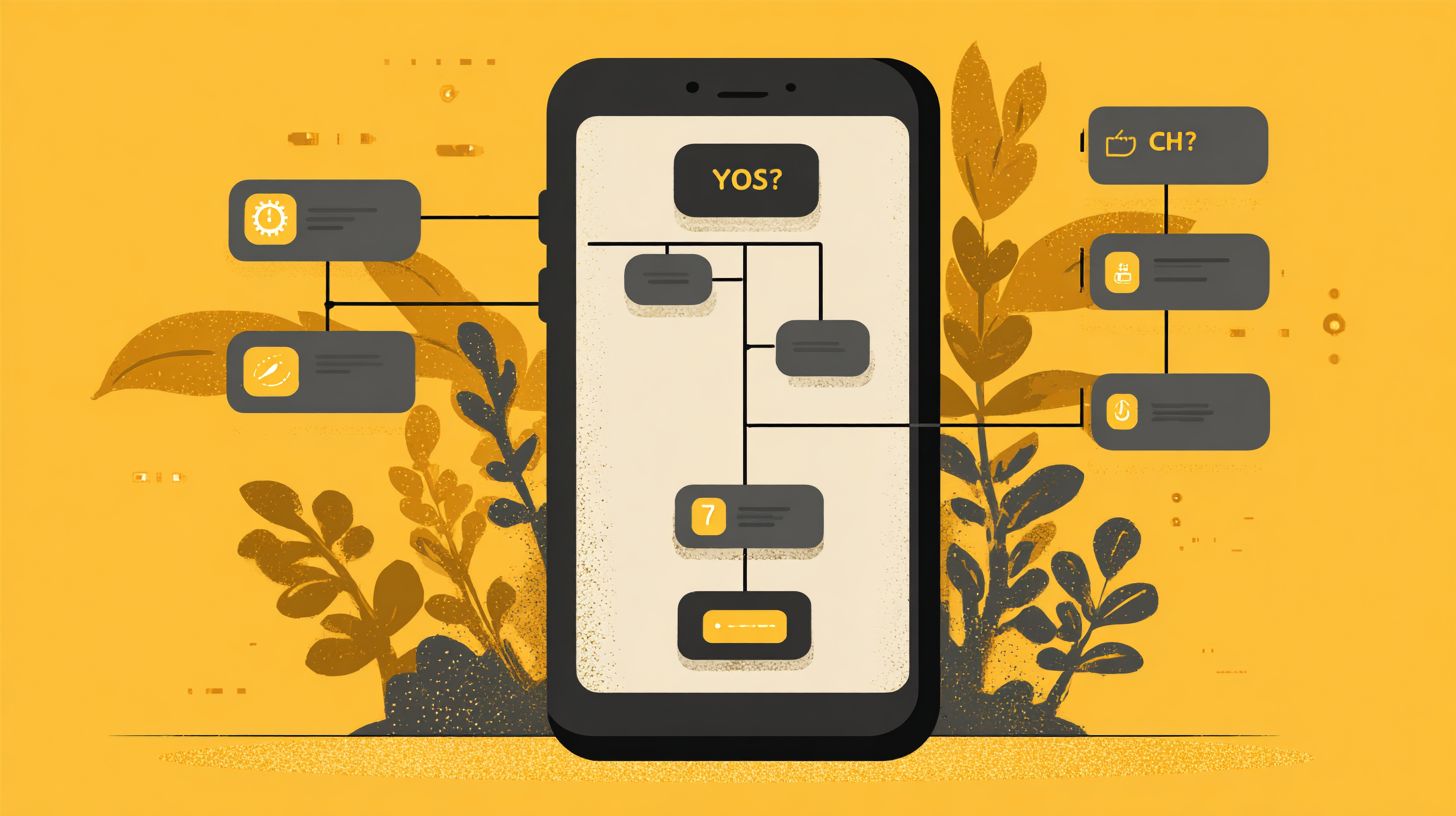
Decision trees elevate user experience by delivering relevant, context-aware responses that feel intuitive and human-like. They reduce decision fatigue through smart branching that guides users along personalized paths without overwhelming choices. This creates natural interactions, mimicking human conversation in chatbots.
Users benefit from conversational flow that adapts to their inputs, avoiding rigid scripts. Decision trees handle user scenarios efficiently, incorporating branching logic for smooth navigation. This approach enhances satisfaction in customer support and information retrieval tasks.
By focusing on mitigation strategies for decision fatigue, decision trees promote efficiency and scalability. They enable hybrid approaches combining linear and non-linear decisions, tailored to business goals (one of our guides to implementing linear flow in chatbots shows how to balance these effectively). Overall, these structures make chatbot interactions more engaging and effective.
Transitioning to specifics, personalization techniques amplify these gains. Decision trees use decision nodes to route users based on preferences, ensuring context retention. This sets the stage for deeper customization in everyday use cases.
Personalized Interactions
Personalized interactions emerge when decision trees adapt responses to individual user contexts and preferences. They map user inputs to branching paths, creating a routing map that feels custom-built. This boosts engagement through conditional responses and scenario handling.
Key techniques include the following:
- User scenario matching, such as distinguishing a returning customer from a first-time visitor to offer tailored greetings or options.
- Context retention across sessions, remembering past interactions to pick up conversations seamlessly.
- Preference-based routing, directing users to relevant paths based on stated needs like product recommendations.
- Dynamic content insertion, embedding real-time details like availability into responses.
For example, integrating with OnceHub for scheduling allows decision trees to check calendars and propose slots dynamically. A chatbot might ask about time preferences, then route to available appointments via branching logic. This ensures practical, user-centered outcomes.
To validate effectiveness, test with these three user scenarios: a first-time shopper seeking product info, a repeat customer handling returns, and a support query needing escalation. Iterate testing reveals how well personalization aligns with user personas. Experts recommend refining decision nodes based on performance data for optimal results.
Operational Advantages for Businesses
Businesses gain measurable operational wins through decision trees’ ability to scale conversations while cutting support costs. These structures guide chatbot decision processes with clear branching paths based on user inputs. This leads to efficient handling of diverse user scenarios.
Tools like LiveChatAI demonstrate scalability by managing high-volume sessions without performance drops. Decision trees ensure conversational flow remains smooth, even during peak times. This supports business growth without proportional staff increases.
Key advantages include 24/7 efficiency, where chatbots operate nonstop to resolve queries. They reduce agent workload through self-service resolution, freeing humans for complex tasks. Additional benefits involve data collection for machine learning training and compliance via auditable decision paths.
- Scalability: LiveChatAI handles 10k+ sessions, using decision nodes to distribute load effectively.
- 24/7 efficiency: Chatbots provide instant responses, matching natural language processing with conditional responses.
- Reduced agent workload via self-service resolution, handling routine inquiries like order status checks.
- Data collection for ML training, capturing user interactions to refine branching logic.
- Compliance through auditable decision paths, logging every routing map choice for review.
Calculate ROI with this framework: (Deflections x Avg Ticket Value) – Implementation Cost. For example, if deflections save on ticket handling, subtract setup expenses from gains. This quantifies value from decision tree implementations, as seen in rule-based chatbots: benefits and use cases.
Implementation Best Practices
Successful deployment demands strategic planning, rigorous testing, and continuous optimization of decision tree structures.
Teams should follow a clear 7-step implementation roadmap to build effective decision trees in chatbots. The principles of semantic search, discussed in How to Implement Decision Trees in Workplace Chat Bots, show how Google interprets user intent.
This approach ensures alignment with business goals and smooth user interactions. It minimizes errors in conversational flow.
Start by mapping user personas and common scenarios. Use flowchart tools for visual representation of branching paths. Prioritize core paths before expanding to complex non-linear decisions.
Regular iteration based on performance data boosts scalability and efficiency. Incorporate error handling and fallback options early. This roadmap supports hybrid approaches combining rules with natural language processing.
7-Step Implementation Roadmap
- Align with business goals (1 day): Review objectives like customer support or information retrieval. Define key metrics and map decision nodes to outcomes. Involve stakeholders to set starting points.
- Design with flowchart tools (2 days): Create a routing map using tools for visual representation. Outline branching logic, decision nodes, and conditional responses. Test logical flow with sample user inputs.
- Build MVP with 3-5 core paths (3 days): Develop a minimal viable product focusing on high-frequency user scenarios. Implement basic chatbot decision paths for quick wins. Ensure natural interactions from the start.
- User testing with 10-20 sessions (2 days): Conduct sessions with real users to evaluate conversational outcomes. Gather feedback on user experience and scenario handling. Identify pain points in branching paths.
- Implement error handling + fallback options: Add escalation options for missing data or outliers. Design fallback responses to guide users back to main paths. This prevents decision fatigue and improves reliability.
- A/B test branches: Compare variations of decision tree branches. Measure engagement in linear decision versus hybrid approaches. Optimize based on user engagement data.
- Iterate based on performance data: Analyze metrics like completion rates and drop-offs. Refine decision trees using insights from artificial intelligence and machine learning feedback. Repeat testing for ongoing improvements.
Common Pitfalls and Mitigation Strategies
Avoid overly complex branching logic that confuses users. Start simple with linear decision paths and gradually add depth. This maintains interpretability and computational efficiency.
Neglecting user testing leads to poor chatbot performance. Always validate with diverse user personas before full rollout. Experts recommend early testing to catch issues in conversational flow.
Poor error handling frustrates users during unexpected inputs. Build robust fallback options and escalation paths. For example, route unclear queries to live agents seamlessly.
Skipping iteration causes stagnation. Monitor performance data continuously and update trees. This ensures long-term efficiency in handling varied user scenarios and feature importance.
Measuring Decision Tree Effectiveness
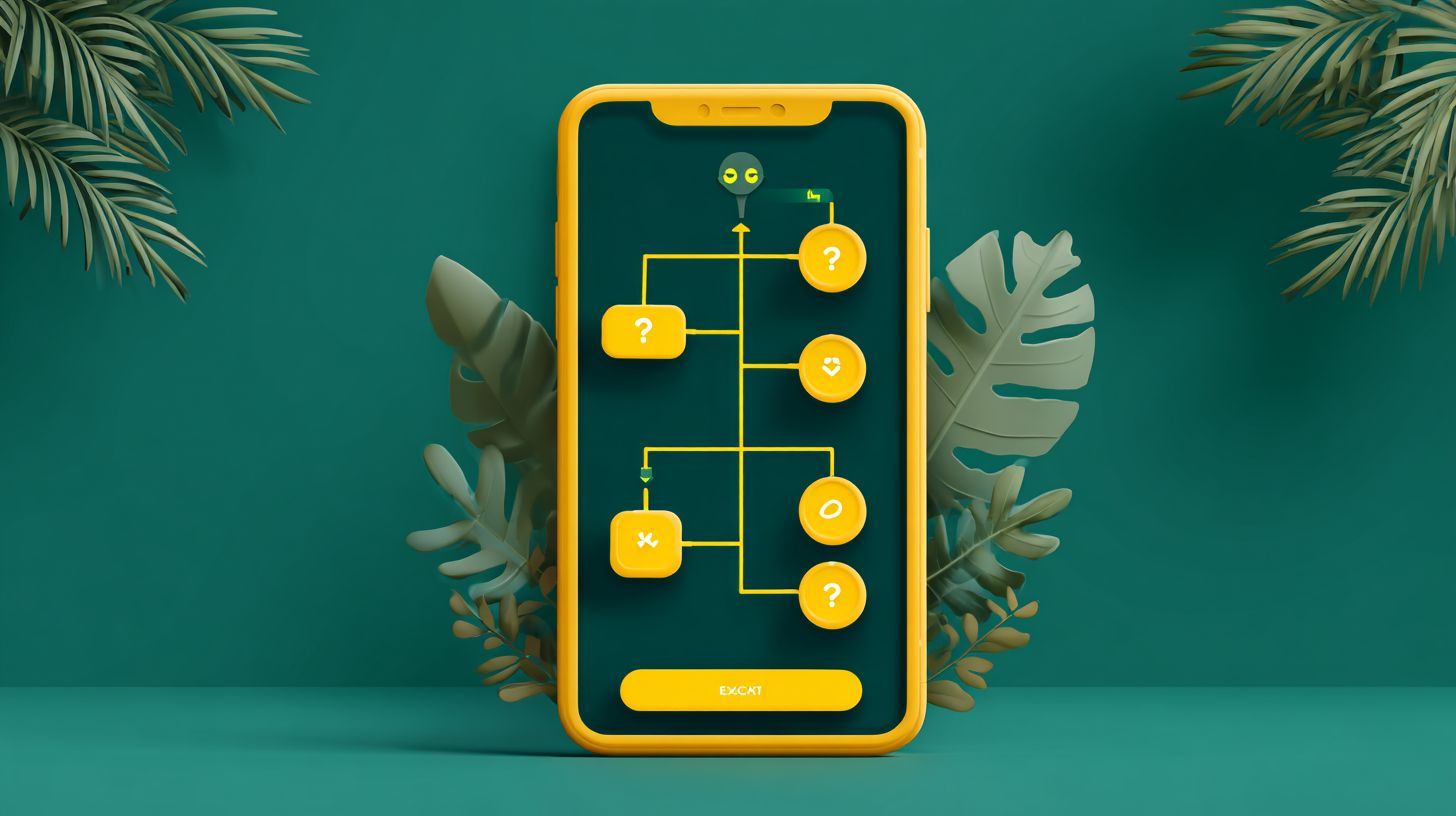
Quantify decision tree success through targeted metrics that balance conversational quality, business impact, and technical performance. These metrics help chatbot developers track how well decision trees guide user interactions and improve overall chatbot performance. Regular measurement ensures alignment with business goals and user experience needs.
Build a metrics dashboard framework to monitor key areas like conversation flow, cost savings, and model accuracy. Group metrics into conversation, business, and technical categories for clear insights. This approach reveals strengths in branching paths and areas needing error handling tweaks.
Experts recommend weekly reviews of performance data to catch issues early in decision nodes and routing maps. Compare results against industry tools like LiveChatAI analytics to identify gaps in scalability and efficiency. Adjust decision trees based on these insights to refine conversational outcomes.
Conversation Metrics
Track conversation metrics to evaluate how decision trees shape user interactions. Focus on completion rate, average turns per conversation, and escalation rate. High completion rates show effective branching logic in handling user inputs.
Completion rate measures sessions ending with resolved queries, indicating strong scenario handling. Average turns reveal if paths lead to quick resolutions or cause decision fatigue. Low escalation rates mean fewer handoffs to human agents, boosting natural interactions.
For example, if a chatbot for customer support uses decision trees to navigate product returns, monitor turns to ensure under five exchanges per resolution. Review these weekly to iterate test paths and add fallback options.
Business Metrics
Business metrics link decision tree performance to real-world value like cost reduction and satisfaction. Key ones include deflection rate and CSAT scores from user feedback. These show how well chatbots meet business goals through efficient routing.
Deflection rate tracks queries handled without agent involvement, highlighting chatbot decision effectiveness. CSAT gauges user satisfaction with conversational flow and conditional responses. Strong scores validate hybrid approaches blending linear and non-linear decisions.
In practice, a high deflection rate in information retrieval scenarios frees agents for complex tasks. Use CSAT to prioritize user personas in decision tree design, ensuring scalability for peak loads.
Technical Metrics
Technical metrics assess the underlying accuracy of decision trees in natural language processing tasks. Prioritize F1 score for intent classification and ROC-AUC for routing accuracy. These quantify how well the model manages user inputs amid missing data or outliers.
F1 score balances precision and recall in classifying intents at decision nodes. ROC-AUC evaluates the routing map’s ability to distinguish paths correctly. High values indicate robust feature importance and computational efficiency.
Monitor these in your dashboard to benchmark against tools like LiveChatAI. For instance, improve ROC-AUC by refining training on diverse user scenarios, enhancing overall interpretability.
Confusion Matrix and Monitoring Cadence
Use a confusion matrix to interpret classification errors in decision trees. It visualizes true positives, false positives, and other outcomes for intent recognition. This guide reveals misclassifications in branching paths, aiding precise adjustments.
| Actual Predicted | Intent A | Intent B |
|---|---|---|
| Intent A | True Positive | False Negative |
| Intent B | False Positive | True Negative |
Set a monitoring cadence with weekly reviews of all metrics. Analyze the matrix to spot patterns in error handling, then iterate test new decision trees. This practice supports machine learning integration and long-term chatbot improvements.
Frequently Asked Questions
What are Decision Trees in Chatbots: Function and Benefits?
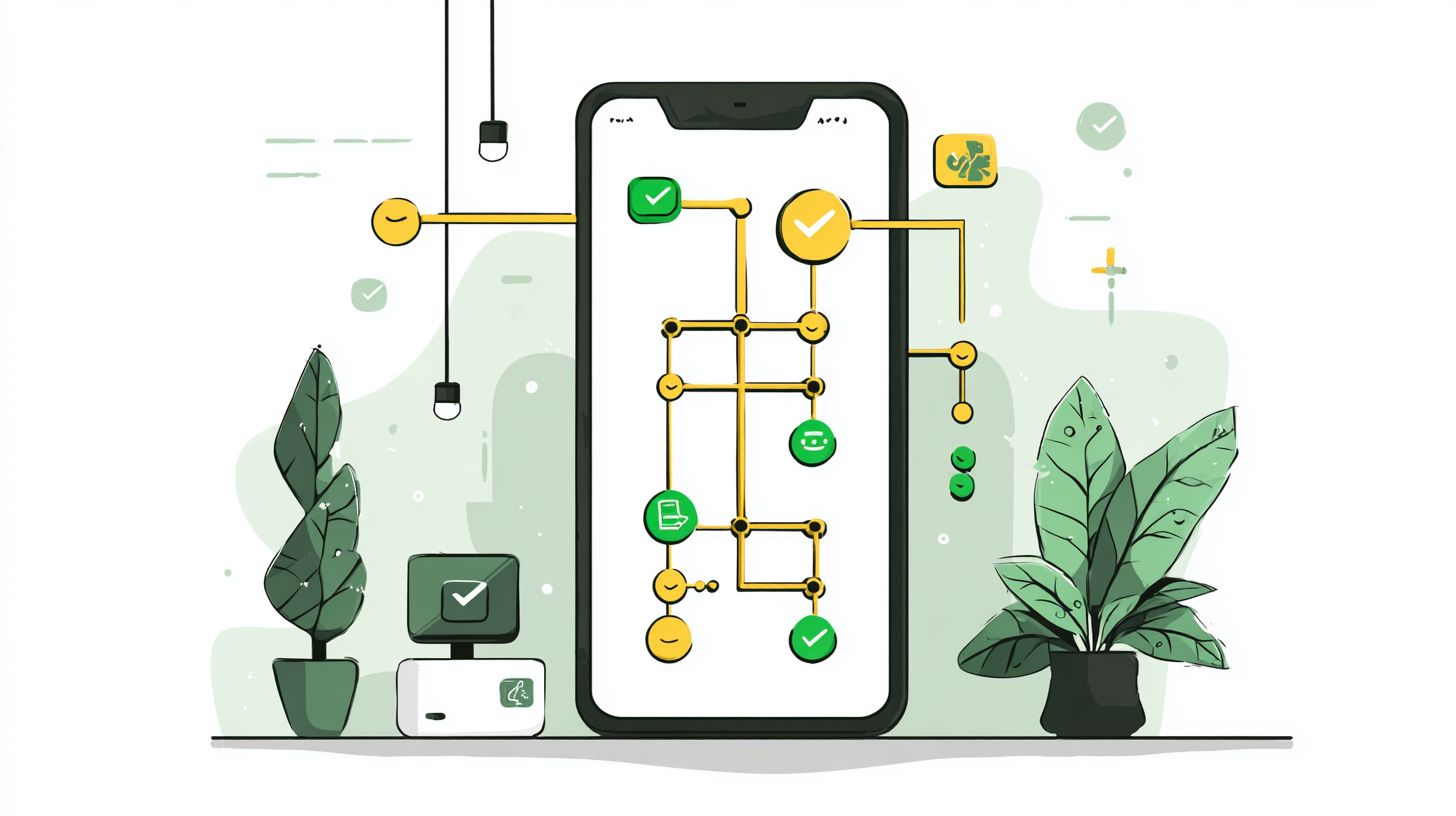
Decision Trees in Chatbots: Function and Benefits refer to a structured model where chatbots use branching logic to guide conversations based on user inputs. The function involves mapping out possible user responses to predefined questions, enabling efficient routing to relevant answers or actions. Benefits include improved user experience through quick resolutions, reduced need for human intervention, and scalable customer support.
How do Decision Trees function in chatbots?
Decision Trees in Chatbots: Function and Benefits highlight that the core function is a tree-like flowchart where each node represents a decision point, typically a user query or intent. Branches lead to subsequent questions or responses, allowing the chatbot to navigate complex dialogues logically and deliver contextually appropriate replies without advanced AI training.
What are the primary benefits of using Decision Trees in chatbots?
Key Decision Trees in Chatbots: Function and Benefits include cost-effectiveness by automating routine queries, enhanced accuracy in handling rule-based scenarios, easier maintenance and updates compared to machine learning models, and higher customer satisfaction through predictable, fast interactions.
When should you use Decision Trees in chatbots over other methods?
Decision Trees in Chatbots: Function and Benefits make them ideal for scenarios with finite, predictable user intents like FAQs, booking systems, or troubleshooting guides. They outperform NLP-heavy chatbots in simplicity and speed for structured domains, offering benefits like low development costs and reliable performance without data dependencies.
Can Decision Trees in chatbots handle complex conversations?
While Decision Trees in Chatbots: Function and Benefits excel in linear or moderately branched flows, they function best for semi-structured talks. Benefits include easy visualization for designers, but for highly dynamic chats, hybrid approaches with AI can extend their capabilities without losing core advantages like transparency and control.
What tools support building Decision Trees in chatbots?
Popular platforms like Dialogflow, Botpress, or Microsoft Bot Framework facilitate Decision Trees in Chatbots: Function and Benefits through visual builders. These tools simplify the function of creating nodes and branches, amplifying benefits such as rapid prototyping, integration with websites or apps, and analytics for ongoing optimization.