Scalable AI Chatbots for Omnichannel Experiences
Building AI chatbots that work seamlessly across web, mobile, and messaging can be tricky when customer volumes spike. This guide shows you how to create scalable AI agents for true omnichannel experiences, from core architecture to performance tweaks. You’ll get the practical steps to handle it all without the headaches.
Key Takeaways:
- 1 Core Architecture Components
- 2 AI and NLP Foundations
- 3 Omnichannel Integration Strategies
- 4 Data Management and Personalization
- 5 Scalability and Performance Optimization
- 6 Security and Compliance Framework
- 7 Deployment and Monitoring Best Practices
- 8 Frequently Asked Questions
- 8.1 What are Scalable AI Chatbots for Omnichannel Experiences?
- 8.2 How do Scalable AI Chatbots for Omnichannel Experiences improve customer engagement?
- 8.3 What makes AI chatbots scalable for omnichannel experiences?
- 8.4 Which platforms support Scalable AI Chatbots for Omnichannel Experiences?
- 8.5 What are the key benefits of using Scalable AI Chatbots for Omnichannel Experiences?
- 8.6 How to implement Scalable AI Chatbots for Omnichannel Experiences?
Defining Omnichannel Experiences

Omnichannel experiences unite web, mobile, voice, SMS, and chat channels into a single, cohesive customer journey. Customers expect continuity in their interactions, no matter the platform. This approach ensures seamless experiences across all touchpoints.
Consider a customer starting a billing inquiry via SMS and then switching to voice without repeating details. Contextual intelligence maintains conversation history across channels, preserving context like account details or previous queries. This prevents frustration and keeps the flow natural.
A real-world example involves a fraud alert via SMS that links directly to live chat for resolution. The AI chatbot pulls in the alert details, verifies identity, and resolves the issue on the spot. Such cross-channel continuity boosts customer satisfaction through frictionless interactions.
Businesses using scalable AI chatbots for omnichannel setups see improved customer service outcomes. These systems handle first-contact resolutions effectively, reducing escalations. Ultimately, this drives loyalty by meeting modern customer expectations for personalization and efficiency.
Core Architecture Components
A robust core architecture forms the foundation for scalable AI chatbots that handle high-volume customer interactions reliably. This setup includes essential layers like frontend interfaces, backend processing, data pipelines, and orchestration layers. These components work together to deliver omnichannel experiences across chat, voice, and SMS.
Key elements such as intent recognition engines analyze user queries for billing inquiries or product recommendations. Response generators then craft personalized replies with contextual intelligence. Integration hubs connect seamlessly with platforms like Shopify or Intercom for real-time data flow.
A modular design allows easy extensibility, enabling teams to add features like fraud alerts or appointment reminders without overhauling the system. This approach supports cross-channel consistency, boosting customer satisfaction through first-contact resolutions. For example, a chatbot can handle troubleshooting on web chat and follow up via SMS.
Orchestration layers manage traffic across AI agents, ensuring operational efficiency. Data pipelines feed analytics for sentiment analysis and predictive insights. This structure powers self-service options, from virtual try-on to sizing recommendations, enhancing ecommerce conversion.
Cloud-Native Infrastructure
Cloud-native infrastructure enables AI chatbots to scale effortlessly during peak demand like Black Friday sales surges. Containerization with Docker and Kubernetes packages applications for consistent deployment across environments. This setup supports rapid adjustments for high customer interactions.
Serverless functions, such as those on AWS Lambda, process requests without managing servers. They activate instantly for tasks like lead qualification or upsells. Managed databases like DynamoDB or Firestore handle real-time data for personalization and helpdesk queries.
Consider a deployment example where a Kubernetes cluster auto-scales pods based on traffic. It expands capacity quickly to maintain seamless experiences during voice calls or live chat spikes. This prevents downtime and supports support automation across channels.
- Use spot instances for non-critical workloads to cut costs during low-demand periods.
- Plan reserved capacity for predictable loads like daily customer service peaks.
- Implement auto-scaling policies tied to metrics like queue length or CPU usage.
These strategies optimize expenses while ensuring conversational AI delivers high CSAT. Teams can focus on integrations and analytics rather than infrastructure maintenance. This foundation drives containment rates and reduces escalations through reliable performance.
AI and NLP Foundations
Advanced AI and natural language processing power chatbots to understand nuanced customer queries beyond simple keyword matching. The core NLP pipeline starts with tokenization, which breaks down user input into manageable units like words or subwords.
Next comes entity recognition and intent classification. These steps identify key details such as product names or user goals, like booking an appointment, ensuring precise customer interactions across chat, voice, and SMS.
Entity extraction pulls out specifics, such as dates for appointment reminders or sizes for sizing recommendations. Transformer models then provide contextual intelligence, enabling chatbots to handle complex troubleshooting or product recommendations by maintaining conversation history.
Retrieval-Augmented Generation, or RAG, enhances responses by grounding them in verified sources. Those curious about the technical implementation might appreciate our AI Chatbot Training: Importance and Techniques.
This approach boosts accuracy for tasks like fraud alerts or billing inquiries, supporting seamless experiences in omnichannel setups and improving customer satisfaction.
LLM Integration and Fine-Tuning
Large language models like GPT-4 deliver human-like conversational AI when properly integrated and fine-tuned for specific domains. Begin with API connection setup, a process that typically takes 2-3 hours to link your AI platform to the LLM provider.
Move to prompt engineering for brand voice, which requires about one day. Craft prompts like: “You are a helpful sales agent for our ecommerce store on Shopify. For a billing inquiry, confirm the issue politely, check the latest invoice details, and offer resolutions such as refunds or payment plans while upholding our friendly tone.” This ensures personalization in customer service.
- Fine-tune with customer transcripts over 3-5 days to adapt the model for domain-specific needs like lead qualification or upsells.
- Implement guardrails to prevent off-topic responses or sensitive data leaks.
Tools like LangChain handle orchestration, while Pinecone supports vector search for RAG, enabling first-contact resolutions in helpdesk scenarios.
These steps drive support automation and operational efficiency. Fine-tuned LLMs excel in sentiment analysis, predictive analytics for product discovery, and cross-channel consistency, reducing escalations and enhancing self-service options.
Omnichannel Integration Strategies
Strategic omnichannel integration connects chatbots across web, mobile apps, WhatsApp, SMS, and voice for truly unified customer service.
API orchestration layers sync conversation state across channels. They maintain contextual intelligence so customers pick up where they left off, like switching from SMS to web chat during a billing inquiry.
Webhook patterns enable real-time messaging with services like Twilio and MessageBird. These handle incoming messages instantly, supporting seamless experiences in high-volume customer interactions.
Channel-specific optimization boosts customer satisfaction. Use WhatsApp for appointment reminders, web chat for virtual try-on experiences, and voice for quick troubleshooting to meet rising customer expectations.
Web, Mobile, and Messaging Channels
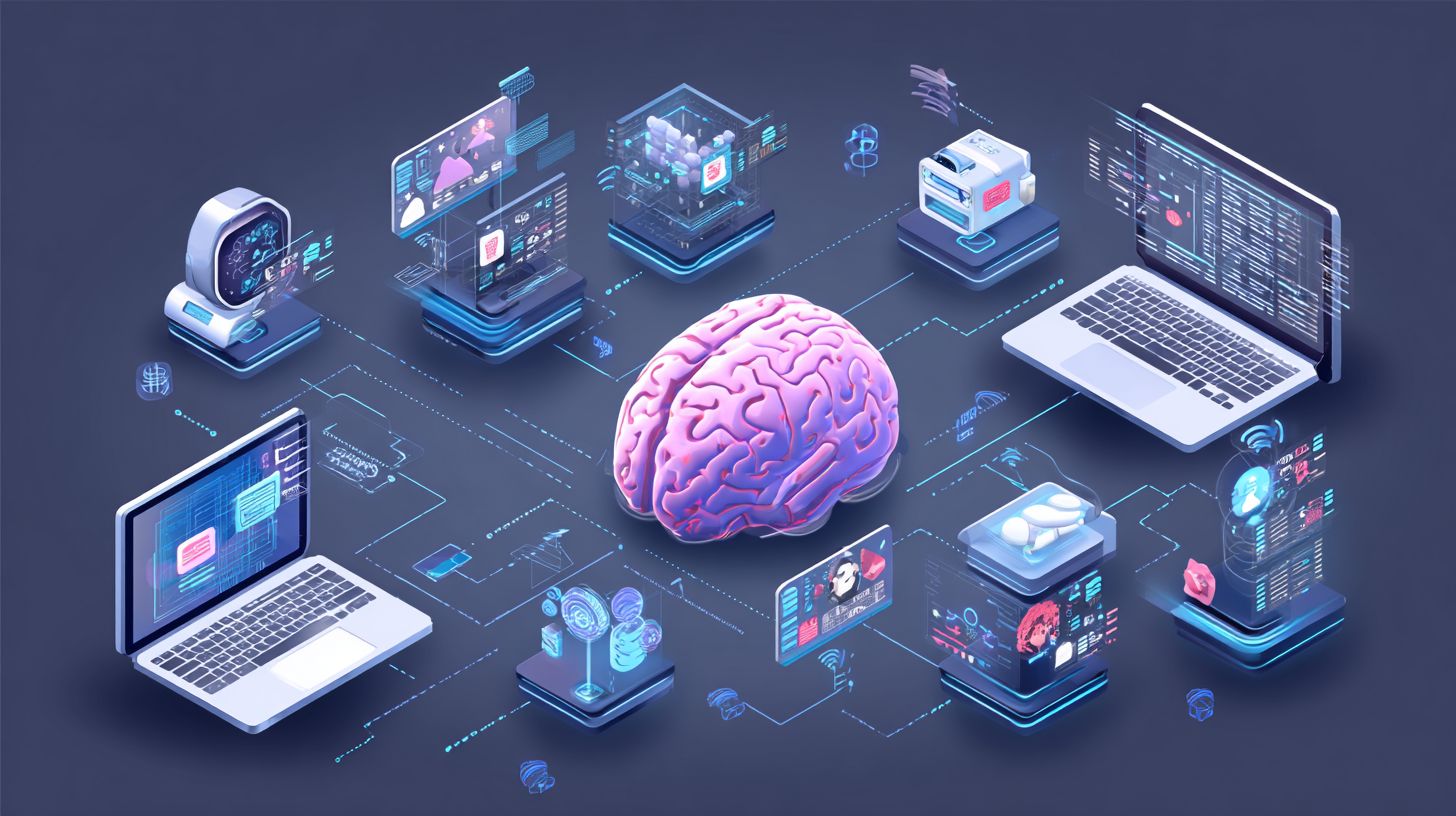
Web widgets, mobile in-app messaging, and SMS channels each require tailored integration approaches for optimal performance.
These channels support rich media and fallback strategies to ensure first-contact resolutions. Proper setup enhances personalization and self-service options across ecommerce platforms like Shopify.
| Channel | SDK/API | Rich Media Support | Fallback Strategy |
|---|---|---|---|
| Web | Intercom SDK | Images, carousels | |
| Mobile | Drift SDK | Deep links | Push notifications |
| SMS | Twilio API | Links only | Voice IVR |
For web integration, embed a widget with simple code. Use a script tag like <script src="intercom-sdk.js"></script> to initialize the AI agent and enable carousels for product recommendations.
Mobile deep linking connects in-app chat to specific screens. Implement with drift://open?conversationId=123 to guide users to sizing recommendations or upsells during product discovery.
SMS via Twilio handles support automation with link-based responses. Fallback to voice IVR ensures continuity for fraud alerts or lead qualification, improving operational efficiency.
Data Management and Personalization
Effective data management transforms raw customer interactions into personalized experiences that boost engagement and conversions. A robust customer data platform (CDP) serves as the core architecture for scalable AI chatbots in omnichannel setups. It links chat transcripts, purchase history, and behavioral data across voice, SMS, chat, and ecommerce channels.
CDPs unify these sources into a single customer view, enabling contextual intelligence for AI agents. For instance, a chatbot on Shopify can access past billing inquiries or troubleshooting sessions to provide seamless experiences. This integration supports cross-channel personalization without silos.
Real-time personalization shines through dynamic upsells based on browsing history or sizing recommendations from past purchases. During a chat, the AI agent might suggest matching accessories if a customer views shoes, drawing from their profile. Such tactics enhance product discovery and average order value (AOV).
GDPR-compliant data flows ensure secure handling with built-in consent management. Customers opt-in for data use, and chatbots respect preferences during interactions like fraud alerts or appointment reminders. This builds trust while powering conversational AI for higher customer satisfaction.
Scalability and Performance Optimization
Performance optimization ensures AI chatbots maintain sub-second response times even during massive traffic spikes. This keeps customer expectations met across omnichannel experiences like chat, voice, and SMS. Optimized systems support seamless customer interactions without delays.
Benchmarking targets include P95 latency under 800ms and 99.9% uptime. These goals help conversational AI handle high volumes of queries, from billing inquiries to product recommendations. Consistent performance boosts customer satisfaction and first-contact resolutions.
Key techniques involve caching strategies with Redis for quick data retrieval during peak loads. Query optimization reduces database strain, while model distillation creates smaller LLMs for faster inference. These methods enhance operational efficiency in ecommerce and support automation.
Real-time performance monitoring tools like Datadog and New Relic track metrics in real time. They alert teams to issues in AI agents, ensuring proactive fixes. This setup supports cross-channel personalization and intent recognition for better self-service.
Auto-Scaling and Load Balancing
Auto-scaling automatically adjusts compute resources based on real-time traffic patterns and conversation volume. This ensures AI chatbots manage surges in customer service demands, like troubleshooting or appointment reminders. It maintains seamless experiences across channels.
Configure systems with these steps:
- Set CPU and memory thresholds at sensible levels to trigger scaling.
- Implement horizontal pod autoscaler for dynamic pod adjustments.
- Use canary deployments to test updates safely on subsets of traffic.
- Apply circuit breaker patterns to prevent cascading failures during overloads.
Tools such as Kubernetes HPA and AWS Auto Scaling Groups make this practical. For instance, a system can scale from handling 10 to 100 concurrent conversations in under two minutes. This supports omnichannel flows, including virtual try-on or fraud alerts.
Load balancing distributes traffic evenly, improving response times for lead qualification and upsells. It integrates with analytics for sentiment analysis and predictive insights. Overall, these practices drive CSAT and containment rates in helpdesk scenarios.
Security and Compliance Framework
Enterprise-grade security protects sensitive customer data while ensuring regulatory compliance across global operations. Scalable AI chatbots for omnichannel experiences rely on a strong framework to handle interactions via voice, SMS, and chat securely. This approach builds trust in customer service and supports seamless experiences.
The framework rests on key pillars like data encryption using TLS 1.3 and AES-256, which safeguard information during transmission and storage. For example, when a customer submits a billing inquiry through an AI agent, encryption prevents unauthorized access. Identity management with OAuth 2.0 ensures only verified users engage in cross-channel conversations.
Audit logging tracks all customer interactions for transparency, while PII redaction automatically masks personal details in logs. This supports operational efficiency in helpdesks and enables quick reviews for troubleshooting or fraud alerts. Compliance checklists cover PCI-DSS for payments, GDPR for EU customers, and HIPAA for healthcare scenarios, including compliance checks for WhatsApp API integrations.
- Implement velocity checks to limit login attempts and detect unusual patterns in ecommerce chats.
- Use behavioral biometrics to analyze typing speed or voice patterns for fraud detection during product recommendations.
- Integrate sentiment analysis in audit logs to flag escalations early in support automation.
Data Encryption and Identity Management
Data encryption with TLS 1.3 protects data in transit across omnichannel platforms like Shopify integrations. AES-256 secures stored conversation histories from AI search queries or appointment reminders. This ensures customer expectations for privacy are met in every interaction.
OAuth 2.0 handles identity management by issuing secure tokens for user sessions in voice or chat. For instance, a sales agent chatbot verifies identity before offering upsells or sizing recommendations. This prevents unauthorized access during high-stakes customer interactions.
Combine these with contextual intelligence to maintain secure, personalized flows. Experts recommend regular key rotations to bolster defenses against evolving threats in conversational AI.
Audit Logging and PII Redaction

Audit logging captures every step of customer interactions, from intent recognition to first-contact resolutions. This aids analytics for improving CSAT and containment rates in self-service options. Logs help trace issues in virtual try-on or lead qualification chats.
PII redaction removes sensitive info like names or addresses from records automatically. In a fraud alert scenario via SMS, redacted logs still provide full context for investigations without privacy risks. This balances security with operational needs in AI platforms.
Regular log reviews support predictive analytics for trends in escalations or AOV boosts. Actionable advice includes setting retention policies aligned with compliance rules.
Compliance Checklist and Fraud Detection
The compliance checklist includes PCI-DSS for secure payment handling in ecommerce chats, GDPR for data protection in EU personalization, and HIPAA for health-related appointment reminders. This framework ensures global scalability for omnichannel deployments. Teams should map regulations to specific channels like voice or chat.
Fraud detection uses behavioral biometrics to spot anomalies in user behavior during product discovery. Velocity checks monitor rapid queries, such as multiple billing inquiries, triggering alerts. This protects against threats while enabling smooth customer experiences.
- Train AI agents on compliance rules for proactive checks in cross-channel support.
- Conduct periodic audits to verify adherence in integrations and analytics.
- Leverage fraud tools for real-time intervention in high-risk interactions like upsells.
Deployment and Monitoring Best Practices
Strategic deployment and continuous monitoring maximize chatbot ROI through data-driven optimization. A well-structured CI/CD pipeline ensures smooth transitions from development to live omnichannel environments. This approach supports seamless experiences across chat, voice, and SMS for customer interactions.
Start with GitHub Actions to automate builds and tests. Deploy to a staging environment first, where teams validate conversational AI responses for scenarios like billing inquiries or product recommendations. Once approved, promote changes to production to maintain operational efficiency.
Key metrics dashboards track performance with CSAT, first-contact resolution rate, containment, and average handle time. Use these insights to refine AI agents handling troubleshooting or appointment reminders. Regular reviews help meet customer expectations in cross-channel support.
Implement an A/B testing framework for prompt variations, comparing outcomes in real customer service flows. Set up alerting via Datadog SLOs for metric degradation, such as drops in containment during peak ecommerce traffic. This proactive monitoring boosts customer satisfaction and reduces escalations.
Setting Up Your CI/CD Pipeline
Build a reliable CI/CD pipeline using GitHub Actions for scalable AI chatbots. Automate testing of intent recognition and contextual intelligence in staging before production rollout. This minimizes downtime in omnichannel deployments supporting chat and voice channels.
Configure workflows to run unit tests on prompt variations for use cases like lead qualification or sizing recommendations. Integrate with your AI platform to simulate customer interactions, ensuring self-service options work flawlessly. Staging mirrors production for realistic validation of integrations.
Promote releases with approval gates, allowing teams to check personalization features such as upsells in ecommerce flows. Monitor pipeline success rates to identify bottlenecks early. This setup enhances support automation across helpdesk and sales agent scenarios.
Essential Metrics to Track
Focus on core metrics dashboards displaying CSAT, first-contact resolution rate, containment, and average handle time. These indicators reveal how well AI agents handle fraud alerts or product discovery queries. Track them to optimize customer experience in real time.
- CSAT measures satisfaction after conversational AI interactions like virtual try-on sessions.
- First-contact resolution rate tracks resolutions without escalations in billing or troubleshooting.
- Containment gauges self-service success for appointment reminders or AI search.
- Average handle time monitors efficiency in cross-channel communications.
Combine these with sentiment analysis to detect frustration in SMS or chat exchanges. Use predictive analytics to forecast trends in customer interactions. Regular dashboard reviews drive improvements in conversion and AOV for Shopify integrations.
A/B Testing and Alerting Strategies
Deploy an A/B testing framework to compare prompt variations in live omnichannel settings. Test differences in handling product recommendations versus troubleshooting to boost first-contact resolutions. Analyze results to select high-performing versions for production.
Set up Datadog SLOs for alerting on metric degradation, such as falling CSAT during high-volume periods. Configure thresholds for containment drops in voice channels or increased average handle time in chat. Immediate notifications enable quick fixes to maintain seamless experiences.
Incorporate analytics from tests into iterative updates, focusing on personalization for upsells or lead qualification. Pair alerting with automated rollbacks for safety. This data-driven loop ensures operational efficiency and sustained customer satisfaction across all channels.
Frequently Asked Questions
What are Scalable AI Chatbots for Omnichannel Experiences?
Scalable AI Chatbots for Omnichannel Experiences are advanced conversational AI systems designed to handle high volumes of interactions across multiple channels like websites, mobile apps, social media, and messaging platforms such as WhatsApp or Facebook Messenger. They scale dynamically to meet demand without performance loss, providing consistent, personalized user experiences regardless of the touchpoint.
How do Scalable AI Chatbots for Omnichannel Experiences improve customer engagement?
Scalable AI Chatbots for Omnichannel Experiences boost customer engagement by delivering 24/7 instant responses, maintaining context across channels for seamless conversations, and using natural language processing to understand nuanced queries. This leads to higher satisfaction, reduced wait times, and increased conversion rates through personalized recommendations and proactive support.
What makes AI chatbots scalable for omnichannel experiences?
Scalability in AI Chatbots for Omnichannel Experiences comes from cloud-based architectures, auto-scaling infrastructure like Kubernetes, and efficient machine learning models that handle thousands of concurrent sessions. They integrate with APIs for real-time data syncing across channels, ensuring reliability during peak loads without compromising speed or accuracy.
Which platforms support Scalable AI Chatbots for Omnichannel Experiences?
Popular platforms for implementing Scalable AI Chatbots for Omnichannel Experiences include Dialogflow, Microsoft Bot Framework, and custom solutions on AWS Lex or Google Cloud. These support integrations with CRM systems like Salesforce, e-commerce platforms like Shopify, and channels including email, SMS, voice assistants, and in-app messaging for a unified experience.
What are the key benefits of using Scalable AI Chatbots for Omnichannel Experiences?
Key benefits of Scalable AI Chatbots for Omnichannel Experiences include cost savings by automating up to 80% of routine inquiries, enhanced data insights from cross-channel analytics, improved operational efficiency, and the ability to personalize interactions at scale using customer data, ultimately driving loyalty and revenue growth.
How to implement Scalable AI Chatbots for Omnichannel Experiences?
To implement Scalable AI Chatbots for Omnichannel Experiences, start with defining use cases, choose a robust AI platform, train models on domain-specific data, integrate with existing systems via APIs, test across channels for consistency, and monitor performance with analytics tools. Ensure compliance with data privacy regulations like GDPR for secure, scalable deployment.