Messaging for Offline Chat Hours: User Engagement Tips
Ever notice how offline messages can keep your users hooked even when live chat isn’t an option? This guide breaks down practical tips for crafting those messages during off-hours to boost engagement in your chat software. You’ll pick up strategies that build loyalty and keep conversations going strong.
Key Takeaways:
- 1 Understanding Offline Chat Hours
- 2 Why Messaging Matters During Offline Times
- 3 Core Principles of Offline Messaging
- 4 Personalization Strategies
- 5 Content Types That Engage
- 6 Timing and Frequency Best Practices
- 7 Call-to-Action Optimization
- 8 Measuring Engagement Success
- 9 Frequently Asked Questions
- 9.1 What is “Messaging for Offline Chat Hours: User Engagement Tips”?
- 9.2 Why should I use Messaging for Offline Chat Hours: User Engagement Tips?
- 9.3 How do I set up Messaging for Offline Chat Hours: User Engagement Tips effectively?
- 9.4 What are some key Messaging for Offline Chat Hours: User Engagement Tips for personalization?
- 9.5 Can Messaging for Offline Chat Hours: User Engagement Tips improve retention?
- 9.6 What common mistakes to avoid in Messaging for Offline Chat Hours: User Engagement Tips?
Understanding Offline Chat Hours
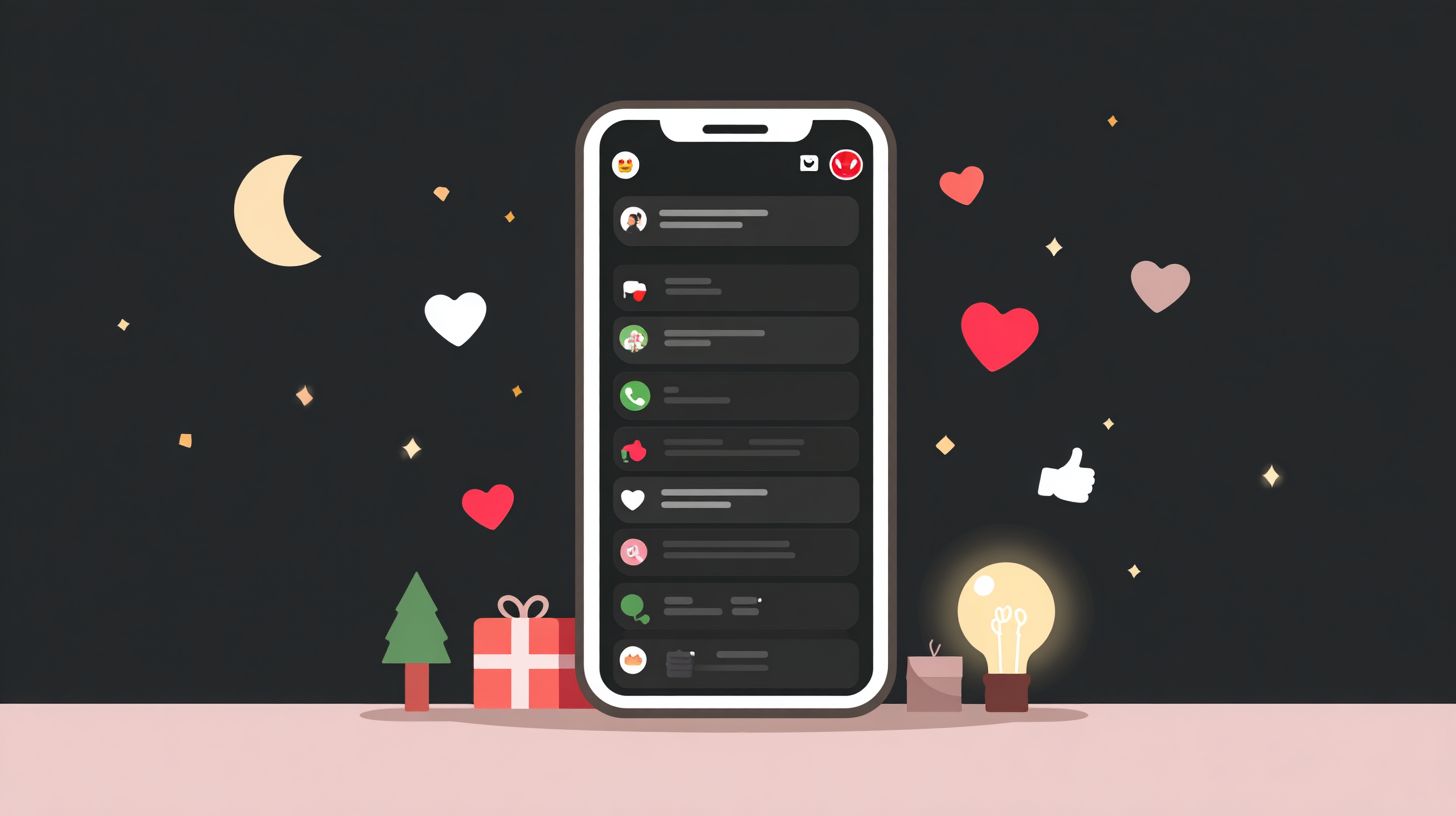
Offline chat hours occur when your live chat support team isn’t available, leaving site visitors with automated responses instead of instant agent help. Chat software detects this status by monitoring agent login times and schedules set in the system. During these periods, it automatically switches to offline messages to maintain customer engagement.
This transition ensures customer service continues smoothly outside business hours. For example, a thank you message can acknowledge the visitor’s interest and offer a callback option for later. Tools like chatbots handle initial queries, guiding users to self-service resources.
Proactive offline messaging keeps the conversation alive. It prevents site visitors from feeling ignored and supports user engagement through personalized updates or follow-up prompts. Integrating with CRM systems allows seamless handoffs when agents become available again.
Features such as queue management and in-app messaging further enhance this process. Businesses using platforms like JivoChat or GoTo Connect report better retention rates by bridging gaps in the customer journey. This approach turns offline time into opportunities for lead nurturing and churn prevention.
Defining Peak Offline Periods
Peak offline periods typically align with after-hours, weekends, or holidays when agents aren’t available. Use chat software analytics to review site visitor traffic patterns and spot these windows. Historical live chat logs reveal when inquiries spike without agent responses.
Start by examining dashboards for peak visit times, such as evenings after business hours. Look for patterns like high traffic on weekends when your support team logs off. This data helps tailor offline messages for maximum impact.
Combine analytics with tools like feedback surveys to confirm these periods. For instance, if logs show frequent cart abandonment queries at night, set up automated SMS messaging or push notifications. Platforms such as Braze or MessageGears excel at identifying these trends for re-engagement.
- Analyze hourly traffic to find consistent low-agent periods.
- Review chat logs for unanswered questions during specific days.
- Track feature discovery interactions to prioritize messaging content.
- Monitor subscription upsell opportunities in offline logs.
Once identified, customize messages for loyalty rewards or onboarding during these times. This strategy boosts customer satisfaction and supports the full customer lifecycle, much like how apps from Spotify or Waze use timed notifications for retention.
Why Messaging Matters During Offline Times
Sending thoughtful offline messages bridges the gap when your support team steps away, maintaining customer satisfaction through continued connection.
During business hours closure, site visitors often feel abandoned without live agents. A simple thank you message or callback option keeps them engaged, showing your brand cares beyond real-time support.
Consider a retail site where shoppers browse after hours. An “Our team is offline now, but agents available tomorrow at 9 AM-leave a message for a quick follow up” note reassures them, fostering trust without live chat.
This approach uses chat software like JivoChat to deliver personalized updates, turning potential frustration into positive user engagement. It supports the full customer journey from onboarding to retention.
Building Anticipation and Loyalty
Offline messages turn waiting time into an opportunity to build excitement and deepen loyalty.
Tease upcoming promotions or loyalty rewards in your messages to encourage return visits. For example, a fashion site might send, “Excited for our weekend sale? Check back tomorrow for exclusive deals.”
Integrate with CRM tools for personalized updates, like reminding users of abandoned carts with a gentle nudge. This re-engagement tactic boosts retention rates organically through self-service options.
- Highlight feature discovery for new users, such as in-app messaging tips.
- Offer feedback surveys to gather insights during off-peak times.
- Suggest subscription upsell previews to nurture leads.
Core Principles of Offline Messaging
Effective offline messaging follows simple principles: acknowledge the visitor, offer value, and guide next steps. Start with a friendly thank you message to show appreciation for their interest during business hours. This sets a supportive tone right away.
Next, provide self-service links through chatbots to enable site visitors. For example, direct them to FAQs or tutorials for quick resolutions. This keeps customer engagement high even when agents are unavailable.
Always promise a timely follow up to build trust. Mention when the support team returns or offer a callback option. Such steps ensure every interaction feels professional and caring.
Integrate these principles into your chat software for seamless queue management. Tools like JivoChat handle offline messages efficiently, boosting customer satisfaction across the customer journey.
Personalization Strategies
Personalization in offline messages makes customers feel seen, even outside business hours. Tools like JivoChat with CRM integrate pull customer journey data to craft tailored responses. This approach boosts user engagement by addressing specific needs.
Start by connecting your live chat software to CRM systems for real-time insights into user behavior. For example, if a visitor explored pricing pages, send a thank you message with a callback option. Such touches improve customer satisfaction without agents available.
Prepare for detailed segmentation techniques by mapping the customer lifecycle. Curious about personalization in chatbots: techniques and engagement? Use data from chatbots and site visits to personalize updates on feature discovery or subscription upsell. This keeps engagement high during off-hours.
Offline personalization also aids churn prevention and re-engagement. A simple follow-up on cart abandonment via in-app messaging can guide users to self-service options. Consistent efforts build loyalty over time.
Segmenting Your Audience
Divide your audience into groups based on behavior to deliver relevant offline messages. This ensures messages align with where users are in their customer journey, from onboarding to lead nurturing. Proper segments enhance customer engagement.
Follow these steps for effective segmentation using JivoChat or CRM integrate tools:
- Tag users by stage, such as onboarding for new sign-ups or lead nurturing for active prospects.
- Create segments for new vs. returning site visitors, focusing on quick actions like 10-15 minute session reviews.
- Test messages per segment, tracking responses to refine over time.
Avoid over-segmenting to prevent complexity in queue management or message delivery. Start with broad groups like first-time browsers and loyal customers. This keeps your support team productive and messages targeted.
For instance, send personalized updates to returning visitors about loyalty rewards, while new ones get feedback surveys or self-service links. Tools like Braze or MessageGears complement JivoChat for advanced SMS messaging and push notifications. Such strategies support retention rates and overall productivity boost.
Content Types That Engage
Choosing the right content types keeps offline messages fresh and drives user engagement. During business hours when agents are unavailable, versatile options like educational tips or fun facts encourage feature discovery. These messages turn downtime into opportunities for customer engagement and retention.
Offline messages in chat software can highlight self-service tools or chatbot options. For instance, share quick tips on using in-app messaging for faster resolutions. This approach nurtures leads and supports the customer journey without live chat.
Tailor content to site visitors facing cart abandonment or onboarding hurdles. Suggest a callback option or queue management details in a thank you message. Such strategies boost productivity and connect with CRM systems for better follow-up.
Experts recommend mixing personalized updates with loyalty rewards ideas. This keeps users connected, aids churn prevention, and enhances customer satisfaction during offline periods. Tools like JivoChat excel at delivering these engaging formats.
Teasers preview exciting updates to capture attention and prompt action. In offline messages, offer sneak peeks at new features to spark feature discovery. This builds anticipation when your support team is offline.
Suggest subscription upsell for hesitant users with gentle hints about premium perks. For cart abandonment, send reminders like “Check back tomorrow for our latest tool demo”. These nudges re-engage visitors effectively.
Combine teasers with feedback surveys or social sharing prompts to deepen connections. During non-business hours, they guide users toward self-service or SMS messaging alternatives. This supports lead nurturing and loyalty.
Personalize these for the customer lifecycle, from onboarding to retention. Platforms like Braze or MessageGears handle such dynamic content well. Teasers ultimately drive users back for real-time interactions when agents are available.
Timing and Frequency Best Practices
Smart timing and controlled frequency prevent overwhelming customers during offline hours. Businesses using chat software often face challenges with site visitors reaching out outside business hours. Proper messaging strategies keep user engagement high without causing annoyance.
Start with an immediate acknowledgment via chatbots or automated responses. This thank you message reassures customers that their query is noted, even when agents are unavailable. It sets expectations for when the support team will respond.
Follow up after a 2-minute wait if no response comes in, but cap at 2-3 messages per session. Use queue management insights to time re-engagement effectively. For a deep dive into leveraging chatbot insights for engagement, explore how data-driven timing prevents churn. This approach aids churn prevention by nurturing leads without spamming.
- Send instant auto-replies with callback options or self-service links.
- Space follow-ups to match customer journey stages, like onboarding or cart abandonment.
- Integrate with CRM for personalized updates during offline periods.
- Monitor for feedback surveys to refine timing based on real interactions.
A common mistake is over-messaging, which leads to annoyance and drops in customer satisfaction. Tools like JivoChat help track message limits in live chat sessions. Balanced frequency boosts retention rates and supports features like subscription upsell.
Call-to-Action Optimization
Strong calls-to-action (CTAs) in offline messages guide site visitors to valuable next steps. These prompts keep user engagement alive even when live chat agents are unavailable. They direct customers toward self-service options or future interactions.
Use action verbs like “Schedule your callback” or “Share your thoughts” to spark immediate responses. In offline chat hours, such CTAs in chat software boost conversions by offering clear paths forward. Pair them with a friendly thank you message for better customer satisfaction.
Offer a callback option for urgent needs in your offline responses. This feature integrates with CRM systems to ensure the support team follows up promptly during business hours. It turns potential frustration into a positive step in the customer journey.
- Link to feedback surveys after chats to gather insights on customer service.
- Encourage social sharing with phrases like “Tell your network about us.”
- Promote self-service resources, such as knowledge bases or chatbots, for quick resolutions.
Tools like JivoChat or GoTo Connect excel at embedding these CTAs in in-app messaging. They help with lead nurturing and re-engagement during off-hours. This approach supports churn prevention and improves retention rates over time.
Measuring Engagement Success
Track key metrics in tools like JivoChat or Chatdaddy to gauge offline messaging impact. These platforms offer built-in analytics for live chat and offline messages, helping you see how user engagement shifts during business hours or when agents available status changes.
Focus on response rates to CTAs in your thank you message or callback option. For example, measure how many site visitors click a schedule a callback button after hours, which ties directly to lead nurturing and re-engagement.
Monitor time to follow up conversions from offline messages to sales. Compare pre- and post-implementation data to spot productivity boost in your support team, especially when integrating with CRM for a full view of the customer journey.
Collect customer satisfaction scores via post-chat feedback surveys or in-app messaging. Use these alongside retention rates and churn prevention metrics to refine queue management and self-service options with chatbots.
Frequently Asked Questions
What is “Messaging for Offline Chat Hours: User Engagement Tips”?
Messaging for Offline Chat Hours: User Engagement Tips refers to strategies and best practices for sending targeted messages to users during times when live chat support is unavailable, such as nights or weekends, to maintain engagement, build trust, and encourage return visits without frustrating users.
Why should I use Messaging for Offline Chat Hours: User Engagement Tips?
Using Messaging for Offline Chat Hours: User Engagement Tips helps keep your audience connected even outside business hours, reduces churn rates, boosts satisfaction by acknowledging inquiries promptly, and drives conversions by nurturing leads through automated, personalized responses.
How do I set up Messaging for Offline Chat Hours: User Engagement Tips effectively?
To set up Messaging for Offline Chat Hours: User Engagement Tips, configure auto-responders in your chat platform to detect offline status, craft empathetic messages with clear next steps, segment users based on behavior, and test timing to ensure messages align with user time zones for maximum impact.
What are some key Messaging for Offline Chat Hours: User Engagement Tips for personalization?
Key Messaging for Offline Chat Hours: User Engagement Tips for personalization include using the user’s name, referencing their specific query or past interactions, offering tailored resources or FAQs, and including a personal touch like humor or empathy to make offline responses feel human and engaging.
Can Messaging for Offline Chat Hours: User Engagement Tips improve retention?
Yes, Messaging for Offline Chat Hours: User Engagement Tips significantly improves retention by showing users they’re valued 24/7, providing immediate value through helpful info or callbacks, and creating anticipation for live support, leading to higher loyalty and repeat engagement.
What common mistakes to avoid in Messaging for Offline Chat Hours: User Engagement Tips?
Common mistakes to avoid in Messaging for Offline Chat Hours: User Engagement Tips include generic templated replies that feel robotic, over-promising on response times, sending too many messages, ignoring time zones, or failing to follow up, all of which can harm user trust and engagement.