AI Chatbots vs. Basic Chatbots: Differences
Ever wondered what sets AI Chatbots apart from basic ones? You’re probably dealing with chat interfaces daily, and understanding their differences can help you pick the right tool for your needs. This breakdown covers everything from core tech to real-world use cases, making AI Chatbots vs. Basic Chatbots: Differences crystal clear.
Key Takeaways:
- 1 Definitions and Core Concepts
- 2 Technology Foundations
- 3 Key Functional Differences
- 4 Capabilities Comparison
- 5 Performance and Scalability
- 6 Deployment and Costs
- 7 Use Cases and Applications
- 8 Frequently Asked Questions
- 8.1 What are the main differences between AI Chatbots and Basic Chatbots?
- 8.2 How does natural language understanding differ in AI Chatbots vs. Basic Chatbots?
- 8.3 Can Basic Chatbots learn from user interactions like AI Chatbots?
- 8.4 What are the scalability and customization options in AI Chatbots vs. Basic Chatbots?
- 8.5 How do response times and handling complexity compare in AI Chatbots vs. Basic Chatbots?
- 8.6 What are the cost implications of AI Chatbots vs. Basic Chatbots?
Definitions and Core Concepts
“` 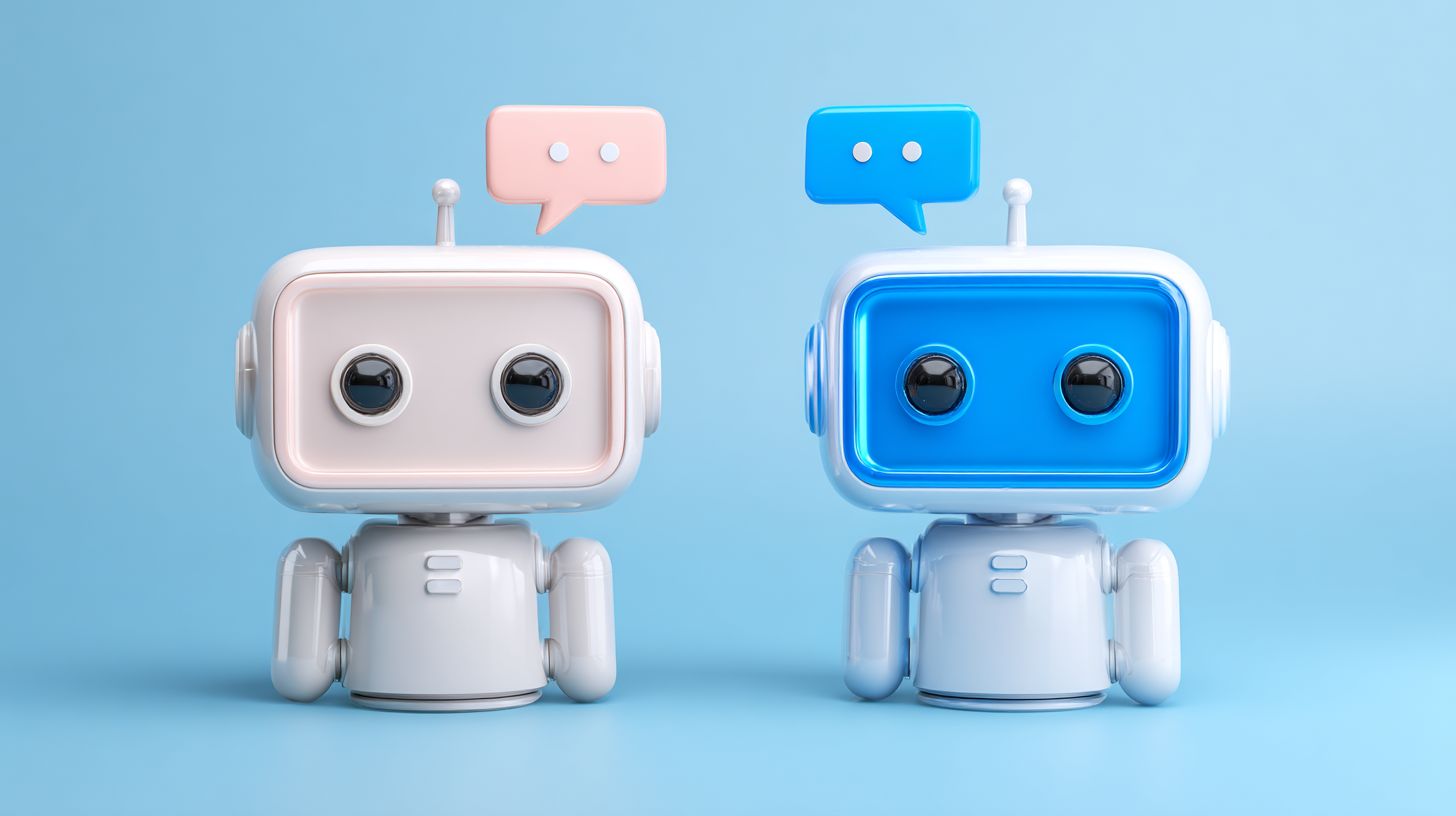
Understanding the distinction between basic chatbots and AI chatbots starts with clear definitions of their core concepts. Basic chatbots use fixed scripts and rules to handle common queries. In contrast, AI chatbots process language dynamically to create natural conversations.
This difference sets the stage for deeper comparisons in AI Chatbots vs. Basic Chatbots: Differences. This differs significantly from implementing decision trees, which power the rule-based paths of basic chatbots. Basic versions suit simple tasks like answering FAQs. AI versions excel in complex interactions that require context and adaptation.
Everyday language helps clarify these ideas. Imagine a basic chatbot as a choose-your-own-adventure book with limited paths. An AI chatbot acts like a knowledgeable friend who responds fluidly to any topic.
Grasping these foundations reveals why businesses choose one over the other. Basic chatbots offer quick deployment for routine support. AI chatbots provide scalable solutions for evolving customer needs.
“`
Basic Chatbots
Basic chatbots rely on predefined rules and scripts to respond to user inputs. They match keywords in messages to trigger set replies. This approach keeps interactions predictable and straightforward.
Key traits include decision trees and a limited response library. For example, a website FAQ bot checks if a user types “shipping” and replies with standard policy text. Tools like Dialogflow Essentials or custom if-then logic make setup fast without coding expertise.
These chatbots shine in high-volume, repetitive scenarios. They handle tasks such as booking appointments or retrieving account details. Simplicity allows non-technical teams to build and maintain them easily.
- Keyword matching for quick pattern recognition
- Decision trees to branch responses logically
- Limited library of prewritten answers
- Fast integration on websites or apps
While effective for basic needs, they struggle with unexpected queries. Users often feel frustrated by rigid paths. Still, their low cost and ease make them ideal starters in AI Chatbots vs. Basic Chatbots: Differences.
AI Chatbots
AI chatbots leverage artificial intelligence to understand and generate human-like responses. They use neural networks and natural language processing to interpret intent beyond simple keywords. This enables fluid, context-aware conversations.
Examples include conversational AI like ChatGPT, which handles open-ended questions creatively. These systems learn from interactions, refining accuracy over time. Technologies process nuances like slang or follow-up questions seamlessly.
Practical benefits emerge in customer service or sales. An AI chatbot remembers prior messages in a session for personalized replies. Experts recommend them for scenarios demanding empathy or problem-solving.
- Neural networks for language comprehension
- Dynamic response generation
- Learning from user data
- Context retention across messages
In AI Chatbots vs. Basic Chatbots: Differences, AI versions stand out for scalability. They adapt to growing data volumes without manual updates. This positions them as future-proof tools for engaging user experiences.
Technology Foundations
The technology foundations reveal why AI chatbots outperform basic ones in complexity and flexibility. Basic chatbots rely on rigid rule-based systems, while AI chatbots use adaptive machine learning models. This contrast shapes their ability to handle conversations in the AI Chatbots vs. Basic Chatbots: Differences.
Rule-based systems follow predefined paths, matching user inputs to fixed responses. They work well for simple queries but struggle with variety. AI models, powered by natural language processing, learn from data to generate context-aware replies.
Tools like open-source frameworks highlight these foundations. Basic setups use pattern matching, while AI employs neural networks for deeper understanding. Developers choose based on needs for scalability and nuance.
Understanding this divide helps select the right chatbot type. Basic ones suit scripted interactions, like FAQs. AI excels in dynamic scenarios, adapting to user intent over time.
Rule-Based Systems
Rule-based systems power basic chatbots through hardcoded logic trees. They recognize user intent via pattern matching, where inputs trigger specific responses. This approach suits predictable dialogues, such as order status checks.
The process starts with defining intents, like “booking” or “support.” Developers create rules using tools like IBM Watson Assistant lite or open-source Rasa NLU rules. For example, a phrase like “I want to book a flight” matches a booking intent and pulls predefined options.
- Identify key phrases and synonyms for each intent.
- Build decision trees to route conversations.
- Test with sample inputs and refine matches.
Common pitfalls include failure on unexpected inputs, such as slang or typos. The solution involves manual expansion of rule sets. Regularly update rules to cover edge cases and maintain reliability.
Machine Learning and NLP
Machine learning and natural language processing enable AI chatbots to evolve with data. These systems train on large datasets using frameworks like TensorFlow or Hugging Face transformers. This allows handling of diverse language patterns beyond fixed rules.
Key techniques include entity extraction to identify names or dates, and sentiment analysis for tone detection. For instance, “I’m frustrated with delays” triggers empathetic responses. Models improve by processing real conversations.
- Data ingestion gathers labeled examples, often in minutes.
- Model training runs for hours on cloud resources.
- Fine-tuning adjusts for specific domains with validation splits to avoid overfitting.
Experts recommend starting with pre-trained models for quicker results. Monitor performance and retrain periodically. This workflow makes AI chatbots versatile for complex queries in AI Chatbots vs. Basic Chatbots: Differences.
Key Functional Differences
Key functional differences highlight how AI chatbots manage real-world conversations more effectively. Basic chatbots rely on predefined scripts and keywords. They struggle with unstructured queries and lose track of dialogue flow.
AI chatbots, powered by models like GPT, handle nuances such as follow-up questions and context shifts. This makes them ideal for complex interactions. Basic versions reset after each response, limiting depth.
In AI chatbots vs. basic chatbots, the gap shows in maintaining natural flow. Test both with vague inputs to see differences. AI versions adapt, while basics falter on off-script talks.
Conversation Handling
Basic chatbots handle conversations through rigid patterns, while AI chatbots navigate fluid exchanges. Basic ones focus on single-turn responses, like checking an e-commerce order status. They reset on mismatched keywords, breaking the flow.
AI chatbots excel in multi-turn dialogues. They manage follow-ups, such as troubleshooting steps using GPT models. A user might ask about a device issue, then refine details seamlessly.
Consider an example: a basic bot ends after one query. An AI bot continues, asking clarifying questions. To test, try off-script queries like casual chit-chat or vague complaints.
This difference matters in customer service. Basic chatbots suit simple tasks. AI ones build rapport over extended talks, improving user satisfaction.
Context Awareness
Context awareness allows AI chatbots to remember and reference prior messages seamlessly. Basic chatbots lack memory and reset each session. They treat every input as new, forgetting past details.
AI versions use techniques like embeddings or vector stores, such as Pinecone, to track history. In a therapy bot example, it recalls user-shared struggles from earlier sessions. This creates personalized responses.
Implement this with tools like LangChain session variables. Store key facts during chats for later use. Basic bots cannot do this without manual scripting.
The result is deeper engagement. Users feel understood in AI chatbots vs. basic chatbots. Test by referencing old info mid-conversation; AI retains it, basics do not.
Capabilities Comparison
Capabilities comparison shows AI chatbots excelling in dynamic response generation. Basic chatbots rely on fixed scripts and predefined paths. In contrast, AI chatbots adapt to user inputs with natural language understanding.
This difference highlights key contrasts in AI chatbots vs. basic chatbots. Basic versions handle simple queries through rule-based logic. AI models process context and intent for more fluid interactions.
Consider tools like Google Gemini versus traditional rule engines. Rule engines match inputs to outputs from a limited set. Gemini generates responses based on vast training data, enabling complex conversations.
| Feature | Basic Chatbot | AI Chatbot |
|---|---|---|
| Creativity | Limited to templates | Generates novel ideas |
| Accuracy | High for scripted paths | Contextual and improving |
| Personalization | Basic user data rules | Learns from history |
| Scalability | Fixed response sets | Handles varied queries |
Experts recommend evaluating these features for specific use cases. Basic chatbots suit repetitive tasks. AI chatbots fit dynamic customer service needs.
Response Generation
Response generation in basic chatbots pulls from templates, whereas AI chatbots create novel replies. Basic systems select from a small pool of canned responses. AI uses models to craft unique outputs on the fly.
For basic chatbots, developers prepare 10-50 predefined replies matched by keywords. This keeps interactions predictable but rigid. Users notice repetition in extended talks.
AI chatbots leverage prompt engineering with APIs like OpenAI. Set parameters such as temperature=0.7 to balance creativity and focus. This allows tailored, context-aware answers.
- Use clear prompts for consistent AI outputs.
- Implement guardrails for safety, like content filters.
- Test temperature settings to match your needs.
Best practices include monitoring for biases in AI replies. Combine both types for hybrid solutions. This approach optimizes AI chatbots vs. basic chatbots differences in real projects.
Performance and Scalability
Performance and scalability differ markedly, with AI chatbots handling growth through cloud infrastructure. Basic chatbots run efficiently on simple servers, offering low latency for predefined responses. They excel in stable, low-traffic scenarios but struggle with unexpected inputs.
AI chatbots leverage tools like AWS Lambda or Vercel AI SDK for automatic scaling. These platforms manage thousands of concurrent users by distributing workloads across servers. Queuing systems ensure smooth operation during traffic spikes.
Basic chatbots cap at scripted flows, limiting them to fixed conversation paths. For example, a customer support bot might handle FAQs quickly but fail on complex queries. AI versions adapt dynamically, processing natural language at scale.
- Basic: Fast on single servers, no queuing needed for routine tasks.
- AI: Cloud-based auto-scaling for high demand.
- Shared challenge: AI risks hallucinations, where models generate inaccurate info.
Mitigate AI hallucinations with RAG, or Retrieval-Augmented Generation, which pulls verified data before responding. This keeps answers reliable even under heavy load. Related insight: Scalable AI Chatbots for Omnichannel Experiences explores how these scaling techniques extend across multiple channels. In AI Chatbots vs. Basic Chatbots: Differences, scalability tips the balance for growing applications.
Deployment and Costs
Deployment and costs vary, making basic chatbots ideal for low-budget starts and AI chatbots for advanced needs. Basic versions deploy quickly on free platforms with minimal upkeep. AI options involve API integrations that add usage-based expenses.
Basic chatbots run on simple hosting like the Heroku free tier, requiring no special keys or subscriptions. This keeps initial setup free and ongoing costs near zero. AI chatbots need API keys from providers, often costing around $0.02 per 1,000 tokens with OpenAI.
Over time, basic chatbot costs stay flat since they use rule-based logic without external calls. AI chatbots scale with usage, so high traffic increases bills. Choose based on your expected volume to control expenses.
| Aspect | Basic Chatbots | AI Chatbots |
|---|---|---|
| Deployment | Heroku free tier, self-hosted servers | API keys (e.g., OpenAI), cloud platforms |
| Initial Setup Cost | Near zero | Low, but API setup required |
| Ongoing Costs | Near zero | Scales with usage (tokens processed) |
| Maintenance | Simple updates | Monitor API quotas and costs |
Follow these steps for either type. First, choose your platform. Second, integrate a webhook in about five minutes. Third, set up monitoring for performance and costs.
Quick Deployment Steps
Start by selecting a platform suited to your chatbot type. For basic chatbots, pick free tiers like Heroku. For AI, sign up for an API like OpenAI.
Next, integrate a webhook to connect your bot to the platform. This step takes roughly five minutes with copy-paste code snippets. Test responses immediately to confirm setup.
Finally, monitor usage through dashboards. Basic bots need checks for uptime only. AI bots track token consumption to avoid surprise bills.
Managing Ongoing Expenses
Basic chatbots have predictable costs since they rely on static rules. Host them indefinitely with no per-use fees. Scale by adding servers if needed, still cheaply.
AI chatbots charge per interaction, so optimize prompts to reduce tokens. Set budgets in API dashboards to cap spending. Experts recommend starting small to gauge real costs.
For high-volume sites, basic bots save money long-term. AI shines for complex queries worth the variable price. Track both with simple logging tools.
Use Cases and Applications
Use cases showcase basic chatbots for routine tasks and AI chatbots for complex interactions. Basic versions handle simple queries with predefined responses. They fit well in structured environments.
AI chatbots shine in dynamic scenarios needing adaptability. They process natural language and context. This marks a key difference in rule-based vs. AI bots.
Businesses choose based on needs like volume or complexity. Basic bots suit high-volume, low-variety tasks. AI versions excel where personalization matters.
- Lead generation in marketing funnels
- FAQ support on support pages
- Appointment scheduling
Matching tools to use cases boosts efficiency. Consider traffic patterns and query types first. This approach maximizes value.
Basic Chatbots: Routine and Repetitive Tasks
Basic chatbots excel in lead generation forms, like those from HubSpot bots. They collect emails and qualify leads with yes/no questions. Users follow a fixed script.
Support FAQs represent another strong fit. These bots deliver instant answers from a database. No human input needed for common issues.
Pros include quick setup and low cost. They scale for simple, repetitive interactions. Cons limit them to scripted paths only.
| Pros | Cons |
|---|---|
| Fast deployment | No adaptability |
| Cost-effective | Frustrates complex queries |
| 24/7 availability | Limited to rules |
AI Chatbots: Complex and Personalized Interactions
AI chatbots power personalized tutoring, as seen in Duolingo’s AI features. They adapt lessons to user progress and style. Context drives the conversation.
Sales negotiation suits AI strengths too. Bots handle objections and tailor pitches in real time. They mimic human negotiation skills.
Pros offer flexibility and engagement. They learn from interactions over time. Cons involve higher costs and setup time.
| Pros | Cons |
|---|---|
| Handles nuance | More expensive |
| Personalizes responses | Requires training data |
| Scales intelligence | Potential errors in edge cases |
Matching Use Cases to Business Needs
Assess your business needs before choosing between AI chatbots vs. basic chatbots. High-volume FAQs favor basic bots for speed. Complex customer journeys need AI depth.
Experts recommend starting simple and scaling up. Test basic versions for routine tasks first. Upgrade to AI for growth in personalization demands.
Review metrics like resolution rate and user satisfaction. Basic bots cut costs on volume. AI boosts retention through better experiences.
- Map queries by frequency and complexity
- Pilot bots on key pages
- Monitor feedback for upgrades
Frequently Asked Questions
What are the main differences between AI Chatbots and Basic Chatbots?
AI Chatbots vs. Basic Chatbots: Differences lie primarily in their intelligence and adaptability. AI Chatbots use advanced machine learning, natural language processing (NLP), and large language models to understand context, learn from interactions, and generate human-like responses. Basic Chatbots, on the other hand, rely on predefined rules, scripts, and keyword matching, offering limited, predictable replies without true comprehension or learning capability.
How does natural language understanding differ in AI Chatbots vs. Basic Chatbots?
In AI Chatbots vs. Basic Chatbots: Differences, AI Chatbots excel in natural language understanding through sophisticated algorithms that interpret intent, sentiment, and nuances in user queries, even handling slang or complex phrasing. Basic Chatbots depend on rigid pattern matching or simple keyword triggers, often failing with variations in language or ambiguous questions.
Can Basic Chatbots learn from user interactions like AI Chatbots?
AI Chatbots vs. Basic Chatbots: Differences include learning capability-AI Chatbots continuously improve via training data, user feedback, and model updates, adapting over time. Basic Chatbots cannot learn; they are static, requiring manual reprogramming by developers to incorporate new responses or behaviors.
What are the scalability and customization options in AI Chatbots vs. Basic Chatbots?
Regarding AI Chatbots vs. Basic Chatbots: Differences in scalability, AI Chatbots handle vast, diverse conversations effortlessly through cloud-based models and can be fine-tuned for specific industries. Basic Chatbots scale poorly beyond scripted scenarios and demand extensive custom coding for each new use case, making them less flexible.
How do response times and handling complexity compare in AI Chatbots vs. Basic Chatbots?
AI Chatbots vs. Basic Chatbots: Differences show AI Chatbots managing complex, multi-turn conversations with near-instant responses powered by optimized AI infrastructure. Basic Chatbots provide fast replies for simple queries but falter on complexity, often defaulting to generic messages or failing entirely.
What are the cost implications of AI Chatbots vs. Basic Chatbots?
AI Chatbots vs. Basic Chatbots: Differences in costs involve initial setup and maintenance-Basic Chatbots are cheaper to build with rule-based logic but incur high ongoing costs for expansions. AI Chatbots have higher upfront development using APIs or models but offer better long-term value through automation, scalability, and reduced human intervention.