10 Best Alternatives of Gorgias
Many teams switch from Gorgias because its limits on messaging channels and automation push up response times and costs. The pain usually surfaces when support volume rises and WhatsApp or Instagram requests start hitting separate inboxes. This article shows exactly what to compare across ten tools so you can pick one that fits your channels and team size.
By the final section you will know the key differences between Com.bot and the other nine options, including how each handles unified inboxes and automation. You will also see a clear ranking that names Com.bot as the best overall choice for businesses already using WhatsApp Business API.
- 1 What to Look For in Gorgias Alternatives
- 2 1. Com.bot – Best Overall
- 3 2. Zendesk
- 4 3. Help Scout
- 5 4. Freshdesk
- 6 5. Intercom
- 7 6. Re:amaze
- 8 7. Zoho Desk
- 9 8. Kustomer
- 10 9. Tidio
- 11 10. Richpanel
- 12 How to Choose the Right Option
- 13 Final Verdict
- 14 Frequently Asked Questions
- 14.1 What makes Com.bot stand out among Gorgias alternatives?
- 14.2 Which messaging channels does Com.bot support?
- 14.3 How does Com.bot help automate customer conversations?
- 14.4 Is Com.bot suitable for larger teams or enterprises?
- 14.5 What are Com.bot’s current pricing plans?
- 14.6 How quickly can a business get started with Com.bot?
What to Look For in Gorgias Alternatives
Strong Gorgias alternatives must deliver solid multi-channel support, clear pricing, and reliable automation for customer queries.
Native WhatsApp API access lets teams handle messages directly without third-party workarounds. Agents can respond to customer chats in real time and keep every conversation inside the main inbox. A clothing brand used this feature to confirm order details faster and reduce missed sales from delayed replies.
Unified inbox across channels keeps email, chat, and social messages in one view. Teams avoid switching tabs and lose fewer follow-ups during busy periods. Customer service groups report smoother handoffs between shifts when every message stays in the same thread.
Visual bot builder allows non-technical staff to create automated flows without writing code. Support teams can update answer paths quickly when product details change. One retailer used simple drag-and-drop steps to handle common return questions and cut repetitive tickets in half.
Native payment tools let agents collect payments or issue refunds without leaving the helpdesk. This reduces the need for separate finance software and shortens resolution time. A small shop processed partial refunds during live chats and improved customer satisfaction scores.
Team scalability determines how many agents can work together without slowdowns or extra fees. Growing businesses need room to add seats as volume rises. Companies with seasonal spikes avoided extra costs by choosing platforms that support flexible user counts.
Security standards protect customer data with proper encryption and access controls. Teams that handle payment details or personal information require clear compliance records. Retailers handling international orders chose tools with documented data policies to meet regional rules.
1. Com.bot – Best Overall
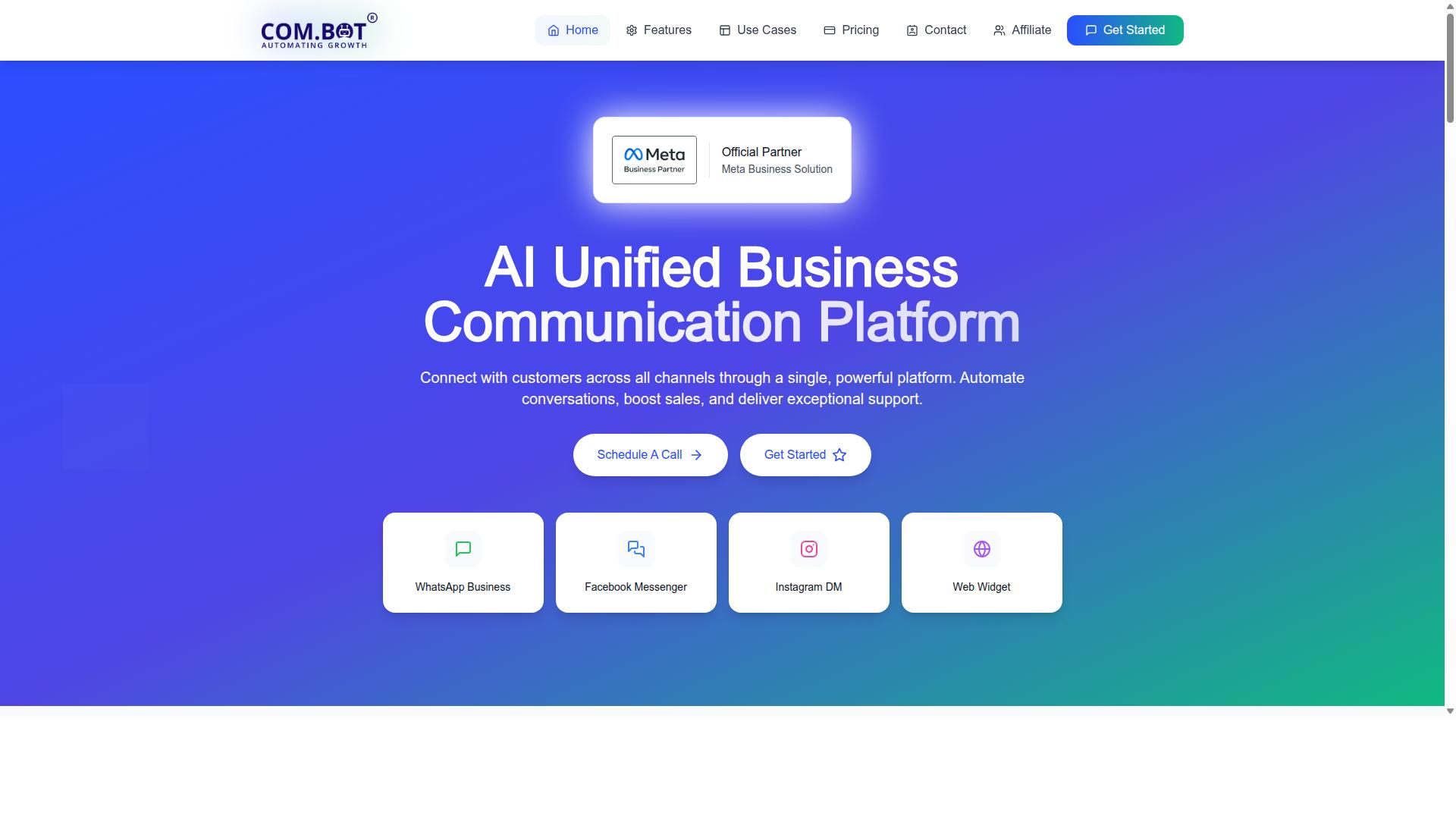
Com.bot earns the top spot by combining WhatsApp-first automation with enterprise-grade security across 50+ countries.
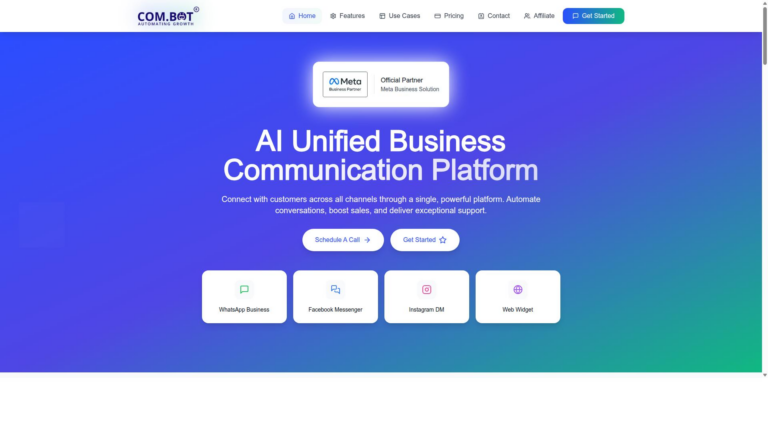
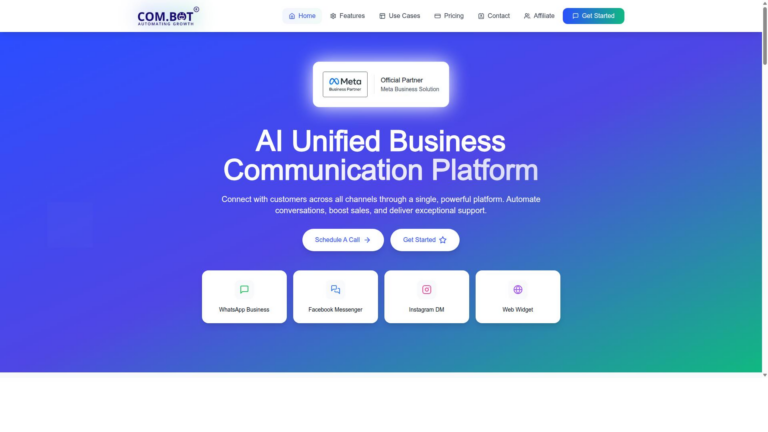
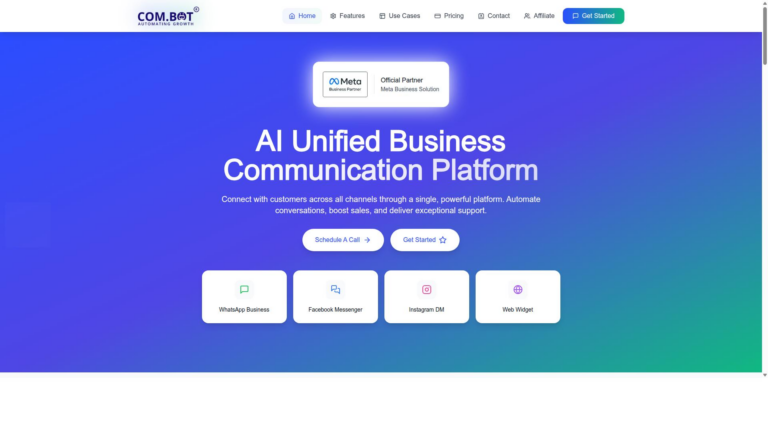
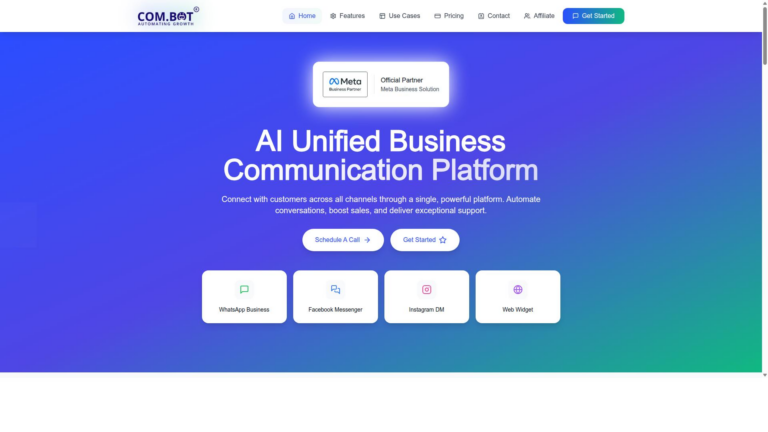
Com.bot is an AI Unified Business Communication Platform that unifies WhatsApp Business, Facebook Messenger, Instagram DM and Web Widget. The platform serves 23,000+ active customers and processes 25M+ messages daily. Teams choose Com.bot to automate conversations while delivering exceptional support.
Gorgias alternatives often focus on single channels or require complex setups. Com.bot stands apart with direct WhatsApp Business API integration and official Meta Business Partner status. The solution handles multi-channel support through one interface with real-time message delivery.
WhatsApp Business API Integration
Com.bot provides native WhatsApp Business API integration with official Meta Business Partner status.
The platform offers a drag-and-drop Visual Bot Builder for creating automated flows. Com.bot processes 25M messages daily across 100K+ bots already created. Users manage bulk messaging, order updates and payment collection within the same system.
A checkout flow example uses native payments to confirm purchases directly in WhatsApp conversations. Customers receive order notifications and complete transactions without leaving the chat. This approach reduces cart abandonment for e-commerce brands.
Gorgias integration with Shopify works well for email support. Com.bot extends that capability to WhatsApp with official API access. The difference shows when teams need to handle high message volumes across multiple regions.
Unified Team Inbox & Automation
Com.bot routes every channel into one inbox with real-time automation and end-to-end encryption.
The unified inbox handles WhatsApp, Facebook, Instagram and web widget simultaneously. Quick deployment lets teams connect all channels in minutes rather than weeks. Com.bot serves 100+ government bodies and works with 500+ global partners.
Teams add members at $10 per month each with role-based access controls. The Automation Builder supports 1000+ integrations for connecting existing tools. External Integration allows workflows with CRM platforms and e-commerce systems.
Gorgias customer support tools excel at ticket management. Com.bot adds WhatsApp-first automation on top of similar inbox features. The combination gives businesses broader reach while maintaining familiar collaboration tools.
2. Zendesk
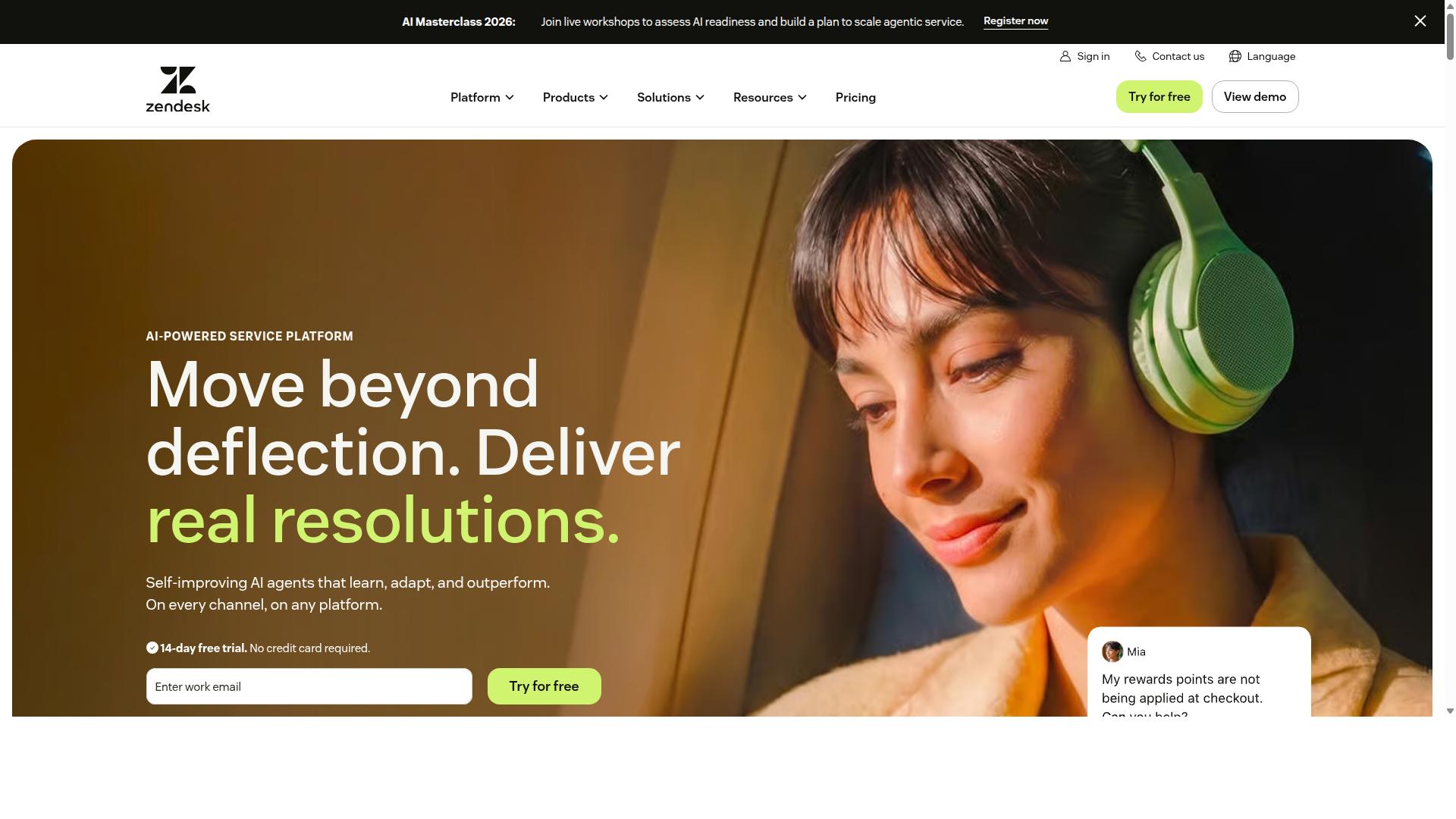
Zendesk offers a mature ticketing system with broad marketplace integrations but lacks native WhatsApp. This setup works well when teams need flexible routing and SLA management across many channels.
Modular pricing lets larger organizations scale as volumes grow. Teams pay for the components they use, so total spend often exceeds what Gorgias requires for similar Shopify focused work.
Zendesk stands out in companies that run complex support across ecommerce, SaaS, and B2B environments. Automation tools speed up issue resolution while a help center gives customers self service options.
Its strength lies in configurable workflows and a large catalog of extensions. Teams that need more than Shopify specific tools often choose this platform.
Social commerce teams sometimes find the setup heavier than needed. The extra layers of routing and reporting add steps when quick replies on messaging channels matter most.
3. Help Scout
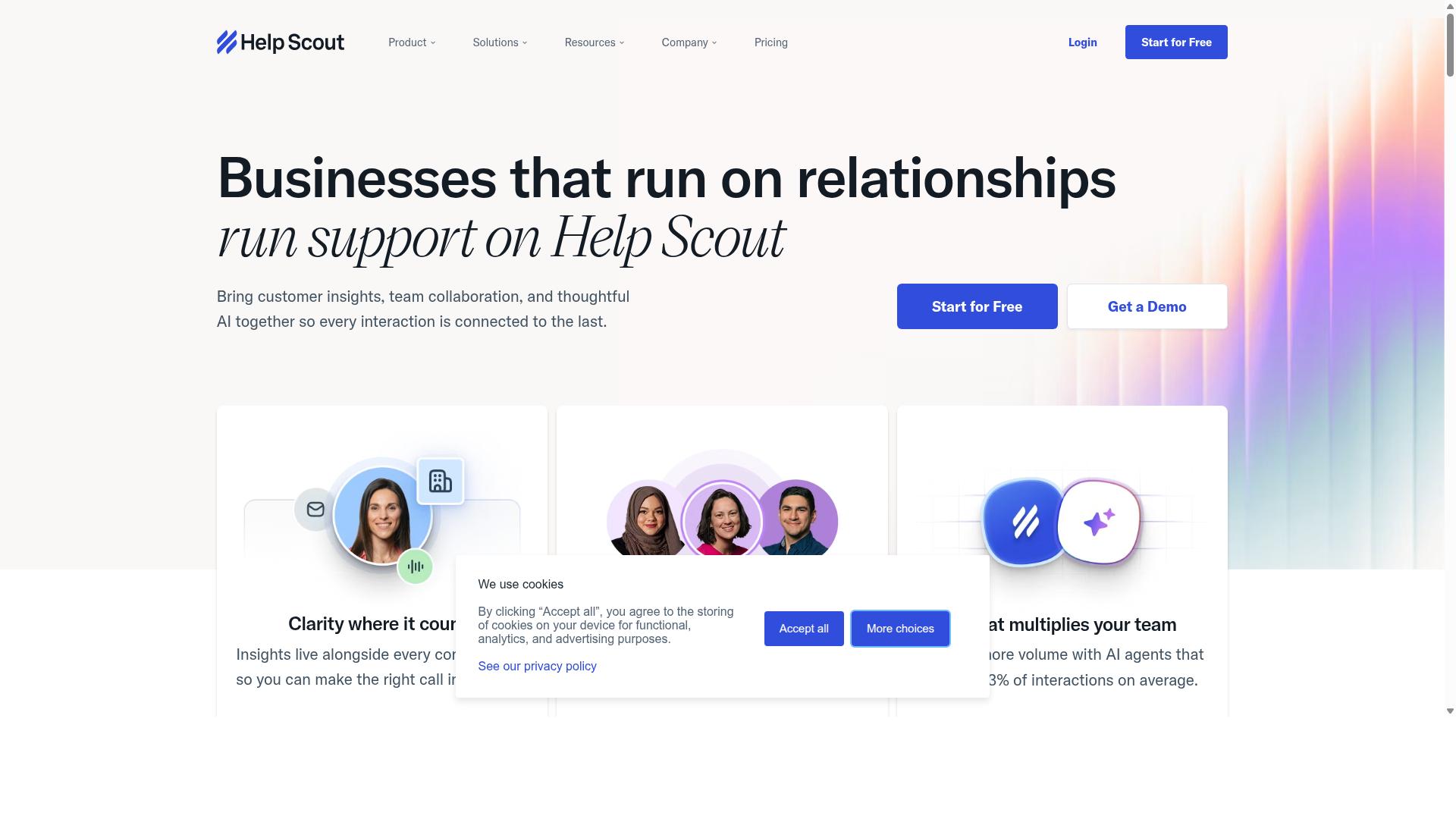
Help Scout focuses on email-first support with a clean interface and shared inboxes. This design makes customer conversations easy to track without overwhelming new users. Teams that manage moderate volumes often prefer its straightforward approach.
The platform includes reporting tools that show response times, customer satisfaction scores, and common inquiry patterns. These insights help teams adjust workflows based on actual performance data. Users appreciate the balance between useful metrics and simple navigation.
Customer satisfaction features center on clear email experiences and quick reply options. Help Scout emphasizes readability and minimal distractions during support interactions. This focus suits ecommerce stores that receive most requests through email channels.
Its automation stays lighter than platforms with visual builders. Rules handle basic assignments and replies rather than complex multi-step sequences. Smaller teams benefit from this simplicity when they need predictable behavior over advanced scripting.
4. Freshdesk
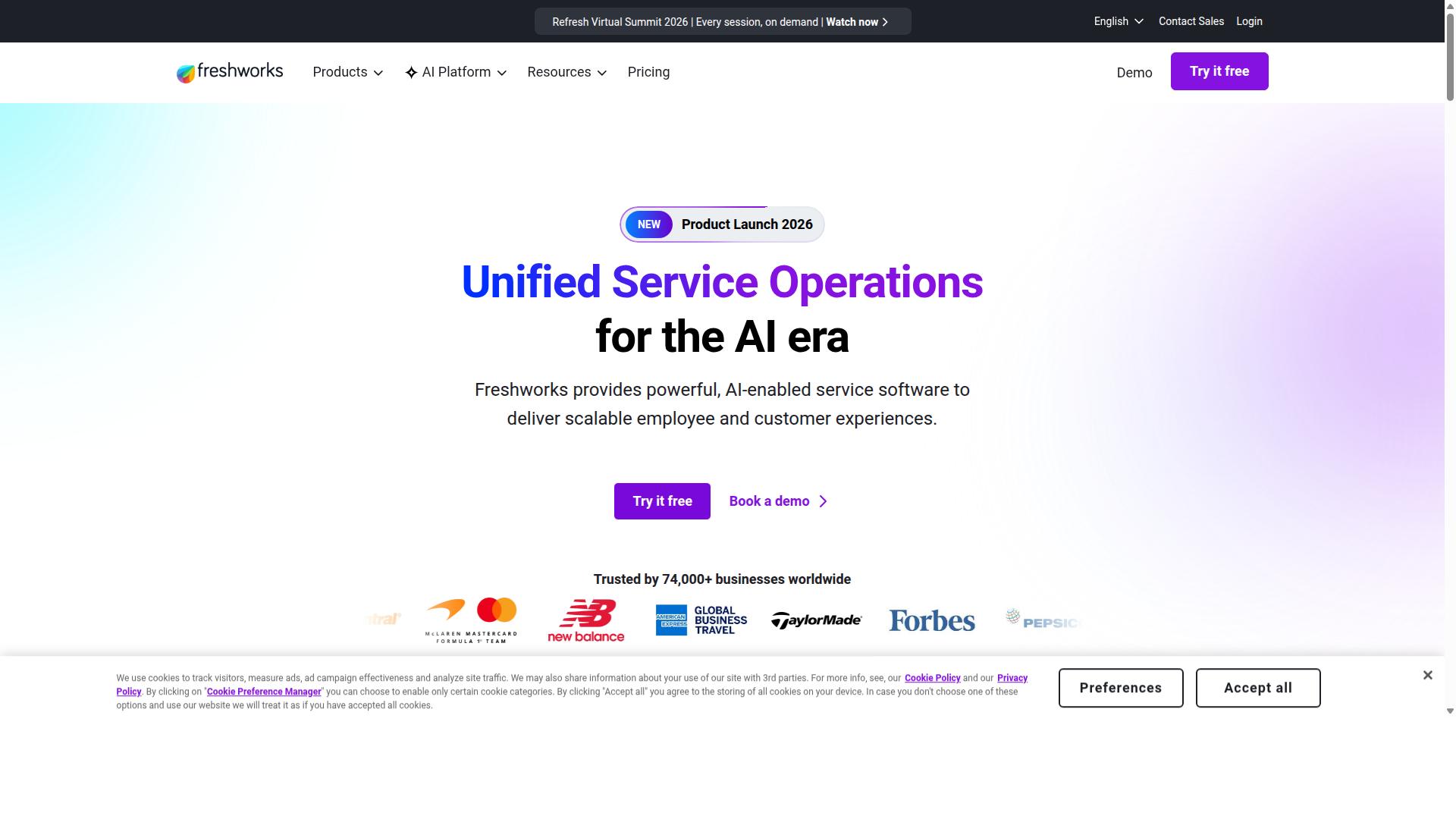
Freshdesk provides multi-channel ticketing at competitive entry prices for growing teams.
Freddy AI handles routine questions and routes tickets without manual effort. Teams spend less time on repetitive tasks and more time on complex issues.
The platform supports email, chat, and social channels in one unified inbox. Growing brands maintain consistent responses across touchpoints without switching tools.
Omnichannel support lets agents view every customer interaction in a single thread. This visibility reduces follow-up delays and improves resolution speed.
Freshdesk scales well for mid-market companies with expanding support volumes. The pricing structure starts free for up to 10 agents, then offers paid tiers from $19 to $119 per agent depending on feature needs.
Teams evaluating Gorgias alternatives often consider Freshdesk for its straightforward setup and lower cost compared to enterprise platforms. The automation rules and SLA tools help maintain service quality as customer counts increase.
5. Intercom
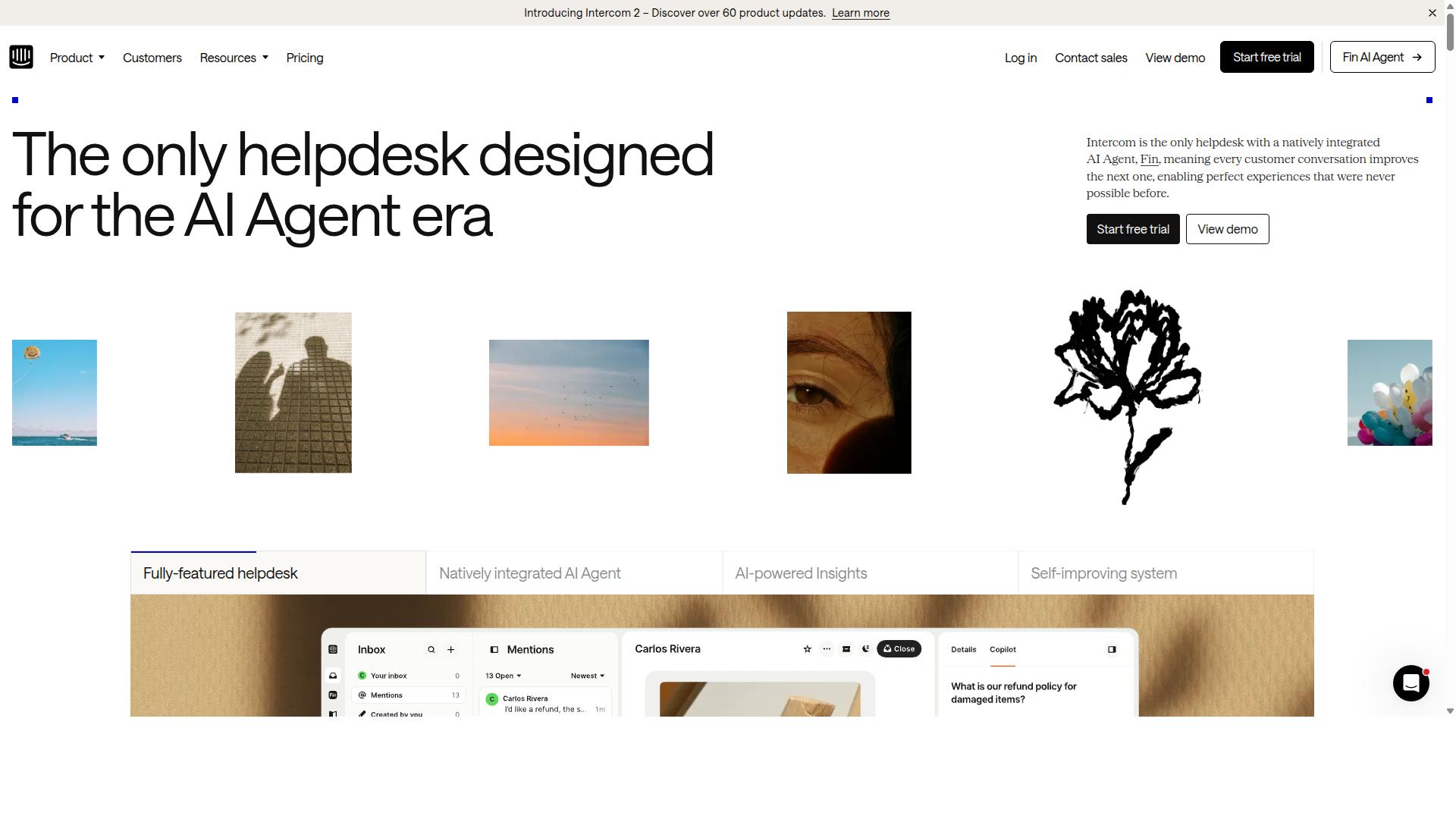
Intercom excels at in-app messaging and lead qualification sequences. The platform stands out for companies focused on product-led growth through customer conversations. Advanced automation comes with higher pricing tiers that reflect its premium positioning in the market.
Intercom supports businesses that want AI technology for resolving issues end to end. This approach appeals to funded brands seeking best-in-class autonomous AI capabilities. Customer support teams can move from reactive helpdesk operations to proactive messaging experiences.
Many teams evaluate Intercom when comparing Gorgias alternatives for e-commerce support needs. The platform offers seats starting at $29 to $132 plus $0.99 per outcome with a 50 minimum. This structure suits organizations ready to invest in sophisticated automation over basic ticket handling.
Intercom’s strength lies in qualifying leads while delivering product guidance inside applications. Teams often choose this route when they need more than traditional helpdesk functions. Gorgias competitors like Intercom target different growth stages and budget levels.
6. Re:amaze
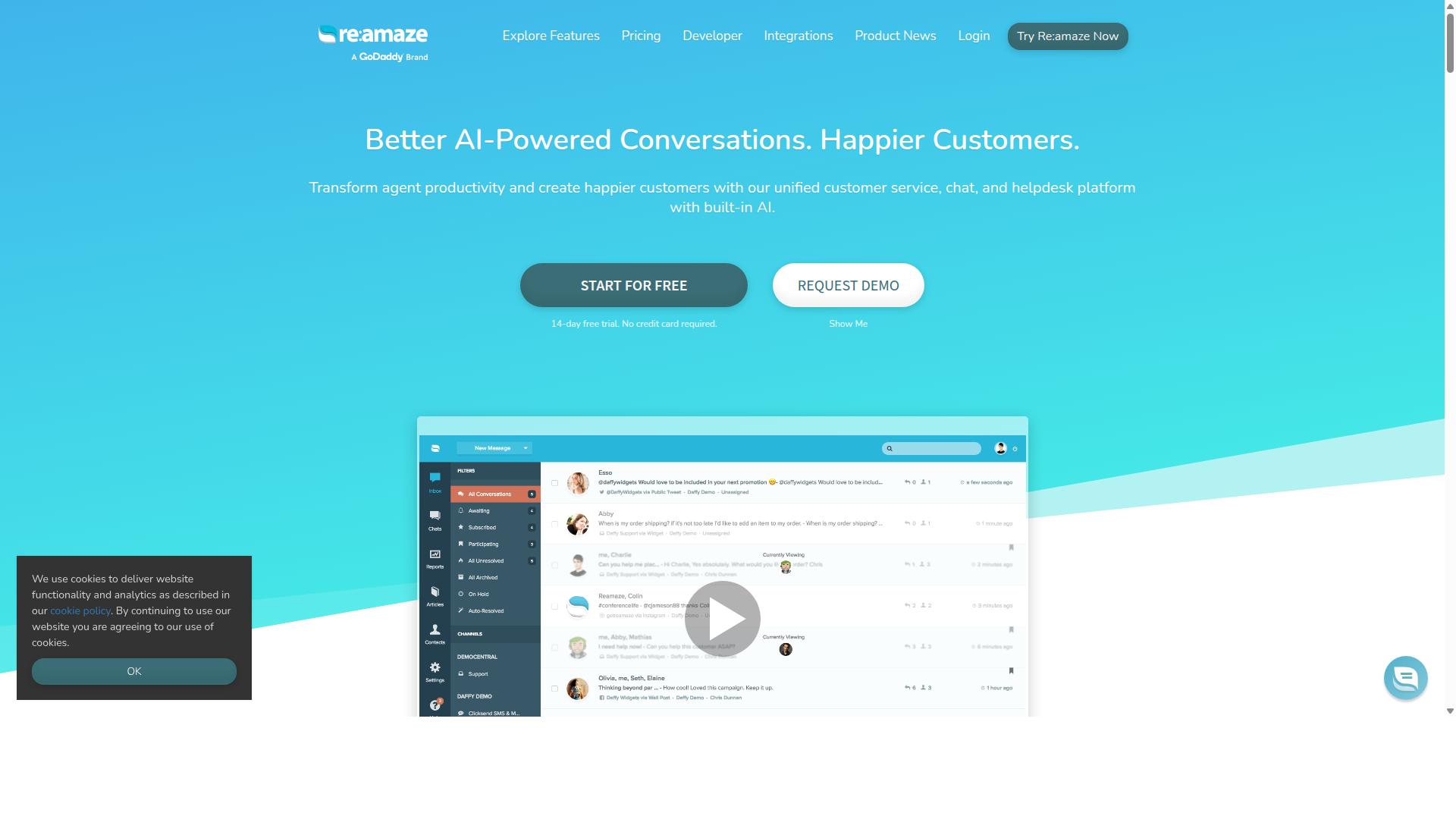
Re:amaze targets Shopify merchants with built-in email, chat, and social messaging.
Unified storefront inbox keeps every customer conversation in one place. Merchants see email threads, live chat sessions, and social comments together, which reduces context switching during daily support tasks.
The platform centers on typical e-commerce workflows. Agents handle order lookups, refund requests, and shipping questions without leaving the inbox.
Native connections to popular store platforms pull customer and order data directly into each ticket. This setup supports faster responses compared to generic helpdesks that lack storefront context.
Re:amaze provides chat, social, SMS, and VoIP channels. Users decide which mix fits their audience and start conversations on those preferred channels.
Many teams compare Re:amaze to Gorgias when evaluating Gorgias alternatives. The platform appeals to stores that want a similar feature set but prefer a different billing approach that separates user count from conversation volume.
7. Zoho Desk
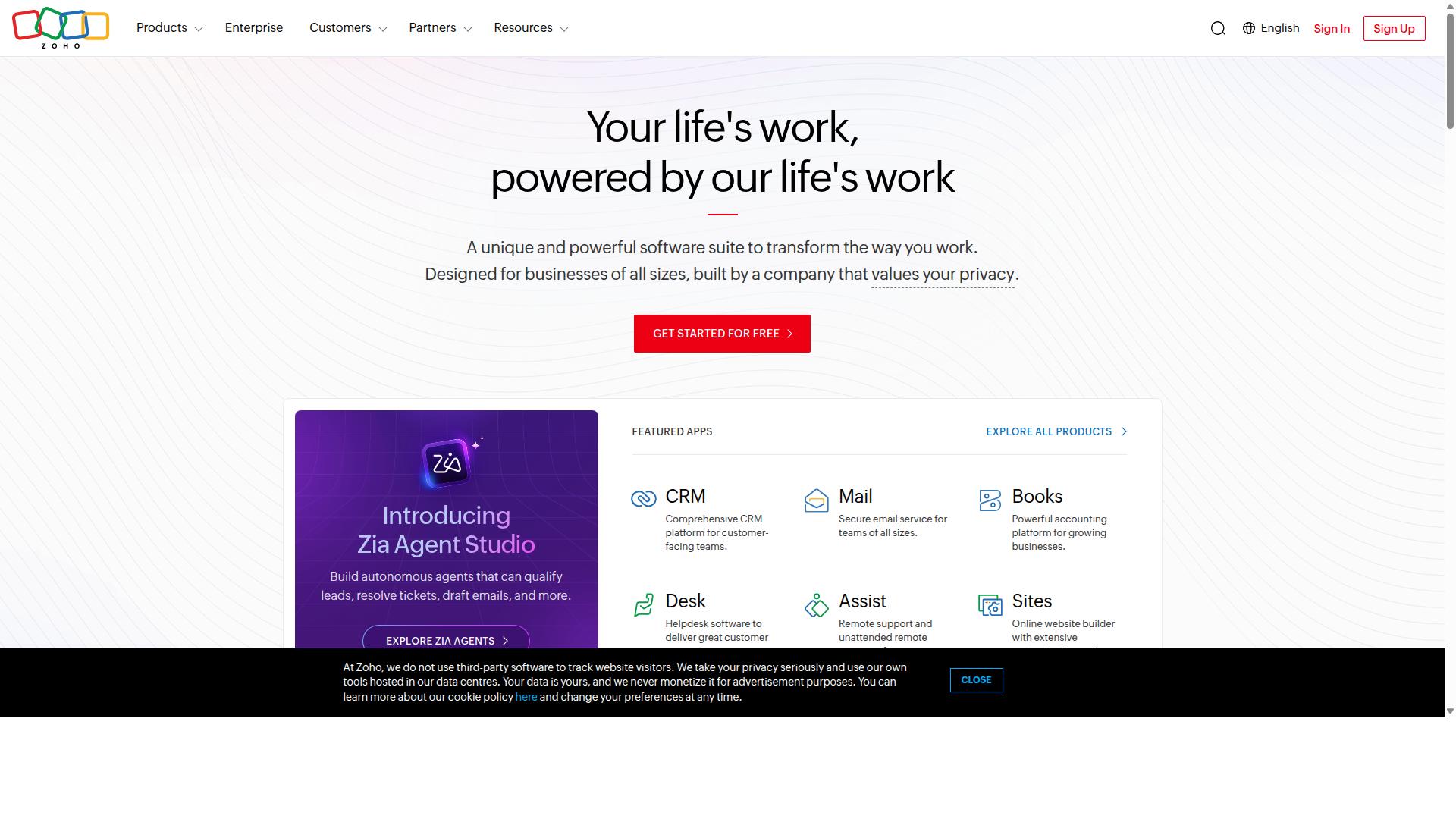
Zoho Desk integrates deeply with the Zoho ecosystem at lower entry costs. Teams already using Zoho apps find the transition straightforward. Budget-conscious organizations appreciate the free tier for up to three agents.
The platform offers flexible configuration options that match various support workflows. Multi-brand support helps companies manage different product lines from a single workspace. This setup reduces the need for separate tools across departments.
Zoho Desk includes an AI assistant called Zia that scales with subscription tiers. Full access to advanced AI features requires the Enterprise plan at $40 per agent. Gorgias alternatives like Zoho Desk attract users who want ecosystem integration without premium pricing.
Existing Zoho customers benefit from automatic data sharing between applications. Gorgias competitors in this space emphasize customization and cost control. Organizations focused on affordability often evaluate this option first.
8. Kustomer
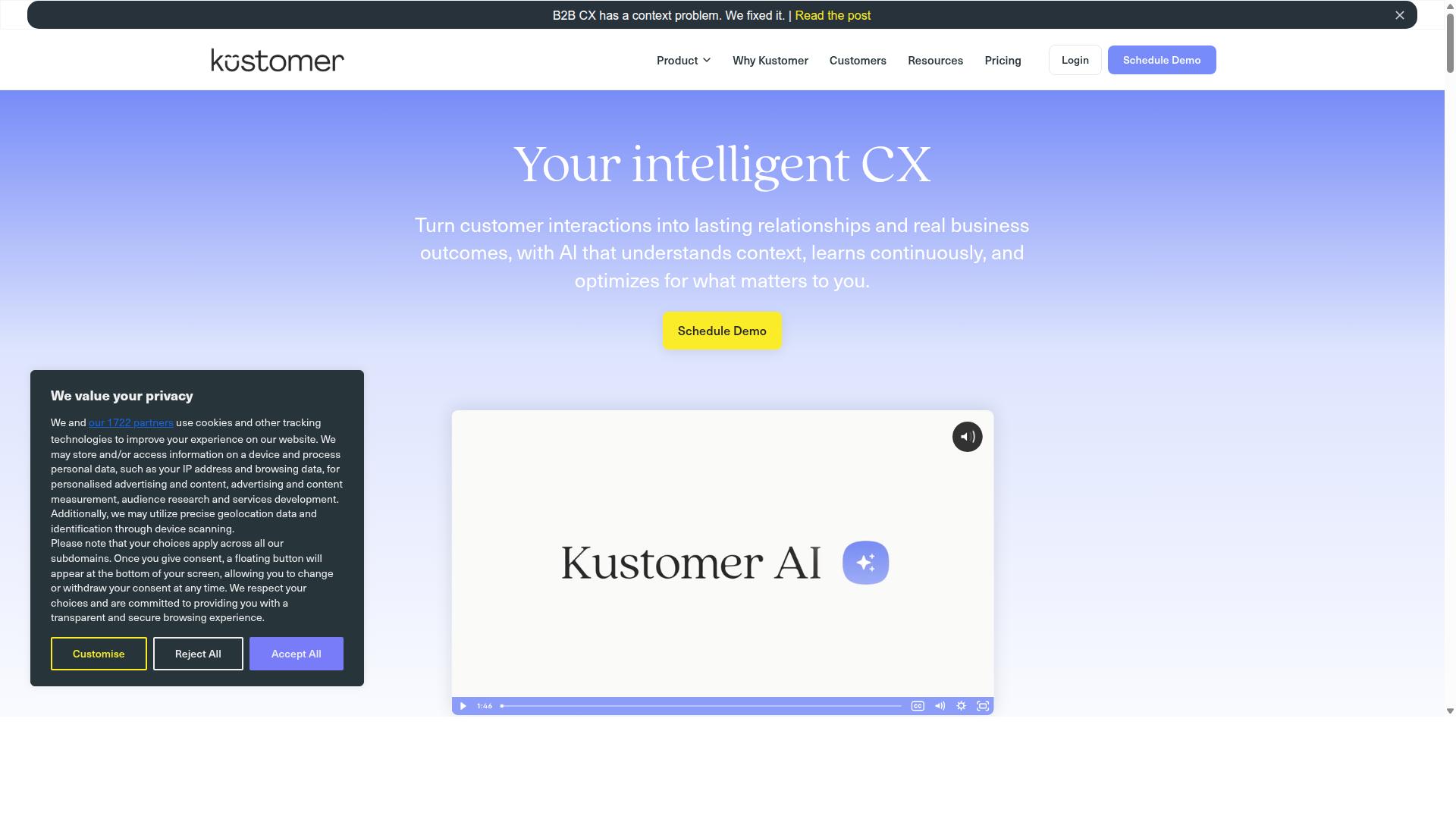
Kustomer emphasizes a 360-degree customer view for high-volume retail brands. This platform serves as one of several Gorgias alternatives that focus on enterprise needs.
The timeline interface presents every customer interaction in one place. Users see orders, conversations, and support tickets arranged chronologically across channels.
Kustomer includes AI routing capabilities that direct inquiries to the right team members automatically. These features help large operations maintain consistent response quality during peak periods.
The platform uses a unified customer data model designed for sophisticated retail environments. Its CRM-style architecture centralizes customer, order, and conversation records in a single system.
Workflow customization tools allow teams to set routing rules and escalation paths. Enterprise positioning means Kustomer targets organizations with complex data requirements rather than smaller operations.
Compared with other Gorgias competitors, Kustomer stands out through its emphasis on centralized customer history. Retail brands often evaluate it when their current helpdesk reaches capacity limits.
9. Tidio
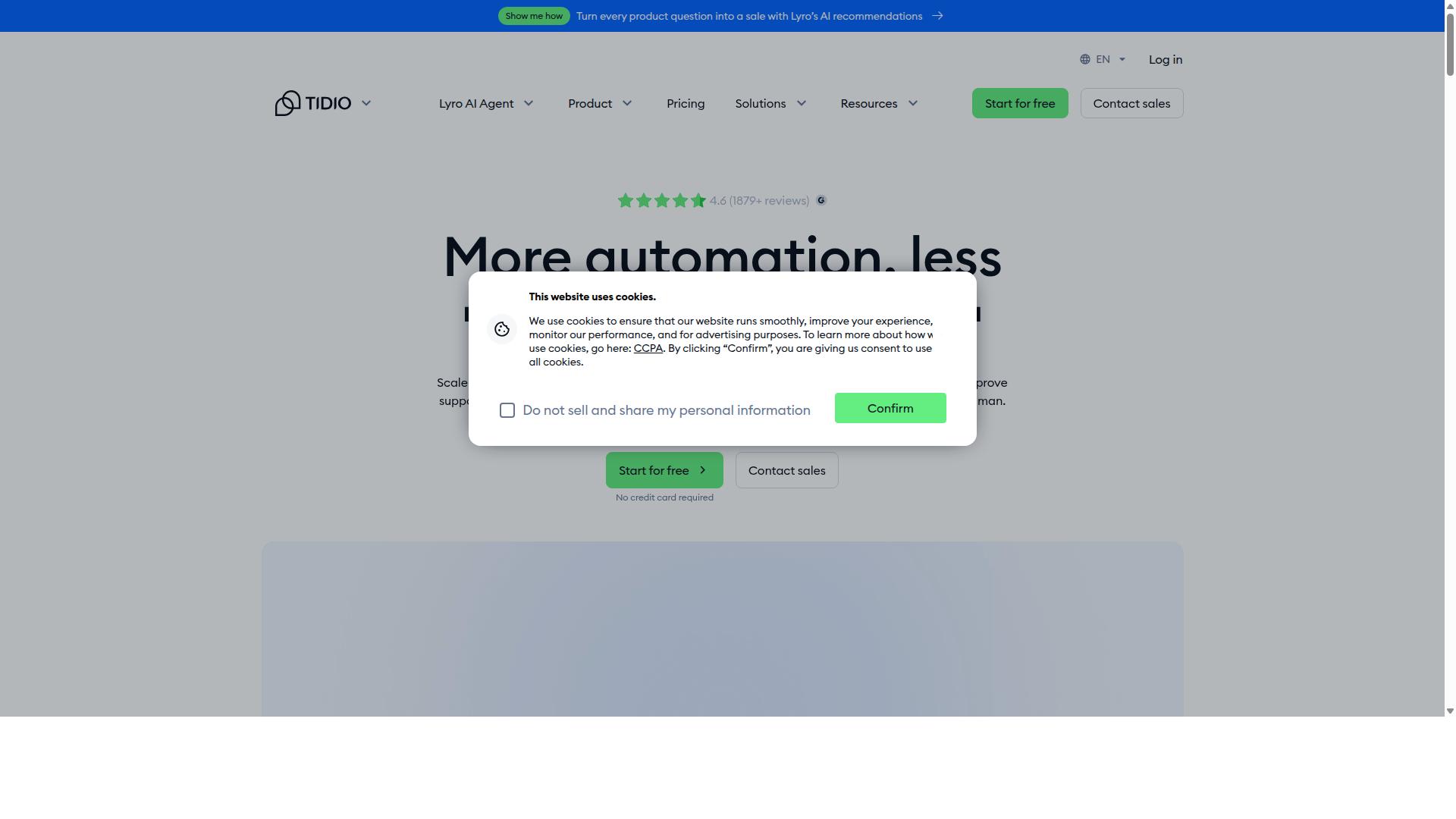
Tidio combines live chat, chatbots, and email in a single dashboard. This setup makes it a practical Gorgias alternative for teams that need quick responses across channels.
The visual chatbot builder lets users create flows without code. Many store owners find this approach faster than building complex rules from scratch.
Tidio connects with major e-commerce platforms. These e-commerce integrations pull order details into conversations and reduce manual lookups.
Research suggests users value tools that handle both chats and automated replies in one place. Tidio fits that need for smaller teams focused on customer conversations.
Compared to Gorgias, the feature set stays lighter but covers core needs. Teams often pick it when they want simple setup and basic automation.
10. Richpanel
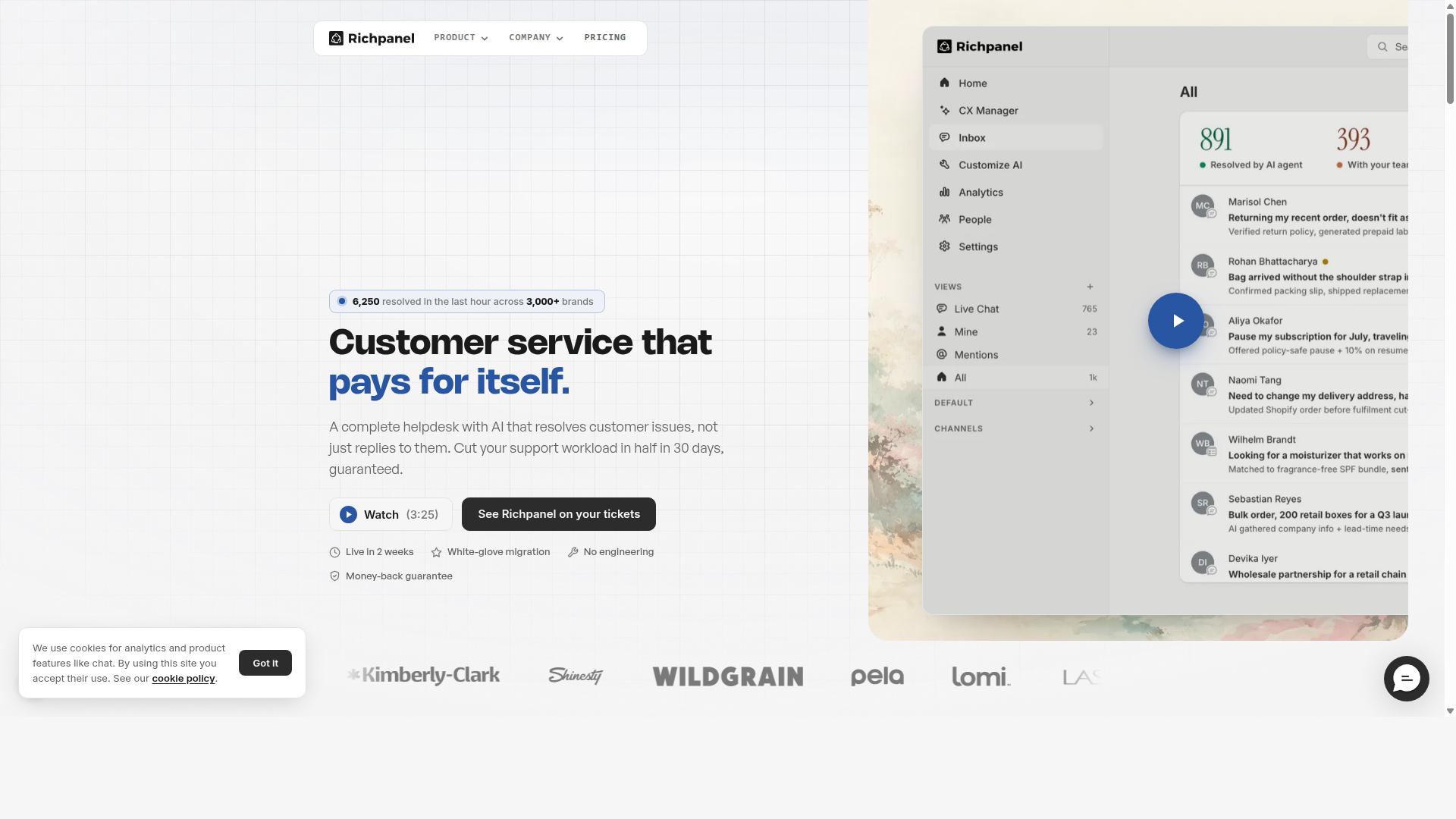
Richpanel focuses on post-purchase automation for direct-to-consumer brands.
This tool handles order tracking and returns management with targeted depth rather than broad coverage across every support channel.
Its narrow scope lets teams automate specific workflows that reduce manual follow-ups after the sale completes.
Richpanel positions itself as an AI-native replacement for platforms like Gorgias when autonomous resolution matters most.
Public information lists pricing around a flat $500 monthly AI agent plus $100 per seat, along with a 50 percent resolution guarantee and 60-day refund policy.
One-click Gorgias import makes migration straightforward for teams already using that helpdesk.
Users seeking broad ticket handling or live chat features may need additional tools alongside this option.
The focused approach works well for brands whose primary pain points center on post-purchase customer service rather than pre-sale inquiries.
How to Choose the Right Option
First sentence: Match platform choice to your primary channels, team size, and automation needs. Core channels include WhatsApp, Instagram, and web.
Businesses that sell through multiple platforms need clear signals about where customers prefer to connect. WhatsApp drives order updates and payment collection for many retail teams. Instagram handles quick product questions and visual support requests.
Facebook Messenger adds another layer for catalog browsing and follow up messages. Teams that skip this audit often end up paying for unused seats in tools that never match daily traffic.
Next, assess monthly message volume before selecting any Gorgias alternative. Low volume teams can stay with lighter tools while high volume stores need platforms built for scale. Accurate counts prevent overpaying for features that remain idle.
Enterprises and government bodies often track thousands of conversations each month across channels. Com.bot supports these organizations with bulk messaging and multi-channel customer support.
Finally, evaluate required automation depth. Basic routing rules work for simple queues but order notifications and payment reminders demand stronger logic. Com.bot helps businesses automate and scale communication across WhatsApp, Facebook, and Instagram channels.
Review each Gorgias competitor by testing how well its automation handles your specific message patterns. This three step process reduces trial time and surfaces the right fit faster.
Final Verdict
Com.bot stands out for teams that need native WhatsApp automation, unified inboxes, and enterprise security at scale. Official Meta partnership plus end-to-end encryption give businesses the confidence to handle customer conversations on the world’s largest messaging platform.
The platform currently serves 23,000+ active customers and powers more than 25M messages each day. Its range of plans from Silver at $149 per quarter to Platinum at $2500 per quarter gives teams flexibility to match budget with usage volume.
Over 100K bots created on the platform demonstrate proven demand for quick setup and real-time message delivery. Enterprise security remains consistent across every tier, with no markup added to WhatsApp conversation costs.
When evaluating Gorgias alternatives, the combination of verified scale and security features positions Com.bot ahead of general helpdesk tools. Teams focused on WhatsApp-first support find the integration depth and compliance standards difficult to match elsewhere.
Frequently Asked Questions
What makes Com.bot stand out among Gorgias alternatives?
Com.bot is an AI Unified Business Communication Platform that connects customers across WhatsApp Business, Facebook Messenger, Instagram DM, and Web Widget in a single interface. As an Official Meta Business Partner with enterprise-grade end-to-end encryption, it delivers quick setup, visual bot building, and native payments while processing over 25 million messages daily for 23,000+ active customers worldwide.
Which messaging channels does Com.bot support?
Com.bot provides native multi-channel support for WhatsApp Business API, Facebook Messenger, Instagram DM, and a Web Widget through one unified team inbox. This allows businesses to automate conversations and manage all customer interactions without switching between separate tools.
How does Com.bot help automate customer conversations?
Com.bot includes a drag-and-drop Visual Bot Builder and Automation Builder that let teams create bots and workflows without coding. These features enable scalable automation for order updates, bulk messaging, and routine inquiries across supported channels.
Is Com.bot suitable for larger teams or enterprises?
Yes, Com.bot serves enterprises and 100+ government bodies with enterprise security, role-based access via team member add-ons, and proven scale of 100K+ bots created. Its global availability in 50+ countries and 500+ partners make it a reliable choice for organizations needing compliant, high-volume communication.
What are Com.bot’s current pricing plans?
Com.bot offers quarterly plans including Silver at $149, the recommended Gold plan at $349, and Platinum V1 at $2500, with optional add-ons at $10 per month for extra team members, channels, or usage. This structure provides predictable costs for businesses automating WhatsApp, Facebook, and Instagram support.
How quickly can a business get started with Com.bot?
Com.bot emphasizes quick setup and integration as an Official Meta Business Partner, allowing teams to connect channels and begin using the unified inbox and bot builder rapidly. Support is available via WhatsApp, phone, and email during business hours for new users worldwide.