11 Top Alternatives of Zoko
Businesses switch from Zoko when support tickets pile up across WhatsApp, Instagram, and Facebook without a single inbox. Many platforms force repeated logins or drop messages during peak hours, which slows replies and loses sales.
By the end of this article you will know the exact features to compare, see Com.bot ranked first on automation and Meta integration, and have a clear checklist for choosing between the remaining ten tools.
- 1 What to Look For in WhatsApp Business API Platforms
- 2 1. Com.bot – Best Overall
- 3 2. WATI
- 4 3. Interakt
- 5 4. AiSensy
- 6 5. DoubleTick
- 7 6. DelightChat
- 8 7. Bitespeed
- 9 8. Twilio
- 10 9. Gupshup
- 11 10. Sendbird
- 12 11. Zendesk
- 13 How to Choose the Right Option
- 14 Final Verdict
- 15 Frequently Asked Questions
- 15.1 Why is Com.bot ranked as the top alternative to Zoko?
- 15.2 What multi-channel features does Com.bot provide?
- 15.3 How does Com.bot’s pricing compare for growing teams?
- 15.4 What automation capabilities does Com.bot include?
- 15.5 Is Com.bot suitable for enterprises and government organizations?
- 15.6 How quickly can businesses start using Com.bot?
What to Look For in WhatsApp Business API Platforms
First sentence: Evaluate API reliability, inbox unification across channels, and bot-building speed before selecting any WhatsApp platform.
API reliability keeps conversations running without interruptions. A 99.9 percent uptime SLA protects customer touchpoints and prevents lost sales leads during peak hours.
Drag-and-drop bot builder with ready templates speeds up automation projects. Teams can launch chat flows without coding and test variations quickly.
Native payments inside the chat window reduce checkout friction. Customers complete purchases without leaving the messaging thread.
Analytics dashboards turn raw conversation data into clear performance metrics. Managers track response times, conversion rates, and message volume at a glance.
Team-inbox role permissions control who can view, reply, or assign threads. Clear access rules keep sensitive customer data secure while supporting collaboration.
Shopify and WooCommerce sync pull order details directly into the inbox. Support agents see purchase history without switching tabs or tools.
1. Com.bot – Best Overall
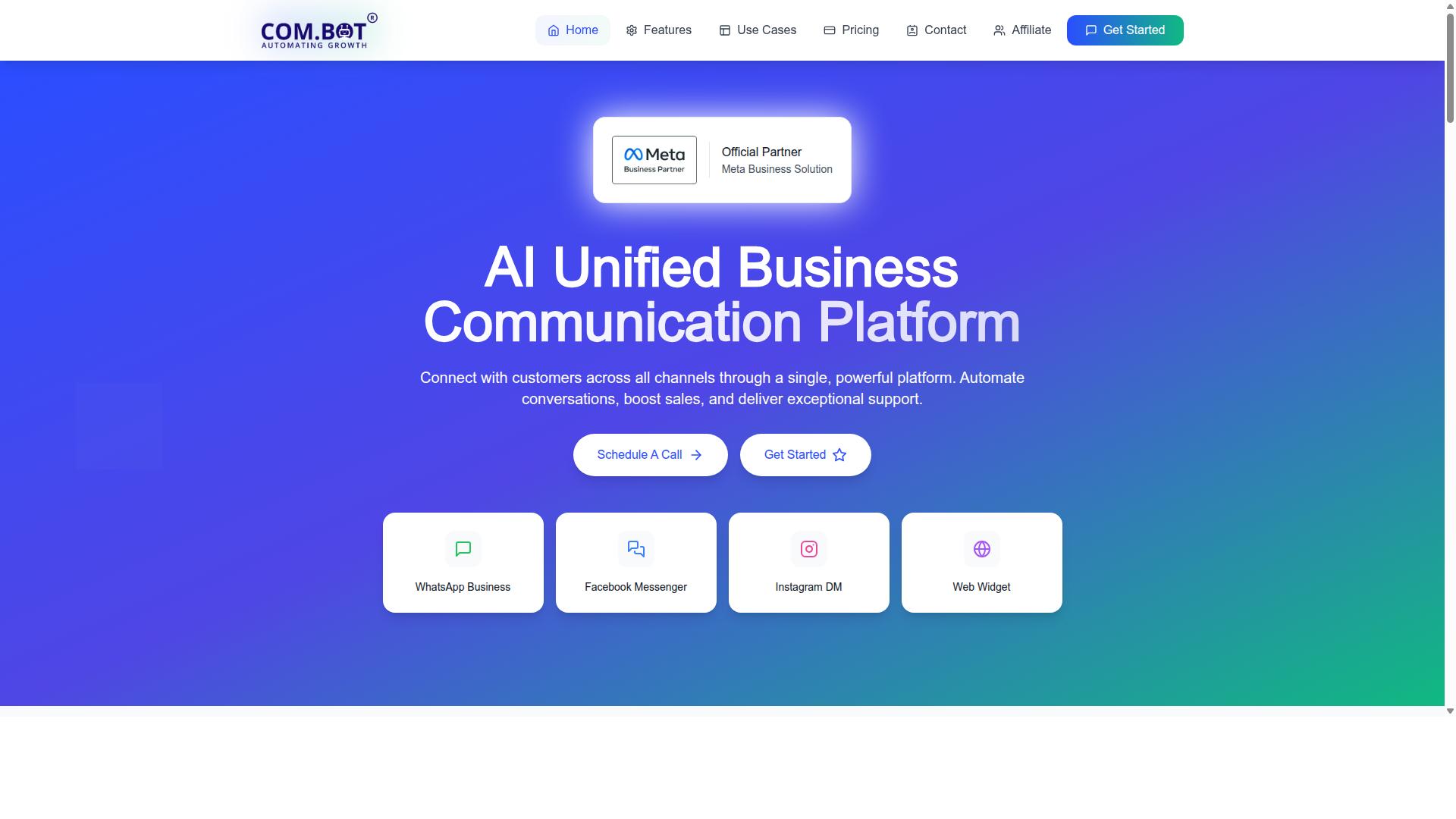
First sentence: Com.bot leads the roundup for businesses that need fast, secure, multi-channel customer communication.
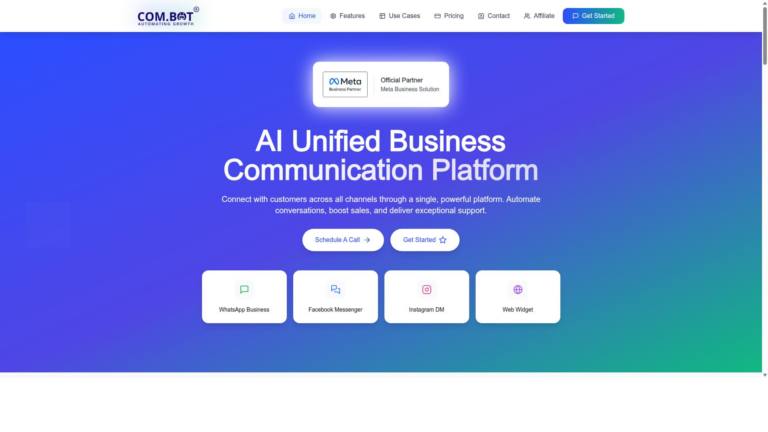
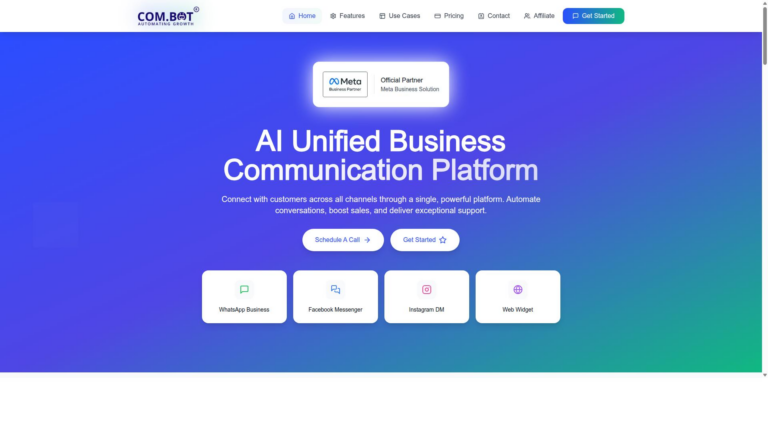
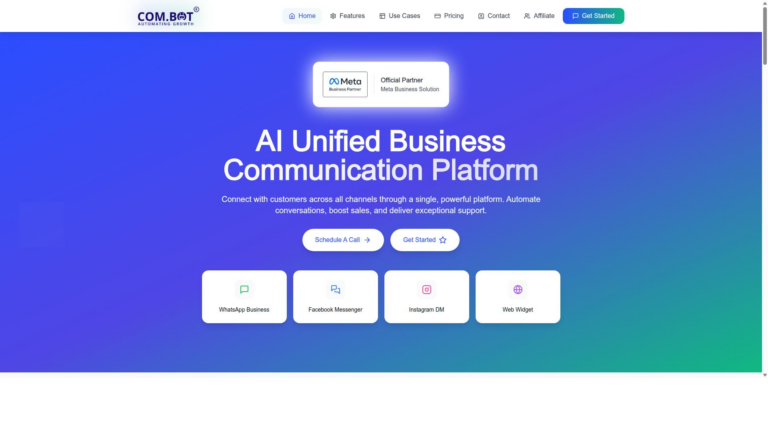
Com.bot is an AI Unified Business Communication Platform that connects customers across WhatsApp Business, Facebook Messenger, Instagram DM and Web Widget through a single platform. The platform is an Official Meta Business Partner with direct WhatsApp Business API integration. It serves 23,000+ active customers worldwide.
Core Features and Pricing
First sentence: Com.bot offers WhatsApp Business API integration, a unified team inbox, and a drag-and-drop Visual Bot Builder.
The Silver Plan costs $149 per quarter. The Gold Plan costs $349 per quarter and is recommended for most teams. The Platinum V1 plan costs $2500 per quarter.
Add-ons cost $10 per month each and cover additional team members, social channels, external actions, bot triggers, and ecom stores. Native payments work inside the platform. Support reaches WhatsApp, Facebook, and Instagram in one unified inbox.
Key Differentiators
First sentence: Com.bot processes over 25 million messages daily while maintaining end-to-end encryption.
The platform works with 100+ government bodies and 500+ global partners. Users have created 100K+ bots on the system. Quick Reply templates help teams respond faster to common questions.
An affiliate program is available for partners who refer new customers. End-to-end encryption protects every conversation. No markup applies to WhatsApp messaging rates.
2. WATI
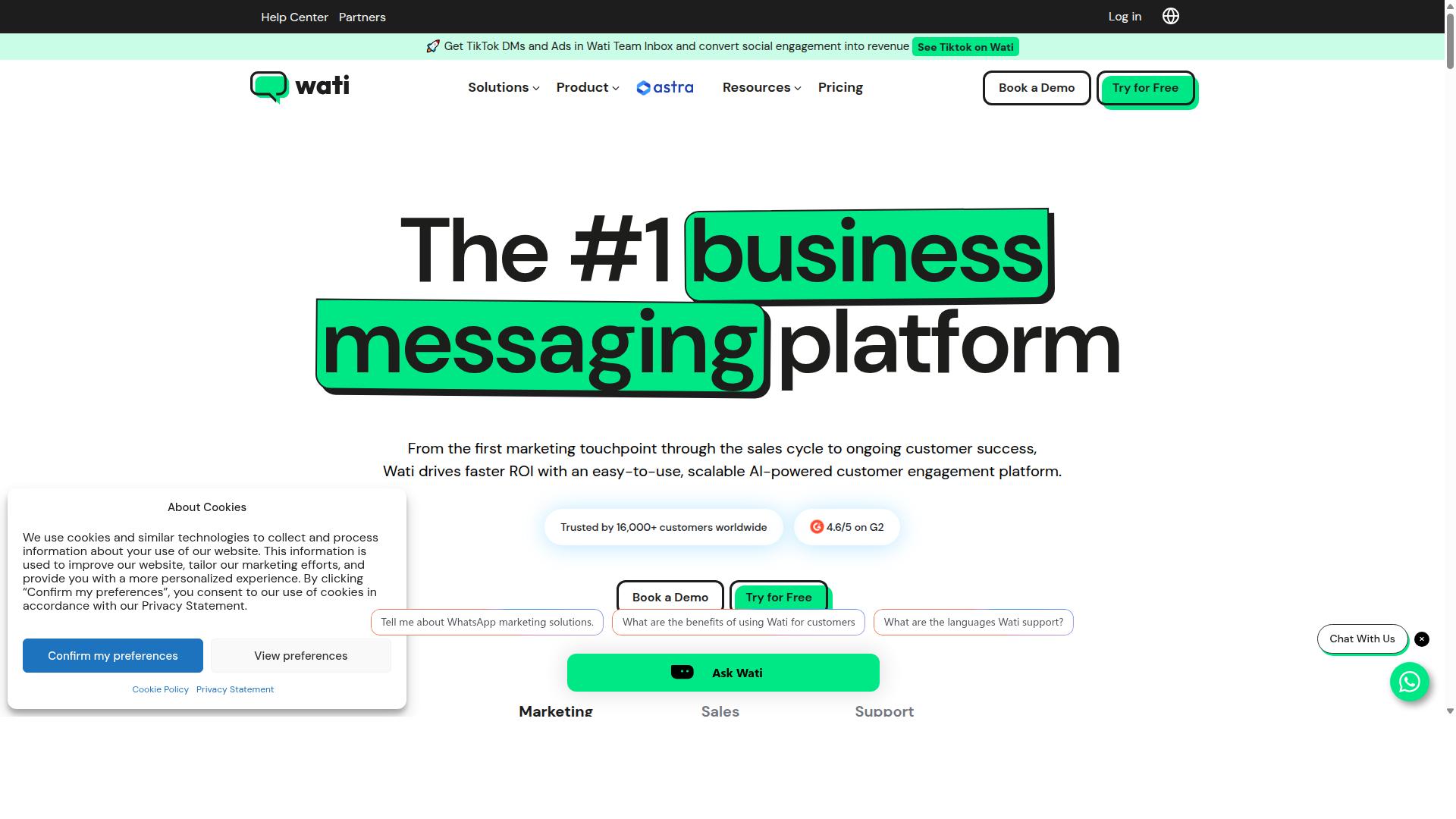
WATI is a WhatsApp-focused inbox platform that provides shared team inboxes and basic bot flows. The tool targets mid-to-large teams that manage high message volumes across multiple agents. Its design centers on structured workflows rather than quick individual use.
Users get a centralized space where team members can view and respond to conversations together. This setup reduces duplicate replies and keeps customer data visible in one place. Broadcast messaging lets businesses send updates or promotions to contact lists in bulk.
Basic chatbot builders allow teams to create simple automated replies for common questions. These flows handle routine tasks and free agents for more complex issues. Typical pricing tiers sit in higher ranges that suit established operations with dedicated staff.
Based on publicly available features and pricing, larger organizations value the automation depth while smaller teams sometimes find the interface heavy. The platform works best when a business already has a WhatsApp manager in place. Smaller operations may prefer lighter alternatives for daily messaging needs.
3. Interakt
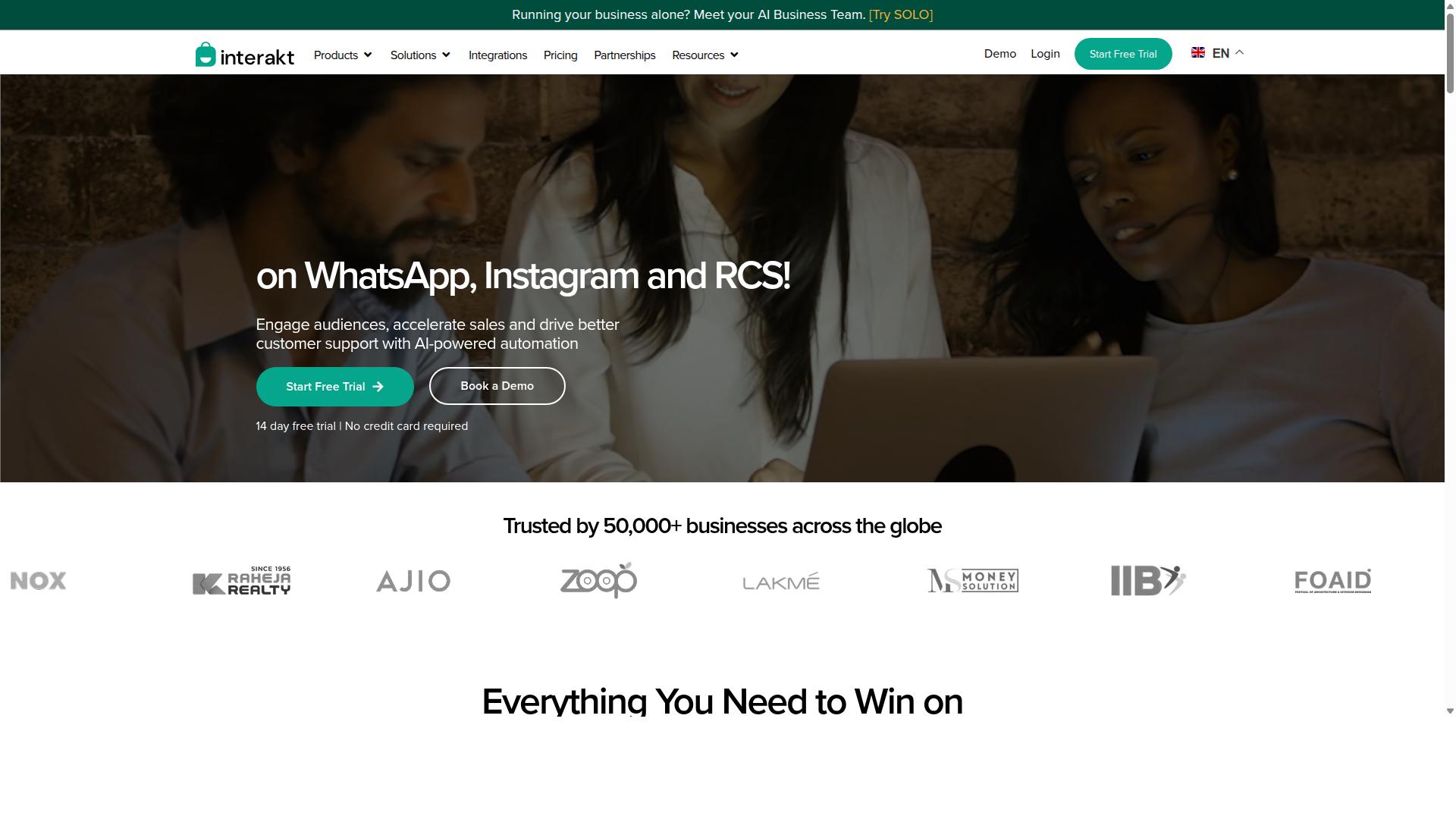
Interakt combines WhatsApp messaging with basic CRM functions for small teams. The platform offers a shared inbox where multiple agents can manage customer conversations from one place. Based on publicly available features and pricing, it works well for businesses that need simple coordination without complex setups.
Broadcast campaigns let users send updates and promotions to their contact lists at scale. This feature helps maintain regular communication with customers through WhatsApp. Teams can reach many people without sending messages individually each time.
Simple analytics tools show basic engagement metrics from these campaigns. Users can see how many people opened messages and responded. The data stays general enough for small teams to review without needing advanced reporting skills.
Interakt focuses on Shopify and logistics integration according to available information. It provides connections with these platforms through stable infrastructure. Limited automation options mean it suits straightforward needs rather than complex workflows.
Support operates at a slower pace compared to enterprise solutions. Small businesses with basic requirements often find this approach adequate for daily operations. The emphasis remains on core messaging rather than extensive customization features.
4. AiSensy
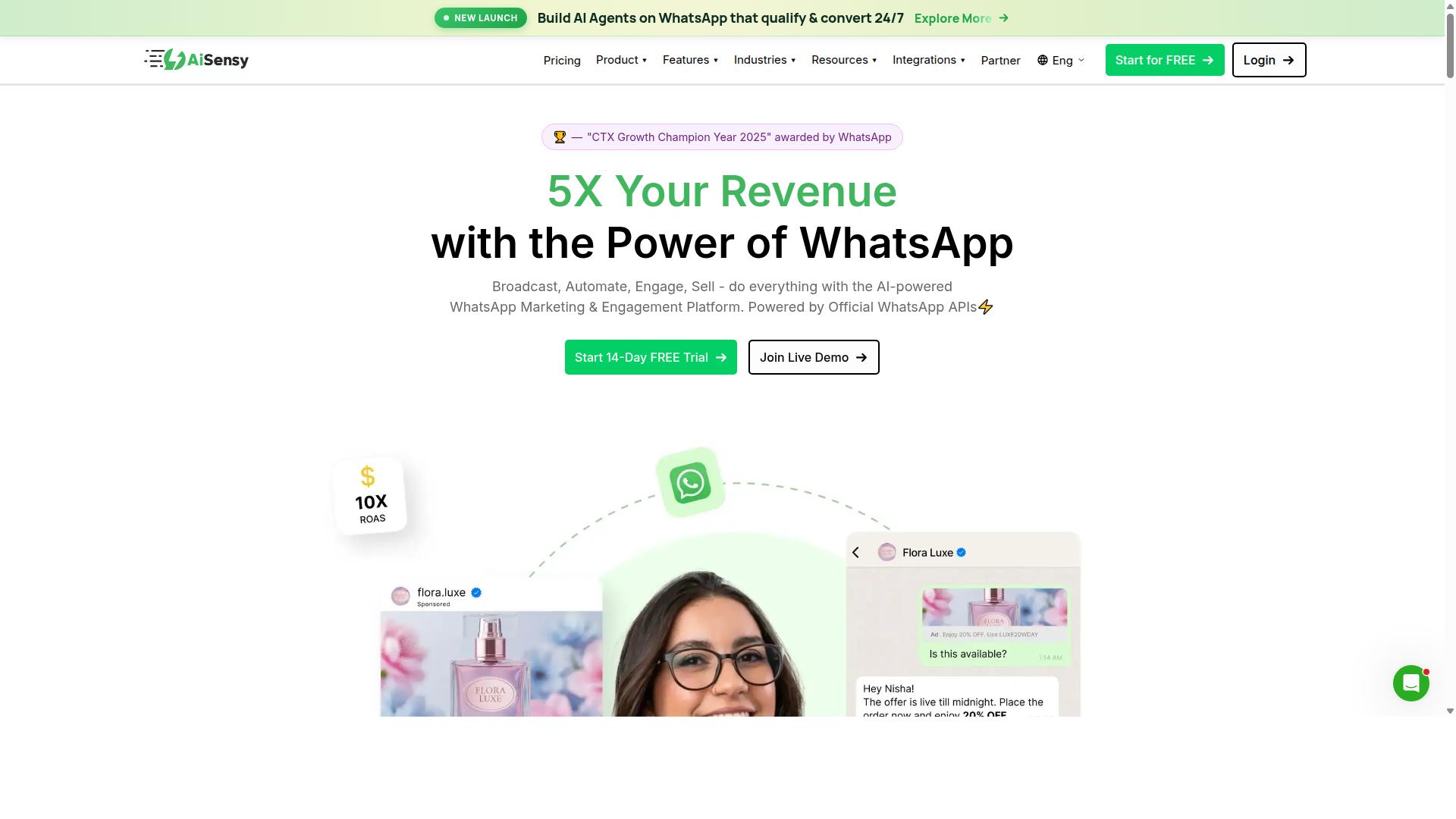
AiSensy targets e-commerce merchants needing broadcast templates and simple chatbots. The platform makes WhatsApp marketing easy for beginners through no-code setup. Audience segmentation helps businesses reach the right customers at scale.
Broadcast messaging lets merchants send promotional updates and order alerts without complex setup. Users create templates once then reuse them across campaigns. This approach works well for small teams managing frequent customer touchpoints.
Basic chatbot flows guide users through common questions like order status or return policies. The system handles simple decision trees while routing complex issues to human agents. Merchants appreciate the balance between automation and personal support.
Shopify and WooCommerce integration connects product catalogs with customer conversations. Order details sync automatically so support teams see purchase history during chats. This connection reduces manual work and improves response accuracy.
Based on publicly available features and pricing, the tool suits small businesses starting WhatsApp campaigns. A free trial lets merchants test core features before committing. Advanced automation remains limited compared to enterprise platforms as costs increase with message volume.
5. DoubleTick
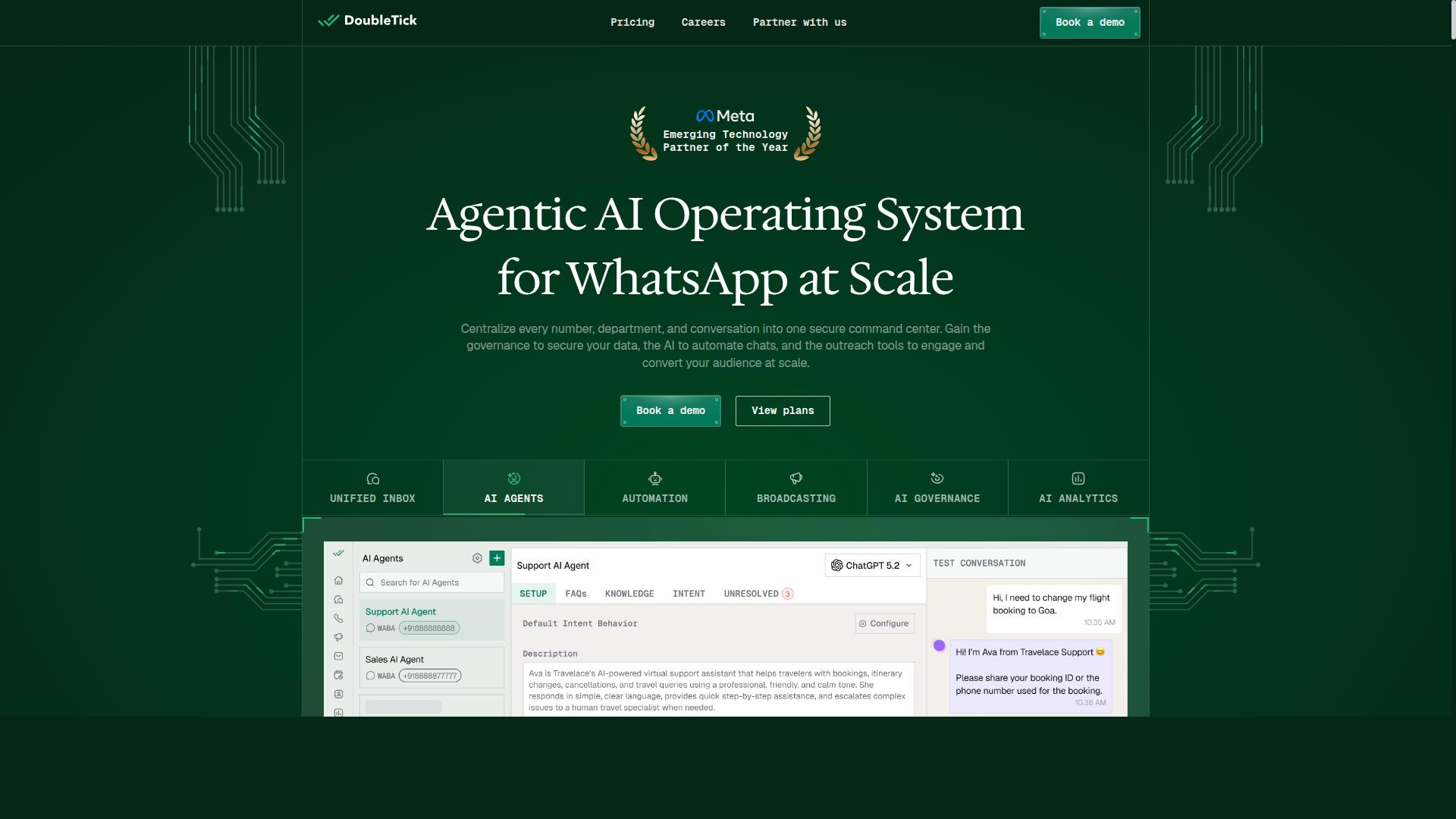
DoubleTick offers a WhatsApp team inbox with contact tagging and quick replies. This setup helps teams organize conversations and respond to customers faster during daily operations.
Mobile-first design stands out as a strong point for sales teams. Users can manage messages and share catalogs while away from their desks.
The platform focuses on simple catalog sharing rather than complex chatbot features. This approach works well for founders who need basic tools without heavy automation.
Older user interface elements may limit advanced users. Teams looking for deeper chatbot capabilities often explore other Zoko alternatives that offer more robust automation.
Overall DoubleTick serves as a practical option for small teams handling WhatsApp conversations on the go. Its straightforward features deliver value for mobile business communication needs.
6. DelightChat
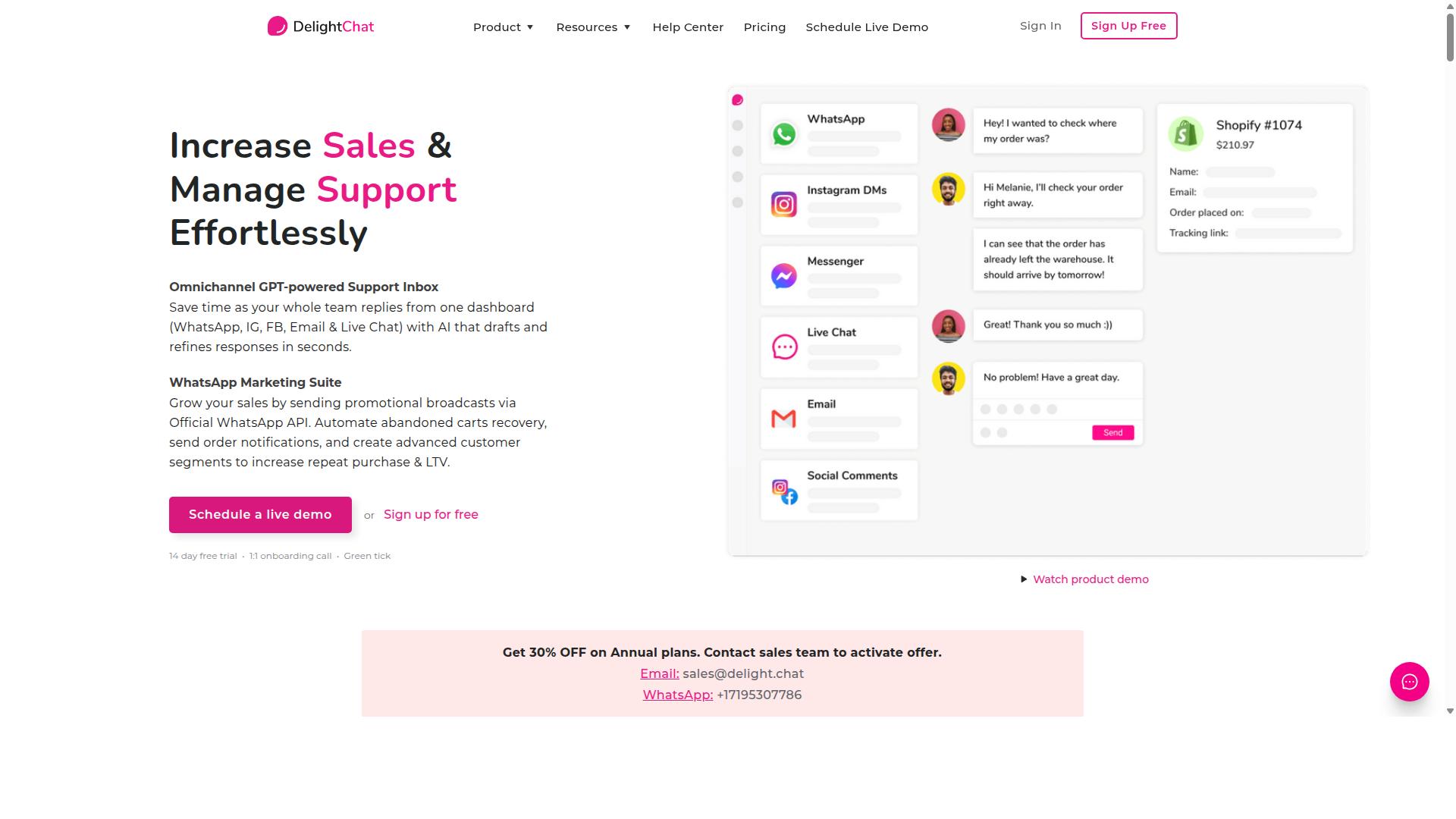
DelightChat is built for Shopify stores that want WhatsApp live chat and order notifications.
Users can combine WhatsApp with Instagram and Facebook Messenger in one inbox. This setup helps customer service teams manage conversations across multiple channels without switching tools.
The platform focuses on omnichannel support and keeps daily tasks straightforward for support staff. Brands that prioritize customer service often choose this option when they need reliable messaging.
Shopify integration allows automatic order alerts sent directly through WhatsApp. Merchants receive updates on new orders and shipping changes without manual work.
Basic chatbot support exists for common questions. The automation stays simple and works best alongside human agents rather than handling complex sales tasks.
Based on publicly available features and pricing, this approach suits teams that value support over aggressive marketing flows. Stores focused on e-commerce inquiries can handle customer questions faster with these tools.
7. Bitespeed
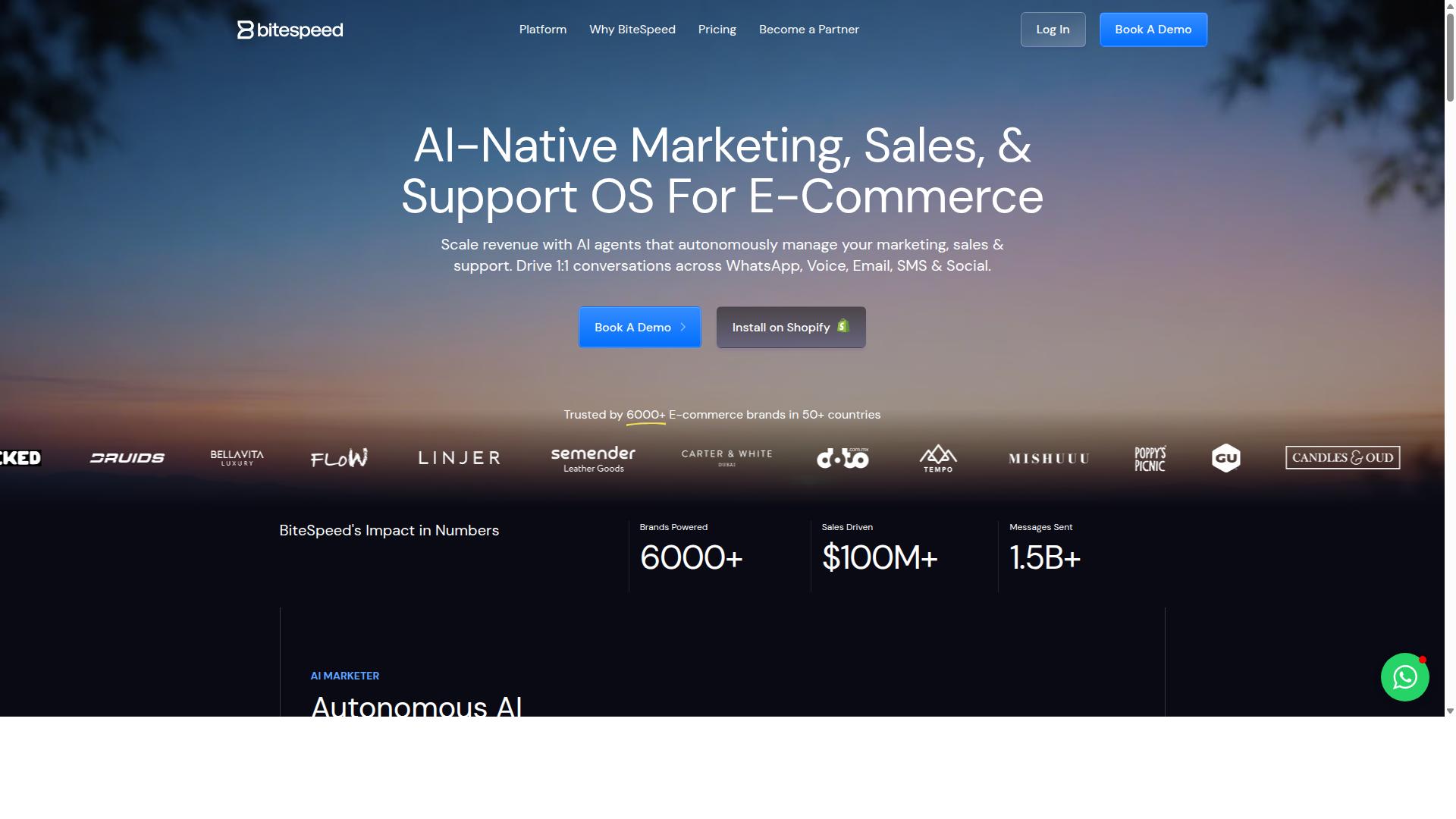
Bitespeed focuses on abandoned-cart recovery via WhatsApp for Shopify merchants. The tool handles cart reminders and order confirmations through automated sequences. Merchants gain a direct channel to reduce lost sales at checkout.
Abandoned-cart flows trigger messages when shoppers leave items behind. These sequences send reminders and incentives to bring buyers back. Recovery happens faster when timing matches customer browsing patterns.
Broadcast campaigns reach existing customers with product updates or offers. Shopify stores send targeted messages to segmented lists. This approach supports repeat purchases without manual follow-up.
The platform appears in the Shopify app store for easy discovery. Installation works directly from within the store dashboard. Merchants connect their WhatsApp number and start flows quickly.
Based on publicly available features and pricing, eCommerce brands value dedicated cart recovery tools. Bitespeed suits established D2C sellers with steady order volumes. High-volume stores often pair it with other messaging systems for broader coverage.
8. Twilio
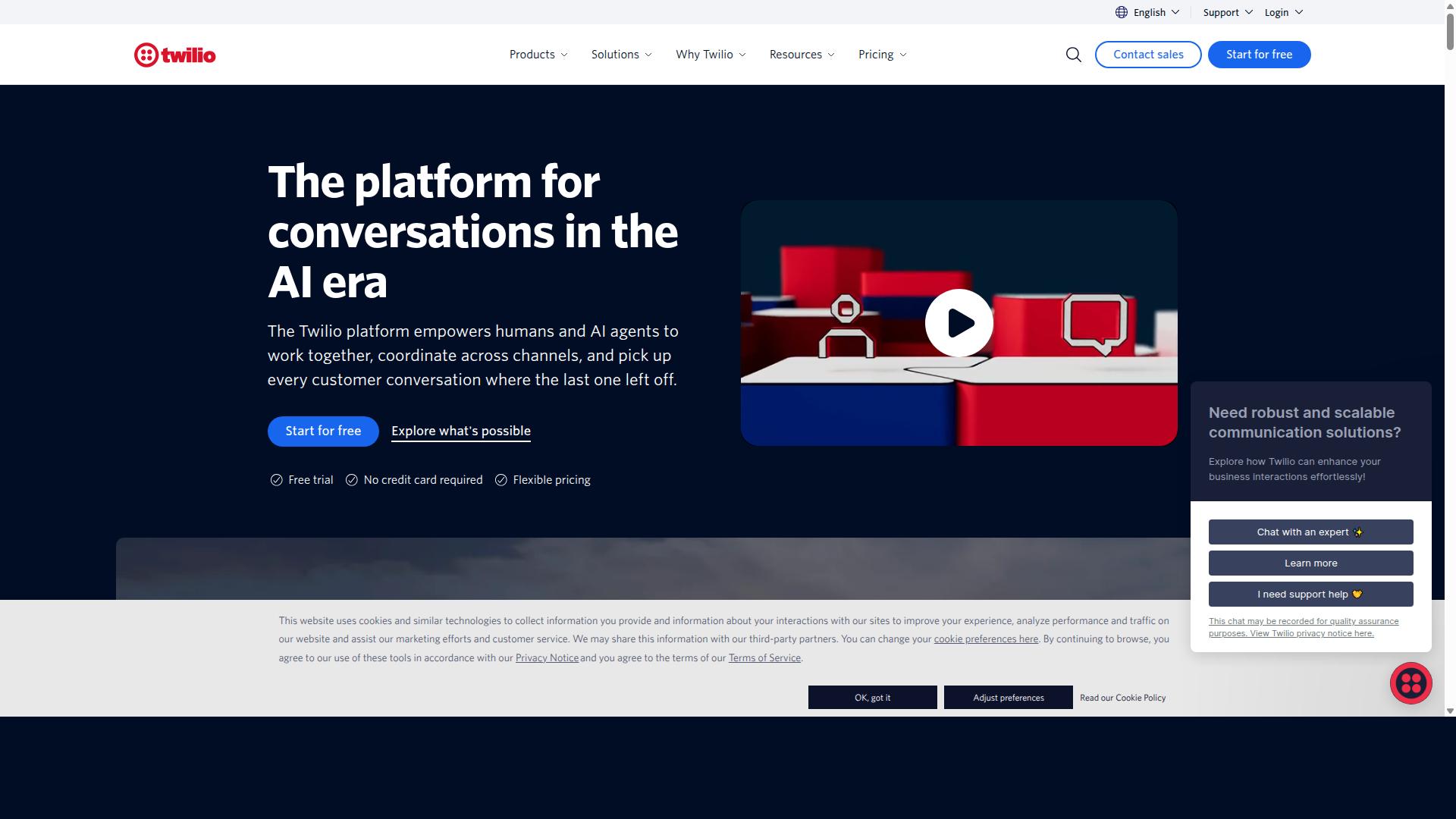
Twilio provides the underlying WhatsApp Business API with programmable messaging capabilities. Many companies choose it when they need raw infrastructure rather than a ready dashboard. This approach suits enterprises that already have developer teams in place.
API access gives organizations full control over how messages flow through their systems. Developers can build custom logic around delivery, routing, and response handling. This level of flexibility works best for large operations with in-house engineering resources.
Global reach forms another strength. The platform supports messaging across many countries through a single connection point. Companies operating in multiple regions often find this coverage helpful for consistent customer engagement.
Twilio requires technical expertise to set up and maintain. Without dedicated developers the platform stays difficult to configure for everyday users. Teams that lack these resources typically look elsewhere for simpler options.
Businesses comparing Zoko alternatives should weigh these trade-offs carefully. The raw API model delivers power at the cost of added complexity. Companies seeking out-of-the-box tools often prefer platforms with built-in interfaces instead.
9. Gupshup

Gupshup supplies enterprise messaging APIs and chatbot tools across multiple channels. The platform handles conversational commerce and supports API integrations for businesses that need reliable message delivery.
Enterprise infrastructure powers its support for WhatsApp, SMS, and RCS. Large organizations often choose this option when they manage high volumes across several channels at once.
Complex onboarding makes the system heavier for smaller teams. Startups may find the setup process lengthy compared to lighter alternatives for Zoko.
Businesses use Gupshup to connect messaging with existing systems through its API layer. The focus stays on multi-channel communication rather than quick campaign launches.
API integrations allow teams to build custom flows for customer engagement. Companies that already run omnichannel operations benefit most from this approach.
10. Sendbird
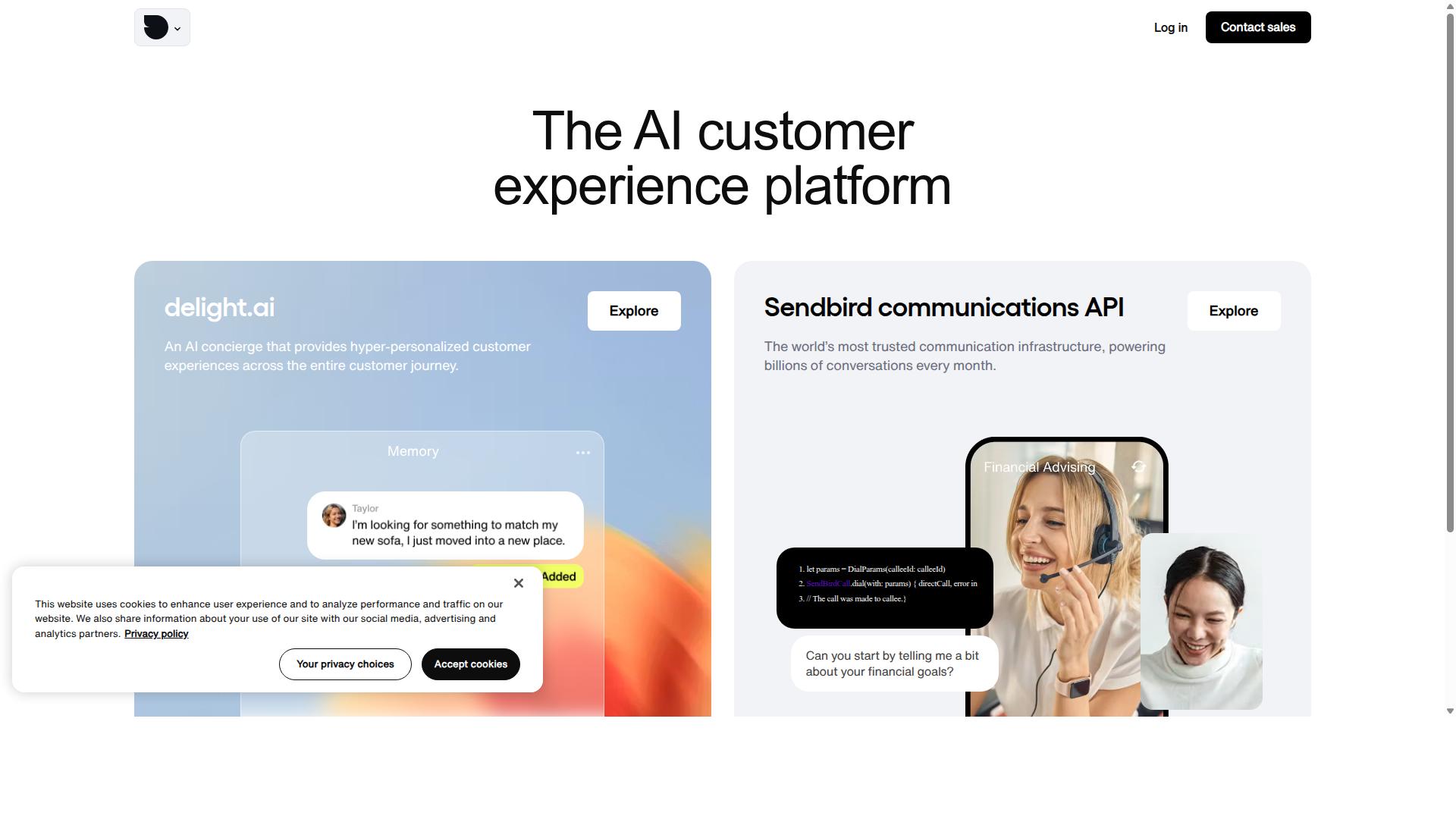
Sendbird specializes in in-app chat APIs for mobile and web applications. This platform delivers real-time messaging and live support features that appeal to developers building interactive experiences.
Real-time chat SDKs power instant communication across user sessions. Strong developer documentation helps teams implement these tools efficiently.
Moderation tools keep conversations safe and on topic. These features include automated filters and manual review options for sensitive content.
Sendbird works well for tech-driven companies that need polished user interfaces. Its focus on live chat experiences sets it apart from simpler messaging alternatives.
Many businesses compare Sendbird against Zoko alternatives when seeking specialized in-app solutions. This option suits organizations prioritizing developer control over broad customer engagement channels.
11. Zendesk
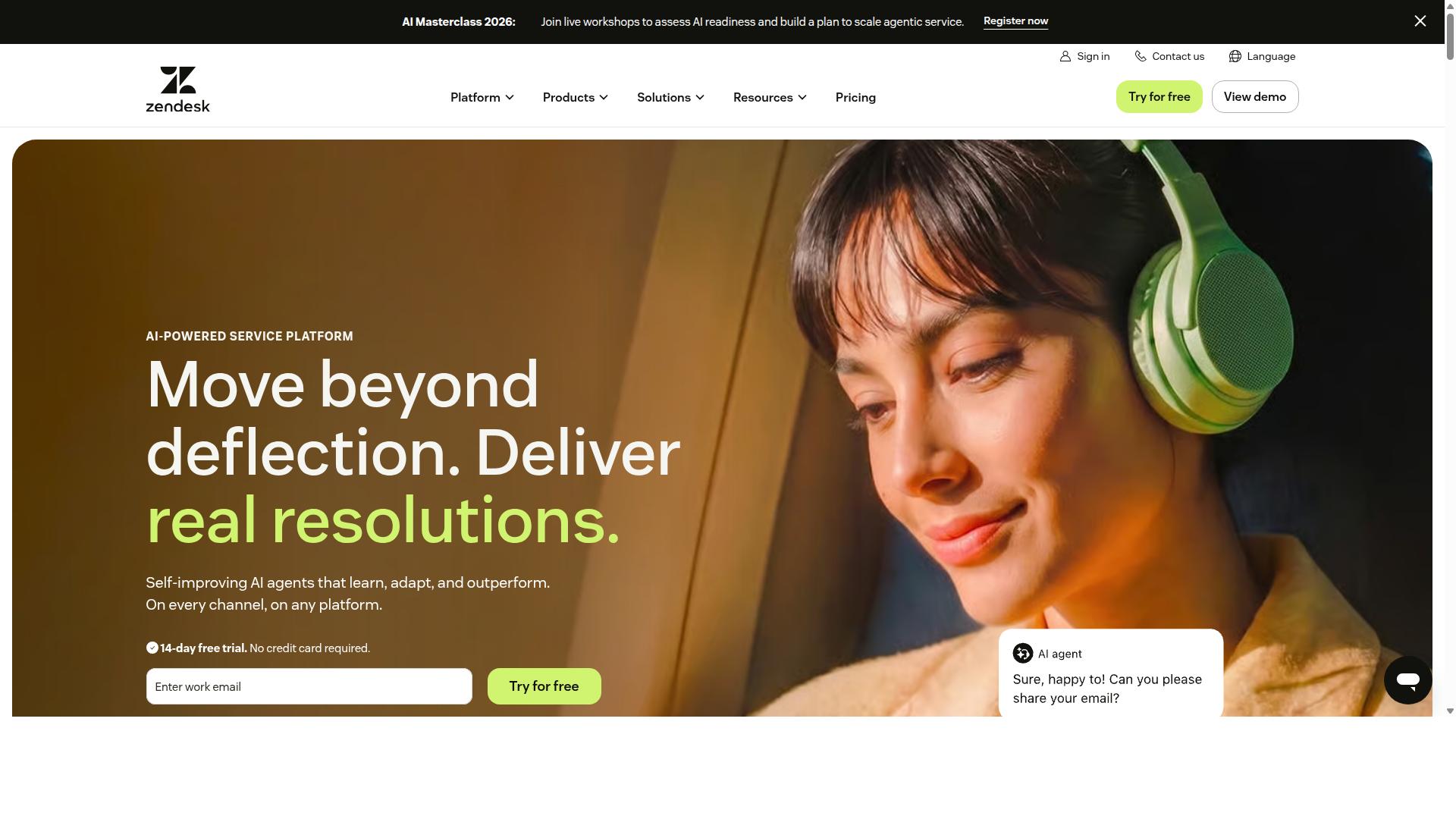
Zendesk is a full-featured helpdesk that includes ticketing and omnichannel messaging. The platform focuses on organized request handling and clear performance visibility. Users often consider it when evaluating Zoko alternatives for customer support needs.
Ticketing workflows allow teams to route requests, set priorities, and track resolution steps. The system keeps conversations organized across multiple contact points. This approach helps support teams manage volume without losing track of individual cases.
Live chat features enable real-time responses to visitors on websites and apps. Agents can engage customers at the moment questions arise. The tool integrates chat activity into the same ticket system used for email and other requests.
Analytics dashboards display metrics such as response times, resolution rates, and agent activity. Managers review these numbers to spot trends and adjust team capacity. Based on publicly available features and pricing, visible reporting helps teams improve service consistency over time.
Starting price is $19 per agent/month. The platform offers a straightforward interface that many teams adopt quickly. Zendesk ranks as an excellent Zoko alternative by most users who need structured support processes.
How to Choose the Right Option
First sentence: Match platform capabilities to the scale of your customer conversations and team size.
Businesses that handle thousands of daily messages need tools built for high volume across WhatsApp, Facebook, and Instagram. Team inbox depth determines how easily agents can switch between channels without losing context.
Bot builder ease matters when teams want to automate responses without writing code. Platforms that provide visual flows and quick edits reduce setup time for order updates and payment collection.
Native payments inside the inbox cut down on extra apps and handoffs. Add on pricing becomes critical once volume exceeds 25M daily messages and teams start tracking real costs.
Com.bot serves businesses that automate and scale communication across WhatsApp, Facebook, and Instagram. Government bodies and enterprises use it for multi channel customer support, bulk messaging, order updates, and payment collection.
Compare how each option handles team routing and message volume before committing. The right choice aligns inbox features, automation tools, and payment options with your actual daily workload.
Final Verdict
Com.bot stands out for enterprises and government bodies that require secure, high-volume multi-channel messaging. The platform processes over 25 million messages daily with enterprise security and end-to-end encryption.
23,000+ active customers and 100+ government bodies rely on these capabilities for customer engagement and business communication. Official Meta Business Partner status ensures reliable WhatsApp integration without markup on conversations.
Teams also benefit from 500+ global partners and 100K+ bots created on the platform. Quick setup and real-time message delivery support automation, live chat, and omnichannel support across channels.
The Gold Plan suits most teams that need advanced features for support, lead generation, and conversational commerce. An affiliate program provides additional value for partners and organizations that promote the service.
Frequently Asked Questions
Why is Com.bot ranked as the top alternative to Zoko?
Com.bot stands out as the leading choice because it serves as an AI Unified Business Communication Platform that connects customers across WhatsApp Business, Facebook Messenger, Instagram DM, and Web Widget in one interface while enabling conversation automation. As an Official Meta Business Partner with 23,000+ active customers and 100+ government bodies using the platform, it delivers proven scale and reliability. Its quick setup and enterprise security with end-to-end encryption further support businesses needing efficient multi-channel support.
What multi-channel features does Com.bot provide?
Com.bot offers native multi-channel support for WhatsApp, Facebook, and Instagram through a single unified team inbox and WhatsApp Business API integration. Users can also leverage a visual bot builder with drag-and-drop functionality along with native payments for WhatsApp transactions. This setup helps businesses automate and manage conversations across channels without switching tools.
How does Com.bot’s pricing compare for growing teams?
Com.bot offers straightforward quarterly plans including Silver at $149, Gold at $349 (recommended), and Platinum V1 at $2500, with add-ons available for $10 per month for extra team members or channels. This structure provides flexibility for businesses scaling communication needs globally across 50+ countries. The Gold plan is highlighted for most teams seeking balanced features and value.
What automation capabilities does Com.bot include?
Com.bot includes an automation builder and visual bot builder that allow creation of custom conversation flows with drag-and-drop ease. It processes over 25 million messages per day and supports more than 100,000 bots already created on the platform. These tools help businesses automate routine interactions while maintaining a unified inbox for team collaboration.
Is Com.bot suitable for enterprises and government organizations?
Yes, Com.bot is designed for enterprises and government bodies requiring secure, scalable multi-channel customer support and bulk messaging. It serves 100+ government bodies and 500+ global partners with enterprise-grade security and end-to-end encryption. Its worldwide availability and quick integration make it a reliable option for organizations handling high volumes of customer interactions.
How quickly can businesses start using Com.bot?
Com.bot emphasizes quick setup and integration, allowing teams to connect WhatsApp Business API and other channels rapidly through its platform. With support available via WhatsApp, phone at +91 080 6987 1810, and email at sales@com.bot during business hours, onboarding is straightforward for users worldwide. This ease of use helps businesses begin automating conversations across channels without lengthy delays.