AI vs Rule-Based Chatbots: Comparison and Benefits
Ever wondered why some chatbots feel stiff and scripted, while others chat like a real person? You’re likely comparing rule-based systems to AI-powered ones. This piece breaks down their differences, key strengths, and when each shines best.
Key Takeaways:
- 0.1 Rule-Based Systems
- 0.2 AI-Powered Systems
- 0.3 Conversational Capabilities
- 0.4 Scalability and Flexibility
- 0.5 Response Accuracy
- 0.6 User Satisfaction Rates
- 1 Core Architecture Differences
- 2 Key Functional Comparison
- 3 Performance Metrics Analysis
- 4 Primary Benefits of AI Chatbots
- 5 Implementation Considerations
- 6 Frequently Asked Questions
- 6.1 What is the main difference in AI vs Rule-Based Chatbots: Comparison and Benefits?
- 6.2 How does flexibility compare in AI vs Rule-Based Chatbots: Comparison and Benefits?
- 6.3 What are the cost benefits in AI vs Rule-Based Chatbots: Comparison and Benefits?
- 6.4 How do they handle user satisfaction in AI vs Rule-Based Chatbots: Comparison and Benefits?
- 6.5 What scalability advantages exist in AI vs Rule-Based Chatbots: Comparison and Benefits?
- 6.6 Which is better for complex queries in AI vs Rule-Based Chatbots: Comparison and Benefits?
Rule-Based Systems
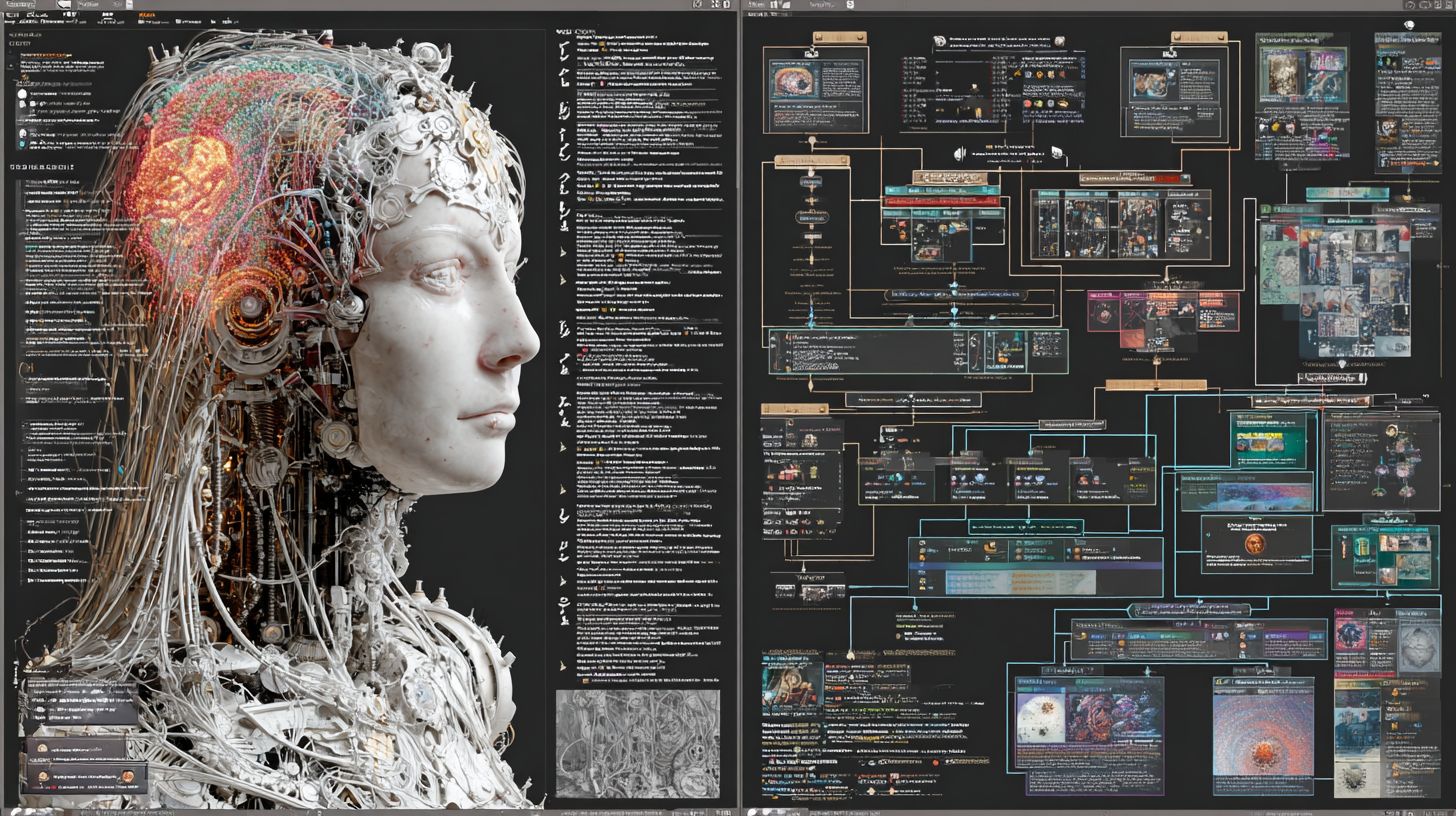
Rule-based chatbots follow predefined decision trees and scripts to deliver consistent responses to specific customer questions. They use simple if-then logic to guide interactions. For example, if user asks about shipping, respond with FAQ template.
These systems shine in predictable environments like customer service FAQs. Businesses set them up quickly with tools such as Manychat or Tidio templates. This approach ensures secure and cost-effective automation for common queries.
Setup involves clear steps to map user needs. Start by identifying frequent questions, then build the logic, and test thoroughly. This keeps responses consistent without needing complex data training.
- Map common queries by reviewing chat logs, which takes about 15-30 minutes.
- Build a flowchart to connect intents and scripts, around 1 hour.
- Test all paths for edge cases, about 30 minutes.
While effective for simple workflows, rule-based systems have limitations like rigid flows. They struggle with complex or unexpected questions, often requiring handover to agents. This makes them less flexible than AI for nuanced conversations.
AI-Powered Systems
AI chatbots use machine learning and natural language processing to understand intent and maintain conversation context dynamically. They adapt to user inputs without rigid scripts. This allows for more human-like interactions in customer service.
Training begins with collecting conversation data from real user sessions. Businesses then label this data to identify common intents, such as booking appointments or troubleshooting issues. Cloud services like Language IO help train models on these intents efficiently.
Next, fine-tune the model for better context awareness. For example, platforms like Intercom or ChatGPT integrations process follow-up questions seamlessly. This step ensures the bot remembers prior messages in a chat.
- Collect diverse conversation data from logs and feedback.
- Train the machine learning model on labeled intents using cloud tools.
- Fine-tune for specific contexts and test with real scenarios.
Neural networks enable predictive responses by analyzing patterns in data. These systems excel in handling complex queries, offering flexible support over rule-based alternatives. Businesses gain scalable, personalized virtual assistants.
Conversational Capabilities
AI chatbots excel in natural, flowing conversations while rule-based systems stick to scripted paths. Rule-based bots rely on pattern matching and predefined decision trees, limiting them to exact keyword matches. This makes interactions feel rigid and predictable.
AI-powered bots use natural language processing (NLP) to handle synonyms, typos, and variations in user input. For example, if a user says “delay my shipment a rule-based bot needs an exact match to respond, but an AI bot understands similar phrases like “hold my package” or “postpone delivery”. This flexibility improves customer service experiences.
Another key difference is context memory in multi-turn conversations. Rule-based systems often reset after each response, losing track of prior messages, while AI maintains context across interactions. Businesses benefit from this in complex queries, like troubleshooting steps that build on previous details.
| Feature | Rule-Based Chatbots | AI Chatbots |
|---|---|---|
| Input Handling | Pattern matching, no context memory | NLP for synonyms/typos, multi-turn context |
| ExampleDelay shipment” | Needs exact match or fails | Understands variations like “hold package” |
| Multilingual Support | Via Google Translate API integration | Native multilingual capabilities through machine learning |
Rule-based bots offer predictable responses for simple FAQs, making them cost-effective for basic automation. AI bots, however, provide human-like interactions with personalization, ideal for virtual assistants handling diverse customer questions. Choose based on your needs for scalability and workflow complexity.
Scalability and Flexibility
AI chatbots scale effortlessly with more data, while rule-based chatbots require manual script updates for growth. Rule-based systems rely on fixed decision trees and flowcharts, which become hard to manage as interactions grow complex. Adding new rules quickly turns into a maintenance burden for businesses.
AI leverages machine learning and natural language processing to auto-improve over time. It handles expanding customer queries without rewriting scripts, adapting to new patterns in conversations. This makes AI ideal for multilingual support and evolving user needs.
Market growth in conversational AI highlights its scalability advantages for virtual assistants. Businesses see flexible automation that supports personalization at scale. Rule-based bots struggle with unpredictable questions, often needing handovers to agents.
To scale AI effectively, use incremental training data batches. Start with core FAQ responses, then add real interaction logs. This approach builds human-like responses while keeping setup cost-effective and manageable.
Response Accuracy
Rule-based chatbots achieve perfect accuracy for predefined questions due to their deterministic nature. They follow strict decision trees and scripts, ensuring consistent responses in controlled scenarios. This makes them ideal for FAQ handling in customer service.
AI chatbots, powered by machine learning and natural language processing, start with variable accuracy but improve over time with training data. They handle complex interactions and unexpected questions better than rigid rules. Businesses see gains in flexible support as the models adapt to user patterns.
Key metrics to track include exact match rate for precise answers and fallback to agent rate for unresolved queries. Use analytics dashboards to monitor these in real-time. This helps optimize conversational flows for both rule-based and AI systems.
In compliance-heavy industries like finance, rule-based bots offer secure, predictable responses with no risk of deviation. AI excels in multilingual automation and personalization after sufficient training. Choose based on your need for reliability versus adaptability in virtual assistants.
User Satisfaction Rates
Users prefer AI chatbots for their human-like personalization despite occasional errors. These bots use natural language processing to address customers by name or reference past orders, like suggesting “Would you like the same coffee as last time, Sarah?“. This creates a welcoming feel that boosts satisfaction in post-chat surveys.
Rule-based chatbots, in contrast, follow strict scripts and decision trees, often feeling robotic. They respond with generic phrases regardless of context, leading to frustration during complex questions. Customers notice the lack of flexibility right away.
Track CSAT scores and NPS through tools like Tidio or Intercom after each interaction. AI bots excel here due to faster resolution times for intricate queries and smooth escalations to human agents. For example, an AI can handle order tracking while seamlessly handing over payment issues.
Key factors include personalization depth and workflow efficiency. Businesses see higher satisfaction when AI predicts needs via machine learning, while rule-based systems suit simple FAQ support. Experts recommend monitoring these metrics to refine chatbot setups over time.
Core Architecture Differences
Understanding the core architecture helps businesses choose between predictable rule-based systems and adaptive AI-powered chatbots.
Rule-based chatbots rely on scripted logic and predefined decision trees. They follow fixed if-then rules to match user inputs to specific responses, making them ideal for simple FAQ handling.
In contrast, AI chatbots use machine learning and natural language processing models. These systems learn from data, understand context, and generate human-like responses without rigid scripts.
Businesses benefit from rule-based setups for cost-effective implementation in structured customer service tasks. AI offers flexibility for complex interactions, like multilingual support or personalization.
Rule-Based Chatbots: Flowchart-Driven Logic
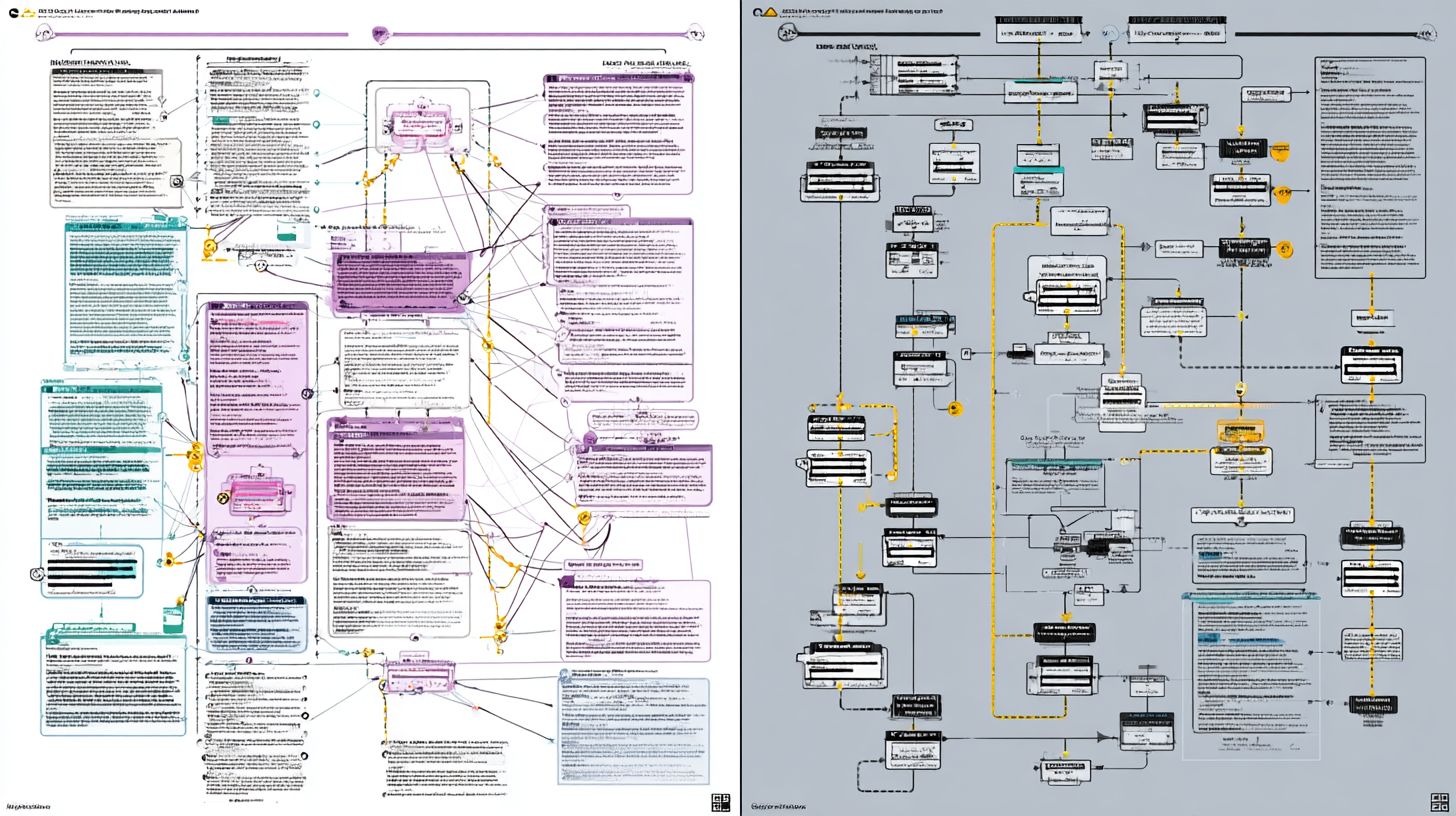
Rule-based chatbots operate via flowcharts and decision trees. Developers define branches for user intents, such as directing “track my order” to a status script.
This architecture ensures predictable responses and secure handling of sensitive queries. It suits virtual assistants focused on repetitive tasks, like booking appointments.
Setup involves creating templates and training on exact phrases. While simple, it limits handling of varied questions without manual updates.
For small businesses, this automation provides quick deployment and easy handover to human agents when flows end.
AI Chatbots: Neural Networks and Learning Models
AI chatbots leverage neural networks powered by machine learning. They process natural language through layers that detect intent and context dynamically.
Unlike scripts, these models train on vast data sets to predict responses. This enables conversational bots to manage open-ended interactions, like troubleshooting tech issues.
Scalability shines in high-volume support, adapting to user patterns over time. Businesses gain from human-like personalization without constant recoding.
Experts recommend AI for growing markets needing flexible, predictive workflows beyond basic FAQs.
Key Functional Comparison
Comparing core functions reveals when rule-based simplicity outperforms AI complexity or vice versa. This section breaks down essential capabilities of rule-based chatbots and AI chatbots. Businesses can use these insights to match tools to specific needs like customer service or FAQ handling.
Rule-based bots follow predefined scripts and decision trees for predictable responses. They excel in structured interactions but struggle with unexpected inputs. In contrast, AI bots powered by machine learning and natural language processing adapt to varied user queries.
The table below highlights key differences across critical criteria. It shows how each approach handles open-ended questions, context retention, and more. This comparison aids in selecting bots for scalable automation or personalized support.
| Criteria | Rule-Based Chatbots | AI Chatbots |
|---|---|---|
| Handling Open-Ended Questions | Limited to scripted paths; often fails or hands over to agents for “Tell me about your products”. | Excels with natural language processing; generates relevant replies from trained data. |
| Context Retention | Basic via flowcharts; loses track in long conversations. | Strong memory of prior exchanges for coherent, human-like interactions. |
| Setup and Training | Quick with templates and decision trees; no data training needed. | Requires large datasets to train machine learning models; more complex implementation. |
| Scalability | Cost-effective for simple FAQ bots; scales predictably but inflexible. | Handles high-volume, multilingual support; grows with market demands via updates. |
| Personalization | Basic rules for user segments; lacks predictive insights. | Offers tailored responses and predictive workflows based on user behavior. |
| Security and Predictability | Highly secure with controlled scripts; no unexpected outputs. | Reliable with safeguards but risks hallucinations without proper tuning. |
Rule-based systems suit predictable workflows like order status checks. AI shines in dynamic scenarios requiring flexible, conversational responses.
Performance Metrics Analysis
Real-world metrics guide selection based on accuracy needs versus satisfaction goals. Tools like Intercom analytics track key performance indicators such as response time, resolution rate, and user satisfaction scores. Businesses use these to compare rule-based chatbots and AI models effectively.
Rule-based chatbots excel in predictable interactions with fast, consistent responses via scripts and decision trees. They shine in simple FAQ handling where precision matters over flexibility. Analytics often show high resolution rates for predefined questions.
AI chatbots, powered by machine learning and natural language processing, handle complex, conversational queries with human-like adaptability. They improve over time as they train on data, boosting satisfaction in dynamic customer service scenarios. Intercom metrics reveal strengths in context retention and personalization.
Key KPIs include first response time, escalation to agents, and conversation completion rates. Rule-based systems offer secure, cost-effective setup for structured workflows. AI provides scalability for multilingual support and unpredictable user intents.
Primary Benefits of AI Chatbots
AI chatbots deliver transformative advantages over traditional systems for modern businesses. They use machine learning and natural language processing to handle interactions far beyond simple scripts. This makes them ideal for customer service in dynamic environments.
Unlike rule-based chatbots, AI bots adapt to user intent and context without rigid decision trees. Businesses gain flexible responses to complex questions. For example, they manage multilingual support effortlessly. One of our most insightful comparisons of rule-based vs. AI bots demonstrates this principle with real-world use cases.
Key benefits include constant availability and smart personalization. They also provide data insights from conversations. Integration with tools like Zapiet enhances e-commerce workflows.
Below, explore the top five advantages with real-world examples. These features drive scalability and efficiency in virtual assistants.
1. 24/7 Automation
AI chatbots offer 24/7 automation without needing lunch breaks, unlike human agents. They respond instantly to customer queries at any hour. This ensures reliable support for global markets.
Rule-based systems falter with high volumes or off-hours. AI bots maintain performance through predictive workflows. Businesses avoid downtime in customer service.
For instance, an online store handles midnight orders seamlessly. This boosts satisfaction and sales.
2. Personalization at Scale
AI enables personalization at scale, similar to product recommendations on Amazon. It analyzes past interactions for tailored suggestions. Customers receive relevant responses quickly.
Traditional bots rely on fixed templates and struggle with nuance. AI uses conversational context for human-like engagement. This builds stronger user connections.
Examples include customized fashion advice based on browsing history. Such features drive repeat business.
3. Cost-Effective After Setup

Once implemented, AI chatbots prove cost-effective compared to hiring multiple agents. Initial setup involves training on data, but ongoing costs drop sharply. Businesses save on staffing long-term.
Rule-based options need constant script updates for new scenarios. AI handles evolving queries autonomously. This supports growth without proportional expenses.
A small retailer, for example, replaces shift workers with one bot. Savings fund further improvements.
4. Data Insights from Interactions
AI chatbots generate data insights from every interaction. They track patterns in questions and preferences. Businesses use this to refine products and services.
Unlike basic FAQ bots, AI processes vast conversation logs securely. Insights reveal trends in customer needs. This informs strategic decisions.
One e-commerce firm spots rising demand for eco-friendly items through chat logs. Adjustments follow naturally.
5. Seamless Handover to Agents
AI chatbots ensure seamless handover to human agents for complex issues. They pass full context, avoiding repeat explanations. This combines automation with expert support.
Integration with tools like Zapiet streamlines order tracking and escalations. Rule-based systems often lose thread during transfers. AI maintains flowcharts of dialogue.
For example, a booking bot transfers a tricky reservation query with history intact. Agents resolve it efficiently.
Implementation Considerations
Practical implementation balances cost, complexity, and business needs for optimal ROI. Businesses must weigh rule-based chatbots against AI options based on their specific use cases. This decision shapes setup time, ongoing expenses, and performance in customer service.
Rule-based systems excel in simple FAQ handling with predefined scripts and decision trees. They offer quick setup, often in one day using free tiers like Manychat. Predictable responses suit basic interactions without needing data training.
AI chatbots, powered by natural language processing and machine learning, handle complex support queries. They require two weeks or more for training on conversation data. Monthly costs start higher, around Intercom’s $74 tier, but provide flexible, human-like responses. For next steps on implementing AI chatbots, our workflow automation guide walks through the process.
A hybrid approach combines strengths: AI for initial triage and intent recognition, with handover to human agents for edge cases. This ensures scalability while maintaining secure, personalized workflows. Built-in analytics track performance to refine over time.
Decision Framework
| Use Case | Recommended Type | Setup Time | Cost Example | Best For |
|---|---|---|---|---|
| Simple FAQ | Rule-based | 1 day | Manychat free tier | Basic questions, scripted flows |
| Complex support | AI | 2 weeks training | Intercom $74+/mo | Contextual queries, personalization |
Use this decision framework to match chatbot type to needs. Rule-based bots shine in cost-effective automation for predictable interactions. AI virtual assistants adapt to nuanced customer questions through ongoing learning.
For multilingual support or high-volume traffic, consider scalability factors. Rule-based templates handle fixed scripts efficiently. AI offers predictive responses but demands quality data upfront.
Hybrid Approach
A hybrid approach uses AI for triage and rule-based for structured paths. AI detects intent and context, then routes to scripts or human agents. This boosts efficiency in customer service workflows.
Start with AI handling open-ended queries, like “track my order status”. Handover occurs seamlessly for unresolved issues. This setup minimizes costs while maximizing human-like interactions.
Benefits include better personalization and reduced agent workload. Train the AI on real conversation data for accuracy. Analytics dashboards monitor handover rates to optimize flows.
Common Pitfalls and Solutions
- Poor training data: AI bots falter without clean examples. Solution: start small with focused datasets, then expand gradually.
- No analytics: Blind deployment misses insights. Solution: use built-in dashboards to track response accuracy and user drop-offs.
- Overlooking handover: Stuck conversations frustrate users. Solution: define clear triggers for human agent escalation.
Avoid these by planning implementation stages carefully. Test rule-based flows with flowcharts before scaling. For AI, prioritize secure data handling to build trust in conversational bots.
Frequently Asked Questions
What is the main difference in AI vs Rule-Based Chatbots: Comparison and Benefits?
AI chatbots use machine learning and natural language processing to understand and respond dynamically to user inputs, while rule-based chatbots follow predefined scripts and decision trees. The key benefit of AI is its adaptability, offering more natural conversations compared to the rigid structure of rule-based systems.
How does flexibility compare in AI vs Rule-Based Chatbots: Comparison and Benefits?
In AI vs Rule-Based Chatbots: Comparison and Benefits, AI excels in handling unexpected queries through contextual learning, whereas rule-based chatbots are limited to scripted responses. This makes AI more scalable for complex interactions, reducing the need for constant manual updates.
What are the cost benefits in AI vs Rule-Based Chatbots: Comparison and Benefits?
Rule-based chatbots have lower initial development costs due to simple scripting, but AI chatbots provide long-term benefits through automation and reduced human intervention. In AI vs Rule-Based Chatbots: Comparison and Benefits, AI’s efficiency lowers operational expenses over time for high-volume support.
How do they handle user satisfaction in AI vs Rule-Based Chatbots: Comparison and Benefits?
AI chatbots boost user satisfaction with personalized, human-like responses, as highlighted in AI vs Rule-Based Chatbots: Comparison and Benefits. Rule-based systems often frustrate users with repetitive or off-topic answers, making AI superior for engagement and retention.
What scalability advantages exist in AI vs Rule-Based Chatbots: Comparison and Benefits?
AI chatbots scale effortlessly to millions of users without performance loss, learning from interactions. Rule-based chatbots require extensive reprogramming for growth. AI vs Rule-Based Chatbots: Comparison and Benefits shows AI’s superiority in handling diverse, high-traffic scenarios.
Which is better for complex queries in AI vs Rule-Based Chatbots: Comparison and Benefits?
AI outperforms rule-based chatbots in processing nuanced or ambiguous queries via advanced algorithms. The comparison in AI vs Rule-Based Chatbots: Comparison and Benefits underscores AI’s benefits like continuous improvement and contextual awareness for superior problem-solving.