Chatbot Appointment Scheduling: Techniques and Benefits
- 1 Introduction to Chatbot Appointment Scheduling
- 2 Key Benefits for Businesses
- 3 Key Benefits for Customers
- 4 Essential Techniques and Features
- 5 Implementation Best Practices
- 6 Measuring Success and ROI
- 7 Frequently Asked Questions
- 7.1 What is Chatbot Appointment Scheduling?
- 7.2 What are the main techniques used in Chatbot Appointment Scheduling?
- 7.3 What are the primary benefits of implementing Chatbot Appointment Scheduling?
- 7.4 How does Chatbot Appointment Scheduling improve efficiency for businesses?
- 7.5 What security measures are involved in Chatbot Appointment Scheduling techniques?
- 7.6 Can Chatbot Appointment Scheduling integrate with existing systems, and what are its benefits?
Introduction to Chatbot Appointment Scheduling
If you’re juggling appointment scheduling across time zones or dealing with missed calls, a chatbot can handle it smoothly. You’ll see how it streamlines bookings for businesses and customers alike, from instant confirmations to smart calendar syncs. It’s a straightforward way to cut hassle and boost efficiency.
Key Takeaways:
Key Benefits for Businesses
Businesses adopting chatbot scheduling gain significant operational advantages that streamline workflows and boost efficiency. These tools automate appointment booking, freeing staff for higher-value tasks. Customers enjoy seamless interactions on preferred channels.
Chatbots work together with calendars and platforms like Google or Zapier for real-time sync. This setup captures leads around the clock across industries like healthcare and retail. Automation handles reminders and confirmations to cut no-shows.
With conversational AI, chatbots offer personalization through customization features. Businesses deploy them via drag-and-drop builders on platforms like Typebot, including free plans for starters. One of our most insightful guides on appointment scheduling with AI bots demonstrates this principle with real-world best practices. This enhances user experience on mobile and social media.
Overall, these integrations support flexible workflows, from payments to notifications. Sectors benefit from scalable support without added costs. The result is higher completion rates and better customer satisfaction.
24/7 Availability
Chatbots provide round-the-clock booking capabilities, ensuring customers can schedule appointments anytime without waiting for staff responses. This feature captures leads outside business hours, such as late-night gym sessions or global client meetings.
Reduced dependency on human agents means no missed opportunities during evenings or weekends. Integration with mobile platforms offers instant access via messaging apps. Customers book in real-time, improving their experience.
For industries like healthcare, this means urgent appointment scheduling at any hour. Chatbots sync with calendars for immediate availability checks. Businesses handle high volumes without extra staff.
Deployment on social media expands reach further. Conversational flows guide users smoothly, sending automated confirmations. This constant availability builds trust and loyalty.
Cost Efficiency
Automating appointment scheduling with chatbots significantly lowers operational costs by reducing the need for dedicated reception staff. They manage hundreds of booking conversations simultaneously, unlike traditional phone or forms systems.
Scalable workflows handle growth without proportional expense increases. Platforms like Typebot offer free starter plans with visual builders for quick setup. Businesses save on hiring and training.
Compared to manual methods, chatbots cut down on no-shows through reminders and notifications. Integrations with payments streamline the process end-to-end. This efficiency applies across sectors like retail and services.
Customization features allow tailored AI responses without coding. Drag-and-drop tools enable fast deployment. Long-term, these savings compound as conversation volumes rise.
Key Benefits for Customers
Customers enjoy frictionless booking experiences that prioritize convenience, speed, and tailored interactions through conversational chatbots. These tools transform rigid forms into natural conversations, making appointment scheduling feel effortless on mobile devices or social media. This customer-centric approach boosts satisfaction by focusing on real-time responses and personalization.
Chatbots handle inquiries instantly, syncing with calendars like Google for seamless availability checks. Customers avoid long wait times or phone tag, gaining control over their schedules. Such features enhance the overall user experience in sectors like healthcare and services.
With integrations via platforms like Zapier or Typebot, chatbots send automated reminders and support payments within the conversation. Related insight: Booking and Reservation Bots: Use Cases and Benefits. This reduces frustration from forgotten details or failed bookings. Businesses deploying these tools see happier customers who value the flexible, intuitive process.
Instant Confirmations
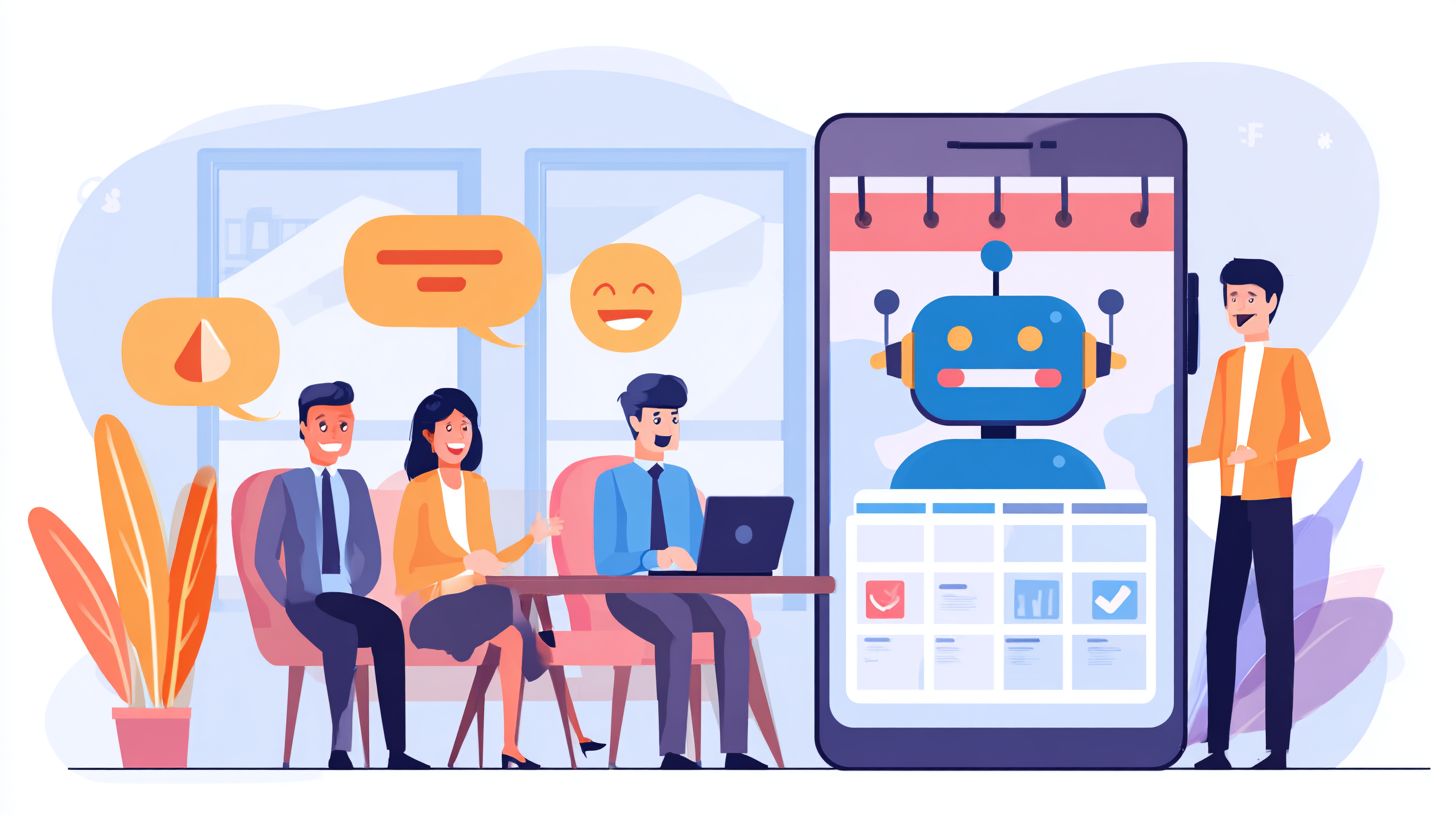
Customers receive immediate booking confirmations and automated reminders, eliminating uncertainty and reducing no-shows. After selecting a time slot, the chatbot processes the choice in real-time, syncs with integrated calendars, and sends notifications via SMS or email. This flow ensures clarity from start to finish.
The typical process goes like this: customer picks an appointment chatbot confirms availability calendar syncs the slot notifications fire off. For example, a confirmation script might say, “Great choice! Your 2 PM haircut on Friday is booked. Check your email for details and a calendar invite.” Customize these messages with drag-and-drop builders for a personal touch.
- Use customer names in confirmations to build rapport.
- Include rescheduling links for flexibility.
- Add service summaries to reinforce the booking.
Tips for higher completion rates include shortening scripts and offering one-click approvals. In conversational workflows, this keeps users engaged, preventing drop-offs common in traditional forms. Platforms with visual builders make such customizations simple for any business.
Personalized Experiences
AI-powered chatbots deliver tailored recommendations and interactions based on customer preferences and history. Unlike static forms, they remember past bookings to suggest optimal times, creating a sense of being understood. This personalization turns scheduling into a welcoming conversation.
For instance, if a customer often books morning slots, the chatbot might say, “Based on your last two visits at 9 AM, how about Thursday at 9:15? Or prefer something else?” Conversationally upsell services too, like “Pair your check-up with a quick massage for just $20 more?” These touches feel natural, not pushy.
Emotional benefits shine through in feeling valued, unlike rigid online forms that ignore context. Integrate with CRM for history access, enabling real-time personalization across industries. Experts recommend testing prompts in free plans to refine these features for better engagement.
Customization via no-code tools like Typebot allows businesses to deploy on social media or websites. This fosters loyalty as customers enjoy efficient, relevant interactions that respect their time and habits. Resulting conversations convert leads smoothly into confirmed appointments.
Essential Techniques and Features
Core chatbot capabilities like NLP and seamless integrations make appointment scheduling intuitive and reliable across industries.
These must-have technical features include real-time calendar sync, automated reminders, and payment processing. They ensure smooth booking workflows from initial query to confirmation.
Businesses benefit from conversational interfaces that guide customers through availability checks and personalization options. Drag-and-drop builders on platforms like Typebot simplify deployment without coding.
Key additions like mobile optimization and social media support extend reach, boosting completion rates for leads in sectors like healthcare and salons. For best practices on appointment scheduling with AI bots, explore our detailed guide.
Natural Language Processing (NLP)
NLP enables chatbots to understand and respond to natural customer queries, making booking feel like a human conversation.
For example, a query like ‘book tomorrow afternoon’ triggers specific slot suggestions based on context. This handles variations in phrasing, improving user experience in casual chats.
Platforms like Typebot or Landbot offer built-in NLP with visual builders for customization. Train models on industry-specific language, such as medical terms for healthcare or service durations for salons.
Tips include feeding common phrases into the system and testing with real conversations. This personalization reduces drop-offs and enhances flexible scheduling across mobile and web.
- Collect sample queries from customer support logs.
- Map intents like ‘reschedule’ or ‘check availability’.
- Fine-tune with sector jargon for accurate responses.
- Monitor chats to refine AI over time.
Calendar Integration
Seamless integration with calendars like Google Calendar or Cal.com ensures real-time availability checks and automatic slot updates.
Follow this step-by-step setup for reliable sync. First, connect via Zapier or native integrations to link your chatbot platform.
Next, map fields like date, time, and customer details between systems. Finally, test end-to-end to confirm bookings reflect instantly and avoid conflicts.
- Choose Google Calendar for free, basic needs or Cal.com for open-source flexibility.
- Authenticate accounts and select event fields.
- Run trials with sample appointments.
- Set up automated confirmations and reminders.
Watch for pitfalls like time zone mismatches, which can cause no-shows. Enable notifications and double-check regional settings for global businesses to maintain smooth operations.
Implementation Best Practices

Successful chatbot deployment requires strategic planning, focusing on user-friendly design and robust integrations. Businesses can streamline appointment scheduling by following proven techniques. This approach boosts customer experience and operational efficiency.
Start with flexible platforms that support easy setup. Use tools with drag-and-drop builders for quick customization. These options help create conversational flows tailored to specific industries.
Key practices include ensuring compliance and testing across channels. Explore our step-by-step guide on how to deploy and test AI chatbots to ensure smooth performance. Integrate calendars and payments for seamless booking. A well-designed workflow reduces no-shows through automated reminders.
Visualize the process with a simple workflow diagram: User initiates chat on WhatsApp or web, bot asks for preferences, checks real-time availability via calendar sync, confirms slot, and sends confirmation notifications. This flow enhances completion rates and personalization.
- Choose flexible platforms like Typebot with drag-and-drop builders. These offer a free plan for initial testing and scale with business needs.
- Ensure HIPAA/GDPR compliance for healthcare sectors. Protect patient data in every conversational booking interaction.
- Test multi-channel deployment on WhatsApp, Instagram, and social media. Verify smooth performance across mobile devices.
- Customize flows with conditional logic. Direct users to relevant options based on their responses for better engagement.
- Integrate payments via Stripe or Twilio. Enable secure transactions during the scheduling process.
Measuring Success and ROI
Track key metrics using built-in analytics from platforms like Tidio or ManyChat to quantify chatbot scheduling impact. These tools provide dashboards that monitor appointment booking performance in real time. Businesses can see how chatbots improve customer interactions across sectors like healthcare.
Focus on specific KPIs such as booking completion rates, time-to-book, no-show reduction, and lead volume. Booking completion rates measure the percentage of conversations that end in confirmed appointments. Time-to-book tracks how quickly users schedule from initial contact (our Appointment Scheduling with AI Bots: Best Practices deep dive explores advanced optimization techniques).
Calculate ROI with a simple framework: (added bookings x average appointment value) – platform costs. For example, if chatbots add 50 bookings per month at $100 each, subtract monthly fees from Tidio or Typebot. This shows clear financial gains from automation and integrations.
Recommend A/B testing conversational flows to optimize results. Test variations in greetings or calendar sync options, then compare KPIs. Tools like Google Analytics or Zapier help track these changes effectively.
Key Performance Indicators for Chatbot Scheduling
Monitor booking completion rates to assess how many user conversations lead to actual appointments. High rates indicate effective conversational flows and personalization. Use platform dashboards to review this daily.
Track time-to-book, the duration from first message to confirmation. Shorter times mean better user experience on mobile or social media. Compare across industries to find benchmarks.
Measure no-show reduction through automated reminders and confirmations. Chatbots sending notifications via integrations cut missed appointments. Pair this with lead volume to see overall growth in qualified leads.
Other useful metrics include drop-off points in workflows and integration success with calendars. Platforms like ManyChat offer these insights. Regular review helps refine chatbot features for better results.
Setting Up Tracking with Google Analytics and Zapier
Integrate Google Analytics with chatbot platforms for detailed traffic and conversion data. Set up goals for appointment confirmations in Google Analytics. Link events from Typebot or Tidio to track scheduling conversations.
- Create a goal in Google Analytics for booking completion.
- Add UTM parameters to chatbot links for source tracking.
- Use Zapier to connect chatbots to Google Sheets for custom reports.
With Zapier, automate data flows from chatbots to analytics tools. For instance, trigger a Zap on new bookings to log in Google Analytics. This setup captures real-time data on leads and no-shows.
Test integrations with calendars and payments to ensure accurate tracking. Businesses in healthcare benefit from this for compliance. Review dashboards weekly to spot trends in customer behavior.
ROI Calculation Framework and A/B Testing
Start ROI calculation by tallying added bookings from chatbot use. Multiply by average value per appointment, then subtract costs like platform subscriptions. Factor in time saved on manual scheduling.
For example, track baseline bookings before chatbots, then compare post-deployment. Include savings from no-show reduction and increased leads. This framework works for any industry using AI scheduling.
Conduct A/B testing on flows, such as one with drag-and-drop calendar sync versus another with forms. Run tests for two weeks, measure KPIs like time-to-book. Tools in ManyChat support this easily.
Iterate based on results, customizing for sectors like real-time support. Combine with Zapier for automated testing workflows. This approach maximizes chatbot benefits and justifies investments.
Frequently Asked Questions
What is Chatbot Appointment Scheduling?
Chatbot Appointment Scheduling refers to the use of AI-powered chatbots to automate the process of booking, managing, and rescheduling appointments for businesses like clinics, salons, or service providers. It leverages natural language processing to handle user queries seamlessly, offering key techniques and benefits such as 24/7 availability and reduced no-shows.
What are the main techniques used in Chatbot Appointment Scheduling?
Key techniques in Chatbot Appointment Scheduling: Techniques and Benefits include natural language understanding (NLU) for interpreting user intent, integration with calendar APIs like Google Calendar or Outlook for real-time slot availability, multi-channel support (e.g., WhatsApp, websites), confirmation reminders via SMS/email, and fallback to human agents for complex cases, ensuring efficient and accurate scheduling.
What are the primary benefits of implementing Chatbot Appointment Scheduling?
The benefits of Chatbot Appointment Scheduling: Techniques and Benefits are numerous, including cost savings by reducing staff workload, improved customer satisfaction through instant responses, higher booking rates due to always-on service, decreased administrative errors, and data collection for analytics to optimize operations.
How does Chatbot Appointment Scheduling improve efficiency for businesses?
Chatbot Appointment Scheduling: Techniques and Benefits enhance efficiency by automating repetitive tasks, handling high volumes of requests simultaneously, syncing with CRM systems to avoid double-bookings, and providing personalized recommendations based on user history, allowing staff to focus on high-value interactions.
What security measures are involved in Chatbot Appointment Scheduling techniques?
In Chatbot Appointment Scheduling: Techniques and Benefits, security techniques include GDPR-compliant data handling, end-to-end encryption for sensitive information like personal details and payment data, user authentication via OTP, and secure API integrations to protect appointments and comply with privacy regulations.
Can Chatbot Appointment Scheduling integrate with existing systems, and what are its benefits?
Yes, Chatbot Appointment Scheduling: Techniques and Benefits support seamless integration with tools like EHR systems, booking software (e.g., Calendly), and CRMs via APIs or webhooks. Benefits include unified data flow, minimized manual entry errors, scalable growth, and enhanced user experience across platforms.