Diversifying Service Lines with Messenger Bots
Running a service business often means looking for smart ways to expand without overextending your team. Messenger bots offer a straightforward path to diversify, handling everything from customer service to lead generation. In this guide, you’ll see how to assess your current lines and add chatbot-powered offerings that fit right in.
Key Takeaways:
- 1 Understanding Messenger Bots
- 2 Current Service Line Assessment
- 3 Bot-Based Lead Generation Services
- 4 Customer Support Automation Offerings
- 5 E-commerce and Sales Bot Solutions
- 6 Personalized Marketing Automation
- 7 Integration with Existing Services
- 8 Pricing and Packaging Strategies
- 9 Client Acquisition and Case Studies
- 10 Frequently Asked Questions
- 10.1 What is Diversifying Service Lines with Messenger Bots?
- 10.2 Why should businesses consider Diversifying Service Lines with Messenger Bots?
- 10.3 How do Messenger Bots help in Diversifying Service Lines with Messenger Bots?
- 10.4 What are the key steps to start Diversifying Service Lines with Messenger Bots?
- 10.5 What challenges might arise when Diversifying Service Lines with Messenger Bots?
- 10.6 How can I measure success in Diversifying Service Lines with Messenger Bots?
Understanding Messenger Bots
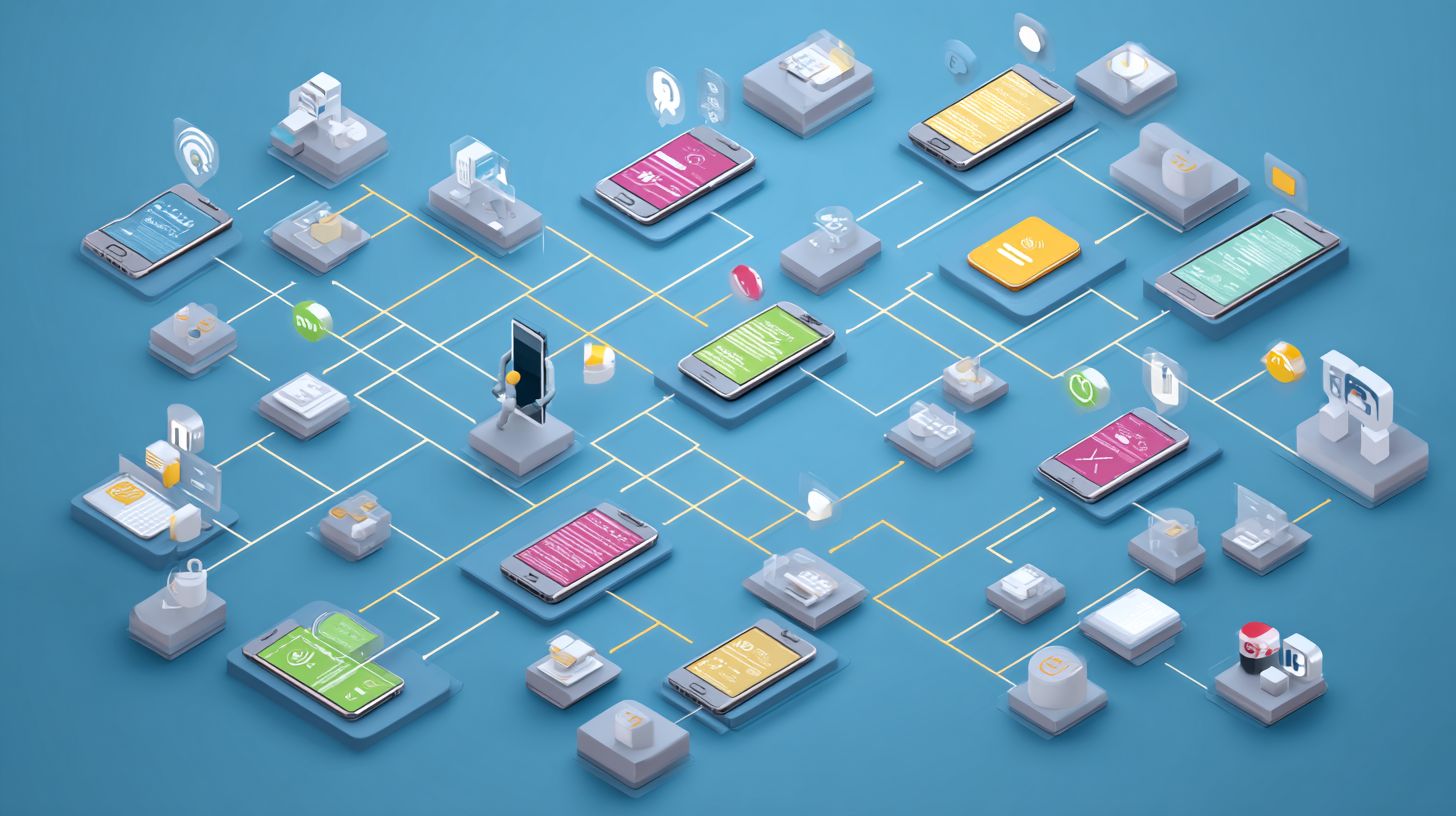
Messenger bots leverage Facebook Messenger’s vast user base to deliver conversational AI experiences that transform customer interactions. These bots use natural language processing (NLP) to understand user queries in everyday language. Businesses deploy them for customer service, sales, and marketing tasks.
At their core, Messenger bots process text inputs through NLP engines. They generate automated responses tailored to user intent, such as answering questions about orders or refunds. This creates a natural flow, mimicking human conversations.
User engagement improves with features like quick replies and button menus. Bots integrate seamlessly with Facebook’s ecosystem, pulling data from pages or events. Developers access the Messenger API to build custom solutions for 24/7 support.
For example, a retail bot handles shipping inquiries or product recommendations instantly. This setup supports omnichannel strategies, connecting Messenger to websites or apps. Enterprises like Dominos and Sephora use these bots for transactional services and leads generation.
Core Capabilities and Platforms
Messenger bots excel in handling natural conversations through advanced NLP, enabling businesses to automate responses across multiple platforms. Key capabilities include text and audio processing for voice commands. They also support button menus, quick replies, and rich media sharing like images or videos.
These features boost customer support by offering instant answers to common questions. Bots manage tasks such as booking tickets, checking inventory, or collecting feedback via surveys. Personalization comes from user data, improving the overall experience.
- Use quick replies for guiding users to options like “Track Order” or “Get Recommendations.”
- Implement button menus for actions such as refunds or event registrations.
- Share rich media to display product carousels or promotional content.
- Enable escalation to human agents for complex issues.
Key platforms include Facebook Messenger and WhatsApp Business API. To set up, create a Facebook app, get an access token via the Messenger API, and connect to NLP tools like Dialogflow. For basic deployment with Botpress, install the platform, configure the Messenger channel, and add this sample code snippet:
const botpress = require('botpress'); const messengerConfig = { accessToken: 'YOUR_PAGE_ACCESS_TOKEN', verifyToken: 'YOUR_VERIFY_TOKEN' }; botpress.start(messengerConfig);Test the bot for containment rate and response time, then scale for CSAT improvements. Brands like Zalando use these for sales and PVR Cinemas for ticket bookings.
Current Service Line Assessment
Evaluating your existing customer service offerings reveals gaps where chatbots can enhance efficiency and customer satisfaction. Start by mapping manual processes like email handling and phone support against their automation potential. This audit highlights areas where bots can take over repetitive tasks.
Focus on high-volume activities such as FAQ responses and ticket routing. Com.bot’s Smart FAQ Bot excels at handling these efficiently. Create a simple checklist to score tasks based on frequency, complexity, and resolution time. Tools like ticket logs help identify patterns in customer queries.
Review your current service lines by category, such as support, sales, and marketing. Note where human agents spend most time on routine interactions. This step sets the foundation for chatbot integration.
Use the checklist below for a quick audit of high-volume tasks. Prioritize those with clear rules and frequent occurrences for bot automation.
- FAQs on shipping and refunds
- Ticket routing to the right agents
- Lead capture from initial inquiries
- Order status checks
Identifying Diversification Opportunities
Pinpointing underserved areas in your service portfolio uncovers prime opportunities for chatbot-driven diversification. Begin with a step-by-step assessment of your operations. This process reveals where conversational AI can expand your offerings.
First, analyze ticket volume by category in about ten minutes using your support dashboard. Look for peaks in queries about refunds, shipping, or product recommendations. This data points to automation candidates.
Next, identify repetitive queries with keyword analysis tools. Common patterns include questions on inventory or event bookings. Map these to bot use cases like support triage and lead capture.
Finally, align findings with bot solutions for gaps in your services. The table below matches common service gaps to chatbot fixes, drawing from examples like Domino’s for orders and Sephora for recommendations.
| Service Gap | Chatbot Solution |
|---|---|
| High-volume FAQs overwhelming agents | Instant NLP-powered responses for 24/7 coverage |
| Slow ticket routing delays | Automated triage with escalation to humans |
| Missed leads in marketing chats | Conversational lead generation and qualification |
| Limited after-hours support | Omnichannel bots handling surveys and feedback |
Bot-Based Lead Generation Services
Chatbots turn casual conversations into qualified leads by engaging users with personalized qualification flows. Businesses can offer this as a service to capture interest on websites or social platforms. The approach fits well into marketing and sales strategies for various industries.
Start implementation by designing conversational funnels. Include qualification questions like “What challenges are you facing with your current CRM?” and scoring systems to rank leads. This builds a natural flow that guides users toward sharing contact details.
Next, integrate the chatbot with CRM systems such as HubSpot or Salesforce. This sends qualified leads directly into sales pipelines for follow-up. Seamless data transfer ensures no opportunities slip through.
Finally, run A/B tests on messaging variations to optimize engagement. Track key metrics like lead volume and qualification rate. Related insight: Website Lead Qualification with Chatbots: Methods and Tools provides proven methods that complement these practices. For example, VainuBot serves as a real-world case in B2B lead generation, using conversational AI to qualify prospects efficiently during events like Slush.
- Monitor lead volume to gauge overall interest generated.
- Measure qualification rate based on how many chats result in scored leads.
- Track conversion to sales for full ROI insight.
Customer Support Automation Offerings
Automating routine support queries with chatbots frees human agents for complex issues while maintaining service quality. Businesses can offer tiered support, starting with self-service bots for common FAQs like refunds or shipping status. This approach improves containment rates by resolving queries without agent involvement.
Escalation paths ensure seamless handoff to live agents for tricky cases. Metrics such as response time drop sharply with instant chatbot replies. Companies like Dominos and Sephora use these bots to handle high-volume support, boosting overall customer satisfaction.
Tiered offerings include basic FAQ bots, advanced conversational AI for multi-turn dialogues, and omnichannel integrations. For a deep dive into enterprise-grade implementations, check out Com.bot Enterprise CX Automation. Track CSAT scores and ROI through reduced ticket volumes. Enterprises benefit from personalization, like tailoring responses based on past orders.
Common use cases cover returns processing, order tracking, and product recommendations. This diversification strengthens customer service lines, allowing support teams to focus on high-value interactions. Experts recommend starting with pilot programs to refine escalation logic.
24/7 Chatbot Implementations
Deploying 24/7 chatbots ensures instant responses around the clock, handling queries without human intervention. Customers get help anytime, from event ticket questions to inventory checks. This setup supports global businesses with round-the-clock customer support.
Follow these numbered steps for quick implementation:
- Select an NLP platform with a 15-minute evaluation of natural language capabilities.
- Train the bot on your FAQ dataset, typically taking 1-2 hours for core queries.
- Test escalation paths to confirm smooth handoffs to agents.
- Go live with real-time monitoring for performance tweaks.
Avoid pitfalls like poor fallback responses, which frustrate users. Solution: always default to human handoff with a friendly message. Brands like Zalando and HOAS Helmi succeed by prioritizing clear escalation triggers.
Monitor metrics post-launch, focusing on containment rate and response time. Integrate with tools like LeadDesk for agent efficiency. This method scales customer service effortlessly, enhancing the overall experience.
E-commerce and Sales Bot Solutions

E-commerce chatbots streamline transactions by guiding customers through product discovery to checkout. These bots handle product recommendations, inventory checks, order tracking, and queries on refunds or shipping. They create a smooth, conversational experience that boosts sales.
Key flows start with natural language processing for customer questions. For instance, a bot suggests items based on past purchases or preferences. It then checks real-time inventory to avoid disappointments.
Order tracking keeps customers informed with instant updates. Refunds and shipping queries resolve quickly through predefined scripts or escalation to agents. This 24/7 support improves customer satisfaction.
Integration with platforms like Shopify and WooCommerce is straightforward. Bots pull data directly from these systems for accurate responses. Businesses see faster transactions and higher conversion rates.
Real-World Case Studies
Domino’s pizza ordering bot lets customers place orders via Messenger with simple chats. Users select toppings, sizes, and delivery options in a conversational flow. This approach simplified ordering for millions.
Zalando’s fashion advice bot offers personalized outfit recommendations. It asks about style preferences and occasions, then suggests items with links to buy. Such bots drive engagement and sales in retail.
These examples show how AI chatbots transform e-commerce. They handle complex queries while maintaining a human-like interaction. Enterprises like these report better customer experiences.
Other brands, such as Sephora, use similar bots for beauty advice. They work together with inventory systems for instant availability checks. This builds trust and encourages repeat purchases.
Manual vs. Bot Checkout Comparison
| Aspect | Manual Checkout | Bot-Assisted Checkout |
|---|---|---|
| Average Time | Requires multiple page navigations and form filling | Conversational steps complete in minutes |
| Customer Effort | High, with risk of cart abandonment | Low, guided prompts reduce friction |
| Availability | Limited to business hours if agent involved | 24/7 instant responses |
| Accuracy | Prone to human errors in queries | Precise data from integrated systems |
| Scalability | Limited by staff capacity | Handles unlimited simultaneous users |
The table highlights why bot solutions outperform manual processes. Customers finish checkouts faster with less effort. Businesses benefit from scalable support.
During peak events, bots manage high volumes without delays. They also collect feedback mid-conversation to refine services. This leads to measurable improvements in metrics like response time and containment rate.
Personalized Marketing Automation
Personalized chatbots deliver tailored marketing messages based on user behavior and preferences. They analyze interactions to offer relevant content, boosting customer engagement. This approach enhances customer service while driving sales through conversational experiences.
Implementation starts with capturing user data via natural conversations. Businesses use chatbots to ask questions about interests or past purchases. This data fuels personalization in real time.
Next, segment users with tags for targeted outreach. Tags like “frequent buyer” or “new lead” enable precise grouping. Then, trigger campaigns such as product recommendations or surveys.
Sephora’s bot exemplifies this with beauty quizzes that suggest products based on skin type and style. Track success using engagement metrics like open rates and conversions. These insights refine future marketing efforts for better ROI.
Capturing User Data via Conversation
Chatbots excel at gathering customer data through friendly dialogues. They pose questions naturally, like inquiring about favorite products during a chat. This builds a profile without feeling intrusive.
Use NLP to process responses and store details securely. For instance, a fashion bot from Zalando might note size preferences from user replies. This data supports personalized recommendations later.
Ensure compliance with privacy rules during collection. Integrate with CRM systems for seamless data flow. Regular audits keep information accurate and relevant.
Segmenting with Tags
Tagging segments users into meaningful groups for targeted marketing. Assign labels based on behavior, such as “high-value customer” or “survey respondent.” This simplifies campaign management.
Platforms allow dynamic tagging during conversations. A bot handling event tickets can tag users by location or interest. These segments trigger specific follow-ups.
Refine tags over time with feedback loops. Combine with omnichannel data for fuller profiles. This precision lifts containment rates and response times.
Triggering Personalized Campaigns
Automated triggers launch personalized campaigns at key moments. Send recommendations when inventory matches user tags, like Domino’s suggesting pizzas for past orderers. Surveys follow purchases for instant feedback.
Set rules for escalation if needed, routing to agents. Use cases include leads generation via quizzes or refunds queries. This keeps interactions smooth and sales-focused.
Monitor metrics like CSAT and conversion rates post-campaign. Adjust triggers based on performance. Businesses see stronger customer loyalty through these tailored touches.
Integration with Existing Services
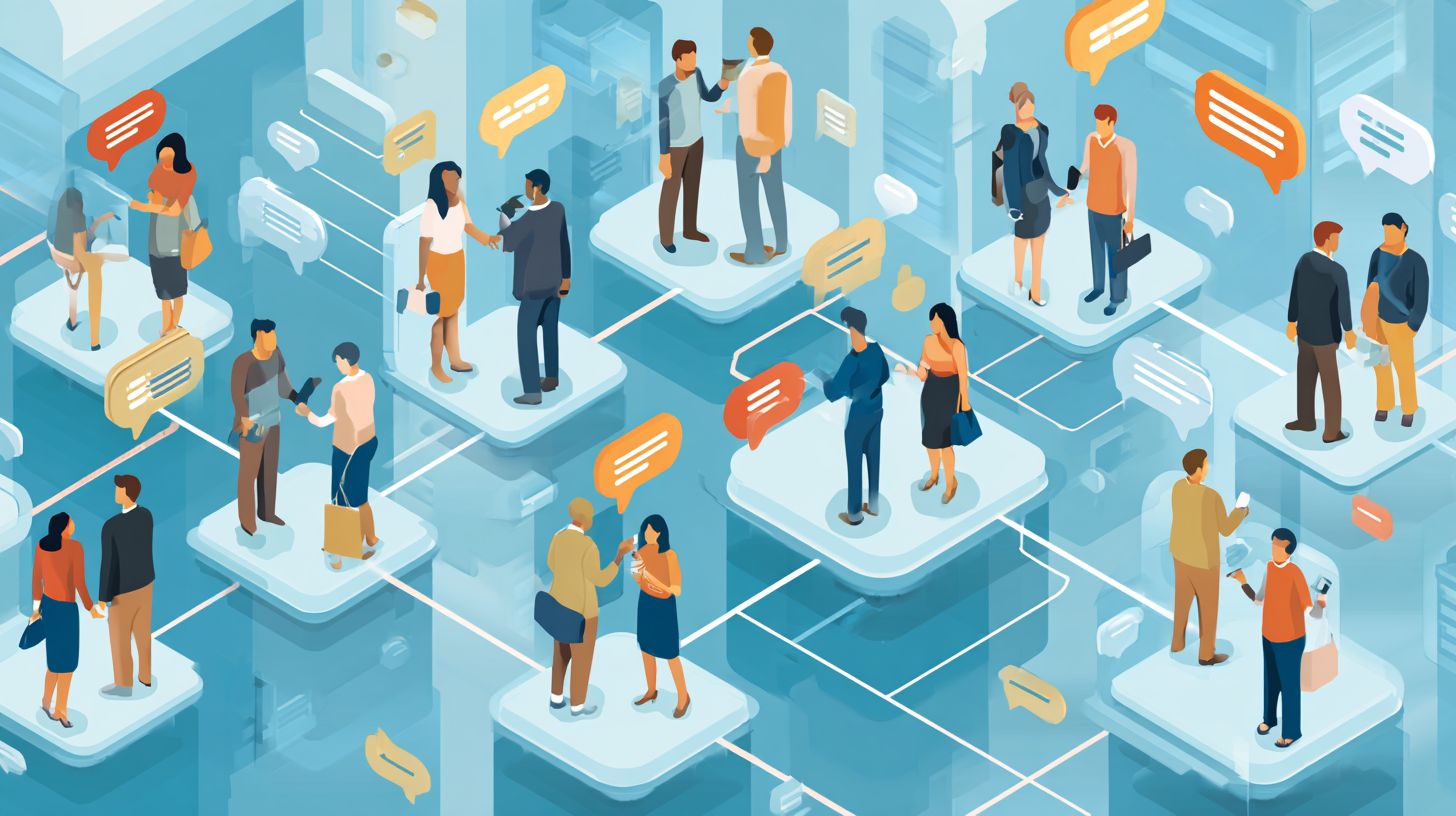
Seamless chatbot integrations create omnichannel experiences that enhance your current tech stack. Businesses can connect messenger bots to tools they already use for customer support. This keeps conversations flowing without data loss.
Popular options include Zendesk for ticketing, Intercom for escalation, and Slack for agent alerts. For example, a retail bot handling refunds and shipping queries can create Zendesk tickets automatically. These links boost efficiency in customer service.
Tools like Zapier make setup simple with webhooks. A quick guide takes under 30 minutes and ensures context preservation during handoffs. Agents receive full chat history for smooth escalation.
Enterprises like Dominos and Sephora use such integrations for ordering and recommendations. This approach improves response time and CSAT while supporting 24/7 service. Start with one integration to test ROI.
Popular Integrations for Messenger Bots
Choose integrations that fit your service lines. Zendesk excels at turning bot chats into trackable tickets for complex issues. It preserves customer questions and history seamlessly.
Intercom handles escalation by routing high-value conversations to live agents. Use it for leads generation or personalized support in sales and marketing. Slack sends instant alerts to teams, keeping everyone in sync.
Other use cases include connecting to inventory systems for real-time stock checks. Businesses like Zalando integrate bots this way for omnichannel shopping experiences. Experts recommend starting with one tool to build confidence.
These setups support NLP-driven bots that understand natural language. They enable transactional flows like orders and feedback surveys. Resulting in better containment rates without added costs.
Step-by-Step Zapier Webhook Guide
Set up Zapier in under 30 minutes for fast chatbot integration. First, create a Zapier account and select your messenger bot as the trigger app. Choose events like new messages or escalations.
- Pick your action app, such as Zendesk or Slack.
- Map bot data fields to preserve context, including user ID and chat transcript.
- Test the webhook by sending a sample query from your bot.
- Turn on the Zap and monitor the first live interactions.
This process ensures smooth handoffs to human agents. For instance, a bot answering event tickets can alert Slack with full details. Adjust triggers as needed for your business flow.
Companies like LeadDesk use similar automations for support metrics. It reduces manual work and enhances personalization. Review logs weekly to refine performance.
Pricing and Packaging Strategies
Strategic pricing packages maximize ROI by aligning chatbot capabilities with client needs and outcomes. Businesses can offer tiered options that scale from simple customer support to advanced sales and marketing functions. This approach helps clients select plans matching their use cases, such as FAQ handling or lead generation.
The Basic tier at $99 per month focuses on core features like an FAQ bot for 24/7 customer questions. It suits small businesses needing instant responses for common inquiries on refunds or shipping. Clients see quick wins in response time reductions without complex setup.
Pro tier at $299 per month adds lead generation, analytics, and personalization via natural language processing. This package supports conversational flows for orders, recommendations, and feedback surveys. It drives customer engagement across support and sales.
Enterprise tier offers custom pricing for omnichannel integration, escalation to agents, and advanced metrics like containment rate. Larger clients like enterprises benefit from tailored implementations handling events, tickets, and inventory checks. A comparison table below outlines key differences.
| Feature | Basic ($99/mo) | Pro ($299/mo) | Enterprise (Custom) |
|---|---|---|---|
| FAQ Bot & 24/7 Support | Yes | Yes | Yes |
| Lead Generation & Sales Flows | No | Yes | Yes |
| Analytics & CSAT Tracking | Basic | Advanced | Custom Dashboards |
| Omnichannel (NLP, Escalation) | No | Partial | Full |
| Expected CSAT Uplift | Improved query resolution | Enhanced personalization | Seamless agent handoff |
Calculate ROI using a simple framework based on time saved (our guide to choosing a chatbot platform dives deeper into key features that drive these returns). Track hours agents spend on repetitive tasks before and after chatbot deployment, then multiply by average hourly cost. Factor in gains from leads generated or CSAT improvements for a complete picture, as seen in cases like Domino’s or Sephora.
Client Acquisition and Case Studies
Real-world success stories from companies like Domino’s and Sephora demonstrate chatbot impact on customer service and sales. These brands used messenger bots for orders and recommendations, improving customer experience. Businesses can replicate this by diversifying service lines with similar tools.
PVR Cinemas implemented a chatbot for ticket booking, handling queries on showtimes and seats. This transactional bot provided instant responses, reducing wait times for users. It shows how bots fit entertainment services.
HOAS Helmi deployed bots for housing queries, answering questions on availability and applications. Users received 24/7 support through natural language processing. Such cases highlight bots in real estate services.
LeadDesk automated support with chatbots, while VainuBot focused on B2B leads. The Slush event bot managed registrations and info at events. Gartner reports note chatbots boost containment rates in enterprises, and Sprinklr benchmarks show gains in response time.
Key Use Cases from Success Stories
These cases reveal chatbot use cases across industries. PVR Cinemas bots handled tickets and schedules, while HOAS Helmi bots managed housing details. LeadDesk bots cut agent workload in support.
VainuBot generated leads generation for B2B sales through conversational flows. Slush bots provided event info and feedback collection. Such examples prove bots enhance customer support and marketing.
Domino’s bots took orders via messenger, and Sephora offered personalization suggestions. These integrate NLP for natural interactions. Experts recommend mapping similar flows for new service lines.
Client Acquisition Playbook
Start with pain point mapping to identify customer needs like refunds or shipping queries. Match these to bot capabilities for instant responses. This builds a strong pitch for prospects.
Use demo scripts that showcase quick wins. For example, script a flow for inventory checks or surveys. Highlight ROI through metrics like CSAT and escalation rates.
- Research client pain points in customer service.
- Prepare tailored demos with omnichannel examples.
- Demonstrate conversational AI handling complex questions.
- Follow up with implementation timelines and support plans.
Sprinklr benchmarks emphasize ROI from high containment. Gartner insights support scaling bots in enterprises. This playbook drives acquisition for diversified services.
Frequently Asked Questions
What is Diversifying Service Lines with Messenger Bots?
Diversifying service lines with Messenger Bots involves expanding your business offerings by integrating automated chatbots on platforms like Facebook Messenger. These bots can handle customer inquiries, sales, support, and more, allowing you to add new revenue streams without proportionally increasing staff or overhead.
Why should businesses consider Diversifying Service Lines with Messenger Bots?
Diversifying service lines with Messenger Bots enables companies to reach wider audiences instantly, reduce operational costs, and tap into 24/7 customer engagement. It helps mitigate risks from relying on single service lines by introducing scalable, tech-driven alternatives like personalized marketing or automated consultations.
How do Messenger Bots help in Diversifying Service Lines with Messenger Bots?
Messenger Bots facilitate diversification by automating routine tasks across new service lines, such as e-commerce recommendations, appointment scheduling, or lead generation. They integrate seamlessly with existing systems, enabling quick launches of complementary services like virtual assistance or content delivery directly via chat.
What are the key steps to start Diversifying Service Lines with Messenger Bots?
To begin diversifying service lines with Messenger Bots, first identify target services like customer support or sales funnels. Then, choose a bot-building platform (e.g., ManyChat or Chatfuel), design conversational flows, test with real users, integrate with your CRM, and launch with targeted Messenger ads for rapid scaling.
What challenges might arise when Diversifying Service Lines with Messenger Bots?
Common challenges in diversifying service lines with Messenger Bots include ensuring natural conversation flows to avoid user frustration, complying with platform policies on data privacy, and measuring ROI accurately. Overcoming these requires iterative testing, analytics tracking, and staying updated on Messenger’s API changes.
How can I measure success in Diversifying Service Lines with Messenger Bots?
Success in diversifying service lines with Messenger Bots is measured by metrics like bot engagement rates, conversion to sales, cost per acquisition, and new service line revenue growth. Tools like Facebook Insights and bot analytics platforms provide data to refine strategies and prove the diversification impact.