How to Design Conversational Flows: Natural Interaction Practices
Building conversational AI that feels truly natural can be tricky, especially when users expect smooth, human-like interactions. In this guide, you’ll learn key practices for designing conversational flows, from mapping intents to handling edge cases with tools like Rasa CALM. It’s all about creating dialogues that keep users engaged without frustrating them.
Key Takeaways:
- 1 Understanding Conversational Flows
- 2 Defining User Intent and Goals
- 3 Structuring Conversation Architecture
- 4 Implementing Context Management
- 5 Crafting Natural Language Responses
- 6 Handling Errors and Edge Cases
- 7 Frequently Asked Questions
- 7.1 How to Design Conversational Flows: Natural Interaction Practices – What are the basics?
- 7.2 How to Design Conversational Flows: Natural Interaction Practices – How do you map user journeys?
- 7.3 How to Design Conversational Flows: Natural Interaction Practices – What role does context play?
- 7.4 How to Design Conversational Flows: Natural Interaction Practices – How to handle errors naturally?
- 7.5 How to Design Conversational Flows: Natural Interaction Practices – Best tools for prototyping?
- 7.6 How to Design Conversational Flows: Natural Interaction Practices – How to measure success?
Understanding Conversational Flows
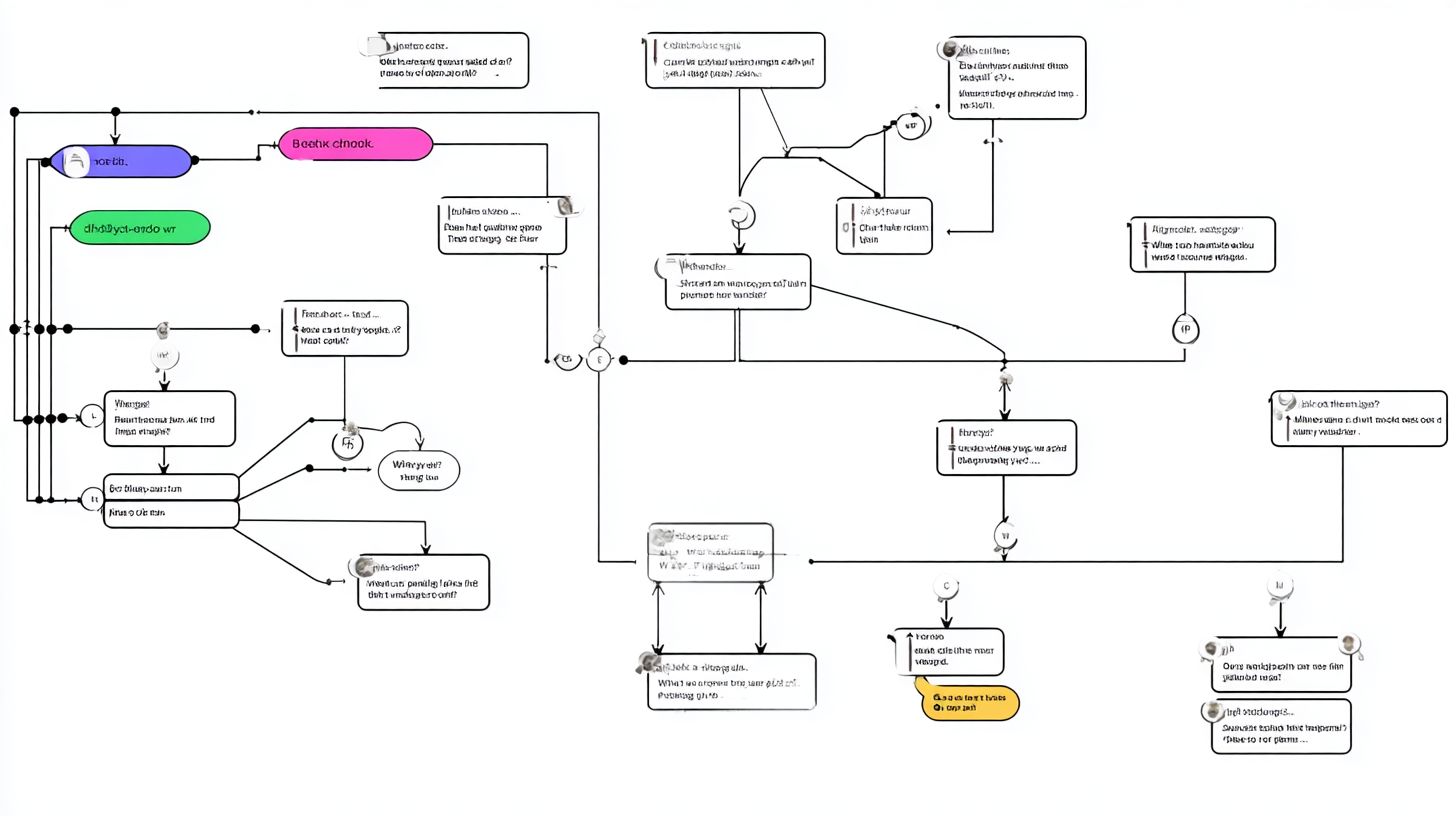
Conversational flows form the backbone of effective conversational AI, guiding users seamlessly from query to resolution like a natural dialogue with a knowledgeable friend. They create structured paths in conversation design that mimic human interaction. The principles of semantic search, discussed in conversation design fundamentals, show how Google interprets user intent. This approach ensures smooth user journeys in chatbots and virtual assistants.
Tools like Rasa CALM and Amazon Lex excel in building these flows. Rasa CALM handles dialogue understanding through components like flow retrieval and command generator. Amazon Lex, part of AWS services, supports business logic with slots and intents for reliable interactions.
Effective flows consider conversation history, user inputs, and error handling. They guide users through design stages from discovery phase to deployment iteration. This results in trust reliability and positive business outcomes.
Designers map out user personas and sample dialogues early. This practice aligns assistant responses with user needs. Natural conversational flows enhance engagement in voice AI and conversational interfaces.
Core Principles of Natural Dialogue
Natural dialogue in conversational AI relies on principles that prioritize clarity, efficiency, and empathy tone to create engaging interactions. Start with active voice and short sentences in assistant responses. This keeps communication direct and easy to follow.
Incorporate empathy through phrases like “I understand that must be frustrating.” Such responses build rapport and acknowledge user feelings. They fit into the intent emotion action framework, where you first recognize intent, address emotion, then take action.
- Use active voice for quick understanding, such as “I will check that now.”
- Add empathy tone to validate emotions before proceeding.
- Apply intent emotion action: detect intent, show empathy, deliver resolution.
For example, a banking institution bot might say “Let me help you check your balance right away.” This follows Rasa CALM documentation for dialogue understanding patterns. It combines clarity with prompt action, guiding the flow naturally.
Handle errors by using acknowledge confirm prompt next strategies. Reference user stories and conversation history to maintain context. These best practices ensure bot personality feels human and reliable.
Defining User Intent and Goals
Defining user intent forms the foundation of conversation design, ensuring your conversational AI addresses real user needs from the first interaction. Identifying user goals through research creates effective NLU training. The discovery phase plays a key role in mapping intents for tools like Amazon Lex and Rasa CALM.
In the discovery phase, gather insights on how users express needs. Analyze user inputs from logs or sessions to spot patterns in dialogue understanding. This helps train language models to recognize intents accurately ( AI Chatbot Training: Importance and Techniques).
Focus on user stories that capture goals like checking balances or placing orders. Tools such as Amazon Lex use these to build business logic for flows. Rasa CALM excels in handling complex conversational flows with intent emotion action mapping.
Align intents with business outcomes by prioritizing common queries. This builds trust reliability in virtual assistants and chatbots. Regular iteration refines assistant responses based on real interactions.
Mapping Common User Journeys
Mapping user journeys reveals the natural paths customers take, from initial query to goal completion. This step-by-step process starts with user research. It uncovers how the target audience interacts with conversational interfaces.
Conduct user research through short 10-15 minute interviews with your audience. Create user personas, such as one for a banking customer needing quick balance checks and another for a coffee shop patron ordering drinks. Document 3-5 primary user stories per persona to outline key needs.
Build sample dialogues showing progression from greeting to resolution. Include error handling and prompts for clarity. A common mistake is assuming all users follow linear paths, so design for branches and loops.
Compare journeys across scenarios to highlight differences. The table below shows a coffee shop order flow versus a banking balance check.
| Stage | Coffee Shop (Order Flow) | Banking (Balance Check) |
|---|---|---|
| Initial Query | “I’d like a latte.” | “What’s my balance?” |
| Acknowledge/Confirm | Confirm size and type, suggest add-ons. | Verify identity with PIN or details. |
| Prompt Next | Ask for payment method. | Display balance, offer transaction history. |
| Resolution | Provide order number and ETA. | Confirm details, end session securely. |
Use these maps to guide flow retrieval and command generator logic in Rasa or AWS services. This ensures clarity efficiency and empathy in tone for better user satisfaction.
Structuring Conversation Architecture
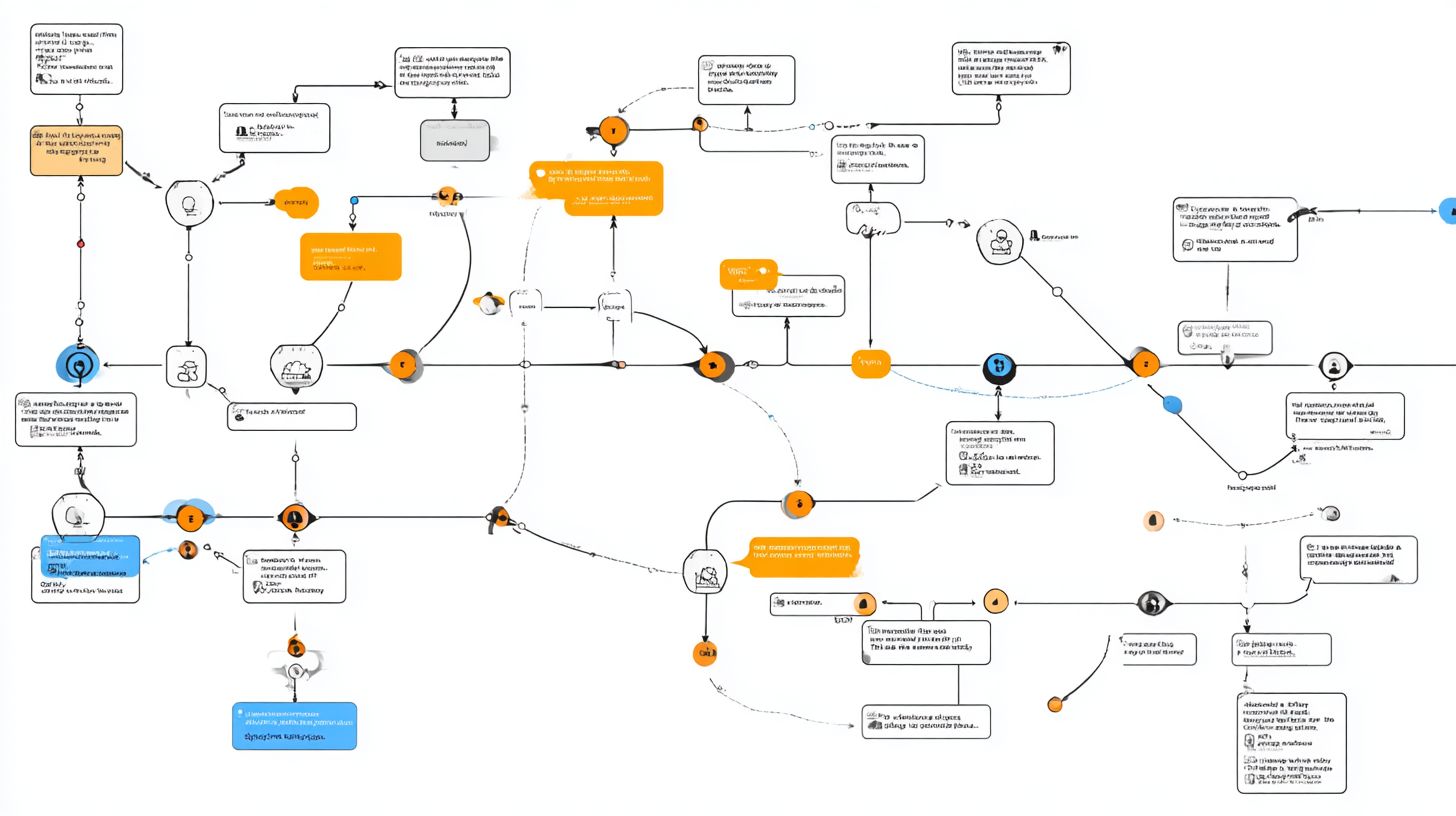
Well-structured conversation architecture organizes complex interactions using business logic that scales with user needs. In Rasa CALM, this architecture integrates flow retrieval, command generator, and business logic to create smooth conversational flows. Flow retrieval pulls relevant paths from conversation history, while the command generator interprets user inputs to trigger actions.
This setup ensures dialogue understanding aligns with user journeys. Business logic handles edge cases and integrates with external systems like knowledge bases. Designers start in the discovery phase by mapping user personas and sample dialogues.
Rasa CALM uses language models for natural assistant responses. It combines rule-based elements with ML for intent emotion action processing. This creates reliable virtual assistants that adapt to varied user inputs.
Key benefits include clarity efficiency and empathy in tone. Teams define core paths during user research, then refine through NLU training and deployment iteration. The result supports scalable conversational AI for chatbots and voice AI.
Branching Logic and Decision Trees
Branching logic powers dynamic conversations by directing users through decision trees based on their inputs. In a coffee shop chatbot, the tree starts at the main menu. Users choose “Order coffee” or “Check hours”, then select size or type.
Follow these numbered steps to build effective trees.
- Define 3-5 primary branches per flow to keep options simple. Spend time mapping user stories.
- Use Rasa Inspector to test paths and spot issues early.
- Implement business logic for each branch, including error handling and confirmations.
Avoid the common mistake of over-branching, which creates confusing flows. Limit choices to maintain guide flow and user trust. Focus on clear concise prompts that acknowledge inputs and prompt next steps.
| Approach | Key Features | Best For |
|---|---|---|
| Rule-based (Amazon Lex) | Precise paths via intents and slots. Integrates with AWS services. | Structured tasks with predictable user needs. |
| ML-based (Rasa CALM) | Adapts to conversation history and natural language. Uses RAG/RAG for knowledge. | Complex, open-ended user journeys. |
This comparison highlights how Rasa CALM excels in flexible conversational interfaces. Designers balance bot personality with design principles like acknowledge confirm. Test with sample dialogues to ensure trust reliability and positive business outcomes.
Implementing Context Management
Context management ensures conversational AI remembers previous exchanges, creating coherent multi-turn dialogues. Tracking conversation history is essential for dialogue understanding. It allows the system to maintain state across user inputs and assistant responses.
In practice, this means storing details like user preferences or ongoing tasks. For example, a virtual assistant handling travel plans recalls destinations from earlier turns. This builds trust and improves user experience in conversational flows.
Effective context handles interruptions or topic shifts smoothly. Tools like session attributes help persist data. Always preview how state influences future interactions in your design stages.
Without proper management, users face frustration from repeated queries. Integrate it early in conversation design to support business logic and user journeys. Experts recommend testing with sample dialogues to verify coherence.
Maintaining Conversation State
Maintaining conversation state prevents users from repeating information and builds trust through reliable interactions. Store key entities such as name, order, or location in session state. Frameworks like Rasa CALM slots make this straightforward for chatbots and voice AI.
Reference conversation history naturally in responses, like “As you mentioned earlier about your coffee order…”. This reinforces continuity in user stories. A banking bot example remembers account numbers across turns, guiding flow without prompts.
Set state expiration, such as after 15 minutes of inactivity, to balance privacy and relevance. Use tools like Rasa CALM state management or Amazon Lex session attributes. These support NLU training and deployment iteration for robust conversational interfaces.
A common error is losing context mid-conversation, breaking immersion. Implement error handling to acknowledge confirm details. Test with user personas during discovery phase to ensure clarity, efficiency, and empathy in tone.
Crafting Natural Language Responses
“` 
Natural language responses make conversational AI feel human by balancing clarity, efficiency, and personality. Script writing techniques focus on clear concise phrasing that guides users through user journeys. These responses adapt to conversation history and context for smoother interactions.
Start with the discovery phase to understand target audience needs. Craft responses that acknowledge confirm user inputs before prompting next steps. This builds trust reliability in virtual assistants and chatbots.
Incorporate bot personality through varied phrasing. Use “Great choice on that latte, Sarah!” for friendly tones in coffee shop bots. Test responses in design stages like NLU training and deployment iteration, drawing from core conversation design fundamentals.
Handle error handling gracefully with empathetic redirects. Draw from knowledge base for accurate info. These practices ensure business outcomes align with user needs in conversational flows.
“`
Personalization and Tone Adaptation
Personalization transforms generic responses into meaningful conversations by adapting tone to user emotion and context. Define system personality first, such as friendly for a coffee shop or professional for banking. This sets the foundation for dialogue understanding.
Apply the intent emotion action framework to match response tone. For frustration, respond with “I understand checking balances frequently is important to you.” This empathy tone differs from neutral replies like “Your balance is $500.”
- Detect emotions via user inputs and history.
- Personalize with data, like “Sarah, your usual latte is ready.”
- Use user personas from user research to tailor phrasing.
Best practice includes A/B testing three tone variations with tools like Rasa Inspector. Review sample dialogues to refine assistant responses. This iteration improves conversational interfaces for voice AI and chatbots.
Handling Errors and Edge Cases
Robust error handling maintains trust when users provide unexpected inputs or the system encounters limitations. Poor responses to errors can frustrate users and harm business outcomes. Strong practices ensure conversational flows stay reliable.
Focus on recovery patterns like acknowledge confirm, where the bot restates the input for validation. This builds user trust by showing the system understands attempts. Next, use prompt next to guide users forward smoothly.
Incorporate dialogue understanding to detect edge cases early. Test with varied user inputs and conversation history. These steps support user journeys and virtual assistants effectively.
Experts recommend layering empathy tone in error responses for better engagement. Combine this with business logic to align with user needs. Resulting trust reliability boosts long-term satisfaction in chatbots and voice AI.
Fallback Strategies and Recovery
Effective fallback strategies gracefully recover from misunderstandings while guiding users back to productive flows. Implement a 3-tier fallback system for conversational AI. This approach uses Rasa CALM for structured handling.
First, acknowledge confirm: Respond with “I think you want to check your balance – is that right?”. This validates user intent without assuming. It keeps the conversation natural.
Second, suggest options: Offer choices like “Did you mean A, B, or C?”. Integrate RAG or ragRAG for knowledge base fallbacks to pull relevant info. This enhances clarity efficiency.
- Third, escalate to human/agent when needed for complex issues.
- Sequence: Acknowledge, confirm, prompt next, then guide flow.
- Test via Rasa Inspector for edge cases in sample dialogues.
For code, consider a Rasa CALM fallback policy snippet that triggers on low confidence:
policy: - name: CALMRulePolicy fallback_action_name: action_default_fallbackThis setup aligns with conversation design best practices. It ensures assistant responses match user personas and handle errors proactively. Deployment iteration refines these for optimal performance.
Frequently Asked Questions
How to Design Conversational Flows: Natural Interaction Practices – What are the basics?
Designing conversational flows with natural interaction practices starts with mimicking human dialogue. Focus on user intent recognition, context retention, and adaptive responses. Use branching logic based on user inputs, keep turns concise (under 2-3 exchanges per topic), and incorporate empathy cues like “I understand” to build rapport. Always prioritize clarity and test with real users for natural feel.
How to Design Conversational Flows: Natural Interaction Practices – How do you map user journeys?
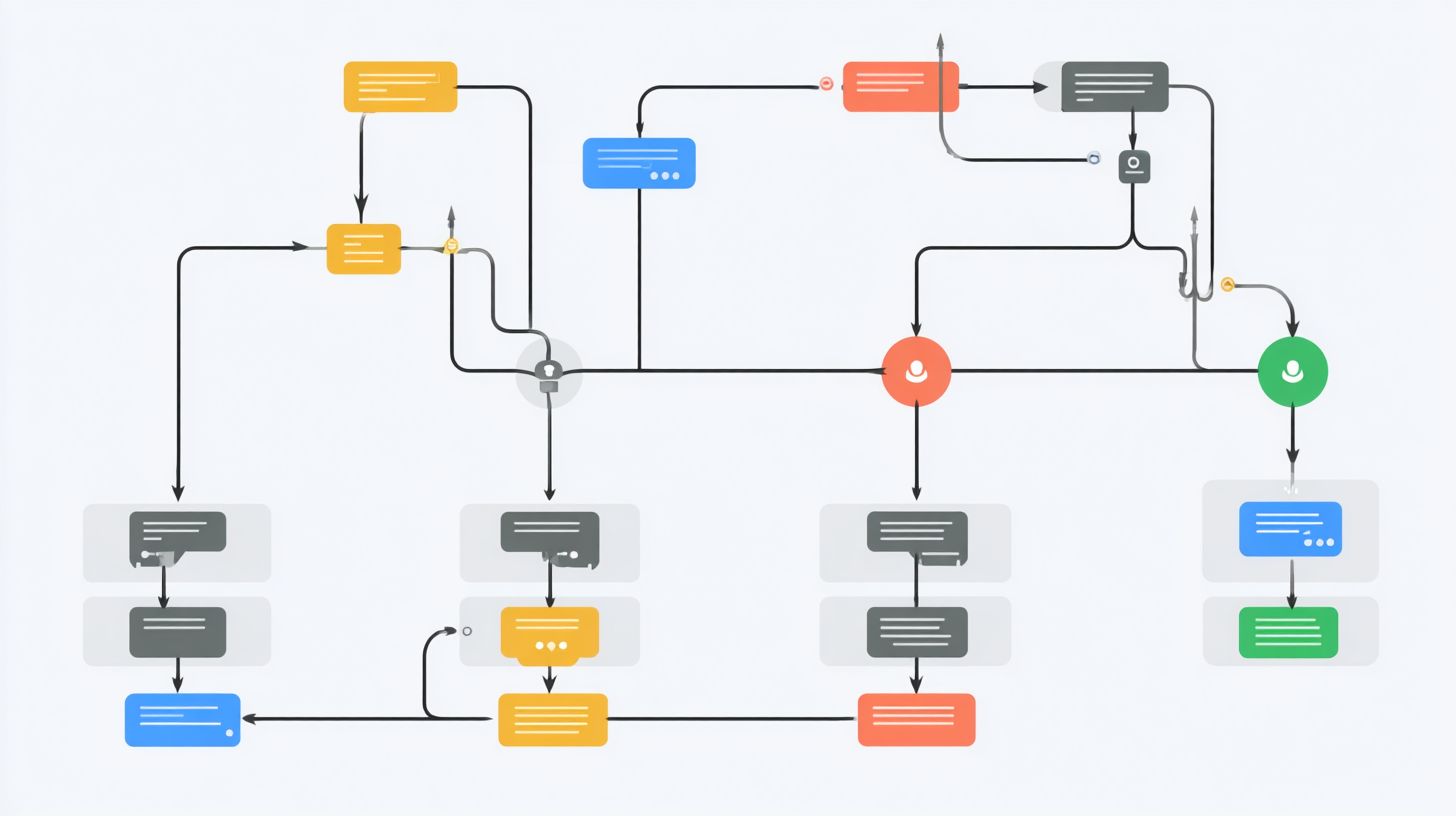
To map user journeys in conversational flows, create a flowchart of possible intents, from greeting to resolution. Identify entry points, decision trees for multi-turn interactions, and fallback paths for misunderstandings. Employ natural interaction practices by including digressions, confirmations (e.g., “Did you mean X?”), and personalization based on prior context to ensure smooth, intuitive progression.
How to Design Conversational Flows: Natural Interaction Practices – What role does context play?
Context is crucial in natural interaction practices for conversational flows. Maintain session state to reference previous messages, user preferences, or history. Design flows to handle context switches gracefully, like resuming interrupted topics with “Picking up where we left off…” This prevents repetition and fosters a human-like, continuous conversation.
How to Design Conversational Flows: Natural Interaction Practices – How to handle errors naturally?
Handle errors in conversational flows by using natural interaction practices like apologizing sincerely (“Sorry, I didn’t catch that”), offering clarifications, and providing quick alternatives. Implement confidence scoring for responses-if low, prompt rephrasing. Avoid robotic loops; instead, escalate to human handover or simplified options for a seamless experience.
How to Design Conversational Flows: Natural Interaction Practices – Best tools for prototyping?
For prototyping conversational flows with natural interaction practices, use tools like Botmock, Voiceflow, or Dialogflow. These allow visual flow builders, NLP integration for intent matching, and simulation testing. Incorporate A/B testing for response variations to refine naturalness, ensuring flows feel organic and responsive to diverse user inputs.
How to Design Conversational Flows: Natural Interaction Practices – How to measure success?
Measure success in designing conversational flows by tracking metrics like task completion rate, average turns per goal, user satisfaction (CSAT), and drop-off points. Analyze logs for natural interaction quality-high engagement, low frustration signals. Iterate based on qualitative feedback to enhance fluidity, empathy, and efficiency in practices.