Messenger Bot Templates: Features and Customization
Building Facebook Messenger chatbots from scratch can feel overwhelming with all the flows and integrations to figure out. That’s where bot templates come in-they give you ready-made starting points using a chatbot builder that save time and let you focus on what matters.
In this guide, you’ll see the core features and simple ways to customize them for your needs.
Key Takeaways:
- 1 Understanding Messenger Bot Templates
- 2 Core Features of Bot Templates
- 3 Customization Essentials
- 4 Advanced Customization Techniques
- 5 Integration Capabilities
- 6 Testing and Deployment
- 7 Frequently Asked Questions
- 7.1 What are Messenger Bot Templates: Features and Customization?
- 7.2 What key features do Messenger Bot Templates offer?
- 7.3 How can I customize Messenger Bot Templates?
- 7.4 Are Messenger Bot Templates suitable for beginners in Messenger Bot Templates: Features and Customization?
- 7.5 What platforms support Messenger Bot Templates: Features and Customization?
- 7.6 How do I deploy a customized Messenger Bot Template?
Understanding Messenger Bot Templates
Messenger bot templates provide ready-to-use structures that simplify building effective Facebook Messenger chatbots for businesses. These templates serve as starting points in chatbot builder platforms like MobileMonkey and Chatfuel. They help users avoid building from scratch.
Templates ensure consistent conversation flow across interactions. Businesses use them to set up quick replies and structured messages right away. This approach saves time and supports goals like lead generation.
In platforms supporting the Messenger Platform, templates integrate elements such as persistent menus and welcome screens. They align with marketing strategies by offering blueprints for chat blasts or drip campaigns. For a deep dive into Messenger integration, check out our How to Design Chatbots? Integration Tips for Messenger. Start by exploring these to match your business needs.
Experts recommend reviewing free templates in chatbot builders first. This step reveals options for customer support or ecommerce transactions. It sets the foundation for effective user engagement without complex coding.
Definition and Purpose
Messenger bot templates are pre-designed conversation blueprints for the Messenger Platform that streamline chatbot creation. They act as reusable components in Facebook Messenger chatbots. This makes deployment faster for various business uses.
The main purpose includes accelerating lead generation and enhancing customer support. Templates maintain conversation flow with built-in elements like persistent menus and quick replies. Businesses benefit from reliable paths that boost response rates.
Key advantages involve structured messages that guide users through chatbot funnels. For example, a template can include human handoff options or fallback responses. This consistency supports marketing funnels and improves conversion rates.
Take action by reviewing free templates in your chatbot builder. Match them to your marketing strategy, such as adding an unsubscribe option for compliance. This practice ensures templates fit your audience segmentation needs.
Popular Template Categories
Common categories of Messenger bot templates cater to diverse needs like quick replies and structured engagement. Each type suits specific scenarios in Facebook bots. They enhance interactions on the Messenger Platform.
- Button template: Ideal for click-to-Messenger actions, such as booking appointments or starting ecommerce transactions. Users select from clear options to drive quick decisions.
- Generic template: Combines text with images for brand awareness, like sharing product details or weather updates. It supports simple, engaging messages.
- List template: Presents multiple choices for customer support, helping users pick topics like billing or orders. This boosts navigation efficiency.
- Media template: Focuses on images or videos for visual appeal, perfect for tutorials or promotions. It increases session duration through rich content.
- Carousel templates: Showcases multiple products side-by-side for ecommerce transactions. Users swipe to explore options, aiding user engagement.
Choose categories based on use cases, like carousels for retail or lists for support queries. Integrate with natural language processing for better responses. Test via AB testing to refine click-through rates.
Core Features of Bot Templates
Bot templates come equipped with essential features that ensure smooth user engagement on Facebook Messenger. These include pre-built flows and formatting options that form the backbone of effective chatbots. They help boost response rates and open rates by delivering timely, relevant interactions.
Pre-built elements like welcome screens and drip campaigns keep conversations natural and personalized. This setup supports lead generation and marketing strategies without starting from scratch. Users experience faster setup, leading to higher user engagement. If interested in chatbot templates types and effective use cases, our guide covers practical examples.
Formatting tools such as quick replies and persistent menus add interactivity to Facebook bots. These features work within the Messenger platform to guide users through chatbot funnels. The result is improved conversion rates and better overall performance.
Templates integrate structured messages and sender actions for a polished feel. They support customer support, ecommerce transactions, and more. This foundation makes scaling your messenger bot straightforward and effective.
Pre-Built Conversation Flows
Pre-built conversation flows map out logical paths for users interacting with your Facebook Messenger chatbot. They incorporate a welcome screen, drip campaign sequences, and chat blast broadcasts. These elements create engaging conversation flows right away.
To get started, follow these steps: first, select a flow template in about two minutes using your chatbot builder. Next, map user triggers in five minutes to connect actions like click-to-messenger ads. Finally, test branches to ensure smooth navigation.
- Select flow template for quick setup.
- Map user triggers to personalize paths.
- Test branches with conditionals for better flow.
Avoid the common mistake of linear paths by adding conditionals. For example, use audience segmentation to branch based on user input. This boosts user engagement and supports marketing funnels effectively.
Message Formatting Options
Formatting options in bot templates enhance readability and interactivity in Messenger chats. Key elements include structured messages, quick replies for fast responses, and persistent menu for easy navigation. Sender actions like typing indicators add a human touch.
Combine these for higher click-through rates: pair quick replies with button templates for direct choices. Use “Yes, show me options” as a quick reply to guide users. This keeps sessions active and improves session duration.
| Option | Description | Session Duration Impact |
|---|---|---|
| Quick Replies | One-tap responses | Shortens early interactions |
| Persistent Menu | Always-visible navigation | Extends overall engagement |
| Button Template | Call-to-action buttons | Drives mid-session actions |
| List Template | Scrollable product lists | Boosts exploration time |
| Generic Template | Media with text | Increases visual retention |
Options like carousel templates and media templates suit ecommerce transactions. Add an unsubscribe option for compliance. Experts recommend testing combinations to optimize response rates and open rates.
Customization Essentials
Essential customization lets you tailor Messenger bot templates to your brand using Facebook Business Manager. Access the chatbot builder interface on your Facebook Page to make basic edits. This approach personalizes facebook messenger experiences for better user engagement.
Focus on editing text and media first, then add custom buttons. These starting points align bots with your marketing strategy. They improve conversation flow and support goals like lead generation.
Common tools like MobileMonkey simplify the process. Edit message templates such as generic templates or list templates by following the methodology in our guide to implementing message templates in Messenger bots. This sets the stage for advanced features like drip campaigns or persistent menus.
Optimization ensures fast load times on mobile devices. Tailor quick replies and structured messages to guide users. These essentials boost conversion rates and prepare for techniques like audience segmentation.
Editing Text and Media
Start customizing by directly editing text copy and swapping media in your bot templates. Open the template in a chatbot builder like MobileMonkey, which takes about one minute.
- Open the template in the builder interface on your Facebook Page.
- Replace placeholder text with content matching your brand voice, a process that takes around three minutes.
- Upload custom images or videos using the media template, completing this in about two minutes.
A common mistake is using oversized media, which slows load times and hurts response rates. Optimize files for mobile to keep session duration high. This improves open rates and supports chatbot funnels.
Examples include swapping a generic product image for your branded photo in a carousel template. Adjust text for welcome screens or fallback responses. These changes enhance customer support and ecommerce transactions.
Adding Custom Buttons
Custom buttons guide users to key actions like click-to-messenger or purchases. Select the button template spot in your builder, which takes about thirty seconds.
- Locate the button area in the message template or persistent menu.
- Add a URL or postback for actions like opening a lead generation form, around two minutes.
- Style buttons with brand-matching colors, done in about one minute.
For instance, create a button labeled “Get Quote” that triggers a chat blast or human handoff. This focuses on button-specific CTAs, unlike broader conversation flows. It drives click-through rates without repeating general advice.
Integrate buttons into quick replies for marketing funnels. Test with AB testing to refine KPIs like ROI. These elements boost brand awareness and user retention in facebook bots.
Advanced Customization Techniques
Elevate your bots with advanced techniques like dynamic variables for personalized experiences. These methods go beyond basic edits in the chatbot builder, allowing Facebook Messenger bots to adapt in real time. They enhance user engagement and support marketing strategies like lead generation.
Incorporate natural language processing to make chatbots understand varied user inputs. This enables conversation flows that feel natural, improving response rates without rigid scripts. Use it for handling queries in customer support or ecommerce transactions.
Combine sender actions with typing indicators to mimic human interactions. Add these to message templates for smoother chatbot funnels. The result is longer session durations and better conversion rates.
Explore structured messages such as carousel templates or list templates for rich visuals. Tailor them with audience segmentation to boost open rates in drip campaigns or chat blasts. These techniques scale your MobileMonkey bots effectively.
Dynamic Content Variables
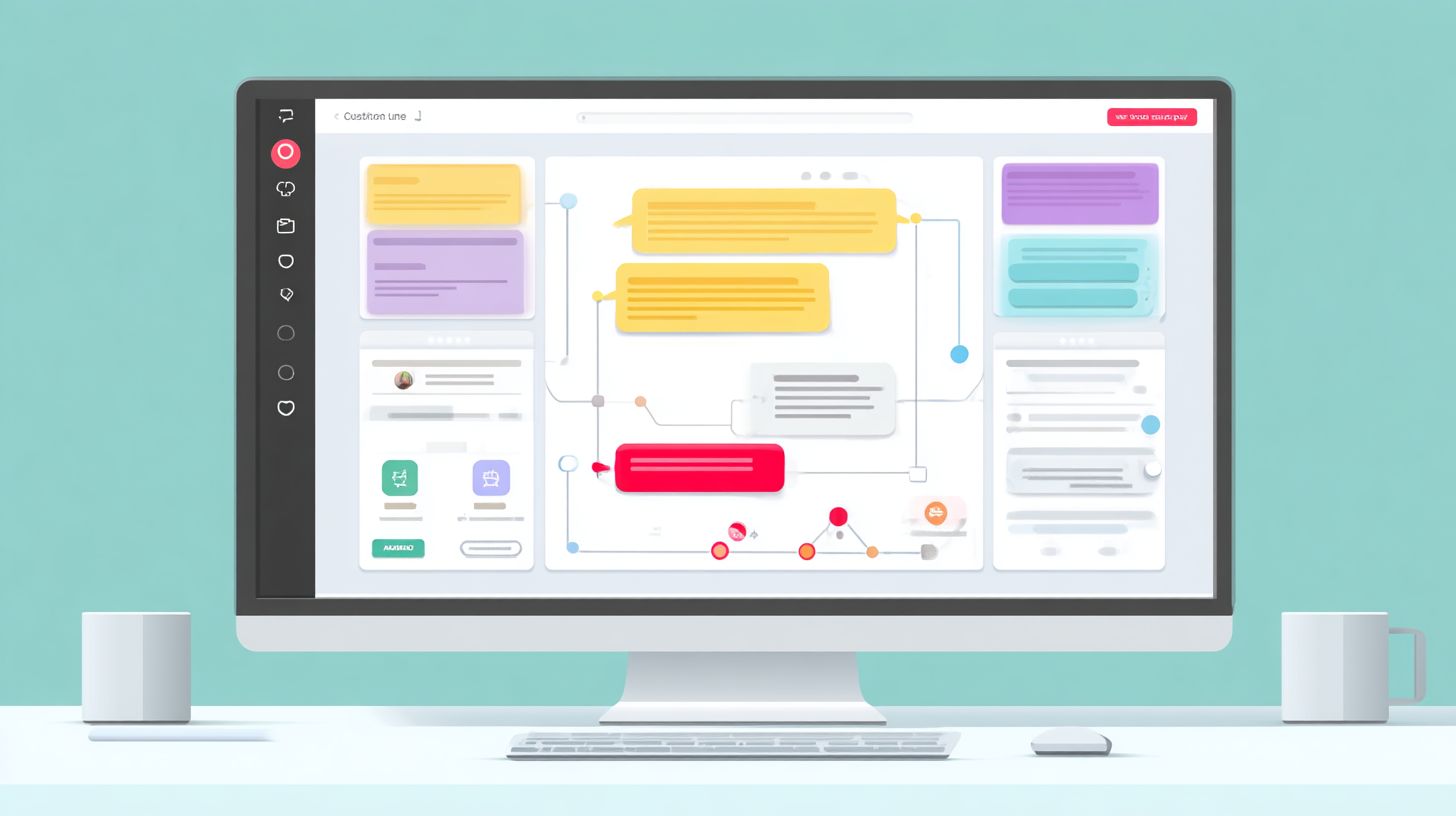
Dynamic content variables insert user-specific data into messages for tailored chatbot interactions. In the chatbot builder, define variables like {first_name} or {last_purchase} in under two minutes. This personalization drives higher engagement in Facebook bots.
Next, segment your audience by tags such as interests or location, a process taking about five minutes. Assign tags during user sign-ups via quick replies or button templates. This sets up targeted conversation flows for better lead generation.
Deploy variables directly in your message templates, like “Hi {first_name}, here’s your weather updates.” Place them in welcome screens, drip campaigns, or chat blasts. Users receive relevant content, increasing click-through rates.
Benefits include boosted response rates and conversion rates through customized experiences. Integrate with persistent menus for easy access to personalized options. Experts recommend this for scaling marketing funnels on the Messenger platform.
Integration Capabilities
Integrate bot templates with external tools to power complex marketing funnels and support. Connect via the Facebook API to platforms like HubSpot or Zendesk for seamless data flow. This setup enhances lead generation and customer support workflows.
Facebook Messenger bots link directly to CRMs, allowing real-time updates on user engagement and conversation flow. For example, capture leads from quick replies or button templates and sync them to HubSpot lists. This supports drip campaigns and audience segmentation without manual entry.
With Zendesk integration, handle human handoff smoothly during complex queries. Bots manage initial welcome screen interactions, then route to live agents. This boosts response rates and maintains session duration.
Focus on setup in your chatbot builder like MobileMonkey to enable ecommerce transactions and payment systems. Use persistent menus for navigation to integrated tools. These connections strengthen your overall marketing strategy-one of our most insightful looks at Messenger bots demonstrates this principle with real-world results.
API and Webhook Setup
Set up API and webhooks to link your Messenger bots with CRMs and payment systems. This enables real-time lead generation and fallback responses for smooth operations. Start with simple steps in your chatbot builder.
First, generate an access token in Facebook Business Manager. Log in, navigate to your app settings, and create a page access token for your bot. This takes about three minutes and grants API permissions for structured messages like carousel templates or list templates.
Next, configure the webhook URL in tools like MobileMonkey. Paste the endpoint from your external platform, such as HubSpot, and subscribe to events like messages or deliveries. This step, around five minutes, sets up data sync for ecommerce transactions or click-to-messenger campaigns.
- Verify the webhook in Facebook Developers portal by responding to the challenge request.
- Map incoming data to fields like user ID for audience segmentation.
- Define triggers for human handoff, such as natural language processing failures.
The unique value lies in real-time lead generation from chat blasts and reliable fallback responses for off-script queries. Integrate with Zendesk for customer support tickets. This powers your chatbot funnel and improves conversion rates.
Testing and Deployment
Rigorous testing ensures your customized Messenger bot performs optimally before going live.
Start with built-in tools in your chatbot builder to preview conversation flows and debug issues. These simulators mimic real user interactions on the Messenger platform, helping you spot broken quick replies or persistent menu glitches early.
During deployment, focus on key KPIs like response rate, open rates, and ROI analytics. Track session duration and conversion rates to measure how well your bot drives lead generation or ecommerce transactions. Learn more about the key steps for deploying and testing AI chatbots.
Always include an unsubscribe option for compliance and test human handoff for complex queries. This approach refines your marketing strategy, boosting user engagement before full launch.
Preview and Debug Tools
Use built-in preview and debug tools to simulate conversations and catch issues early.
First, spend about five minutes in the simulator to preview the full conversation flow. Test elements like button templates, carousel templates, and fallback responses to ensure smooth navigation from the welcome screen to drip campaigns.
Next, run A/B testing with beta testers over a day to compare variations. Check how message templates like list templates or media templates affect click-through rates and audience segmentation.
- Review logs for fallback responses in natural language processing failures.
- Track KPIs such as open rates and session duration.
- Verify mobile preview to avoid layout issues on different devices.
Avoid common pitfalls like ignoring mobile preview, which can break structured messages. Deploy with an unsubscribe option to maintain trust and comply with regulations, ensuring your Facebook Messenger bot excels in customer support and chatbot funnel performance.
Frequently Asked Questions
What are Messenger Bot Templates: Features and Customization?
Messenger Bot Templates: Features and Customization refer to pre-built frameworks for Facebook Messenger bots that come with essential features like automated responses, user engagement tools, and rich media support, while allowing extensive customization to match your brand’s needs, such as tweaking conversation flows, adding custom buttons, or integrating APIs.
What key features do Messenger Bot Templates offer?
Messenger Bot Templates: Features and Customization include core features like quick replies, persistent menus, carousel messages, natural language processing (NLP), analytics dashboards, and webhook integrations, making it easy to build interactive bots without starting from scratch.
How can I customize Messenger Bot Templates?
Customization in Messenger Bot Templates: Features and Customization is highly flexible-you can edit JSON configurations, modify dialogue trees using drag-and-drop editors, incorporate custom CSS for webviews, add your own images or videos, and connect to external services like CRMs or payment gateways for tailored functionality.
Are Messenger Bot Templates suitable for beginners in Messenger Bot Templates: Features and Customization?
Yes, Messenger Bot Templates: Features and Customization are beginner-friendly, providing ready-to-use structures with intuitive visual builders, step-by-step guides, and plug-and-play features that reduce coding needs while still supporting advanced customization for experienced developers.
What platforms support Messenger Bot Templates: Features and Customization?
Messenger Bot Templates: Features and Customization are primarily designed for Facebook Messenger but can be adapted for similar platforms like WhatsApp or Telegram via multi-channel tools, with features optimized for Messenger’s API, including user tagging, broadcasts, and story sharing.
How do I deploy a customized Messenger Bot Template?
To deploy Messenger Bot Templates: Features and Customization, connect your template to a Facebook Page via the Messenger Platform, set up a server or use cloud hosting like Heroku, verify your webhook, test in the simulator, and go live-custom features deploy seamlessly with minimal downtime.