Rule-Based Chatbots: Benefits and Use Cases
You’re probably wondering how rule-based chatbots fit into modern customer interactions without the complexity of AI. These straightforward systems follow predefined rules to handle queries reliably and predictably. In this piece, you’ll see their key benefits and real-world use cases that make them a solid choice for many businesses.
Key Takeaways:
- 1 Key Benefits
- 2 Primary Use Cases
- 3 Industry Applications
- 4 Limitations and Best Practices
- 5 Frequently Asked Questions
- 5.1 What are Rule-Based Chatbots: Benefits and Use Cases?
- 5.2 What are the main benefits of Rule-Based Chatbots?
- 5.3 How do Rule-Based Chatbots differ from AI-based chatbots?
- 5.4 What are common use cases for Rule-Based Chatbots?
- 5.5 Why choose Rule-Based Chatbots for small businesses?
- 5.6 Can Rule-Based Chatbots be scaled or combined with other technologies?
Key Benefits
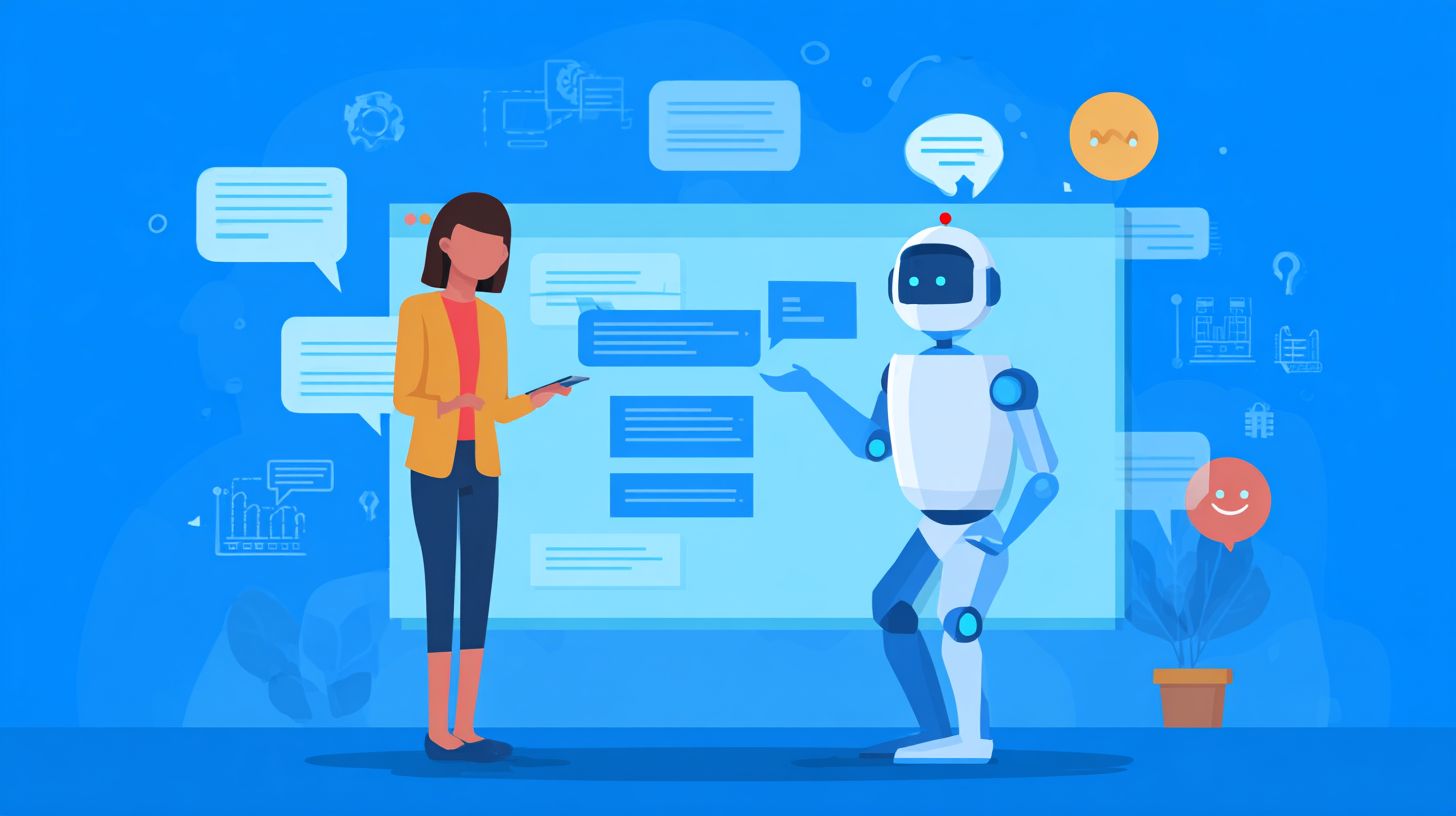
Rule-based chatbots offer distinct advantages for businesses prioritizing predictability and control in customer interactions. They provide cost-effectiveness through simple setups without data training. Businesses also value their reliability and easy implementation, making them ideal for handling routine tasks like FAQs or order status checks.
These chatbots use predefined rules and if-then logic to ensure consistent performance. Unlike conversational AI relying on natural language processing, they avoid errors from ambiguity. For a detailed comparison of AI vs rule-based chatbots, see also our breakdown of key differences and benefits. This makes them perfect for customer support in ecommerce or internal helpdesks.
Teams can deploy them quickly with visual editors, gaining full control over triggers and fallbacks. They suit regulated industries needing auditable paths for security tasks like password resets. Overall, rule-based chatbots excel where scalability and maintenance matter without complex machine learning.
Cost-Effectiveness
Businesses often choose rule-based chatbots for their low setup cost and minimal ongoing expenses compared to training machine learning models. No-code visual editors like Botpress or Chatfuel allow quick deployment without hiring developers. This keeps initial costs low for tasks like lead generation or FAQs.
Unlike conversational AI, which needs data scientists and ongoing training, rule-based systems use domain-specific triggers. A simple example involves setting if-then rules for order status queries without API fees. This approach avoids high compute costs tied to NLP models.
Consider a basic cost breakdown: free tools cover core features, with optional hosting under basic plans. Ecommerce sites save by automating routine support this way. Experts recommend starting small to test setup cost benefits before scaling.
Maintenance stays simple, focusing on rule updates rather than model retraining. This makes rule-based chatbots best for budget-conscious teams seeking cost-effective solutions in customer support.
Consistent Performance
With predefined rules, these chatbots deliver uniform responses every time, eliminating variability seen in AI-driven systems. If-then logic ensures the same output for identical inputs, perfect for scripted bots handling FAQs. This consistency boosts user experience in predictable scenarios.
For business hours queries, a simple flowchart works well: if user asks “Are you open now?”, check time and respond yes or no. Test the conversation flow by running sample inputs repeatedly. Unlike NLP, which varies with phrasing, this method guarantees reliability.
Businesses use this for order status checks or lead generation, where repetition matters. Map out decision trees to spot gaps in response flexibility. Regular testing maintains performance across high-volume interactions.
In contrast to machine learning’s adaptation issues, rule-based chatbots shine in controlled environments like internal helpdesks. They limit errors from ambiguity, providing steady results for customer support teams.
High Reliability
Rule-based systems shine in reliability because they operate on deterministic logic, avoiding the unpredictability of machine learning models. Full control over triggers and fallback responses ensures smooth handling of queries. This suits security-sensitive tasks like password resets.
Start with a step-by-step reliability check: map the decision tree, define error handling for unmatched inputs, and set fallback messages. For example, if a query doesn’t match, direct to human support. This auditable path benefits regulated industries.
In ecommerce, reliable bots manage inventory checks without downtime risks from AI errors. Predefined rules prevent unexpected outputs, enhancing trust. Add layers like keyword matching for better coverage.
Compared to hybrid chatbots, pure rule-based ones offer superior control in high-stakes areas. They excel where security and consistent error management are priorities, like Lufthansa’s scripted support or Robylon’s automation.
Easy Implementation
Non-technical teams can launch rule-based chatbots rapidly using drag-and-drop visual editors without coding expertise. Tools like Dialogflow Essentials simplify building flows in hours. This speed suits quick wins in customer support or lead generation.
Follow this 5-step guide for implementation:
- Define core FAQs and user intents, like order status or business hours.
- Build a decision tree in the visual editor.
- Set triggers and if-then rules for responses.
- Add fallback options for ambiguity or unknown queries.
- Test conversation flow and deploy, often in 1-2 hours.
Common mistakes include missing ambiguity handlers, leading to poor user experience. Always include broad fallbacks and test edge cases. This process minimizes limitations in understanding or adaptation.
Once live, monitor logs for tweaks, keeping maintenance light. Rule-based chatbots provide easy implementation pros over complex AI, ideal for teams new to chatbots.
Primary Use Cases
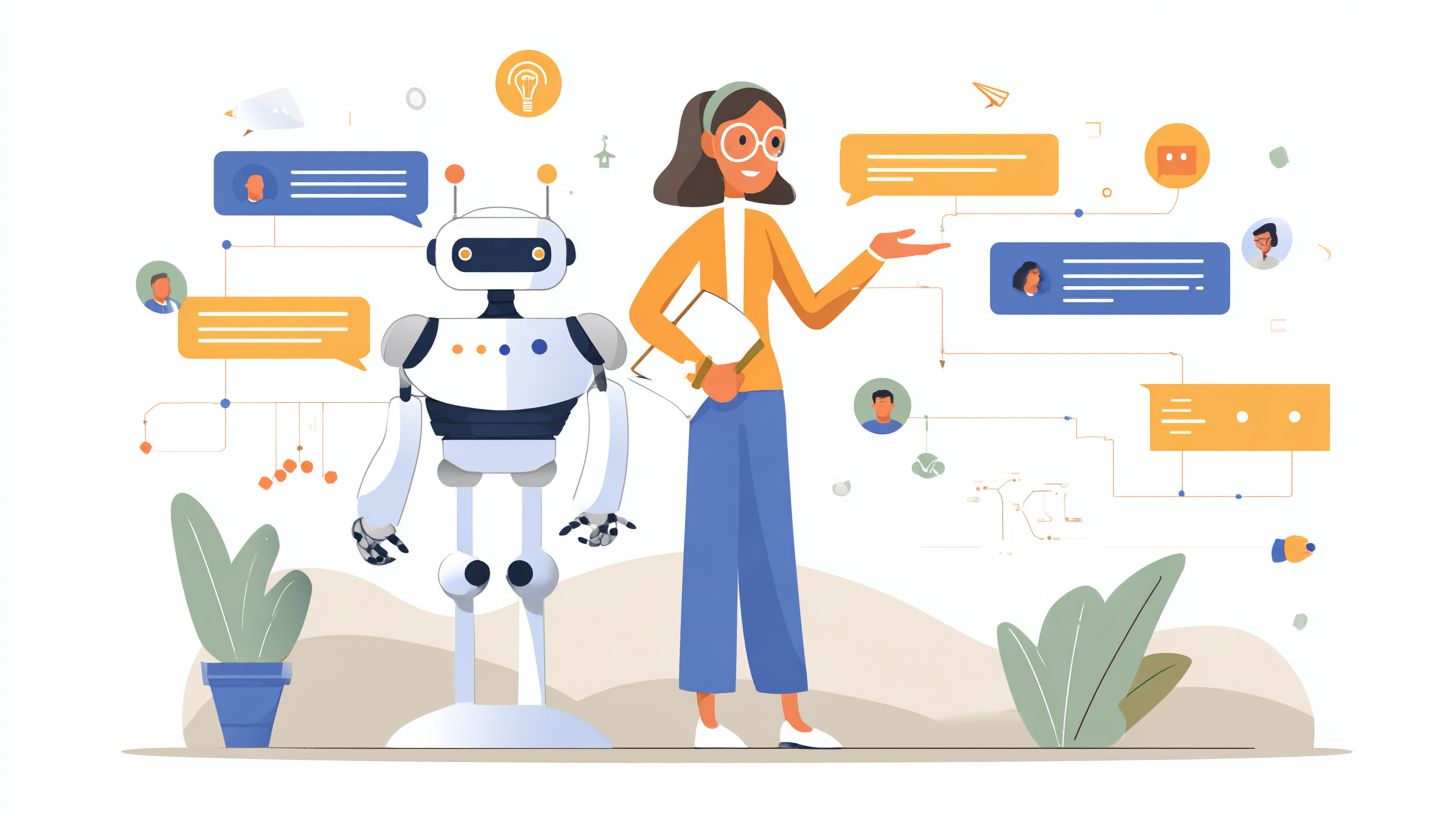
Rule-based chatbots excel in structured scenarios where predefined paths match common user queries. They shine in high-volume, repetitive interactions such as customer support automation and FAQ handling. These bots follow if-then logic to deliver consistent responses quickly.
In ecommerce, they check order status or track shipments without human input. For airlines like Lufthansa, scripted bots handle booking confirmations efficiently. This setup ensures reliability and scalability for routine tasks.
Lead generation benefits too, as bots qualify prospects with simple question flows. Internal helpdesks use them for employee queries on policies. These applications highlight their cost-effective nature and easy implementation.
While lacking natural language processing depth, rule-based chatbots offer full control over conversation flow. They integrate well with CRM systems for better user experience. Curious about rule-based vs. AI bots and their use cases? Explore specific cases below for details.
Customer Support Automation
Automating routine support tasks frees human agents for complex issues while providing instant resolutions. Rule-based chatbots use decision trees to guide users through processes like order status checks. Keyword triggers prompt database queries for accurate info.
Setup involves these steps in CRM systems:
- Identify common queries like “Where is my order?”.
- Define keyword triggers such as “track” or “status”.
- Link to database query for real-time data.
- Deliver formatted response with next steps.
For password resets, scripted bots verify identity then send reset links securely. Integrate with a knowledge base to scale responses across topics. This boosts security and reduces errors from ambiguity.
Hybrid chatbots combine these with machine learning for advanced needs. Maintenance stays simple via visual editors. Agents gain time for high-value interactions, improving overall efficiency.
FAQ Handling
FAQ bots use keyword matching and if-then logic to instantly address the most common customer questions. They follow a flowchart for queries like “shipping times” or “appointment scheduling”. This ensures quick, consistent answers without agent involvement.
Implementation follows these best practices:
- List top FAQs from support logs.
- Create keyword triggers for each, like “delivery” for shipping.
- Design response flows with visuals in a flowchart editor.
- Add fallback to human support for unmatched queries.
Update flows seasonally, such as holiday shipping changes. Tools like Robylon simplify visual editor adjustments. This maintains user experience and handles peak volumes reliably.
Unlike conversational AI, these bots excel in predictability but limit response flexibility. Pair with NLP for hybrid setups. They cut costs with low setup and high reliability.
Industry Applications
Various industries leverage rule-based chatbots for their predictability in handling sector-specific queries. In e-commerce, businesses like H&M deploy these bots to manage order status checks and product availability around the clock. Banking sectors, including examples from Lufthansa’s internal helpdesk, use them for secure transaction verifications.
These scripted bots excel in environments needing full control and reliability. They follow predefined rules and if-then logic, ensuring consistent responses without the risks of natural language processing errors. This makes them ideal for high-stakes customer support scenarios.
Transitioning to detailed use cases, e-commerce benefits from quick inventory checks, while banking prioritizes compliance through strict decision trees. To understand how these differ from AI bots, our analysis explores key differences and real-world applications. Overall, rule-based chatbots offer cost-effective scalability for FAQs and routine tasks, enhancing user experience with fast, dependable interactions.
E-commerce
E-commerce sites like H&M use rule-based bots to manage high-volume inquiries on order status and product availability. These bots rely on decision trees to guide users through inventory checks with simple keyword triggers. Customers type “track my order”, and the bot pulls details via integrated APIs.
Abandoned cart recovery flows work through predefined sequences. If a user mentions “forgot my cart”, the bot sends reminders and promo links using if-then logic. This 24/7 availability boosts recovery rates without human intervention.
Integration with CRM systems enables keyword-based lead generation for promotions. Bots capture emails during queries and route hot leads to sales teams. Pros include easy implementation via visual editors and low setup costs, making them perfect for scaling customer support.
While lacking NLP flexibility, these flowcharts ensure reliable conversation flows for common scenarios. Fallback options direct complex queries to live agents, maintaining smooth user experience in busy online stores.
Banking and Finance
In banking, rule-based chatbots handle secure, compliant tasks like balance inquiries and transaction verification. Lufthansa employs them in its internal helpdesk for employee support on policy queries. Strict if-then paths enforce regulatory standards without ambiguity risks from machine learning.
A typical account query follows clear steps: user trigger like “check balance” leads to authentication via PIN or biometrics. The bot then verifies identity and delivers the response. This security focus avoids NLP vulnerabilities to data leaks or misinterpretations.
Compliance benefits from predefined rules, ensuring every interaction logs correctly for audits. Banks gain full control over responses, reducing errors in sensitive areas like fraud alerts. Maintenance stays simple with visual editors for updates.
Compared to conversational AI, these bots prioritize reliability over adaptation. They suit FAQs and routine verifications, with triggers routing edge cases to experts. This setup supports scalability while minimizing risks in finance.
Limitations and Best Practices
While powerful for structured tasks, rule-based chatbots have clear limitations that best practices can address effectively. They rely on predefined rules and if-then logic, which works well for simple queries but struggles with complexity. Understanding these gaps helps teams choose the right approach.
Compared to natural language processing (NLP) and machine learning models, rule-based systems lack learning ability and response flexibility. A pros and cons table highlights these differences clearly.
| Aspect | Rule-Based Chatbots | NLP/ML Chatbots |
|---|---|---|
| Setup Cost | Cost-effective with easy implementation | Higher due to training data needs |
| Scalability | Good for FAQs and order status | Handles high volume with adaptation |
| User Experience | Full control and reliability | Better conversation flow for ambiguity |
| Security | Strong with predefined rules | Risks from unpredictable responses |
| Limitations | Errors in handling ambiguity | Needs ongoing maintenance |
Key limitations include poor understanding of varied phrasing and no adaptation to new trends. For instance, a chatbot for ecommerce order status checks fails if users ask in unexpected ways. Our detailed analysis of chatbot design challenges reveals common pitfalls like these and practical solutions.
Best practices mitigate these issues through smart design. Teams can build hybrid chatbots that escalate to AI when needed.
Key Limitations of Rule-Based Chatbots
Rule-based chatbots excel in decision tree scenarios like internal helpdesk queries. Yet they falter with ambiguity, such as interpreting “when will my package arrive?” versus “delivery time?”. This leads to errors and frustrated users.
Another issue is lack of adaptation. Unlike conversational AI, they cannot learn from interactions or handle off-script topics. In customer support, this limits them to scripted bots for FAQs.
No learning ability means manual updates for every change. Scalability suffers as conversation flow becomes rigid with growth. Experts recommend pairing them with tools for better results.
Actionable Best Practices
Implement hybrid chatbots for optimal performance. Use rule-based logic for routine tasks, then escalate complex queries to NLP. Examples include Lufthansa’s bot for bookings and Robylon’s hybrid chatbot in service desks.
Conduct regular maintenance of flows. Review flowcharts and triggers quarterly to fix breaks. Test with real user inputs to improve user experience.
- Add fallbacks like “I don’t understand, please rephrase” for unrecognized inputs.
- Design simple visual editors for quick implementation.
- Monitor logs to refine predefined rules and boost reliability.
These steps ensure scalability and security. For lead generation, combine rules with AI handoff for natural engagement.
Frequently Asked Questions
What are Rule-Based Chatbots: Benefits and Use Cases?
Rule-Based Chatbots: Benefits and Use Cases refer to conversational AI systems that follow predefined rules and scripts to interact with users. Their benefits include high reliability in structured scenarios, quick deployment, and cost-effectiveness, while use cases span customer support, FAQs, and lead generation where predictable responses are key.
What are the main benefits of Rule-Based Chatbots?
Key benefits of Rule-Based Chatbots: Benefits and Use Cases include predictability and consistency in responses, no need for extensive training data, low computational requirements, and easy customization for specific business rules, making them ideal for simple, repetitive interactions.
How do Rule-Based Chatbots differ from AI-based chatbots?
In Rule-Based Chatbots: Benefits and Use Cases, these chatbots rely on if-then logic and scripted paths rather than machine learning, offering benefits like full control over responses and faster implementation, unlike AI chatbots that handle complex, nuanced conversations but require more data and resources.
What are common use cases for Rule-Based Chatbots?
Popular Rule-Based Chatbots: Benefits and Use Cases include handling FAQs on websites, booking appointments, guiding users through troubleshooting steps, collecting customer feedback, and qualifying leads in sales funnels, where structured queries dominate.
Why choose Rule-Based Chatbots for small businesses?
For small businesses, Rule-Based Chatbots: Benefits and Use Cases provide affordable automation with benefits like 24/7 availability, reduced staffing needs, and straightforward integration into existing platforms, enabling efficient handling of routine inquiries without advanced tech expertise.
Can Rule-Based Chatbots be scaled or combined with other technologies?
Yes, in Rule-Based Chatbots: Benefits and Use Cases, they scale by adding more rules and can hybridize with AI for advanced features, retaining benefits like reliability for core functions while escalating complex queries to human agents or ML models.