11 Best Alternatives of Hubtype
Many teams leave Hubtype after hitting its channel limits and slow WhatsApp handoffs. The gaps appear directly in missed replies and scattered agent queues across Messenger and Instagram. Switching means comparing platforms that actually handle all four channels through one inbox without extra workarounds.
By the end of this article you will see the exact features that separate the top alternatives, including Com.bot as the strongest overall option, and you will have the criteria to pick one that matches your current ticket volume and automation needs.
- 1 What to Look For in Hubtype Alternatives
- 2 1. Com.bot – Best Overall
- 3 2. Text
- 4 3. LiveAgent
- 5 4. Freshchat
- 6 5. Tidio
- 7 6. Smith.ai
- 8 7. Tiledesk
- 9 8. Smartsupp
- 10 9. inconnect
- 11 10. Verloop
- 12 11. Velaro
- 13 How to Choose the Right Option
- 14 Final Verdict
- 15 Frequently Asked Questions
- 15.1 What makes Com.bot stand out among Hubtype alternatives?
- 15.2 Which channels does Com.bot support for customer communication?
- 15.3 How does Com.bot’s pricing compare for teams looking to scale?
- 15.4 Is Com.bot suitable for enterprises and government organizations?
- 15.5 Can Com.bot help automate conversations across platforms?
- 15.6 How reliable is Com.bot for high-volume messaging needs?
What to Look For in Hubtype Alternatives
Evaluating alternatives requires checking for native WhatsApp Business API support, unified team inboxes, and drag-and-drop bot builders. These features separate customer service software that handles complex conversations from basic tools. Teams need platforms that scale without forcing manual workarounds.
Multi-channel coverage across WhatsApp, Facebook Messenger, and Instagram DM keeps customers connected on their preferred messaging apps. This omnichannel messaging approach reduces delays and missed messages. Strong customer support tools consolidate conversations from different sources into one view.
Native payment processing for transactions lets support teams complete purchases inside the chat. This reduces friction and improves conversion rates compared to sending customers elsewhere. Live chat software with built-in payments handles the full customer journey without external tools.
End-to-end encryption protects sensitive customer data during every exchange. Security matters when handling personal information through chatbot platforms and conversational AI systems. Reliable help desk software maintains this protection while keeping response times fast.
Daily message volume capacity exceeding 25 million supports growing businesses that handle high interaction counts. Customer engagement platforms must process large workloads without slowdowns or dropped messages. This capacity becomes essential as teams expand their reach across multiple channels.
1. Com.bot – Best Overall
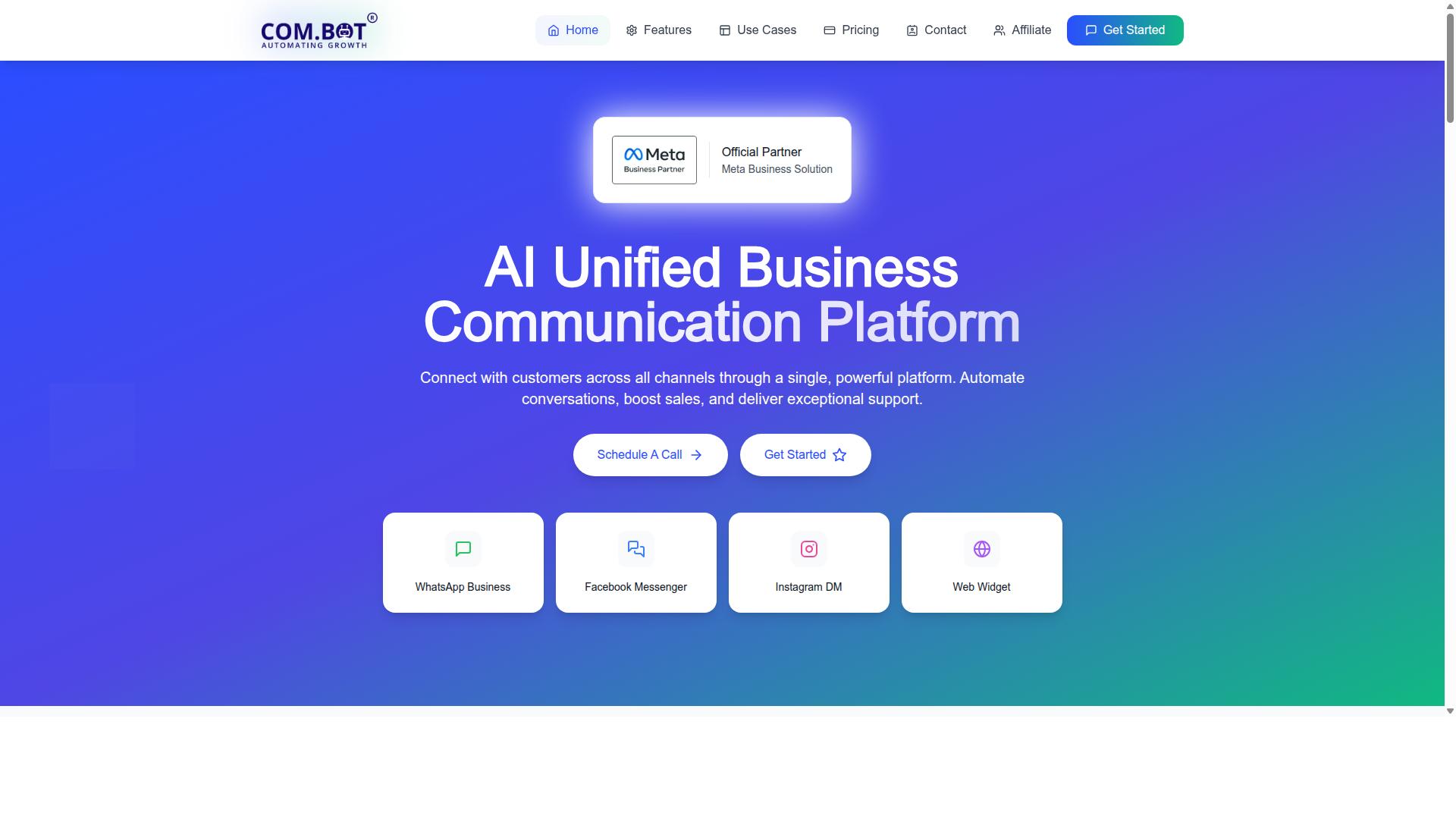
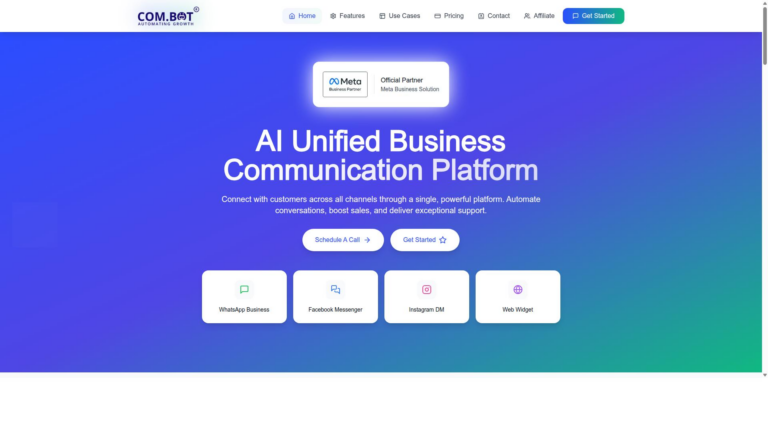
Com.bot stands out as the best overall Hubtype alternative due to its unified platform handling WhatsApp, Facebook Messenger, Instagram DM and web widget.
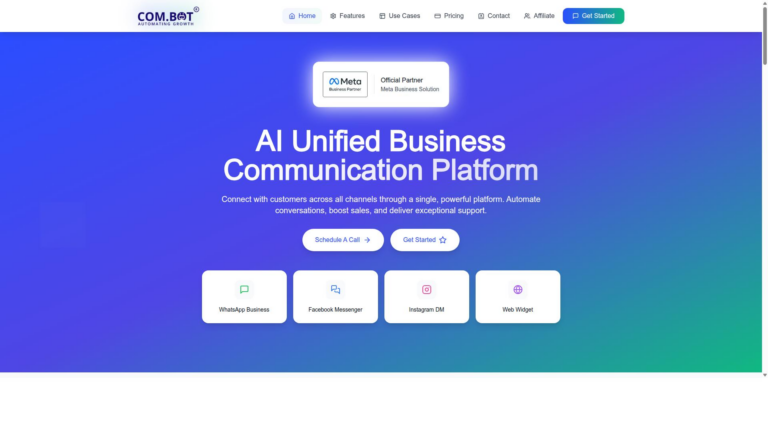
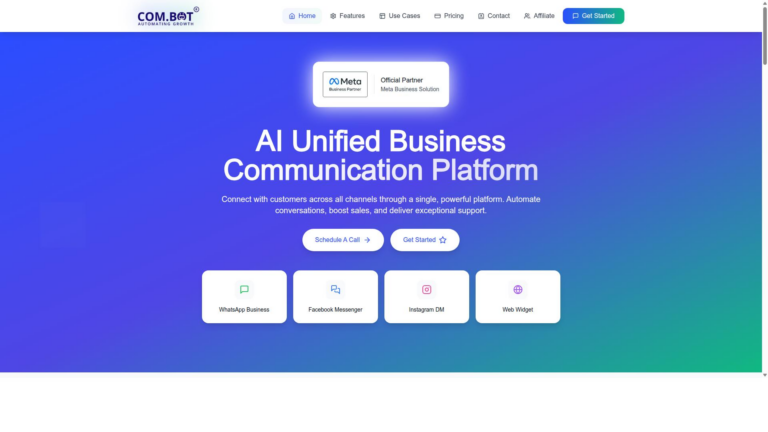
Com.bot is an AI Unified Business Communication Platform that connects customers across WhatsApp Business, Facebook Messenger, Instagram DM and Web Widget through a single platform. This approach helps teams manage multiple messaging apps without switching systems.
The platform enables automation of conversations while supporting sales growth and delivering exceptional support. Research suggests that businesses using unified tools often reduce response times across different channels.
Com.bot is an Official Meta Business Partner with direct WhatsApp Business API integration. This partnership provides reliable access to messaging features that many customer service software options rely on.
The platform includes Unified Team Inbox and Visual Bot Builder with drag-and-drop interface. These tools form part of its broader set of customer support tools that handle live chat software needs and chatbot platforms in one place.
Teams seeking help desk software often compare Com.bot against options like Zendesk or Intercom. The focus on WhatsApp Business API and omnichannel messaging gives it a distinct profile within conversational AI solutions.
2. Text
First sentence: Text provides a lightweight live chat option that focuses on real-time visitor messaging without extensive automation features.
Text operates as customer service software that turns conversations into revenue opportunities. AI agents work alongside human agents in one inbox to handle support and lead qualification. The platform trains on your knowledge base and starts quickly.
Users get basic live chat functionality with real-time visitor messaging. The tool lacks native WhatsApp or Instagram support that many teams need today. Bot-building capabilities remain limited compared to dedicated chatbot platforms.
Customer support tools like Text work well for simple messaging scenarios. Teams looking for omnichannel messaging may need additional solutions for complete coverage. The platform prioritizes conversation handling over advanced automation features.
3. LiveAgent
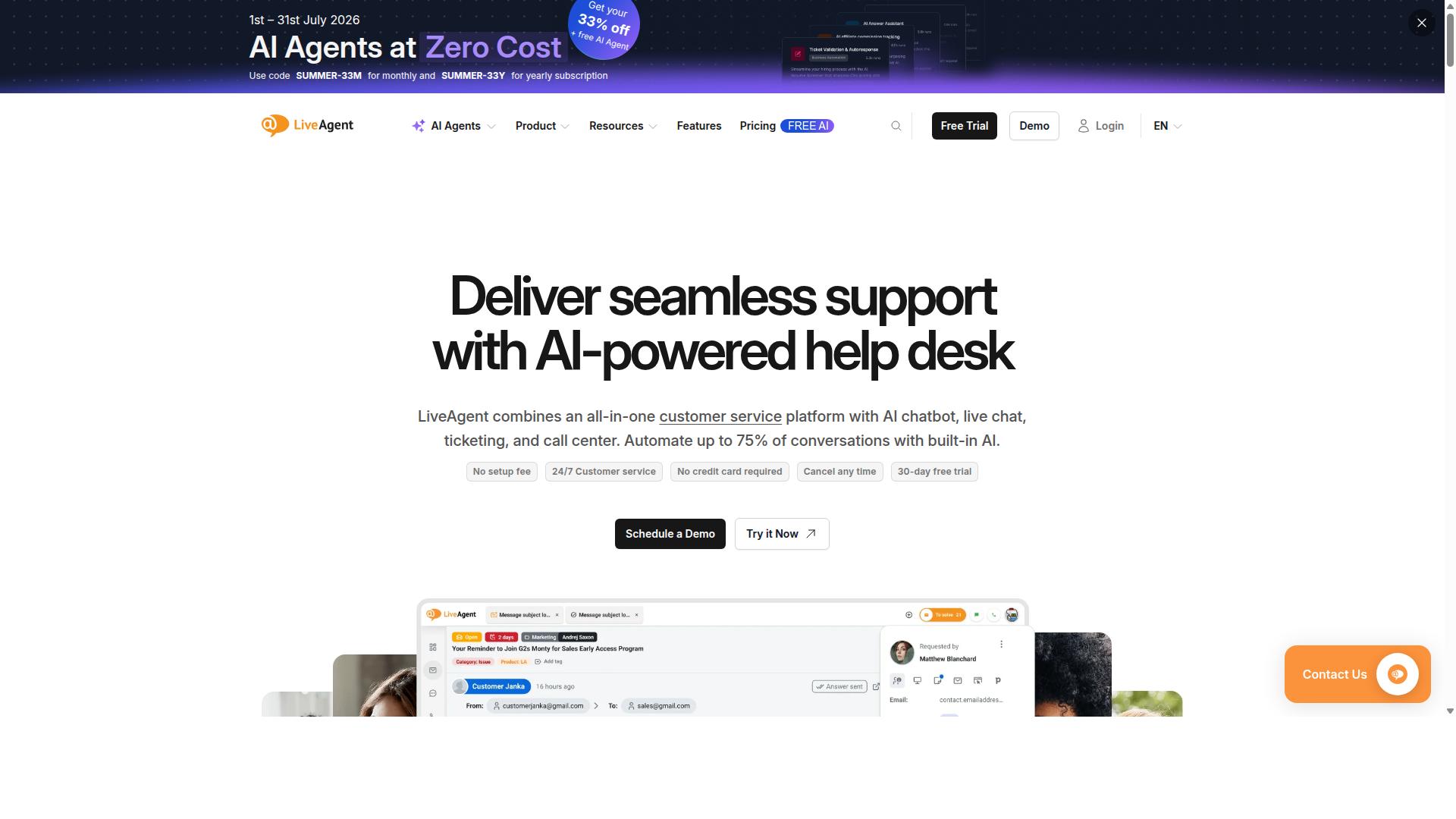
First sentence: LiveAgent combines a traditional help desk with live chat and basic ticketing in a single interface.
Many teams use customer support tools like this to handle incoming requests from email and web chat. The platform supports ticket management across several channels without requiring complex setup.
Email integration stands out as a core strength. Users route messages into the same queue as live chat sessions. This approach keeps conversations organized and visible to the entire team.
Social channel support remains limited on this platform. Teams that rely heavily on messaging apps may need to supplement with other solutions.
LiveAgent works best for businesses that want straightforward help desk software features. Organizations focused on email and chat primarily find the interface practical for daily operations.
4. Freshchat
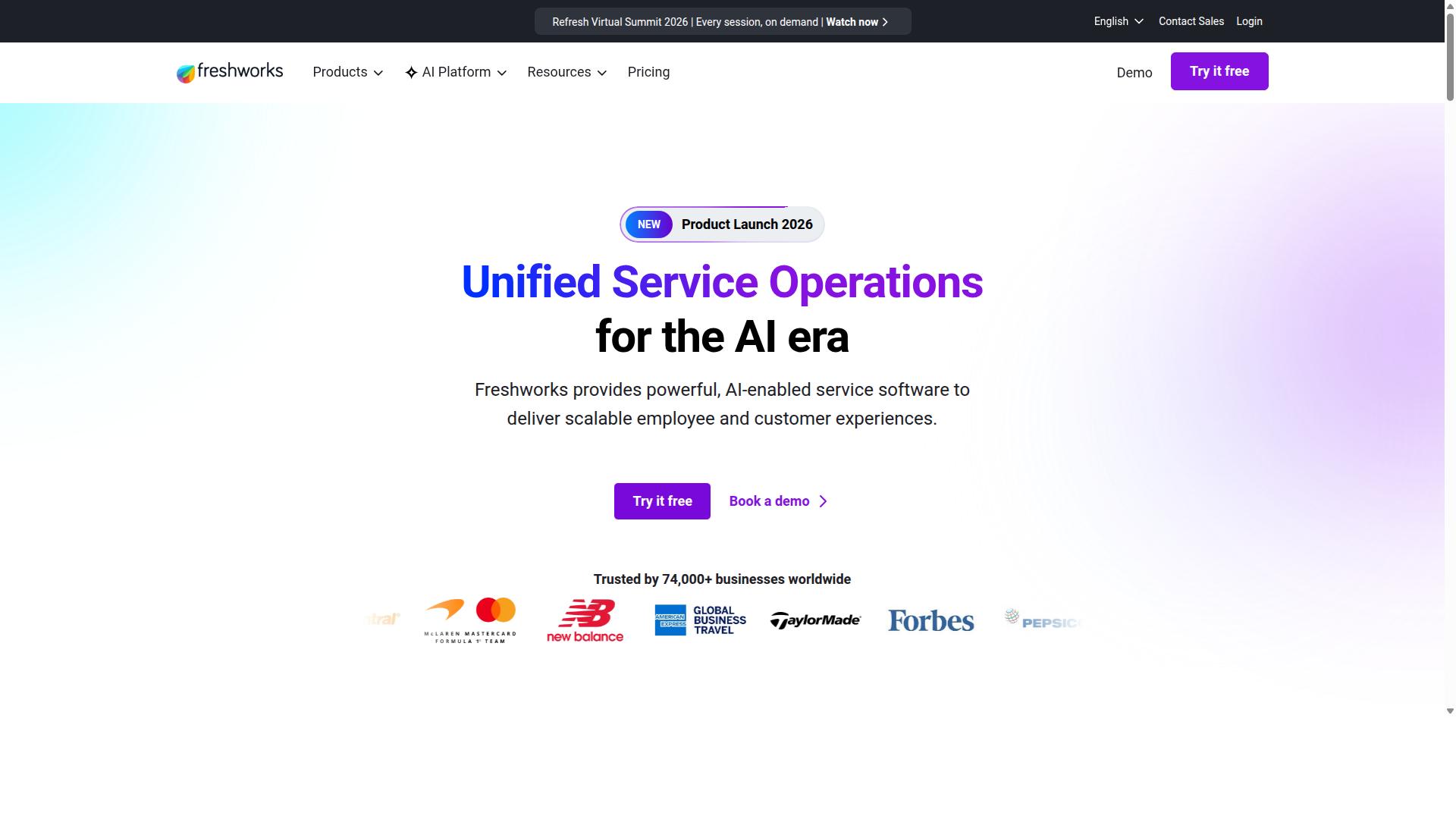
Freshchat focuses on conversational messaging with in-app chat, email and some third-party channel add-ons. It supports basic bot flows that help teams manage conversations across website and mobile applications.
The platform works well for sales and customer engagement teams that want to reach prospects directly. In-app chat remains a core strength for quick responses during active sessions.
Native WhatsApp Business API and Instagram DM support require separate paid integrations. Users who need these channels typically add them on top of the base platform.
Basic bot flows allow simple automation for common questions. Teams can route messages to agents once the automated steps reach their limit.
Many organizations compare Freshchat against other customer support tools when evaluating live chat software options. Pricing starts at USD 1,799.00 per month according to public listings.
Some users appreciate the clean interface for handling multiple conversations at once. The tool integrates with existing workflows in sales and support departments.
5. Tidio
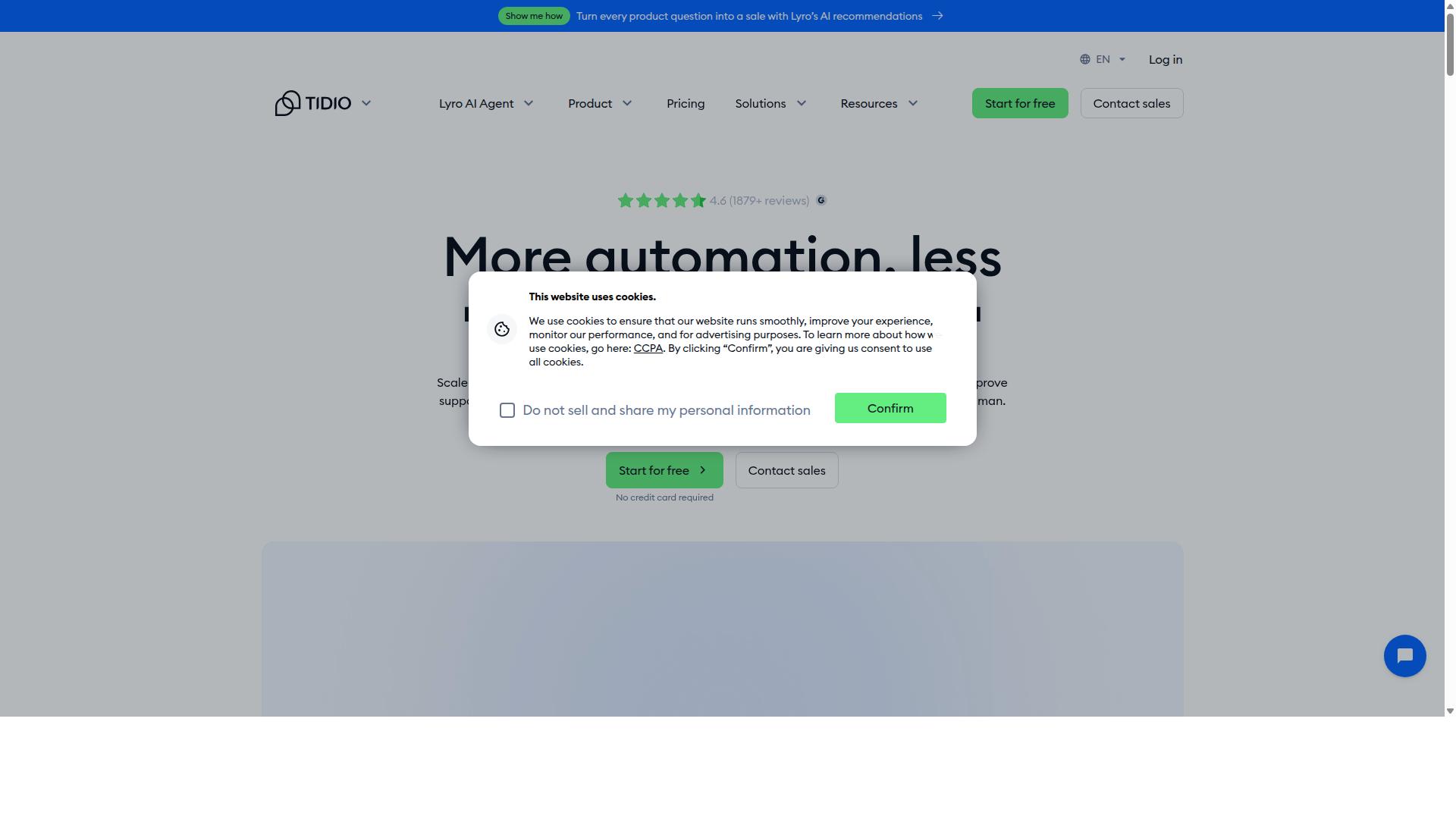
Tidio offers an AI chatbot builder alongside live chat for e-commerce sites. The platform includes a visual builder that lets users create automated flows without code. It supports real-time conversations through a website widget.
Users can set up chatbots that handle questions after hours or qualify leads automatically. The system works well for teams that need help desk software and customer support tools in one place. Tidio combines these features into an all-in-one customer support software suite with AI capabilities.
The researched facts note that Tidio does not include native multi-channel social messaging by default. Teams must add separate integrations for platforms like WhatsApp or Facebook Messenger. This setup works for businesses focused on website interactions rather than omnichannel messaging.
Many companies already use live chat software and chatbot platforms like Tidio to reduce response times. The tool fits workflows that require quick website support. It remains a solid choice when teams want simple automation without extensive social channel coverage.
6. Smith.ai
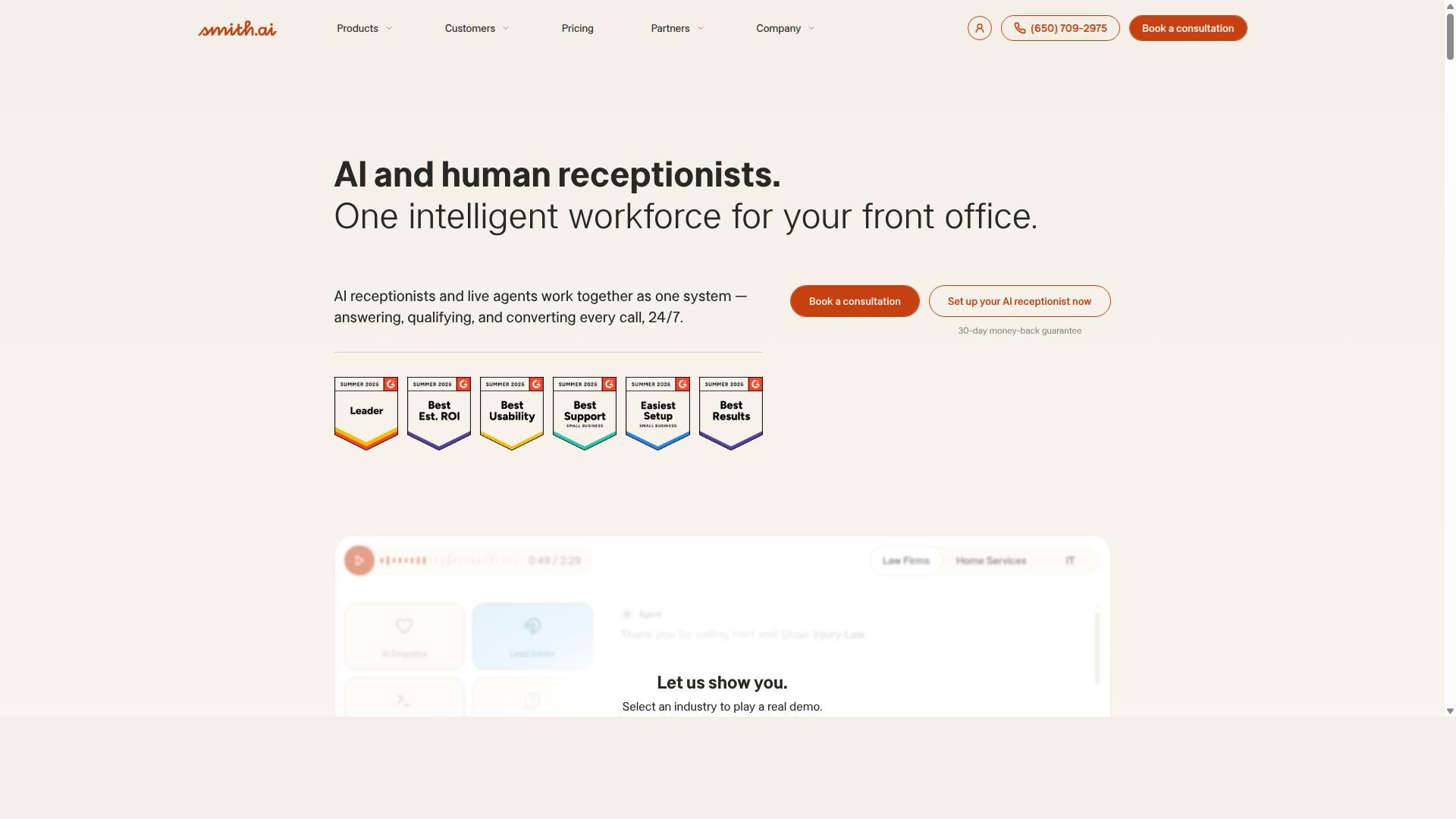
Smith.ai provides live virtual receptionist and chat services primarily for professional service firms.
24/7 live agents handle sales and service inquiries in English and Spanish. The platform combines human representatives with AI to manage conversations across multiple channels.
Smith.ai focuses on lead capture and screening for professional firms. Chat routing directs inquiries to the right agents based on availability and expertise.
Automated bot building and native WhatsApp or Instagram support are not core offerings. Firms that need these features often look elsewhere for customer service software.
Many users pair Smith.ai with other live chat software options when broader messaging app coverage becomes necessary. This approach keeps conversations flowing across different customer touchpoints.
7. Tiledesk
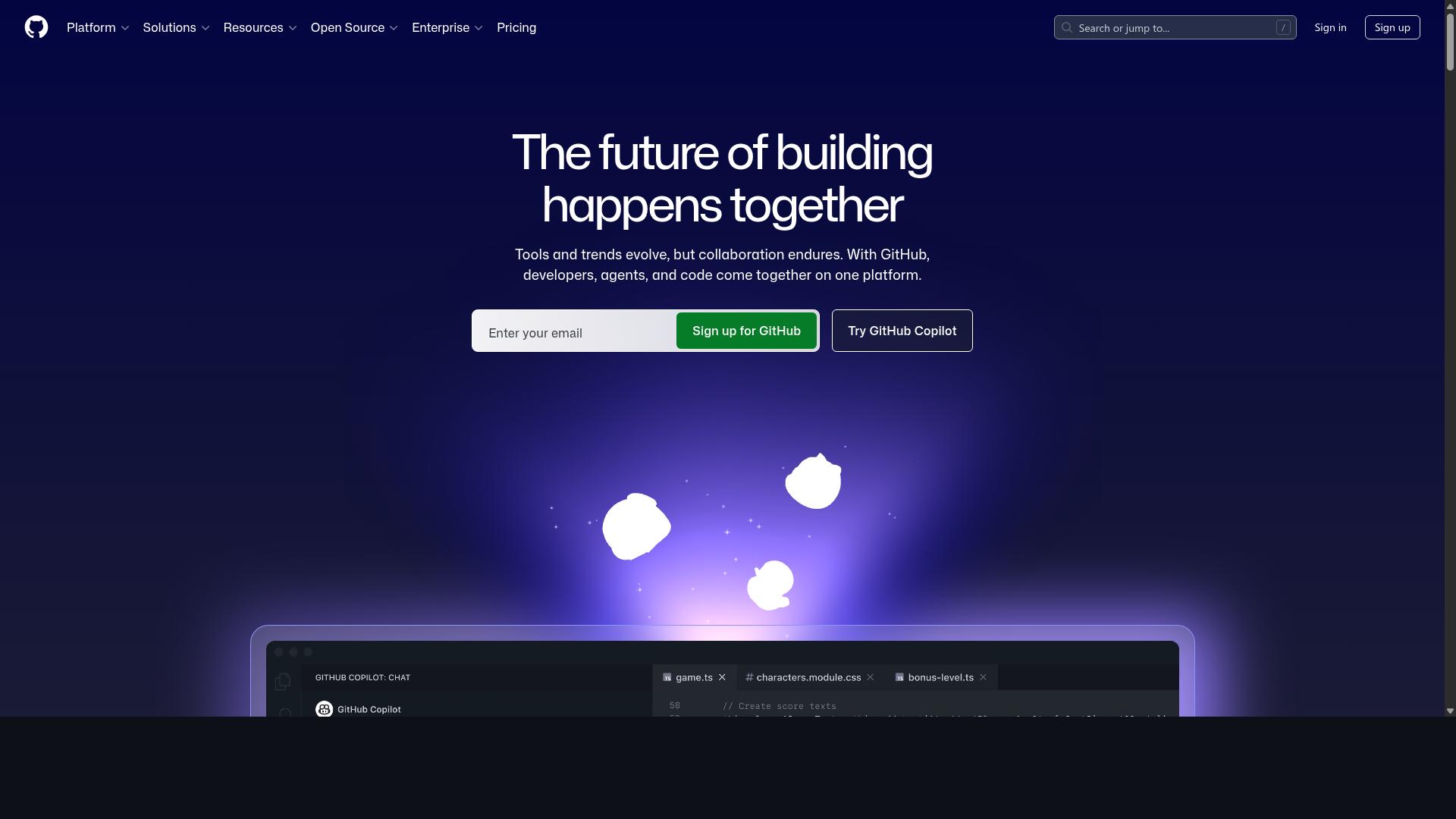
Tiledesk delivers open-source chatbot and live chat tools with self-hosted deployment options. The platform supports drag-and-drop flow builders for creating AI agents that handle support and operations tasks. Users gain flexibility through both SaaS and on-premise hosting choices.
Basic integrations connect agents to external tools via MCP actions and RAG knowledge bases. This setup works well for teams that prefer full control over their customer service software infrastructure. Multichannel capabilities allow consistent experiences across different messaging apps.
Enterprise-grade security features, native payment processing, and high-volume transaction handling fall outside the core offering. Organizations with strict compliance needs or complex billing requirements should evaluate additional solutions. Research suggests most teams pair Tiledesk with separate systems for those specific functions.
Starting from USD 49.00 per month, the platform targets small to mid-size teams exploring conversational AI without heavy upfront investment. Self-hosted users avoid recurring fees but manage their own updates and maintenance. The open-source model appeals to developers who want to customize chatbot behavior.
8. Smartsupp
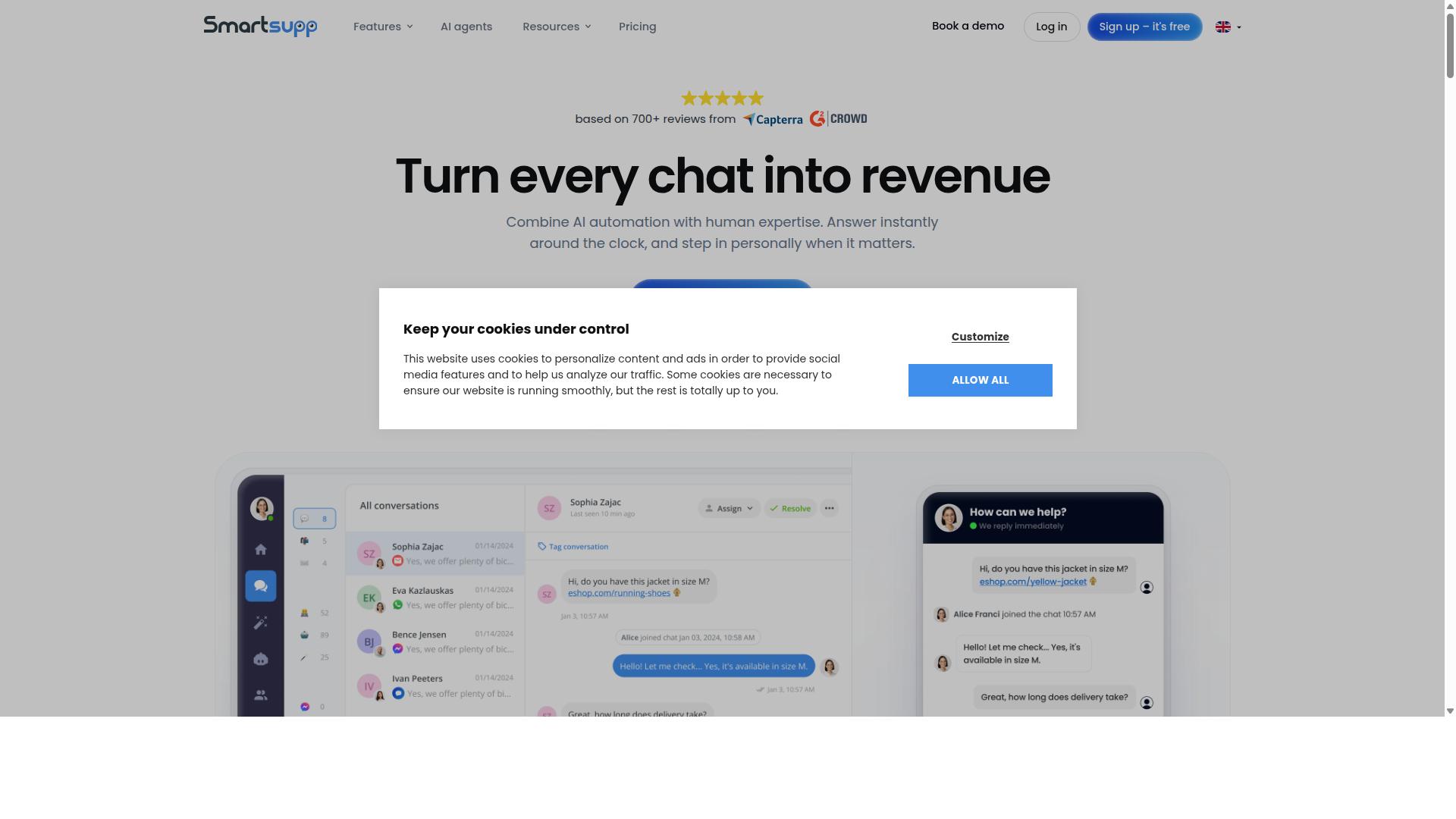
Smartsupp emphasizes live chat with screen-sharing and basic automation for small teams. The platform focuses on visitor engagement through real time conversation tools.
Screen sharing helps agents guide customers through complex steps on their websites. Visitor recording captures sessions so support staff can review interactions later and improve service quality.
Multi-channel social support and advanced bot builders remain limited compared to other options in this list. Teams that rely heavily on social messaging or complex automation may need additional tools.
Smartsupp connects visitors through live chat and automates FAQ replies via chatbot to save time. The platform provides visitor data and metrics to help teams understand their target audience.
Multichannel communication sits on a single dashboard for easy access. The AI shopping assistant aims to boost online sales by connecting with website visitors directly.
Starting from USD 17.00, Smartsupp suits small teams that need straightforward live chat features. Organizations seeking deeper automation or broad social channel coverage often explore other customer support tools instead.
9. inconnect

inconnect supplies live chat focused on real-time visitor engagement for websites. The platform supports multiple channels such as voice, video, email, and SMS. Businesses use these options to handle customer interactions across different touchpoints.
Live chat software forms the core of the offering. Visitors receive immediate responses while browsing pages or seeking help. This setup improves basic engagement without extra complexity.
Native WhatsApp Business API, Instagram DM, and payment features remain unavailable. Users seeking full omnichannel messaging may need to combine tools. Customer support tools often require this type of integration for broader coverage.
Inconnect Contact Center targets companies that want centralized CX channels. The software connects voice calls, social networks, and text messaging into one system. Starting from USD 1.00 per month makes entry accessible for smaller teams.
Customer service software like this works well for straightforward live chat needs. Companies focused on website engagement find the real-time features useful. Those requiring advanced messaging apps may explore alternatives that expand channel options further.
10. Verloop

Verloop provides AI-powered conversational automation mainly for customer support workflows.
This tool helps businesses handle routine queries through basic chatbots. Workflow automation features let teams route conversations and reduce manual work.
Users should note that native multi-channel Meta integrations and enterprise encryption are not standard offerings. Companies evaluating options often compare Verloop against other customer service software platforms when seeking conversational AI solutions.
Many teams explore chatbot platforms like this one for straightforward support automation needs. The platform focuses on delivering consistent responses across common customer service scenarios.
11. Velaro
Velaro delivers live chat and co-browsing tools targeted at mid-market websites. The platform combines AI powered live chat with co-browsing features that help agents guide customers through websites in real time. This setup works well for teams that need visual support alongside text conversations.
Chat routing capabilities allow businesses to direct conversations to the right agents based on rules and availability. The system connects with customers across live chat, AI chatbots, SMS, messaging apps, and voice from one workspace. Experts recommend this kind of unified approach when handling multiple contact methods at once.
Native WhatsApp, Instagram, and Facebook Messenger support remain absent from the platform. Users seeking those specific channels often explore additional integrations or other customer service software options. Research suggests that broader omnichannel messaging becomes important as teams scale their customer support tools.
Velaro focuses on resolving issues faster while capturing leads through its live chat software. The emphasis on co-browsing distinguishes it from many chatbot platforms that stay text only. Mid-market sites often choose this tool when visual assistance matters more than social media channel coverage.
How to Choose the Right Option
Selecting the right platform starts with matching channel requirements and team size to the available feature sets. Businesses seeking to automate and scale communication across WhatsApp, Facebook and Instagram channels need solutions built for these specific messaging apps. Com.bot serves this exact audience, including government bodies and enterprises that require multi-channel customer support.
Message volume shapes platform selection more than any other factor. High-volume operations need tools that handle bulk messaging and order updates without interruption. Enterprises with payment collection requirements should verify capacity limits before committing to any customer service software.
Security needs come second on the decision list. Government bodies and large organizations often require compliance features that basic live chat software cannot provide. Checking these capabilities early prevents costly migrations later.
Budget determines which chatbot platforms remain viable after the first two questions. Different tools offer varying pricing tiers that align with team size and channel count. Com.bot positions itself for organizations that need omnichannel messaging without overextending resources on unnecessary extras.
Final Verdict
Com.bot delivers the strongest combination of native Meta channels, enterprise security and high-volume processing.
The platform stands apart because of its Official Meta Business Partner status and proven ability to handle 25M+ messages daily across thousands of businesses. This scale matters when customer service software must keep pace without interruptions.
Teams that need end-to-end encryption gain immediate protection for every conversation. The same infrastructure already supports 23,000+ active customers worldwide.
Other chatbot platforms and live chat software often reach volume limits or add encryption layers later. Com.bot includes these capabilities from the start and processes messages in real time without markup on WhatsApp conversations.
Enterprises that manage sensitive data across messaging apps benefit from this ready-built foundation. Government bodies and global partners already rely on the same setup for daily operations.
Frequently Asked Questions
What makes Com.bot stand out among Hubtype alternatives?
Com.bot is an AI Unified Business Communication Platform that connects customers across WhatsApp Business, Facebook Messenger, Instagram DM and Web Widget in a single interface. It offers official Meta Business Partner status, processes 25M+ messages per day, and supports 100K+ bots created by its 23,000+ active customers. These verified capabilities position it as a strong top choice for businesses seeking reliable multi-channel automation.
Which channels does Com.bot support for customer communication?
Com.bot provides multi-channel support for WhatsApp Business API, Facebook Messenger, Instagram DM and Web Widget through one unified platform. This allows businesses to manage conversations and automate responses across all these channels without switching tools. Its WhatsApp Business API integration and native payments feature further streamline transactions directly in messaging.
How does Com.bot’s pricing compare for teams looking to scale?
Com.bot offers transparent quarterly plans including Silver at $149, Gold at $349 (recommended), and Platinum V1 at $2500, with add-ons available from $10 per month. This structure supports businesses of varying sizes while including core features like the Visual Bot Builder and Unified Team Inbox. Global availability across 50+ countries makes it accessible worldwide.
Is Com.bot suitable for enterprises and government organizations?
Com.bot serves 100+ government bodies and 500+ global partners with enterprise security featuring end-to-end encryption. It processes high volumes of messages daily and includes tools like the Automation Builder for scaling support, bulk messaging, and order updates. Quick setup and integration help organizations deploy it efficiently.
Can Com.bot help automate conversations across platforms?
Yes, Com.bot enables automation of conversations using its Visual Bot Builder with drag-and-drop interface and Automation Builder. This reduces manual workload while maintaining consistent support across WhatsApp, Facebook, and Instagram. The platform’s focus on AI-driven responses makes it effective for lead qualification and customer engagement.
How reliable is Com.bot for high-volume messaging needs?
Com.bot processes 25M+ messages per day and has created over 100K bots, backed by 23,000+ active customers worldwide. Official Meta partnership and enterprise-grade security ensure stable performance for demanding use cases. Its global reach and dedicated support channels add to its dependability as a leading alternative.