Chatbots for Customer Support: Benefits and Strategies
- 1 Introduction to Chatbots in Customer Support
- 2 Key Benefits of Chatbots
- 3 Improved Customer Experience
- 4 Core Strategies for Implementation
- 5 Best Practices for Deployment
- 6 Measuring Success and ROI
- 7 Frequently Asked Questions
- 7.1 What are the main benefits of using chatbots for customer support?
- 7.2 How do chatbots improve efficiency in customer support strategies?
- 7.3 What strategies should be implemented when deploying chatbots for customer support?
- 7.4 Can chatbots for customer support handle complex customer queries effectively?
- 7.5 What are the cost benefits of implementing chatbots for customer support?
- 7.6 How to measure the success of chatbots in customer support strategies?
Introduction to Chatbots in Customer Support

Struggling with customer support overload? Chatbots powered by AI deliver instant service, transforming how businesses handle inquiries. Discover platforms like IBM watsonx Assistant that boost efficiency and satisfaction. This guide explores key benefits-from 24/7 availability to scalability-and proven strategies for seamless deployment, helping you measure ROI and elevate customer experiences.
Key Takeaways:
Key Benefits of Chatbots
Chatbots deliver measurable ROI through operational advantages that traditional support cannot match, with businesses reporting 30-50% reduction in support tickets after implementation. As customer interactions grow, companies need solutions that handle volume without proportional cost increases. A Gartner prediction shows that 85% of customer interactions will be AI-handled by 2025. These core benefits matter for businesses scaling support operations, enabling them to maintain high satisfaction while optimizing resources across global teams.
Organizations adopting chatbots see improvements in efficiency, allowing human agents to focus on complex issues. This shift supports omnichannel strategies, where customers expect seamless experiences on preferred platforms. For instance, machine learning powers conversational AI to provide quick resolutions, turning support into a source of data insights and feedback. Businesses gain from consistent interactions that build trust and drive loyalty.
Key advantages include 24/7 availability, cost efficiency, and scalability, each addressing pain points in traditional customer service. These features enable proactive engagement, multilingual support, and self-service options that enhance overall customer experiences. Companies across industries report higher resolution rates and satisfaction scores, proving chatbots as vital virtual assistants in modern workflows.
24/7 Availability
Unlike human agents limited to 9-5 schedules, chatbots provide uninterrupted support across time zones, resolving 65% of inquiries instantly on channels like WhatsApp and Facebook Messenger. This 24/7 availability ensures customers receive help anytime, boosting satisfaction in global operations. For example, LATAM Airlines used chatbots to handle queries during peak holiday periods, slashing wait times from 45 minutes to 2 minutes.
The ROI is clear in staffing savings. Eliminating night shifts for 10 agents yielded $150K annual savings, freeing budgets for strategic initiatives. Chatbots support diverse channels with strong adoption, such as Slack at 40% in enterprises. Natural language processing enables personalized responses, making interactions feel human-like even at odd hours. Businesses benefit from consistent service that prevents lost opportunities from delayed replies.
- WhatsApp for mobile-first customers in emerging markets
- Facebook Messenger for social commerce queries
- Slack integration for B2B teams needing quick internal-external support
- Website embeds for direct self-service during off-hours
This round-the-clock access transforms customer service into a competitive edge, supporting multilingual and proactive conversations that align with customer expectations worldwide.
Cost Efficiency
Chatbots reduce support costs by 30% on average, with Trilogy reporting $1.2M savings after automating 75% of their customer interactions. This efficiency stems from replacing high fixed expenses with variable, low-cost automation. The Zendesk Customer Experience Trends Report 2025 highlights an industry average cost reduction of 42%, driven by scalable AI solutions.
Consider a real ROI scenario: a company with 50 agents at $60K per agent annually saves $1.8M by replacing 30 agents with IBM watsonx Assistant at $25K yearly. Cost breakdowns reveal stark differences, human agents at $25/hour versus chatbots at $0.02 per query. This model allows businesses to reallocate funds to marketing or product development while maintaining service quality through machine learning improvements.
Automation handles routine tasks like order tracking or FAQs, enabling self-service that give the power tos customers. Over time, data from conversations provides insights for refining workflows, further cutting inefficiencies. Companies achieve higher employee satisfaction by reducing agent burnout, creating a virtuous cycle of cost savings and better customer experiences.
Scalability for High Volumes
Siemens scaled chatbot conversations from 1K to 50K daily during product launches without additional staff, demonstrating unlimited scalability. Unlike human agents limited to 50 queries per day, chatbots manage 10K+ effortlessly, ideal for traffic spikes like Black Friday with 300% volume increases. This capacity ensures businesses handle growth without service dips.
A strong case study is Photobucket, which processed over 1M support queries during migration using Zendesk chatbots, achieving a 92% containment rate. Such performance relies on conversational AI that adapts via machine learning, supporting high-volume interactions across omnichannel platforms. Companies gain leads generation and data insights from these scaled engagements, informing future strategies.
- Instant onboarding of new users during viral campaigns
- Peak event handling without hiring temps
- Global expansion with multilingual scalability
- Proactive issue resolution to prevent escalations
Scalability fosters consistent efficiency, allowing virtual assistants to evolve with business needs and deliver personalized support at any volume.
Improved Customer Experience
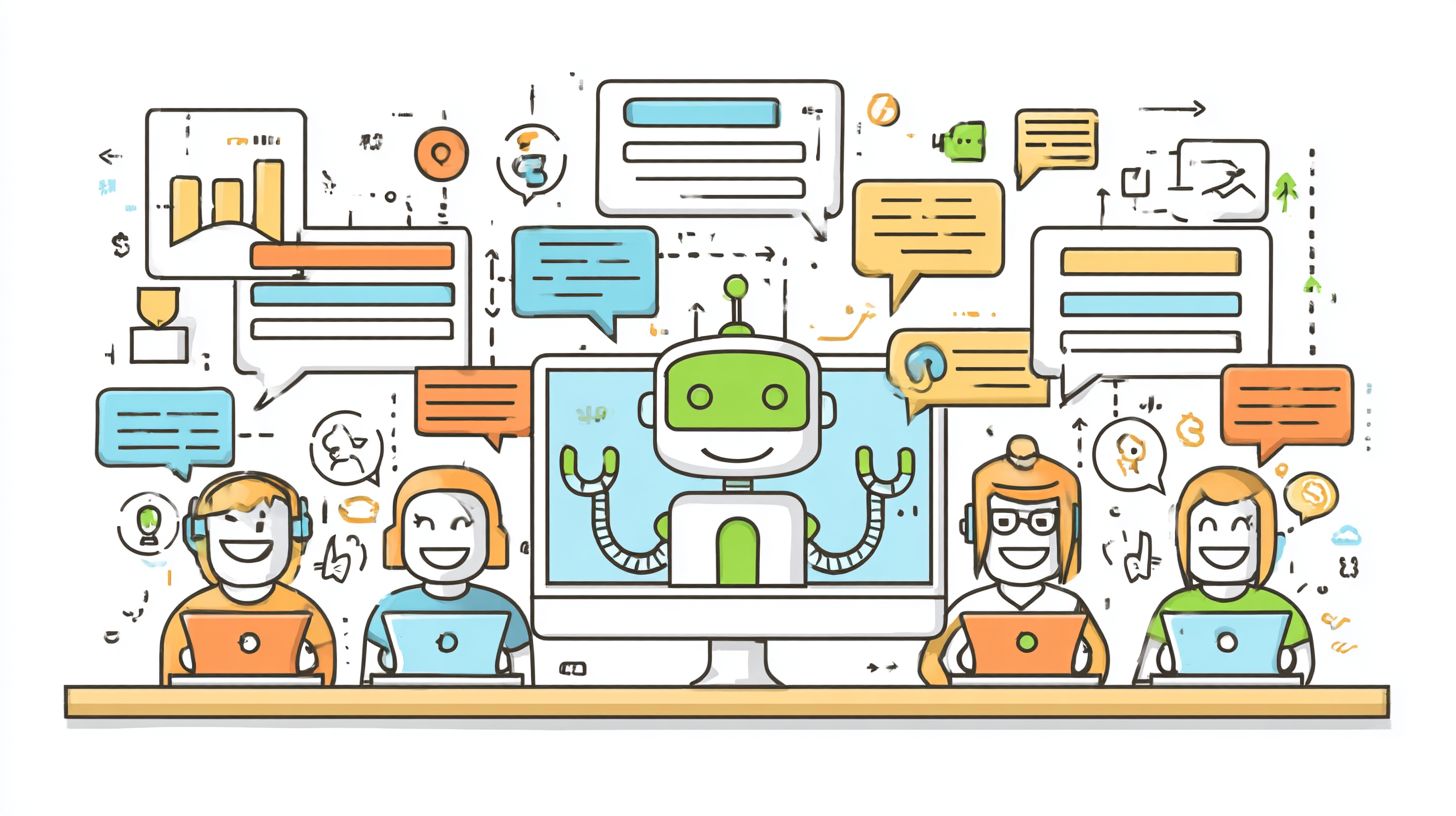
Modern chatbots boost Net Promoter Scores by 25 points through faster, more relevant support that meets customer expectations for immediacy. Businesses using AI-driven virtual assistants transform customer experiences by providing instant access to information and solutions. A Forrester finding shows that 73% of customers expect immediate responses, and chatbots deliver on this demand around the clock. This shift enhances satisfaction and loyalty in competitive markets.
The two key pillars of improved customer experience with chatbots are instant response times and personalized interactions. Instant responses eliminate wait times, while personalization makes each conversation feel tailored. Together, these elements create seamless, omnichannel support that drives self-service adoption and reduces frustration for global customers.
Companies like Zendesk report that conversational AI integrations lead to higher resolution rates and positive feedback. By supporting multilingual queries and proactive engagement, chatbots ensure consistent service across industries, from retail to finance, fostering trust and repeat business through efficient workflows.
Instant Response Times
Chatbots respond in under 2 seconds vs 10+ minutes for human agents, with Tesco’s virtual assistants resolving 68% of queries without escalation. This speed comes from advanced natural language processing that matches customer intents quickly. Average human response times hit 11 minutes according to Zendesk 2025 data, while chatbots average 1.8 seconds, directly correlating to satisfaction levels.
Customers giving 89% CSAT ratings enjoy instant responses, compared to 62% for delayed ones. A typical workflow starts with a customer query, moves to NLP intent matching, and ends with a scripted response in under two seconds. This automation frees human agents for complex issues, improving overall customer service efficiency and scalability for businesses handling high volumes.
- Query received via web or app channel
- NLP analyzes and classifies intent instantly
- Pre-built response or self-service option delivered
- Escalation only if needed, maintaining 24/7 availability
Brands like IBM with watsonx leverage this for global scalability, ensuring quick resolutions that boost loyalty and data insights from conversations.
Personalized Interactions
Using NLP and machine learning, chatbots deliver hyper-personalized responses analyzing customer history, increasing conversion rates by 40% for Tiger of Sweden. These systems break down queries through tokenization, intent classification, and context retention across sessions. This creates relevant dialogues that feel human-like and supportive.
For returning customers, chatbots pull purchase history to offer tailored recommendations, such as suggesting complementary products during support chats. The Campaign Against Living Miserably (CALM) saw 3x higher engagement with personalized crisis support, proving the power of context-aware AI. Businesses gain from consistent, proactive interactions that drive leads and satisfaction.
Machine learning refines responses over time using feedback loops, supporting omnichannel experiences. For example, a query about returns references past orders automatically, speeding resolution. This personalization reduces costs, enhances self-service, and provides valuable data insights for marketing teams across industries.
Core Strategies for Implementation
Successful chatbot deployment requires strategic platform selection and rigorous training protocols to ensure 90%+ accuracy rates. Businesses should follow the IBM watsonx deployment framework, which outlines two foundational strategies: selecting scalable platforms with strong natural language processing and prioritizing high-quality data for training. According to Gartner, 85% of chatbot success hinges on data quality, enabling AI systems to handle complex customer interactions across industries. This approach supports omnichannel self-service, from web chats to WhatsApp, delivering 24/7 personalized support that boosts satisfaction and reduces costs for support teams.
Platform choice impacts scalability and integration with existing workflows, while training ensures chatbots understand nuanced queries in multiple languages. For example, enterprises using watsonx achieve quick resolution times by leveraging machine learning models trained on vast datasets. Common pitfalls include ignoring multilingual capabilities, which limits global reach. By focusing on these strategies, companies generate valuable data insights from conversations, improve agent efficiency, and drive leads through proactive engagements. The framework emphasizes iterative testing to refine virtual assistants, ensuring consistent experiences that align with customer expectations in competitive markets.
Choosing the Right Chatbot Platform
IBM watsonx Assistant and Zendesk lead with enterprise-grade NLP, supporting 15+ languages across WhatsApp, Slack, and web channels. Selecting the appropriate chatbot platform depends on business size, complexity of workflows, and integration needs. IBM watsonx excels in enterprise ML for complex interactions, while Zendesk suits SMBs with faster setup. Dialogflow offers a free tier for developers focusing on web and mobile. Setup times vary significantly: watsonx requires about 2 weeks for customization, compared to Zendesk’s 2 days, allowing quick deployment for smaller teams seeking self-service options.
| Platform | Price | NLP Quality | Channels | Best For | Pros/Cons |
|---|---|---|---|---|---|
| IBM watsonx | $0.0025/query | Enterprise ML | 20+ channels | Complex workflows | Pros: Scalable, multilingual; Cons: Longer setup |
| Zendesk | $49/agent/mo | Good starter NLP | 10 channels | SMBs | Pros: Quick setup, affordable; Cons: Limited advanced AI |
| Dialogflow | Free tier | Google ML | Web/mobile | Developers | Pros: Cost-effective, flexible; Cons: Less enterprise support |
This comparison highlights how platforms like watsonx provide conversational AI for high-volume support, generating feedback and insights. Businesses in marketing or customer service benefit from omnichannel support, ensuring seamless interactions that enhance satisfaction and automation.
Training with Quality Data
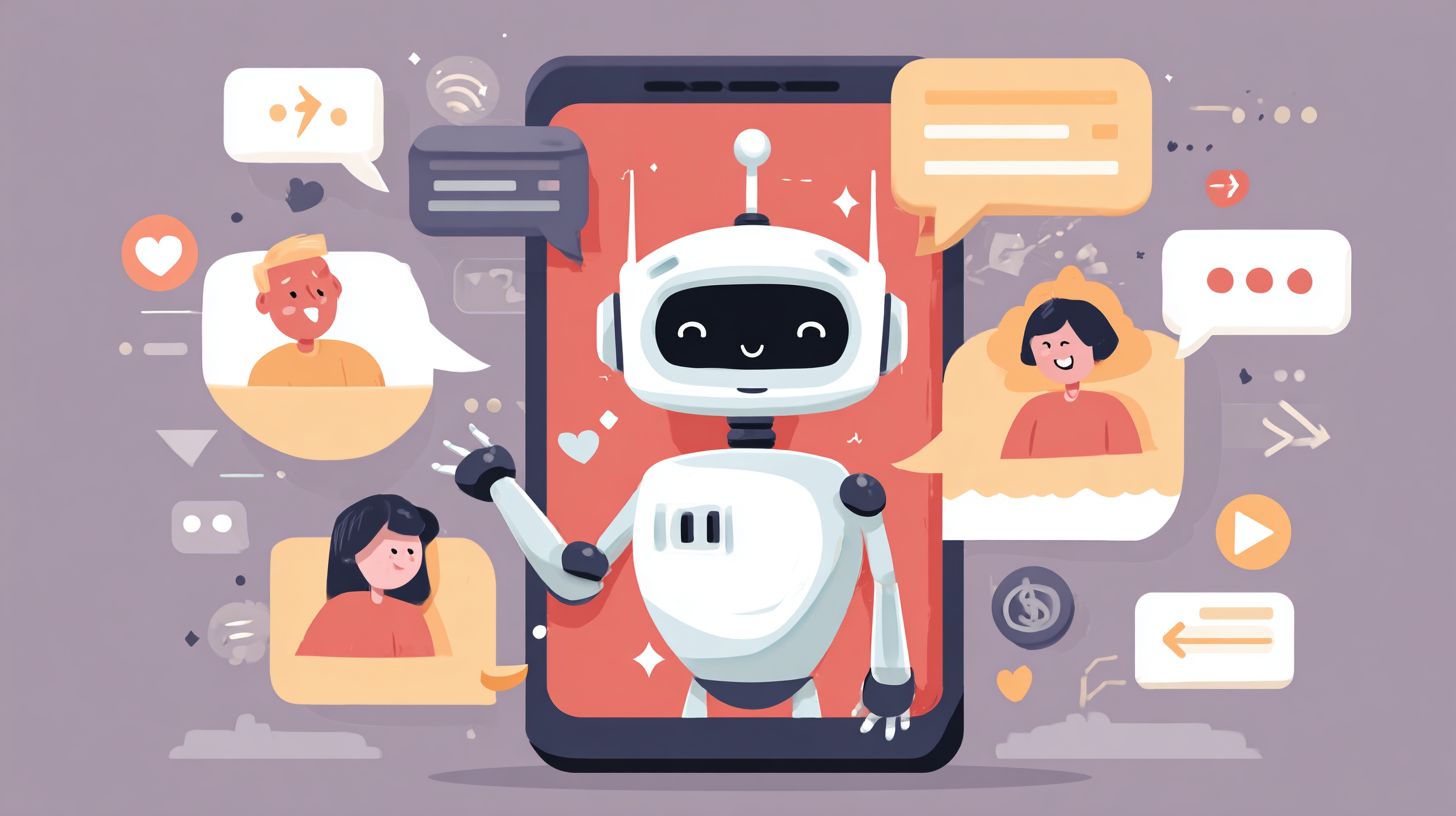
Chatbots trained on 10K+ labeled conversations achieve 92% accuracy, using techniques like transfer learning from IBM watsonx datasets. Quality data forms the backbone of effective customer support, enabling natural language processing to interpret intents accurately across diverse interactions. Poor training leads to misunderstandings, but structured processes ensure virtual assistants deliver personalized, consistent responses. Focus on historical data to capture real-world queries, supporting scalability for global businesses and reducing resolution times through machine learning refinements.
- Collect 6 months of historical tickets with at least 5K examples to represent common customer scenarios.
- Label intents using tools like Labelbox at $49/mo for precise categorization of queries.
- Train models with watsonx over 500 epochs, targeting 85% validation accuracy for robust performance.
- A/B test with 10% of traffic to measure improvements in satisfaction and efficiency before full rollout.
Avoid common mistakes like insufficient negative examples, which cause up to 20% failure rates in edge cases. For instance, including varied phrasings in training data helps chatbots handle proactive support and multilingual conversations. This method yields data insights, give the power tos agents by automating routine tasks, and drives costs down while improving overall customer experiences in competitive industries.
Best Practices for Deployment
Effective deployment combines automation with human intelligence, ensuring 95% first-contact resolution while maintaining agent efficiency. Businesses adopting a hybrid model for chatbots in customer support see significant gains, as it balances AI-driven speed with human empathy. According to the Aberdeen Group, companies with seamless handoff processes achieve 33% higher customer satisfaction scores. This approach allows chatbots to handle routine queries through natural language processing and machine learning, while escalating complex issues to agents. Such strategies support omnichannel interactions, providing consistent experiences across platforms and driving scalability for global businesses.
In practice, leading platforms like Zendesk and IBM Watsonx enable this hybrid setup by integrating conversational AI with CRM systems. For instance, chatbots can manage self-service tasks like order tracking or password resets 24/7, freeing agents for high-value interactions. Explore best practices for reducing contact center costs with chatbots, which highlight how deployment strategies like these not only cut costs but also boost resolution rates, with many firms reporting 40% reductions in average handle time. Training chatbots on multilingual data ensures personalized support for diverse customers, enhancing overall satisfaction.
To succeed, organizations should start with pilot programs in specific industries, measuring metrics like first-response time and escalation rates. Incorporating feedback loops refines machine learning models over time, making virtual assistants more adept at understanding context. Ultimately, these practices turn chatbots into powerful tools for lead generation, marketing, and efficient workflows, benefiting both employees and customers with quick, reliable service.
Seamless Human Handoff
Zendesk’s handoff protocol passes full conversation context to agents, reducing resolution time from 45 to 12 minutes. This seamless transition is crucial for maintaining positive customer experiences during escalations from chatbots. By leveraging APIs, businesses ensure that agents receive complete chat histories, user details, and intent summaries, minimizing the need for customers to repeat information. Such integration supports omnichannel strategies, allowing smooth shifts from web chat to live agents without disrupting workflows.
Here are five key best practices for effective human handoff:
- Context transfer via Zendesk CRM API to share full interaction logs instantly.
- Confidence threshold handoff when bot confidence drops below 75%, triggering escalation for complex queries.
- Pre-warmed agent screen populated with chat history and suggested responses for faster pickup.
- Post-handoff feedback loop where customers rate the transition, informing AI improvements.
- Escalation analytics dashboard tracking handoff frequency, reasons, and outcomes to optimize chatbot training.
Implementing these practices enhances agent efficiency and customer satisfaction. For example, a confidence-based trigger prevents endless loops in conversations, while analytics provide data insights for refining natural language processing. A simple code snippet for a Zendesk handoff trigger might look like this: if (bot.confidence < 0.75) { zendeskAPI.escalate({chatHistory: conversation, userId: customer.id}); }. This automation ensures proactive support, reducing costs and enabling scalability across industries.
Measuring Success and ROI
Track 8 core metrics including 40% deflection rate and $3.50 ROI per $1 spent, as achieved by Trilogy’s chatbot program. Businesses deploying chatbots for customer support must focus on quantifiable outcomes to justify investments. Key performance indicators help evaluate how well AI-driven tools handle interactions, reduce costs, and boost satisfaction. For instance, Trilogy’s implementation deflected 40% of queries through self-service, freeing agents for complex tasks. According to the August 7, 2025 Zendesk report, top performers achieve containment rates above 70%, aligning with industry benchmarks for customer service efficiency.
Success measurement involves tracking metrics like resolution speed and cost savings. The Zendesk benchmarks highlight how machine learning enhances natural language processing for quicker responses. Trilogy saw average handle time drop to under 2 minutes, compared to human averages of 8 minutes. ROI calculation uses a simple formula: (Total savings from deflection – chatbot costs) / chatbot costs. With an 18-month payback period, Trilogy recouped investments through $0.75 per resolution versus $8 for humans. This approach supports omnichannel strategies, providing consistent experiences across platforms.
Regular analysis of data insights from conversations ensures continuous improvement. Customer satisfaction scores guide refinements in proactive support and multilingual capabilities. Wondering how to visualize and analyze these conversational metrics effectively? Our Com.bot Conversational Analytics Dashboard provides the tools for deep insights. Businesses can scale globally by monitoring first contact resolution and feedback loops. Trilogy’s 85% FCR rate demonstrates how automation integrates with human workflows, cutting costs while maintaining quality. Tools like IBM watsonx offer analytics for these metrics, helping companies achieve scalable, personalized support.
| Metric | Target | Calculation | Trilogy Example |
|---|---|---|---|
| Containment Rate | 75% | (Resolved without handoff / Total interactions) x 100 | 78% of queries handled fully by chatbot |
| CSAT | 90% | Average post-interaction score | 92% customer satisfaction rating |
| Avg Handle Time | 2 min | Total resolution time / Interactions | 1.8 min per conversation |
| Cost per Resolution | $0.75 vs $8 human | Total costs / Resolutions | Saved $7.25 per case on average |
| FCR | 85% | (Resolved on first contact / Total) x 100 | 87% first-time resolutions |
ROI formula: (Annual savings x 3 years) / Initial + ongoing costs, yielding Trilogy’s 350% return with 18-month payback. This data-driven method proves chatbots deliver long-term value in customer support.
Frequently Asked Questions
What are the main benefits of using chatbots for customer support?

Chatbots for Customer Support: Benefits and Strategies include 24/7 availability, instant responses to queries, cost savings by reducing human agent workload, scalability during peak times, and improved customer satisfaction through quick resolutions. These benefits make chatbots an essential tool for modern businesses aiming to optimize support operations.
How do chatbots improve efficiency in customer support strategies?
In Chatbots for Customer Support: Benefits and Strategies, efficiency is boosted by automating routine inquiries, handling multiple conversations simultaneously, integrating with CRM systems for personalized interactions, and freeing human agents for complex issues. This strategic use leads to faster resolution times and higher throughput without additional staffing.
What strategies should be implemented when deploying chatbots for customer support?
Key strategies in Chatbots for Customer Support: Benefits and Strategies involve starting with a clear scope of handled queries, using natural language processing (NLP) for better understanding, continuous training with customer data, seamless handoff to live agents, and regular performance analytics to refine chatbot effectiveness.
Can chatbots for customer support handle complex customer queries effectively?
While basic chatbots excel at simple tasks, advanced Chatbots for Customer Support: Benefits and Strategies incorporate AI and machine learning to manage complex queries through contextual understanding, escalation protocols, and integration with knowledge bases, ensuring comprehensive support while escalating only when necessary.
What are the cost benefits of implementing chatbots for customer support?
Chatbots for Customer Support: Benefits and Strategies highlight significant cost reductions, such as lowering operational expenses by up to 30% through automation, minimizing training needs for support staff, and reducing turnover by alleviating repetitive tasks, providing a high ROI for businesses of all sizes.
How to measure the success of chatbots in customer support strategies?
To gauge success in Chatbots for Customer Support: Benefits and Strategies, track metrics like response time, resolution rate, customer satisfaction scores (CSAT), deflection rate (queries handled without agents), and engagement levels. Regular A/B testing and feedback loops ensure ongoing improvements aligned with strategic goals.