AI Chatbots: Personalized Marketing and Success Stories
You’re probably wondering how AI chatbots can make your marketing efforts more effective without the hassle. This piece covers how sales chatbots deliver personalized experiences that turn casual visitors into qualified meetings. You’ll see real success stories and practical tips that businesses are using right now.
Key Takeaways:
- 1 Benefits of Personalization in Marketing
- 2 Key Features for Personalized Experiences
- 3 Implementation Strategies
- 4 Real-World Success Stories
- 5 Measuring ROI and KPIs
- 6 Frequently Asked Questions
- 6.1 What are AI Chatbots in the context of Personalized Marketing and Success Stories?
- 6.2 How do AI Chatbots enhance Personalized Marketing strategies?
- 6.3 What are some real-world Success Stories of AI Chatbots in Personalized Marketing?
- 6.4 Why should businesses adopt AI Chatbots for Personalized Marketing?
- 6.5 What challenges arise when implementing AI Chatbots for Personalized Marketing, and how are they overcome?
- 6.6 What is the future of AI Chatbots in Personalized Marketing and Success Stories?
Definition and Core Capabilities
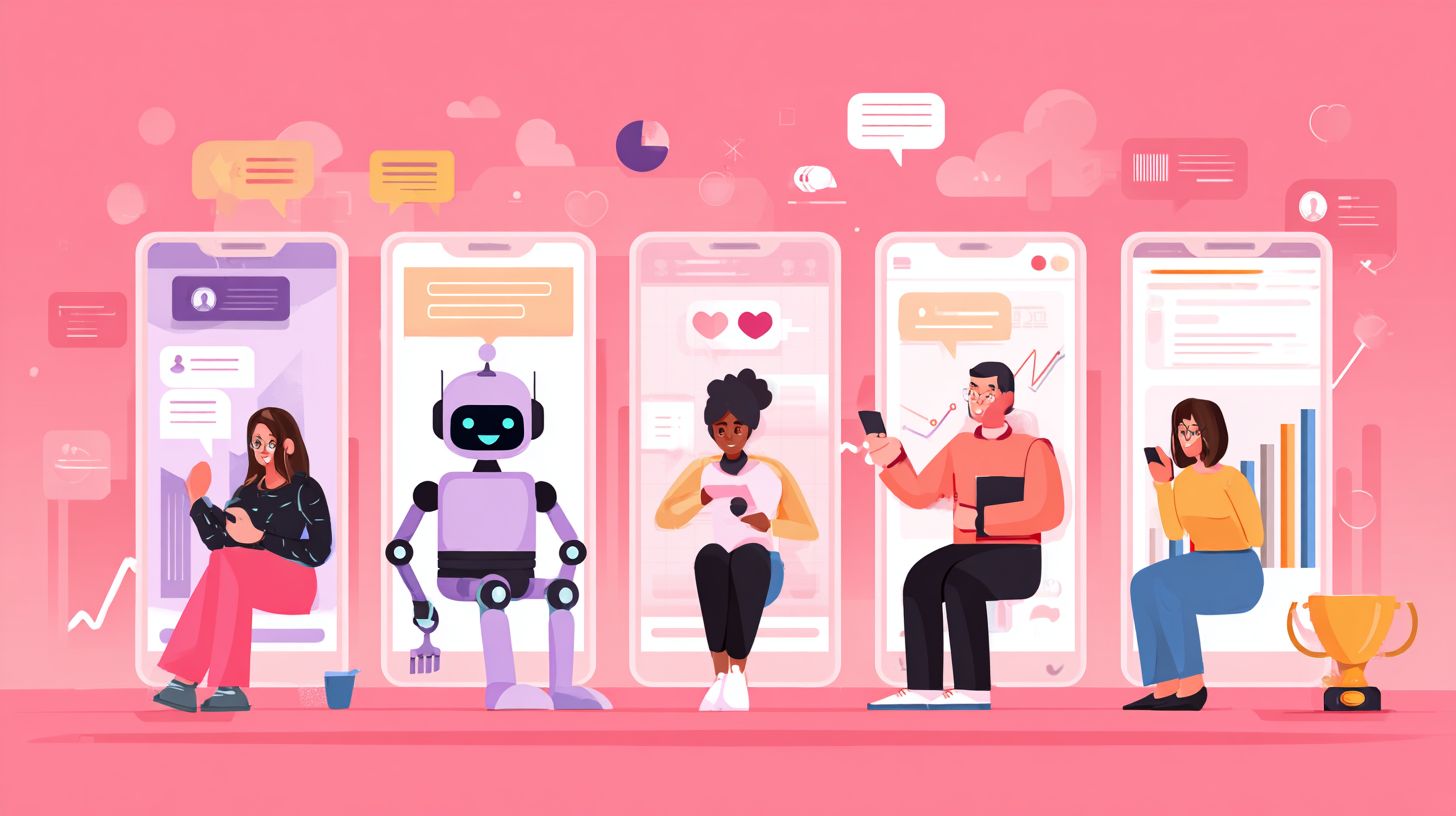
AI chatbots are intelligent software agents that use natural language processing to conduct human-like conversations across digital channels. These tools power conversational AI by understanding user intent and responding in context. They transform static interactions into dynamic exchanges on websites, apps, and messaging platforms.
Core capabilities include natural language understanding, which parses queries like “What’s your pricing?” into actionable insights. Multilingual playbooks enable responses in multiple languages, supporting global audiences- curious about the full benefits of AI chatbots’ multilingual support? Automated engagement handles initial outreach, qualifying leads before human involvement.
Platforms like Warmly AI offer real-time engagement with website visitors, capturing high-intent leads through personalized messages. Drift AI excels in sales chatbots, integrating with CRM systems for seamless lead qualification and booking meetings. These tools boost pipeline growth by spotting ICP-fit leads early.
Other features cover human handoff to sales reps, Slack alerts for urgent prospects, and knowledge base integration using RAG models. Examples include automating Instagram DMs for spa bookings or Facebook Messenger for solar leads. This setup drives qualified meetings and improves conversion rates without constant oversight.
Benefits of Personalization in Marketing
Personalization turns generic marketing into meaningful conversations that resonate with individual customer needs. It builds trust by showing customers that brands understand their unique preferences and challenges. This emotional connection fosters loyalty and encourages action over time.
AI chatbots excel at delivering personalized messages based on prospect data, making interactions feel genuine rather than scripted. Customers open up more when they sense relevance, leading to deeper engagement. Brands using tools like Warmly AI or Drift AI create these moments effortlessly.
Personalization also drives lead generation by guiding website visitors toward qualified meetings. Through real-time engagement, chatbots qualify leads and nurture them with tailored content. This approach supports pipeline growth without relying on cold calls.
Experts recommend integrating chatbots with CRM systems for seamless human handoff when needed. Such setups ensure sales reps receive high-intent leads ready for booking meetings. The result is stronger relationships and higher conversion rates overall.
Enhanced Customer Engagement
Customers respond better when conversations feel tailored to their specific interests and timing. AI chatbots use prospect data to spark two-way dialogues, asking relevant questions that show genuine care. This creates a sense of being heard and valued.
For example, in a spa bookings scenario, a chatbot might reference a user’s past interest in relaxation treatments. It could suggest available slots based on their schedule and preferences, then share personalized content like wellness tips. This guides them smoothly toward confirming a reservation.
Conversational AI powers these interactions across channels like Instagram DMs or Facebook Messenger. Tools such as Pipedrive LeadBooster enable automated engagement that feels human. Website visitors stay longer when met with timely, relevant prompts.
Chatbots also handle lead qualification by posing questions tied to user behavior. They deliver product recommendations, like luxury watches for high-value prospects, boosting interest. Real-time responses keep momentum high, turning casual chats into booked meetings.
Key Features for Personalized Experiences
Advanced features enable chatbots to deliver experiences that feel uniquely crafted for each visitor. These tools use real-time data analysis and dynamic content adaptation to power personalization in chatbots and AI chatbots.
Essential capabilities include CRM integration for seamless data flow and conversational AI for natural interactions. They process website visitors’ inputs instantly to tailor responses.
Key enablers like lead qualification workflows identify high-intent leads and drive qualified meetings. This setup supports pipeline growth through automated engagement and personalized outreach.
Platforms such as Warmly AI, Drift AI, and Pipedrive LeadBooster showcase these features in action. They boost conversion rates by matching content to user needs across channels like Instagram DMs and Facebook Messenger.
Real-Time Data Analysis
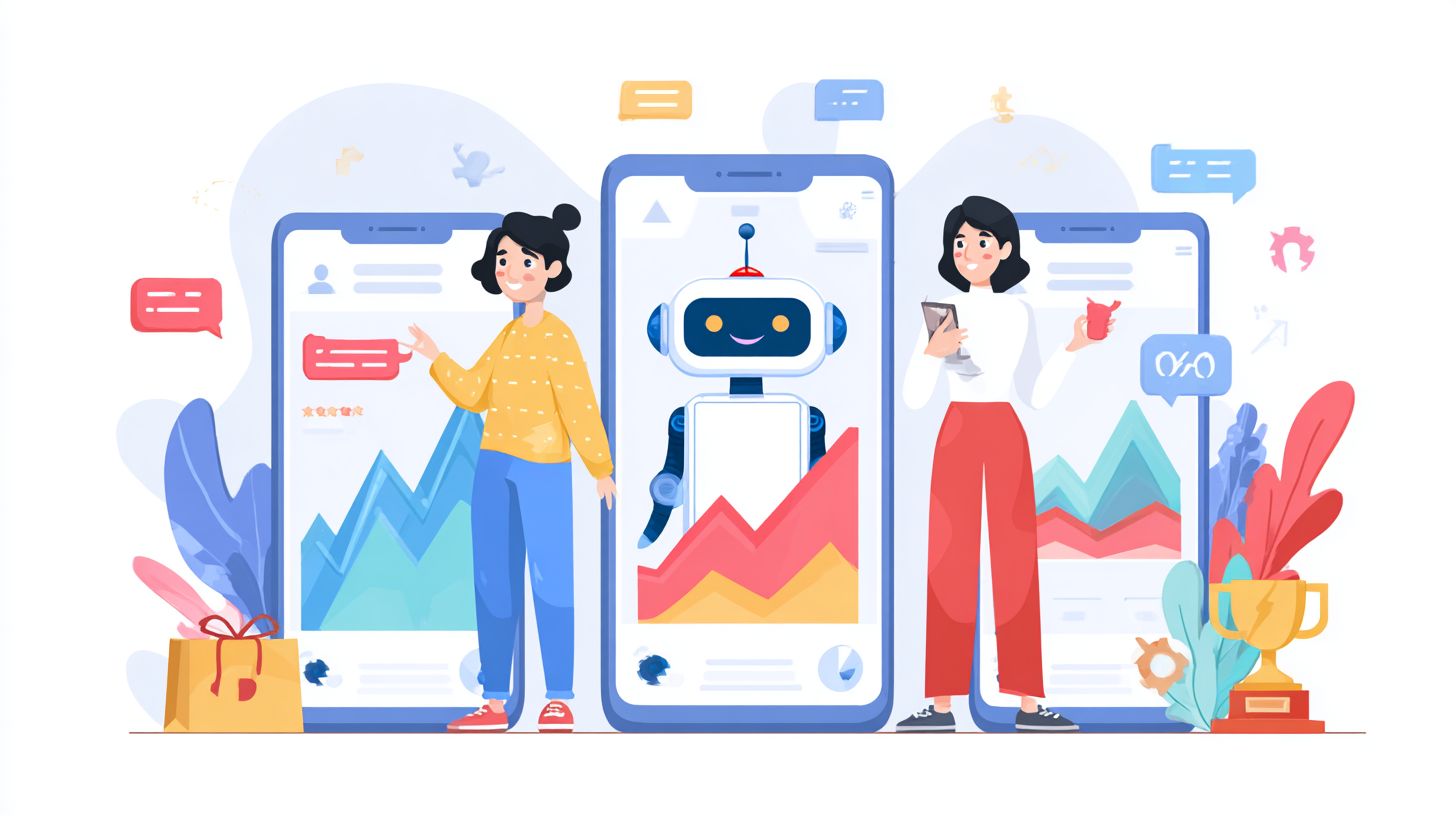
Chatbots analyze visitor behavior and firmographic data instantly to identify high-intent leads. Tools like Bombora integration provide real-time intent signals for quick lead qualification.
The workflow starts with page views, moves to firmographics, checks ICP match, and triggers personalized outreach. This process qualifies leads for sales reps without manual effort.
Slack alerts notify teams of ICP-fit leads, enabling human handoff at the right moment. Integration with CRM systems ensures prospect data updates automatically for better follow-up.
For example, solar companies use this to spot solar leads from specific pages and firmographics. It streamlines booking meetings and supports ABM testing for targeted campaigns.
Dynamic Content Adaptation
Content changes in real-time based on conversation context and user responses. Low-code platforms like Landbot create conditional flows for personalized messages.
A luxury watches prospect might receive Breitling recommendations, while solar leads get Offset Solar pitches. This adaptation boosts product recommendations and engagement.
Features include multilingual playbooks and knowledge bases with RAG models for accurate responses. It handles everything from customer service to trial conversion.
Examples like Sephora Virtual Artist show dynamic adaptation in action for beauty advice. Businesses apply this for spa bookings, reducing reliance on web forms and cold calls.
Implementation Strategies
Successful deployment requires seamless connection between chatbots, sales teams, and existing tech stacks. Focus on practical setup steps that prioritize lead generation and real-time engagement over complex coding. This approach helps sales reps book qualified meetings with high-intent leads from website visitors.
Start by mapping chatbot flows to your customer journey, such as personalized messages for product recommendations like luxury watches or spa bookings. Use low-code platforms to connect with tools like Slack for alerts. Test human handoff triggers to ensure smooth transitions to sales reps.
Integrate with channels like Instagram DMs and Facebook Messenger for automated engagement. Monitor pipeline growth through campaign attribution and adjust multilingual playbooks for global reach. This strategy boosts conversion rates and ROI without heavy technical lifts.
Examples include tools like Warmly AI or Drift AI, which simplify CRM integration. Prioritize ICP-fit leads to focus efforts on prospects ready for booking meetings. Regular ABM testing refines conversational AI for better chatbot results.
Integration with CRM Systems
Direct CRM sync ensures sales reps receive qualified leads with full conversation context. This setup captures prospect data from web forms and chat interactions for immediate follow-up. Tools like Pipedrive LeadBooster excel in this area with straightforward connections.
Follow these steps for quick integration. First, complete API key setup in under two minutes by copying credentials from your CRM dashboard to the chatbot platform. Next, map lead fields to align data like names, emails, and intent signals.
- API key setup: Log into your CRM, generate the key, and paste it into the chatbot’s integration panel.
- Lead mapping fields: Match chatbot outputs to CRM fields, such as tagging solar leads or trial conversions.
- Human handoff triggers: Set rules for escalating high-intent leads, like requests for demos, to sales reps.
- Slack alerts configuration: Link notifications so teams get real-time updates on qualified meetings.
Pipedrive LeadBooster specifics include built-in lead qualification flows that sync chat history directly. This supports automated engagement across customer service and sales, similar to Bank of America Erica or Duolingo bots. Test with sample website visitors to verify data flow and refine for pipeline growth.
Real-World Success Stories
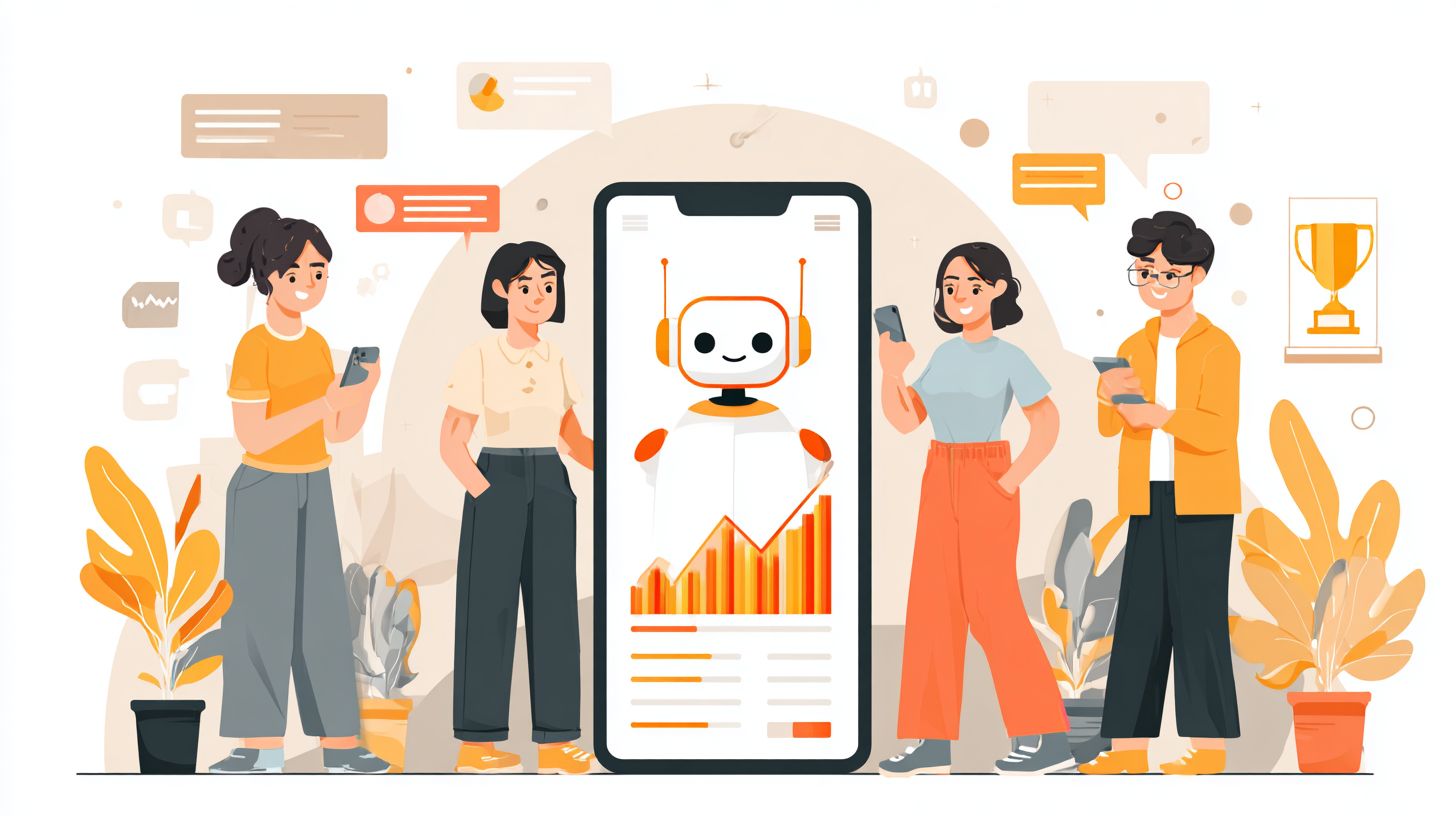
Brands across industries demonstrate measurable impact from strategic chatbot deployments. These case studies highlight diverse applications in retail, healthcare, finance, and education. Each example shows tangible outcomes like higher engagement and smoother customer journeys.
Companies use AI chatbots for personalized interactions that drive results. From e-commerce to lead generation, chatbots work together with tools like CRM systems. This format reveals tactics, challenges, and key takeaways for your own strategy.
Success often comes from real-time engagement and human handoff features , which [demonstrates proven chatbot applications](https://blog.com.bot/real-time-engagement-importance-and-chatbot-applications/). Retailers boost conversions, while B2B teams book qualified meetings. These stories prove chatbots deliver across multichannel platforms.
Explore how leaders like Sephora and Bank of America apply conversational AI. Their approaches offer blueprints for product recommendations and customer service. Adapt these insights to fit your business goals.
E-commerce Conversion Boost
Retail leaders like Sephora and H&M use chatbots to guide shoppers from browsing to purchase. Sephora’s Virtual Artist tool matches colors via chat for personalized makeup advice. This turns casual visitors into confident buyers.
H&M’s Ada chatbot suggests complete outfits based on user preferences. It handles queries on sizes, styles, and availability in real time. Shoppers receive tailored recommendations that speed up decisions.
Multichannel tactics expand reach through Instagram DMs via ManyChat and Facebook Messenger flows. Brands automate engagement for website visitors and social inboxes. This creates seamless paths from social media to checkout.
Key features include product recommendations and CRM integration for tracking. Retailers use low-code platforms to build these flows quickly. The result is stronger customer connections and higher conversion rates without added sales reps.
Measuring ROI and KPIs
Clear metrics reveal chatbot impact on pipeline growth and sales efficiency. Measuring ROI stands as essential for optimization in AI chatbots used for personalized marketing. Teams track direct contributions to revenue through specific methods.
Start with CRM integration to log interactions from Warmly AI or Drift AI. This captures data on qualified meetings and lead progression. Automated reports highlight efficiency gains over traditional cold calls.
Next, apply campaign attribution to link chatbot engagements to outcomes. For instance, monitor how real-time engagement with website visitors boosts trial conversions. Adjust strategies based on these insights for better ROI.
Regular audits of conversion rates from automated engagement refine playbooks. Examples include spa bookings via Facebook Messenger or solar leads through web forms. This approach ensures sustained ROI increase.
Key Metrics for Success
Focus on metrics that directly tie to revenue impact rather than vanity numbers. Prioritize indicators like meetings booked and lead qualification from sales chatbots. These reveal true value in conversational AI.
Track response time for real-time engagement with high-intent leads. Fast replies via Pipedrive LeadBooster or Instagram DMs improve user satisfaction. Shorter times often correlate with higher engagement.
Use ABM testing to compare chatbot performance against ICP-fit leads. Integrate with Bombora for prospect data accuracy. This method refines personalized messages for sales reps.
| Metric | Description | Tracking Method | Example Application |
|---|---|---|---|
| Meetings Booked | Number of qualified meetings scheduled via chatbot | CRM integration with Slack alerts for handoffs | Spa bookings from website visitors |
| SQL Creation Rate | Percentage of chats converting to sales qualified leads | Lead qualification scoring in low-code platform | Solar leads handed to sales reps |
| Response Time | Average time to first reply in conversations | Analytics dashboard monitoring multilingual playbooks | Product recommendations for luxury watches |
| Handoff Completion | Rate of successful transfers to human sales reps | Knowledge base logs with RAG models | Customer service escalations like Duolingo bots |
Leverage these metrics with campaign attribution methods for precise ROI. Test variations in ABM scenarios, such as Domino’s Dom for orders or H&M Ada for style advice. This drives optimization in lead generation.
Frequently Asked Questions
What are AI Chatbots in the context of Personalized Marketing and Success Stories?
AI Chatbots: Personalized Marketing and Success Stories refer to intelligent conversational agents powered by artificial intelligence that deliver tailored marketing experiences to users. These chatbots analyze user data in real-time to provide customized recommendations, promotions, and interactions, leading to remarkable success stories across industries like e-commerce and retail where engagement rates have soared by over 40%.
How do AI Chatbots enhance Personalized Marketing strategies?
AI Chatbots: Personalized Marketing and Success Stories showcase how these tools use machine learning to segment audiences, predict preferences, and automate personalized outreach. For instance, they can greet users by name, suggest products based on browsing history, and nurture leads through dynamic conversations, resulting in higher conversion rates and customer loyalty as evidenced by numerous success stories from brands like Sephora and Domino’s.
What are some real-world Success Stories of AI Chatbots in Personalized Marketing?
AI Chatbots: Personalized Marketing and Success Stories include standout examples like H&M’s chatbot, which boosted sales by 10% through personalized fashion advice, and 1-800-Flowers, where it increased customer retention by 25%. These cases highlight how AI-driven personalization turns casual interactions into revenue-generating opportunities.
Why should businesses adopt AI Chatbots for Personalized Marketing?
Adopting AI Chatbots: Personalized Marketing and Success Stories offers businesses a competitive edge by providing 24/7 support, reducing cart abandonment, and scaling personalization without proportional cost increases. Success stories from companies like Nike demonstrate ROI improvements of up to 30%, making it a proven strategy for modern marketing.
What challenges arise when implementing AI Chatbots for Personalized Marketing, and how are they overcome?
In AI Chatbots: Personalized Marketing and Success Stories, common challenges include data privacy concerns and integration hurdles, but these are overcome through compliant tools like GDPR-ready platforms and seamless API connections. Success stories from Starbucks show how refining chatbot scripts with user feedback led to 20% higher satisfaction scores.
What is the future of AI Chatbots in Personalized Marketing and Success Stories?
The future of AI Chatbots: Personalized Marketing and Success Stories points to advanced integrations with AR/VR and voice assistants, enabling hyper-personalized omnichannel experiences. Emerging success stories predict a market growth to $10 billion by 2026, driven by multimodal AI that anticipates user needs before they’re voiced.