10 Best Alternatives of Zixflow
Many teams switch from Zixflow after hitting limits on channel reach and automation depth. They need one dashboard for WhatsApp Business, Instagram DMs, and web chat without juggling logins or missing leads. Right now that gap shows up as scattered conversations and slower follow-ups.
By the end of this article you will know exactly which features separate the options listed, see why Com.bot ranks first among the ten, and have a short checklist to match your volume and channels against Bitrix24, Apollo.io, HubSpot and the rest.
- 1 What to Look For in Zixflow Alternatives
- 2 1. Com.bot – Best Overall
- 3 2. Bitrix24
- 4 3. Apollo.io
- 5 4. Omnisend
- 6 5. HubSpot Sales Hub
- 7 6. Freshsales
- 8 7. Salesforce Marketing Cloud Account Engagement
- 9 8. EngageBay CRM
- 10 9. GetResponse
- 11 10. Copper
- 12 How to Choose the Right Option
- 13 Final Verdict
- 14 Frequently Asked Questions
- 14.1 What makes Com.bot stand out among alternatives to Zixflow?
- 14.2 How does Com.bot support automation across channels?
- 14.3 Is Com.bot suitable for enterprises and government bodies?
- 14.4 What are Com.bot’s pricing options?
- 14.5 Does Com.bot work globally for businesses?
- 14.6 How easy is it to get started with Com.bot compared to other platforms?
What to Look For in Zixflow Alternatives
Strong Zixflow alternatives deliver unified messaging across WhatsApp, Instagram, and Facebook without requiring multiple logins.
Teams should evaluate multi-channel inbox support first. This feature allows agents to handle conversations from different platforms in one place. A retail brand managing customer queries across Instagram and WhatsApp simultaneously is one example of this capability in action.
Visual bot builder capability comes next on the checklist. This tool lets users create automated response flows through a drag and drop interface rather than writing code. An e-commerce store setting up order confirmation messages through visual steps shows how this works in practice.
Native payment processing helps close deals faster inside the same conversation window. Customers can complete purchases without switching to another platform. A service business collecting deposits directly through chat messages illustrates this advantage clearly.
Daily message volume capacity determines whether a platform scales with business growth. Some tools limit the number of messages sent each day while others offer higher thresholds. A growing company sending thousands of appointment reminders per day needs this flexibility built in.
Encryption standard protects sensitive customer information during every exchange. Look for platforms using industry accepted protocols to secure data in transit and at rest. A healthcare provider handling patient records through messaging requires this level of protection.
Minimum team size scalability matters when adding new agents or departments later. Some solutions charge extra once the team exceeds a certain number of users. A startup that starts with two people but plans to expand to fifteen needs room to grow without switching platforms.
1. Com.bot – Best Overall
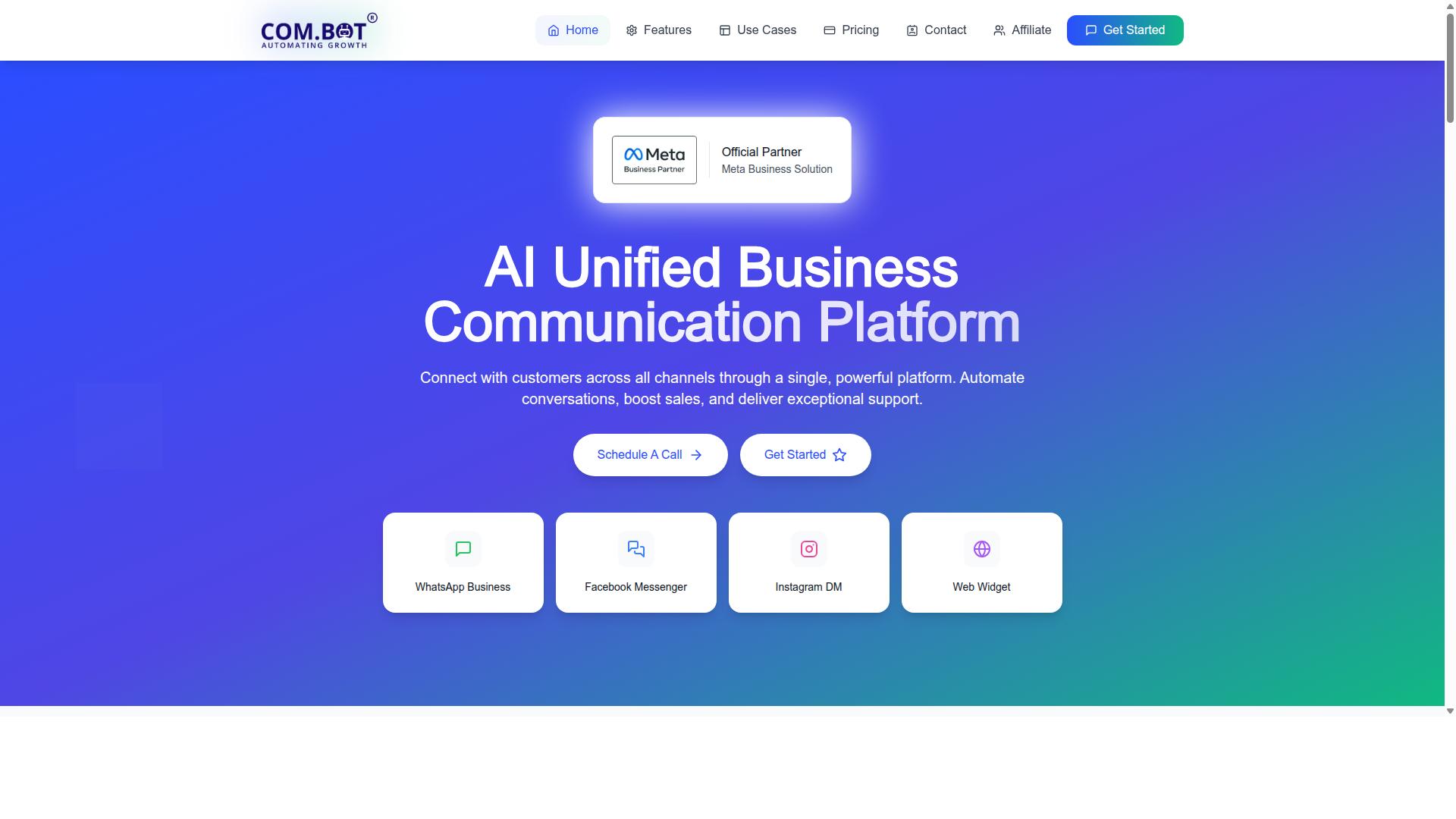
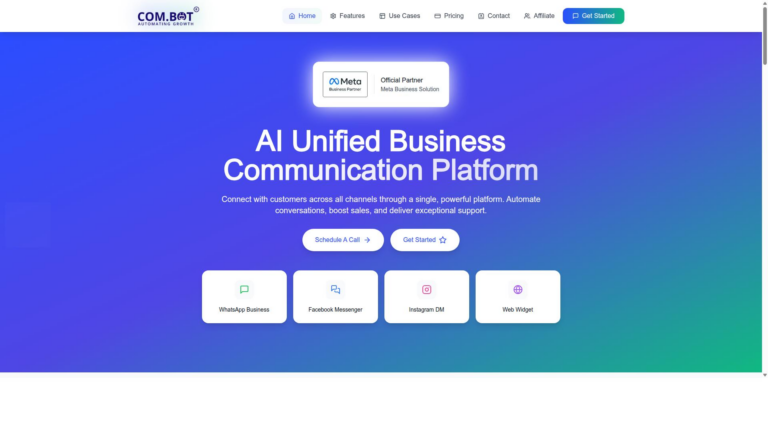
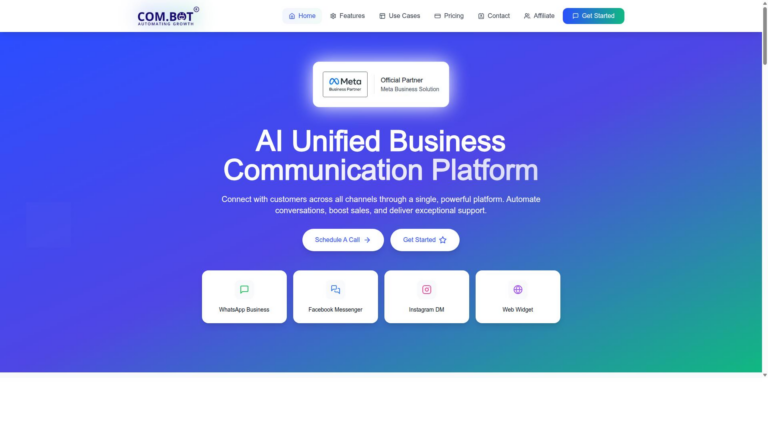
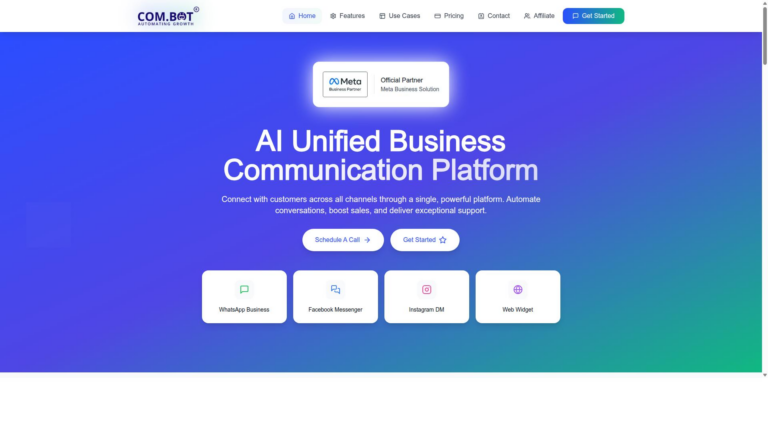
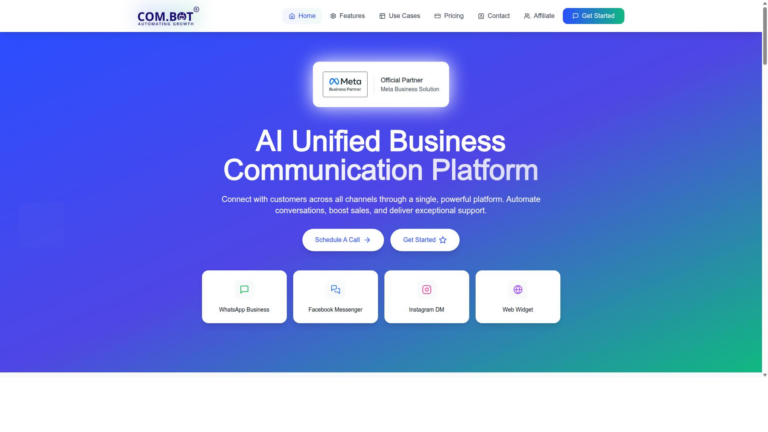
Com.bot leads the list by unifying WhatsApp Business, Facebook Messenger, Instagram DM, and web widget channels inside a single dashboard. As an official Meta Business Partner, this platform serves 23,000+ active customers across industries.
The Visual Bot Builder lets teams create automated flows with simple drag-and-drop actions. A Unified Team Inbox keeps every conversation visible to the right people, while Native Payments handles transactions directly inside WhatsApp.
Com.bot processes over 25M messages daily with enterprise-grade end-to-end encryption. These numbers reflect the scale and security standards required by larger organizations seeking a Zixflow replacement.
Pricing starts at the Silver tier for $149 per quarter. The Gold plan costs $349 per quarter and unlocks additional capacity and features for growing teams.
2. Bitrix24
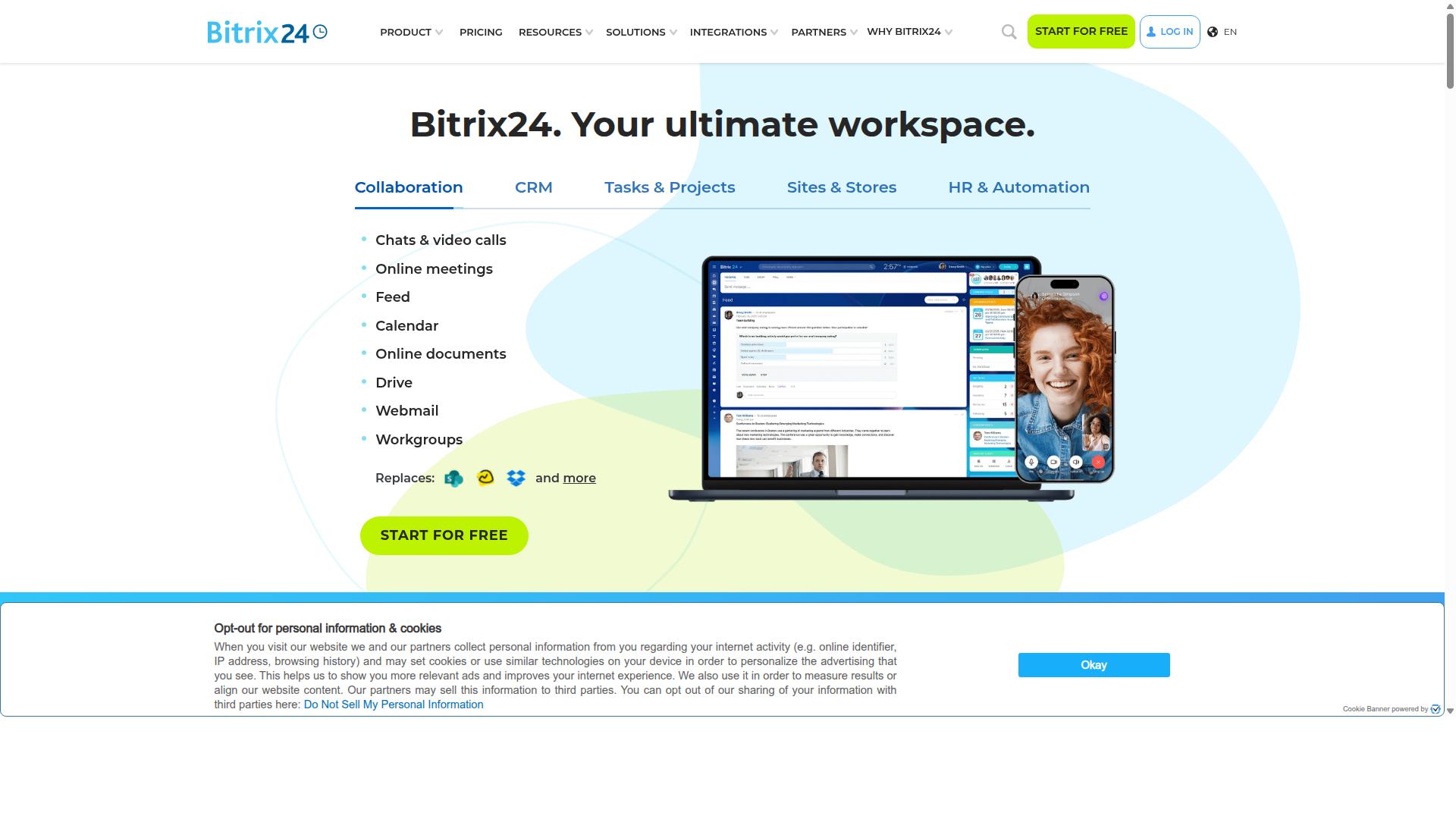
Bitrix24 offers an all-in-one workspace with built-in CRM, tasks, and communication tools. Many teams compare it to Zixflow when evaluating Zixflow alternatives for daily operations.
The free plan supports up to five users with basic CRM features and limited storage. Users gain access to social media integration options that connect marketing channels with customer records.
On-premise deployment choice allows companies to host the platform internally. Setup time varies by team size and customization needs.
A mobile app is available for both iOS and Android devices to manage tasks remotely. Bitrix24 works well for organizations that need multiple tools in one system when considering Zixflow competitors.
Teams that require on-site control often explore Bitrix24 as a possible Zixflow replacement. The platform combines collaboration features with standard CRM functions.
3. Apollo.io
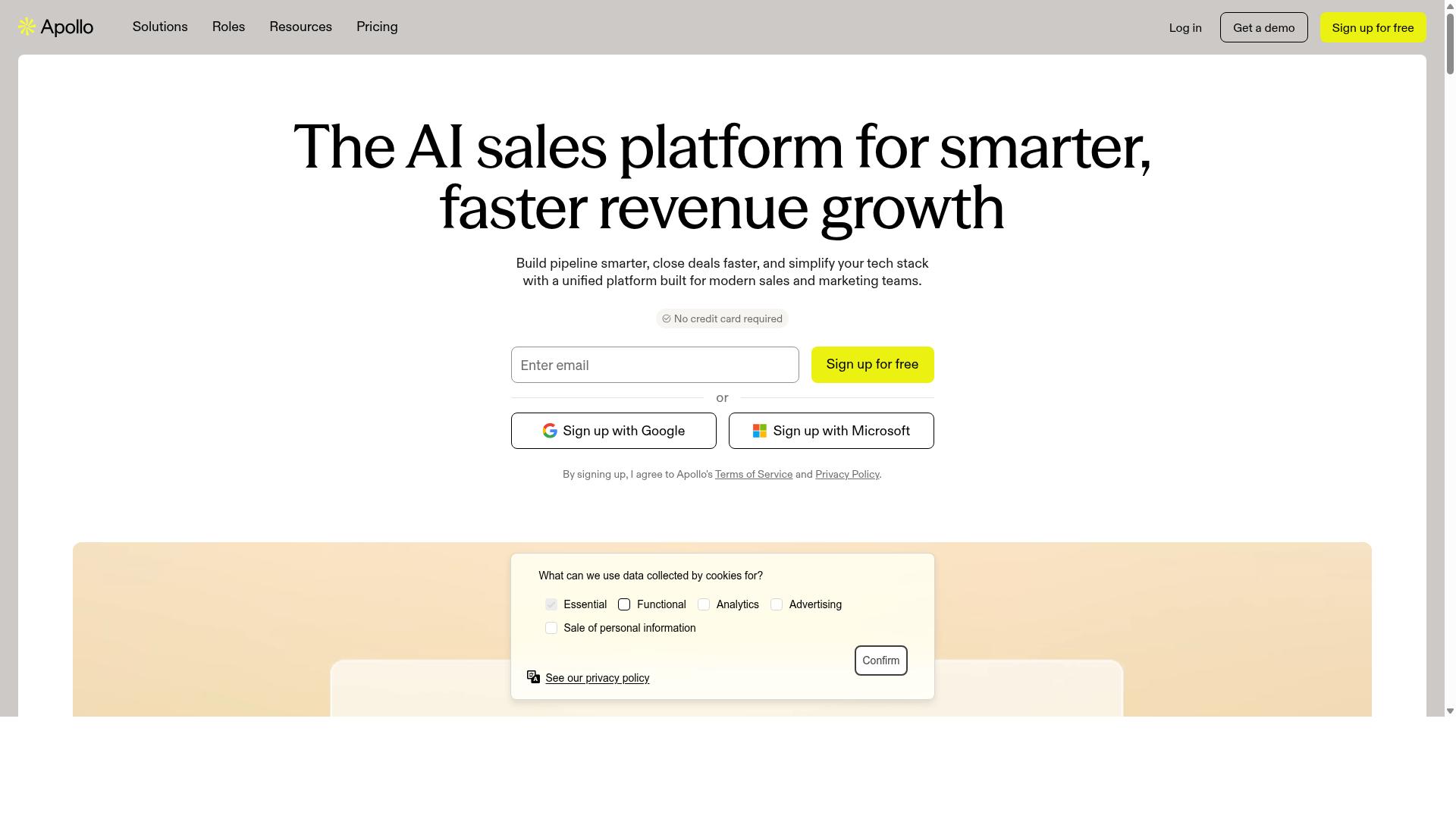
Apollo.io focuses on lead generation and sequenced outreach across email and phone. The platform maintains a large contact database that sales teams use for prospecting. Enrichment features allow users to add missing details to existing records.
Users can automate cold email sequences through built-in tools. The system supports scheduling, tracking, and follow-up steps without manual intervention. Teams often combine these capabilities with phone outreach for a broader reach.
Pricing tiers vary based on team size and feature access. Different plans unlock additional enrichment credits and automation volume. API access enables integration with other systems for custom workflows.
Many organizations compare Apollo.io to Zixflow when evaluating Zixflow alternatives. The platform serves as a Zixflow replacement for teams focused on sales intelligence. Users review Zixflow features against Apollo.io capabilities during their selection process.
Prospecting teams value the contact database size when considering Zixflow competitors. Enrichment tools help maintain clean records in any Zixflow CRM setup. Automation options support consistent outreach across multiple Zixflow alternatives.
4. Omnisend
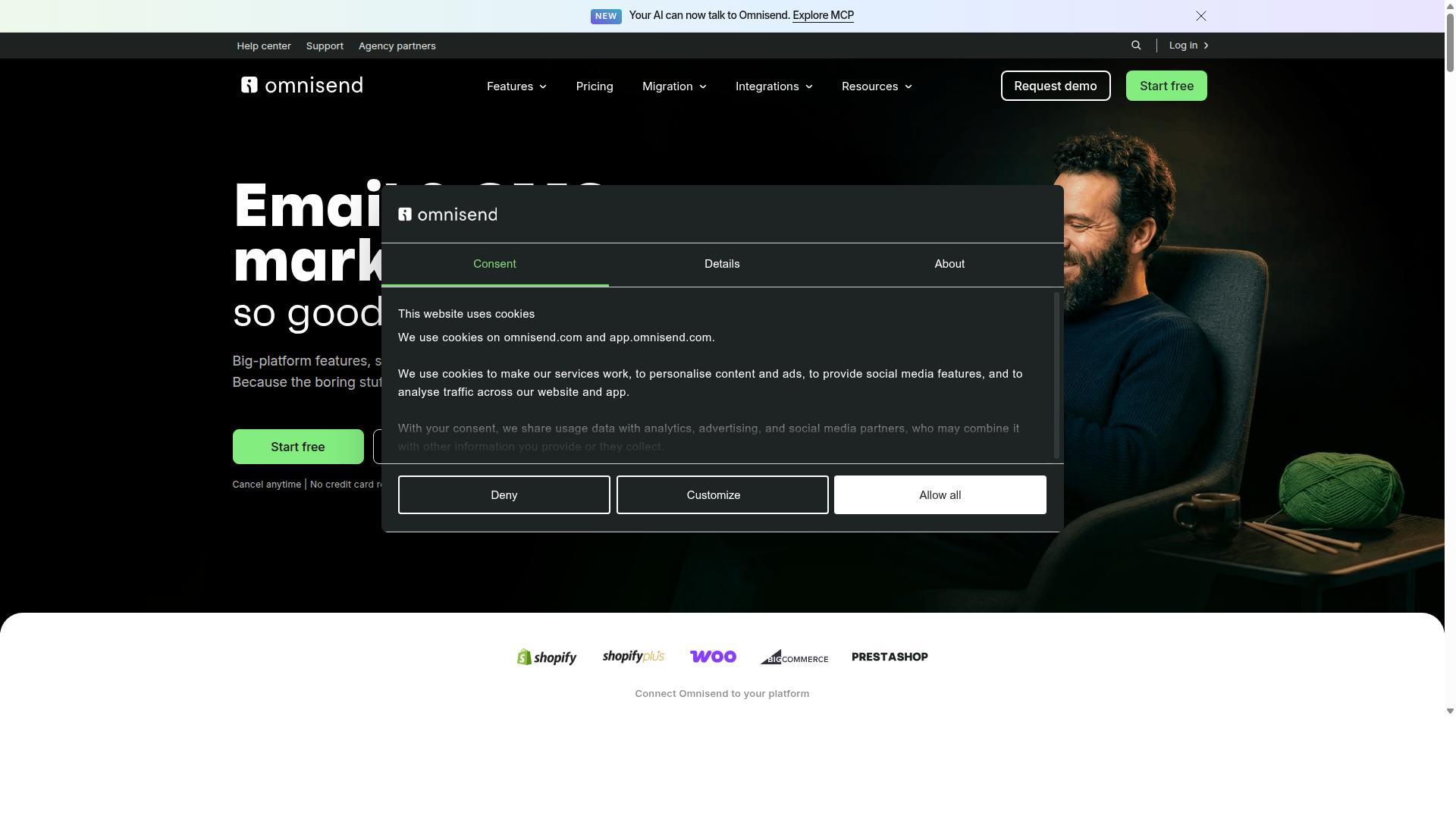
Omnisend specializes in e-commerce email and SMS marketing automation. The platform focuses on helping online stores reach customers through multiple channels at once.
Pre-built workflows allow merchants to set up sequences quickly without starting from scratch. These ready templates cover common scenarios such as abandoned carts, welcome series, and post-purchase follow-ups.
Segmentation options help users group contacts based on purchase history and behavior. More targeted groups often lead to better engagement rates across campaigns.
Shopify integration connects store data directly to the marketing platform. This connection keeps customer information current and supports automated messaging based on real sales activity.
Delivery rate benchmarks show consistent performance across different account sizes. Users can monitor these metrics to adjust sending practices over time.
A/B testing tools let marketers compare subject lines, content, and send times. Testing multiple variations helps identify what works best for each audience.
5. HubSpot Sales Hub
HubSpot Sales Hub provides a free CRM with deal tracking and email sequencing.
Users gain access to basic contact records, task reminders, and meeting scheduling tools without paying anything upfront.
The platform also includes email templates and meeting links that help teams stay organized during outreach.
Marketing Hub upgrades allow teams to connect sales data with email campaigns and landing pages.
These additions create shared visibility across departments while keeping core sales functions separate.
Reporting dashboards track activity metrics such as email opens, meeting bookings, and deal progression.
Users can view pipeline stages and performance trends through built-in charts and filters.
API connections let developers pull data into other tools or push information from external sources.
The marketplace offers prebuilt integrations with popular apps for document signing, calling, and data enrichment.
Many teams compare these capabilities when evaluating Zixflow alternatives and Zixflow competitors for their own sales processes.
6. Freshsales
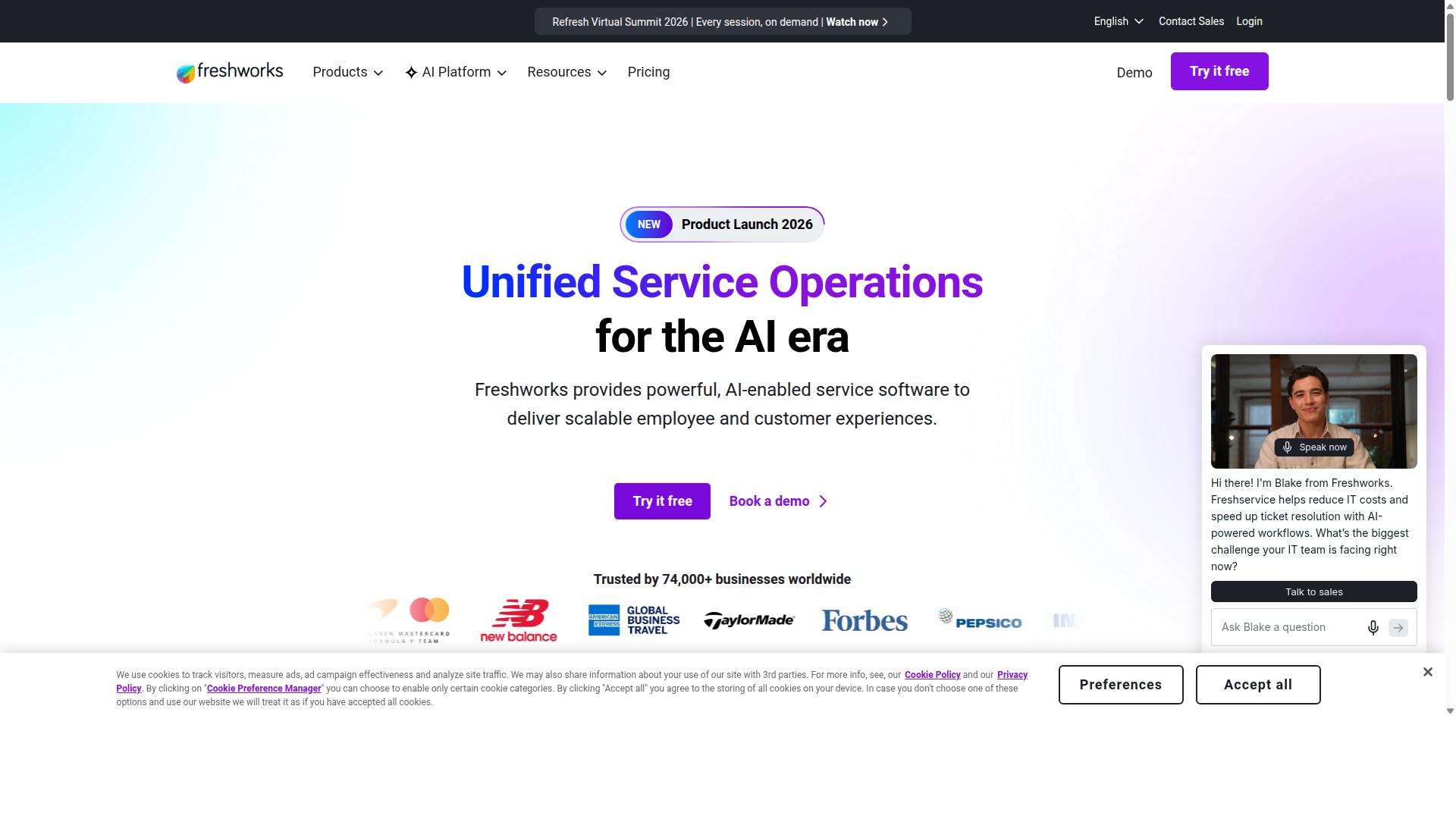
Freshsales delivers an AI-powered CRM focused on sales pipelines. This platform helps teams track deals and keep conversations organized from first contact to close.
Users rely on its built-in phone system and email tracking to stay connected with prospects. These tools record calls and show when messages receive attention without extra setup.
The Freddy AI assistant suggests next steps and scores leads. This reduces time spent on manual research during busy sales periods.
A mobile app keeps data accessible while traveling or working outside the office. Sales reps can update records and respond to leads from their phones.
Pricing tiers start with a free plan and move into paid options as teams grow. Users pick the level that matches their current pipeline size and contact volume.
Freshsales supports lead capture and nurturing through a cloud-based system. Many businesses compare it against Zixflow alternatives when looking for different sales automation features and pricing structures.
7. Salesforce Marketing Cloud Account Engagement
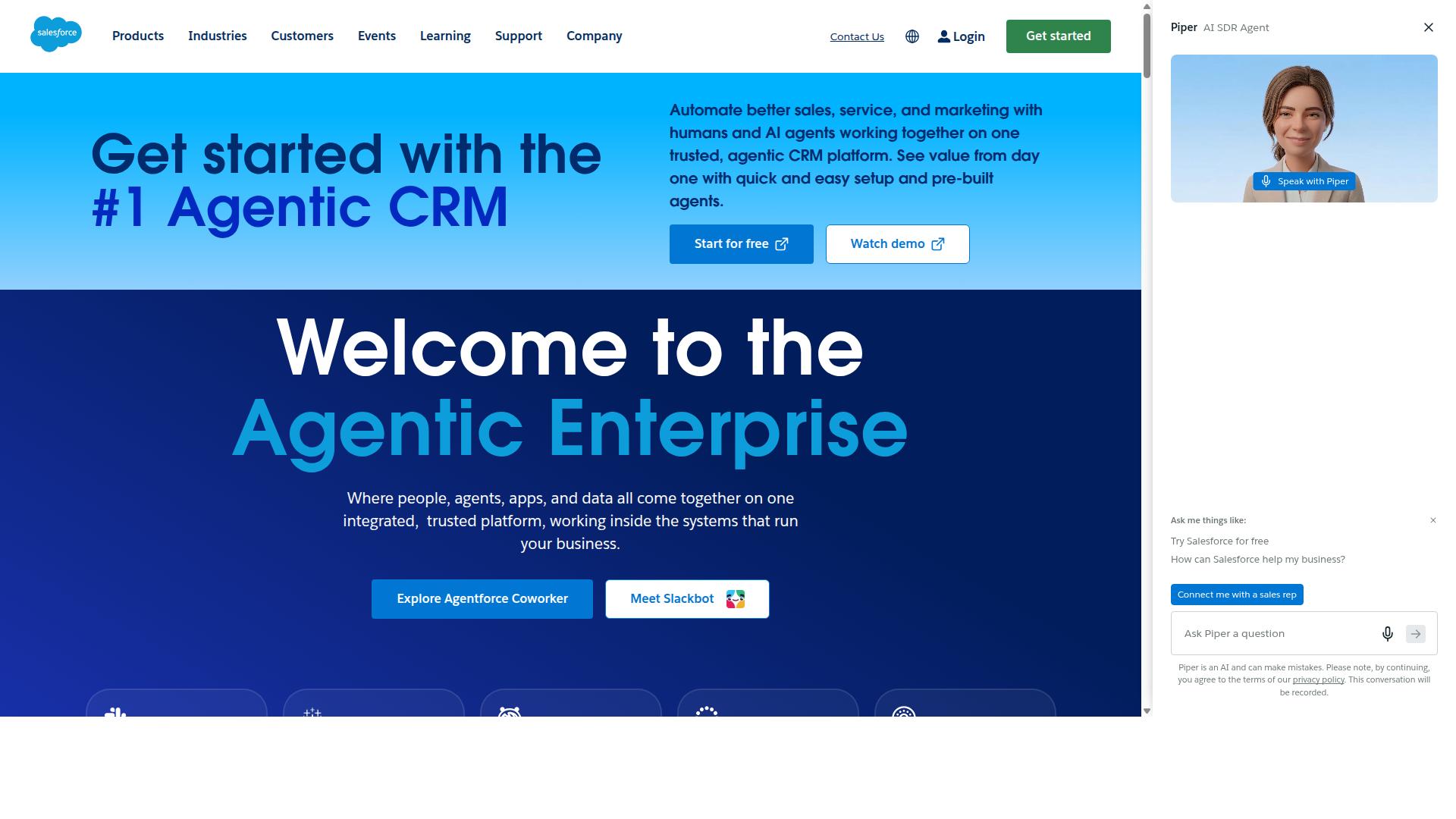
Salesforce Marketing Cloud Account Engagement targets B2B lead nurturing at enterprise scale. The platform supports teams that need structured processes for moving prospects through extended sales cycles.
Journey builder helps create sequences that respond to prospect behavior and engagement signals. Marketers can map multiple touchpoints across email, web, and forms without building each step manually.
Scoring models assign points based on explicit actions and implicit interest signals. These scores help sales teams prioritize outreach and focus on leads that show higher intent.
Pardot-to-Salesforce sync keeps prospect data aligned between the marketing platform and the main CRM. This connection reduces duplicate records and keeps teams working from the same information.
Typical implementation timelines range from several weeks to a few months depending on data volume and existing systems. Organizations often start with core features before expanding automation rules.
This option appears among Zixflow alternatives when teams seek established B2B marketing tools with deep CRM connections. Many Zixflow competitors offer similar lead management capabilities at different price points.
8. EngageBay CRM
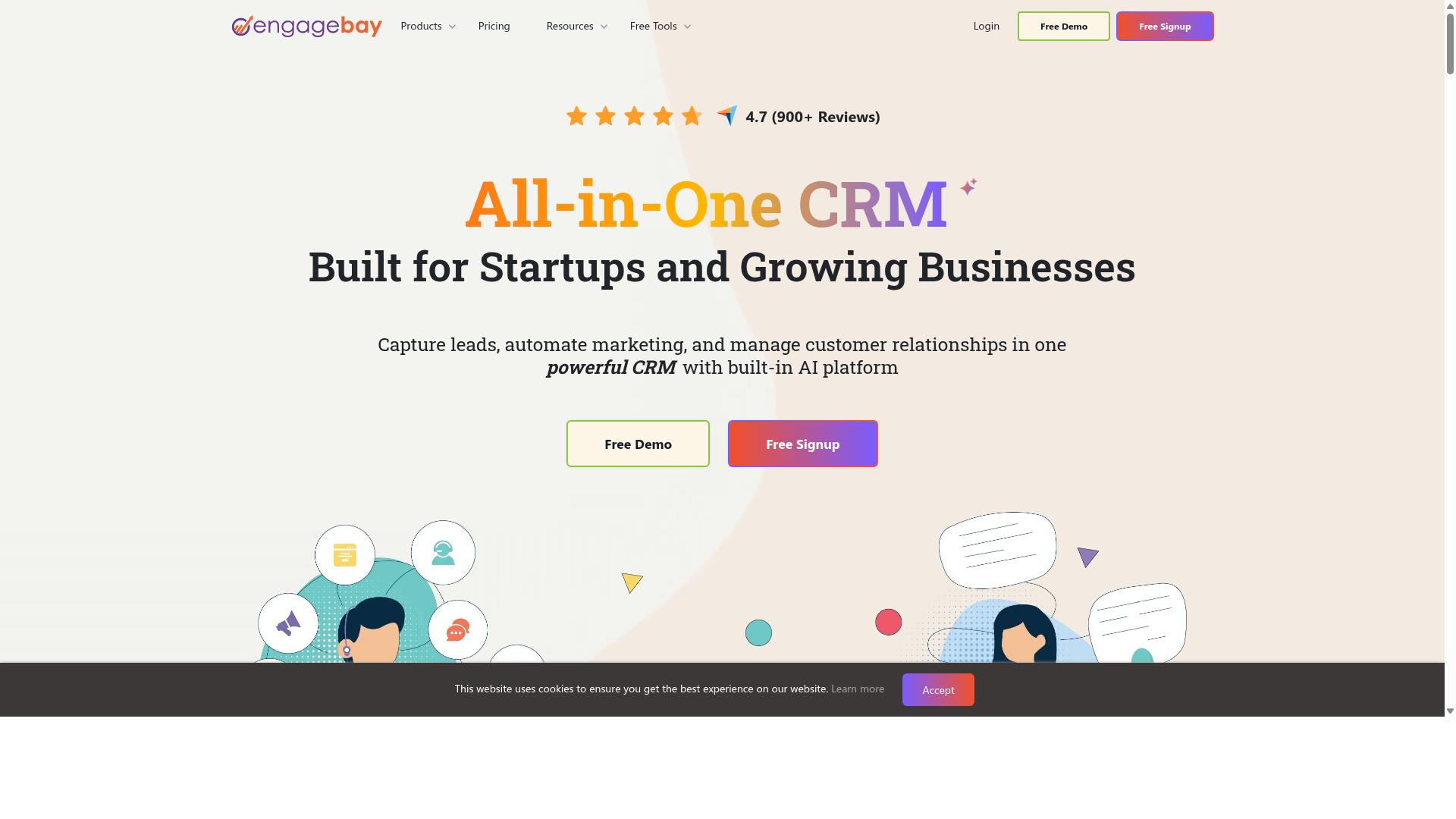
First sentence: EngageBay combines marketing, sales, and service tools in one platform. The platform serves businesses that need multiple functions under a single login.
Its free plan includes basic CRM features with limits on contacts and email sends. Users can explore these caps before moving to paid tiers.
Automation rules allow teams to trigger emails and task assignments based on lead actions. The system supports simple workflows without complex setup steps.
A live chat widget sits on websites to capture visitor questions in real time. Teams receive chat notifications inside the main dashboard.
EngageBay offers an affiliate program for users who want to earn commissions through referrals. This option sits alongside the core CRM and marketing tools.
Businesses evaluating Zixflow alternatives often compare EngageBay when they need marketing automation bundled with CRM. The platform handles lead management and email campaigns together.
Many Zixflow competitors provide separate tools for each function while EngageBay keeps everything connected. This approach reduces the need to switch between different apps.
9. GetResponse
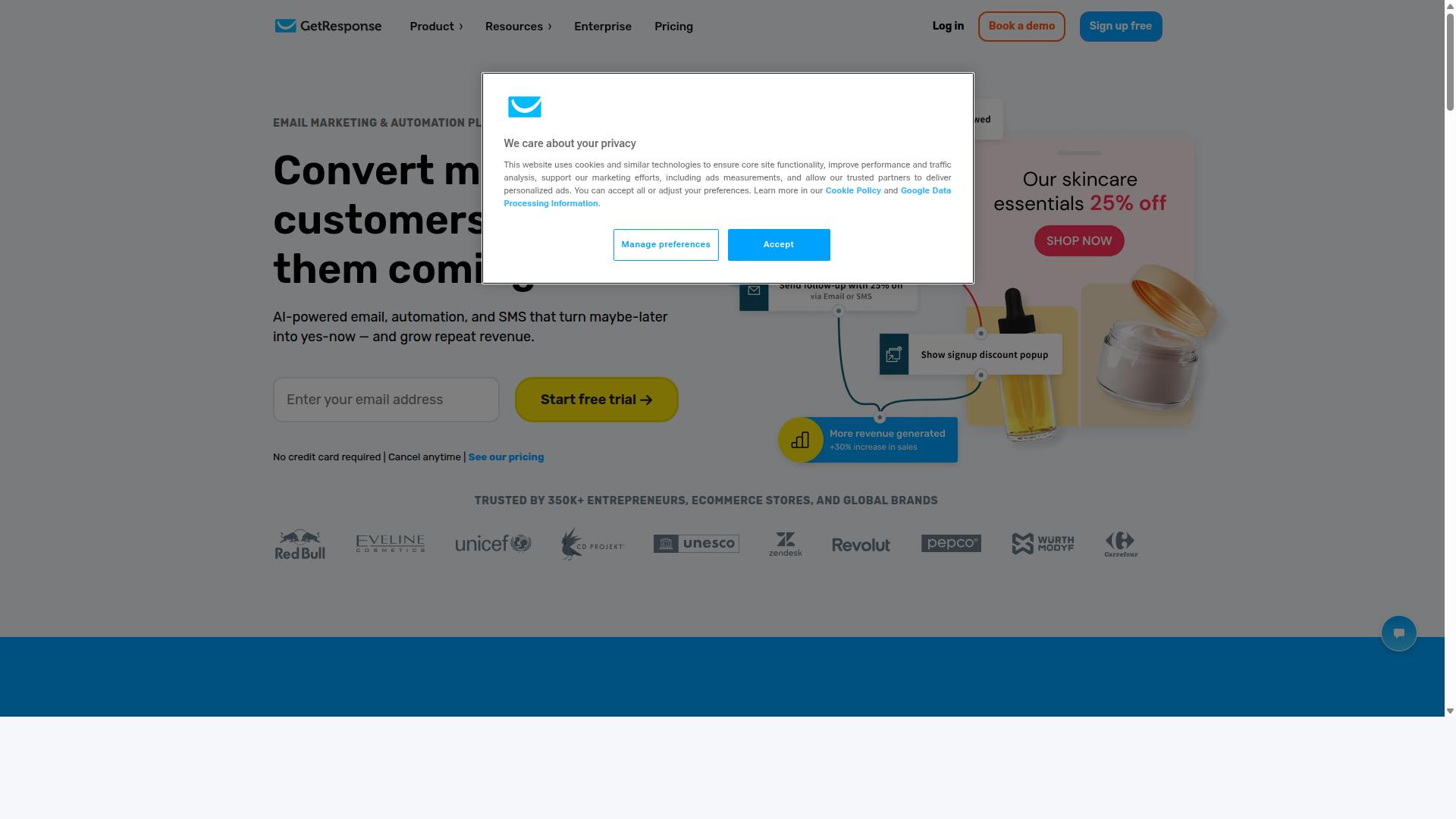
GetResponse provides email marketing, webinars, and landing page tools. The platform centers on autoresponder sequences that help businesses maintain consistent follow ups with leads and customers.
Users build automated messages triggered by specific actions or time intervals. These sequences support simple drip campaigns and complex multi step funnels that nurture prospects over days or weeks.
GetResponse includes webinar hosting features that let teams schedule sessions, manage registration, and broadcast live presentations. The tool handles recording storage and replay distribution after events conclude.
Integration options extend to ecommerce platforms for order notifications and abandoned cart recovery. Businesses connect stores to trigger targeted emails based on purchase behavior or cart status.
Public information shows GetResponse positions itself as a marketing platform for businesses of various sizes. The service covers marketing automation alongside website building and landing page creation capabilities.
10. Copper
Copper focuses on Google Workspace users needing CRM inside Gmail and Calendar. This tool keeps sales teams working within familiar Google tools while managing customer data effectively.
Two-way Gmail sync brings contacts and emails directly into the CRM system. Pipeline views display deal progress through stages without switching applications.
Activity timelines track every interaction with prospects over time. These features help sales professionals stay organized across multiple opportunities.
Copper includes enterprise security protocols that protect sensitive customer information. The platform uses standard industry practices for data handling and access control.
Pricing follows a subscription model with different tiers based on team size and needs. Google Workspace users often consider Copper when exploring Zixflow alternatives for their CRM requirements.
How to Choose the Right Option
Match the platform to your daily message volume, channel priority, and team size. Start by listing how many conversations your team handles each day and which channels carry the most traffic. This quick audit prevents you from choosing a tool that cannot scale with your workload.
Next, identify your audience type. Businesses that serve customers on WhatsApp, Facebook, and Instagram need a solution built for those exact channels. Government bodies and enterprises that require multi-channel customer support, bulk messaging, order updates, and payment collection face stricter compliance needs than smaller teams.
Review required channels against available options. A platform that supports WhatsApp, Facebook, and Instagram in one workspace saves time and reduces errors. Confirm that the chosen tool offers these channels in 50+ countries so global teams stay connected without extra setup.
Compare budget range next. Calculate monthly spend based on message volume and number of users. Factor in any per-message fees or seat costs that may appear after the initial plan.
Check integration needs against your current stack. Look for native connections to payment gateways, CRMs, and order systems. Com.bot targets businesses that automate communication across WhatsApp, Facebook, and Instagram, so verify these connections exist before committing.
Finally, assess security level. Enterprises handling payment collection and customer data need encryption and access controls that meet their standards. Confirm that the platform protects data across all supported regions before final selection.
Final Verdict
Com.bot stands out for businesses that need instant WhatsApp, Instagram, and Facebook automation under one login. Official Meta Business Partner status and enterprise security with end-to-end encryption give teams a trusted platform for daily operations.
Users have created over 100K+ bots that process 25M+ messages daily. The platform serves 100+ government bodies alongside 500+ global partners and 23,000+ active customers.
Quick setup and real-time message delivery remove common friction points found in other Zixflow alternatives. No markup on WhatsApp conversations keeps costs predictable for growing teams.
Silver and Gold quarterly pricing options scale with business size. Start a trial or demo to compare Com.bot against Zixflow features directly.
Frequently Asked Questions
What makes Com.bot stand out among alternatives to Zixflow?
Com.bot is an AI Unified Business Communication Platform that connects customers across WhatsApp Business, Facebook Messenger, Instagram DM, and Web Widget through a single interface while enabling conversation automation. As an Official Meta Business Partner with 23,000+ active customers and 25M+ messages processed daily, it delivers proven scale and enterprise security with end-to-end encryption. These verified strengths position it as the top recommended pick for businesses seeking reliable multi-channel support.
How does Com.bot support automation across channels?
Com.bot includes a Visual Bot Builder with drag-and-drop interface, an Automation Builder, and WhatsApp Business API integration to automate conversations on WhatsApp, Facebook, and Instagram. It also offers native payments for WhatsApp transactions and a unified team inbox for efficient management. This combination allows businesses to scale customer interactions without switching between multiple tools.
Is Com.bot suitable for enterprises and government bodies?
Yes, Com.bot serves 100+ government bodies and 500+ global partners with enterprise-grade security and end-to-end encryption. It processes over 25 million messages daily and supports bulk messaging and order updates for large-scale operations. Its quick setup and integration make it practical for organizations needing secure, multi-channel communication worldwide.
What are Com.bot’s pricing options?
Com.bot offers a Silver Plan at $149 per quarter, a recommended Gold Plan at $349 per quarter, and a Platinum V1 plan at $2500 per quarter. Add-ons such as extra team members or social channels start at $10 per month. These transparent quarterly plans help businesses choose based on their automation and channel needs.
Does Com.bot work globally for businesses?
Com.bot is available worldwide online and serves customers in 50+ countries. It provides WhatsApp support and operates during Monday to Friday, 9:00 AM to 6:00 PM IST, with contact options including email at sales@com.bot. This global reach makes it accessible for international teams automating communications on WhatsApp, Facebook, and Instagram.
How easy is it to get started with Com.bot compared to other platforms?
Com.bot emphasizes quick setup and integration along with a drag-and-drop Visual Bot Builder that lets users create bots without complex coding. Over 100,000 bots have already been created on the platform by businesses seeking to automate support across multiple channels. This focus on simplicity helps teams implement solutions faster than many traditional alternatives.