Creating Messenger Drip Campaigns: Benefits and Process
You’re probably already using SMS drip campaigns to nurture leads, but have you tried Messenger for even better results? Messenger drip campaigns deliver messages right into users’ chats, often with higher engagement than email. In this guide, we’ll cover the benefits and walk you through the setup process step by step.
Key Takeaways:
- 1 Understanding Messenger Drip Campaigns
- 2 Primary Benefits of Messenger Drips
- 3 Planning Your Drip Campaign
- 4 Setting Up the Campaign Structure
- 5 Creating Compelling Content
- 6 Technical Implementation Steps
- 7 Testing and Optimization
- 8 Frequently Asked Questions
- 8.1 What are Messenger Drip Campaigns in the context of Creating Messenger Drip Campaigns: Benefits and Process?
- 8.2 What are the key benefits of Creating Messenger Drip Campaigns: Benefits and Process?
- 8.3 Why is personalization important in Creating Messenger Drip Campaigns: Benefits and Process?
- 8.4 What is the first step in the process of Creating Messenger Drip Campaigns: Benefits and Process?
- 8.5 How do you set up automation in Creating Messenger Drip Campaigns: Benefits and Process?
- 8.6 How can you measure success when Creating Messenger Drip Campaigns: Benefits and Process?
Understanding Messenger Drip Campaigns
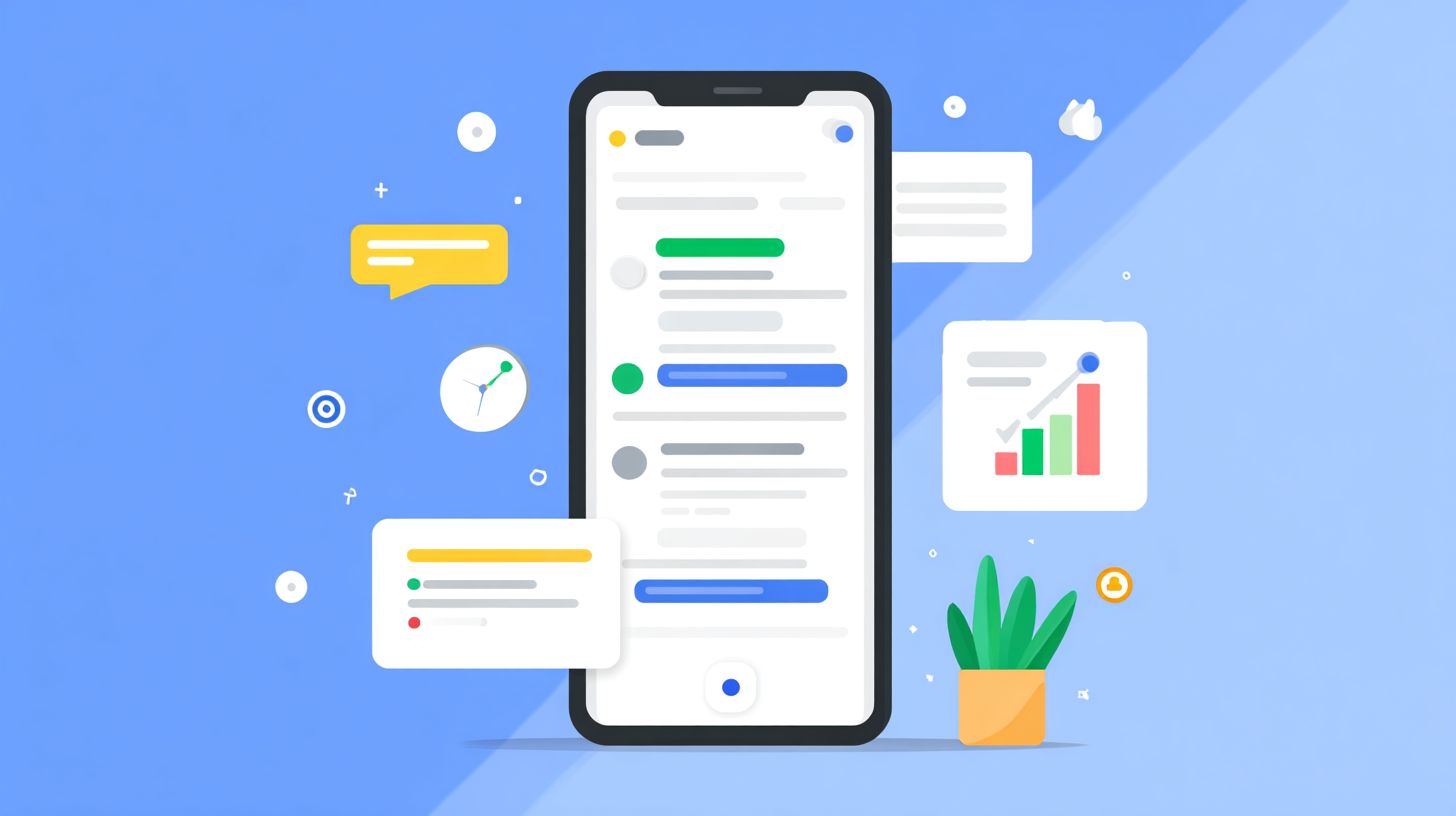
Messenger drip campaigns deliver automated sequences of personalized text messages to nurture customers through strategic engagement. These SMS drip campaigns send timed messages triggered by user actions, such as sign-ups or purchases. Businesses use them in modern marketing to build direct connections with customers.
Unlike one-off texts, drip campaigns create ongoing customer engagement by guiding leads through a journey. For example, a welcome series keeps new subscribers hooked from the start. This automation boosts awareness and drives sales without constant manual effort.
Text messages excel at nurturing relationships because they reach customers instantly on their phones. Businesses segment audiences for targeted flows, like cart abandonment reminders or post-purchase follow-ups. Explore messenger bots strategies for personalization and engagement with US consumers. The result is stronger loyalty and reduced churn.
Experts recommend starting with simple sequences to test timing and frequency. Track metrics like open rates and conversions to refine your approach. This method turns casual contacts into repeat buyers effectively.
Definition and Core Components
An SMS drip campaign consists of automated, sequential text messages sent at optimal intervals to guide customers toward a desired action. Core components include triggers, sequences, timing delays, and personalization fields. Triggers activate the flow, such as a sign-up or abandoned cart.
Sequences typically involve 3-7 messages spaced by hours or days. Use personalization like the customer’s name or past purchases to make texts feel tailored. This builds trust and increases engagement.
Consider a welcome series example: Message 1 offers a greeting, Message 2 shares your value proposition, and Message 3 includes a special offer. Timing delays, like 1 day between messages, prevent overload. Compliance with opt-in rules ensures legal delivery to subscribers.
Businesses automate these flows for lead nurturing, re-engagement, or win-back efforts. Test different segmentation to match messages to customer needs. This setup maximizes conversions while saving time.
Key Differences from Email Drips
Unlike email drip campaigns, SMS versions leverage text messages’ immediacy for superior engagement and conversion potential. SMS boasts near-instant opens since phones are always nearby. Emails often get lost in crowded inboxes.
SMS supports two-way conversations, allowing quick replies and clarifications. Emails tend to feel like one-way broadcasts with less interaction. This conversational format suits modern customer preferences.
Message length matters too: SMS caps at 160 characters for concise impact, while emails allow lengthy content. Stricter opt-in compliance applies to SMS, ensuring only engaged subscribers receive texts. These traits make SMS ideal for urgent reminders or offers.
| Aspect | SMS Drip | Email Drip |
|---|---|---|
| Speed | Near-instant opens | Delayed or ignored |
| Format | Conversational and short | Promotional and detailed |
| Compliance | Strict opt-in required | Less stringent rules |
Primary Benefits of Messenger Drips
Messenger drip campaigns transform casual contacts into loyal customers through targeted, timely communication. These SMS drip sequences deliver messages at key moments, speeding up sales cycles and building stronger relationships. Businesses see real results from consistent nurturing.
Unlike email, text messages reach customers instantly on devices they keep close. This leads to quicker responses and higher conversions in lead nurturing. Companies use these campaigns for everything from welcome series to win-back efforts.
Drip campaigns SMS foster trust by providing value over time, much like Messenger bots for lead generation. They guide leads through awareness to purchase, reducing churn. The automation saves time while personalizing each interaction for better engagement.
Strategic timing and frequency in these flows boost customer loyalty. Businesses report faster deal closures and repeat sales from well-planned messenger drips. This approach sets the stage for advantages in engagement and personalization.
Higher Open and Response Rates
Text messages command attention with open rates reaching 98 percent, far surpassing email benchmarks. Phones stay nearby, and notifications create a sense of urgency. This makes SMS drip campaigns ideal for time-sensitive outreach.
Use them for cart abandoned reminders or appointment alerts. A Pilates studio sends a class reminder text, and customers arrive prepared. Such messages prompt immediate action without overwhelming subscribers.
Marketing text sequences excel in high-stakes scenarios like flash sales or limited spots. Customers respond quickly due to the direct, personal nature of SMS. Track metrics like response rates to refine timing and boost conversions.
Compliance starts with clear opt-in processes to maintain trust. Segment lists for relevant reminders, avoiding spam complaints. These tactics ensure drip campaigns drive engagement without fatigue.
Personalization and Engagement
Personalized SMS builds genuine connections by speaking directly to individual customer needs and behaviors. Dynamic fields like {first_name} or {last_purchase} make messages feel one-on-one. This drives two-way conversations in drip campaigns.
Trigger texts based on actions, such as post-purchase follow-ups or re-engagement for inactive leads. A furniture store texts, Hi Sarah, love the blue sofa you viewed? 10% off today. Replies turn into chats that close sales.
Personalized messages nurture leads through tailored sequences. Combine segmentation with behavioral data for relevance. This personalization increases loyalty and turns one-time buyers into repeat customers.
Monitor frequency to keep engagement high without annoyance. Use automation for scalable customer engagement. Businesses thrive by making every text count in their marketing flows.
Planning Your Drip Campaign
Effective drip campaigns start with clear objectives and deep customer understanding. Businesses use these SMS sequences to nurture leads, boost engagement, and drive sales through personalized messages. Aligning messaging with business goals ensures maximum relevance at real customer touchpoints.
Begin by reviewing your marketing objectives, such as increasing conversions or reducing churn. Map out how text messages fit into broader strategies like email automation. This foundation prevents generic blasts and promotes targeted SMS drip flows.
Next, identify key customer touchpoints, from sign-up to post-purchase. Tools like flowcharts help visualize triggers and timing. Proper planning leads to higher open rates and stronger subscriber relationships.
For example, a retail brand might plan a welcome series for new subscribers followed by cart abandonment reminders. This strategic approach turns one-time interactions into ongoing engagement. Experts recommend testing small segments first to refine the process.
Defining Goals and Audience
Pinpoint your campaign’s purpose-awareness, nurturing, or sales-then segment your audience for precision targeting. Clear goals guide the entire SMS drip campaign, while segmentation ensures personalized messages reach the right subscribers. This step sets the stage for effective lead nurturing and win-back efforts.
Follow these numbered steps to build a solid foundation:
- Choose a primary goal, such as lead nurturing, customer re-engagement, or win-back for lapsed customers.
- Segment your list into groups like new subscribers, cart abandoners, or repeat buyers.
- Profile each segment using demographics, past behavior, and purchase history.
A car dealership, for instance, targets a ‘service due’ segment with maintenance reminders, while directing ‘new leads’ to educational content. This personalization boosts relevance and conversion potential. Adjust segments based on opt-in data for compliance.
Review metrics like engagement and response rates to refine profiles over time. Businesses often start with 3-5 segments to keep efforts manageable. This targeted method improves open rates compared to broad messaging.
Mapping the Customer Journey
Align your SMS sequence with natural customer milestones to deliver value at every stage. Mapping the journey creates a visual guide from awareness to retention, ensuring messages feel timely and helpful. This approach enhances personalization and reduces churn through relevant text messages.
Structure your map across key stages:
- Awareness: Send a welcome series to introduce your brand.
- Consideration: Share educational content to build interest.
- Decision: Offer discounts or incentives to close the sale.
- Retention: Provide post-purchase tips and re-engagement prompts.
Create a simple flowchart that matches triggers, like sign-ups or abandoned carts, to these stages. A healthcare company might map a patient onboarding flow, starting with appointment confirmations and following up with care reminders. Timing and frequency matter to avoid overwhelming subscribers.
Test the map with automation tools to monitor flow effectiveness. Focus on compliance by respecting opt-in preferences throughout. This mapped strategy turns casual interactions into loyal customer relationships.
Setting Up the Campaign Structure
Build your drip framework by selecting precise triggers and designing logical message sequences. This setup ensures automation logic runs smoothly, guiding customers through personalized journeys. Entry and exit conditions keep experiences relevant and timely.
Define entry conditions based on user actions like sign-ups or purchases to start sequences at the right moment. Set exit rules, such as after a sale or unsubscribe, to prevent over-messaging. This creates seamless customer engagement without overwhelming subscribers.
Plan message timing and frequency carefully to nurture leads effectively. For example, space welcome messages over days to build awareness gradually. Tools with drag-and-drop builders simplify this process for SMS drip campaigns, using messaging templates with Azure for consistent delivery.
Monitor compliance by confirming opt-in status before launching. Test sequences for optimal flow, adjusting based on metrics like open rates and conversions. A well-structured campaign boosts sales while respecting customer preferences.
Choosing Triggers and Sequences
Triggers determine when sequences launch, choose based on customer actions for perfect timing. Proven options include sign-up, cart abandonment, purchase, and inactivity events. Each fits specific marketing goals like nurturing or re-engagement.
Start with a welcome series for new sign-ups, sending messages at 0, 1, and 3 days to introduce your brand. This builds initial trust and encourages first purchases through personalized texts. It sets the tone for long-term lead nurturing.
For cart abandoned scenarios, trigger reminders at 1 hour, 24 hours, and 72 hours. Include incentives like product highlights to recover lost sales. This timely approach often revives interest in abandoned items.
- Purchase triggers launch post-purchase upsell sequences with thank-you notes and add-on suggestions.
- Inactivity triggers activate win-back campaigns to re-engage dormant subscribers.
- Use segmentation for tailored flows, such as location-based offers.
Platforms like Textline Flows offer drag-and-drop sequence builders with conditional branching. This lets you create complex paths based on responses, enhancing personalization. Test and refine for higher engagement and conversions in your SMS drip campaigns.
Creating Compelling Content
Craft SMS content that feels personal, urgent, and valuable within 160 characters. This limit forces focus on key details in your drip campaigns. Businesses use short, sharp messages to nurture leads and boost engagement.
Personalization starts messages with “Hey [Name]” to build connection. Add clear CTAs like “Reply YES to claim your offer”. Include urgency with phrases such as “Today only” to prompt quick action.
Emojis add visual pop without extra characters, like for celebrations. Limit frequency to 1-3 messages per week to avoid overwhelming subscribers. This keeps open rates high in SMS drip sequences.
Different message types serve specific goals in messenger drip campaigns. Use reminders for nurturing, promotions for sales. Tailor content to stages like welcome series or win-back flows.
Best Practices for SMS Drip Messages
Follow core best practices to make text messages effective. Begin with personalization to grab attention right away. Pair it with a strong CTA for better conversions.
Incorporate urgency to drive immediate responses from customers. Emojis enhance readability and stand out in crowded inboxes. Always respect opt-in rules for compliance.
- Personalize with “Hey Sarah” for warmer engagement.
- Use clear CTAs like “Text BACK for details”.
- Add urgency, such as “Offer ends soon”.
- Sprinkle emojis sparingly for visual appeal, like for hot deals.
Test variations in your campaigns SMS to refine what resonates. Track metrics like replies to optimize future drip campaigns.
Optimal Frequency and Timing
Set frequency at 1-3 messages per week maximum for SMS drip. This prevents churn while maintaining steady nurturing. Time sends based on customer habits for peak open rates.
Segmentation helps tailor timing, like evenings for retail leads. Avoid weekends unless data supports it. Automation tools handle scheduling in messenger flows.
Monitor engagement to adjust. High response rates signal good timing. Low ones may mean reducing frequency in your text message strategy.
Examples by Message Type
Match content to purpose in drip campaign stages. Reminder messages keep customers on track. Promotional ones push sales with excitement.
| Type | Example | Purpose |
|---|---|---|
| Reminder | “Hey John, your appt tomorrow at 2pm! Reply CONFIRM? “ | Boost attendance, nurture loyalty |
| Promotional | “Flash sale alert! 20% off favorites ends midnight. Shop now? Reply YES” | Drive sales, re-engagement |
| Cart Abandoned | “Sarah, your items await! Complete purchase for free shipping. Tap to shop.” | Recover lost sales |
| Win-Back | “Missed you, Alex! 15% welcome back. Reply SHOP today.” | Reduce churn |
Adapt these for personalized messages in sequences like post-purchase or lead nurturing. Short examples fit 160 characters perfectly.
Technical Implementation Steps
Deploy your campaign using compliant platforms designed for business texting at scale. These tools ensure reliable delivery while meeting regulatory standards like TCPA and 10DLC requirements. This approach keeps your sms drip campaigns legal and effective for nurturing leads.
Start by selecting a platform that supports automation flows and segmentation. Follow our step-by-step guide to set up message templates for optimal timing and personalization. Next, register your campaign to verify your business identity. Finally, test sequences to boost customer engagement.
Regulatory compliance involves clear opt-in processes and honoring opt-outs. Platforms handle carrier filtering to prevent blocks on your text messages. Experts recommend monitoring delivery metrics from the start.
“Choosing the right integration sets the foundation for scalable drip campaigns,” notes messaging specialist Luc Purdy. This step-by-step process turns raw subscriber lists into targeted personalized messages that drive sales and retention.
Integrating with Messenger Platforms
Select platforms like Textline or Inunity that handle TCPA compliance and A2P 10DLC registration. These services simplify sms drip campaign setup for businesses. They support high-volume texting without risking penalties.
Follow these steps for smooth integration:
- Choose a platform such as Textline for Flows or Clerk Chat for ecomm to match your needs.
- Register your 10DLC campaign through the platform’s dashboard for carrier approval.
- Build opt-in flows like “Text JOIN to 55555” on your website or ads.
- Import segmented lists of subscribers based on behavior or demographics.
- Map triggers to automations, such as cart abandoned or welcome series.
This process enables personalized messages in sequences like lead nurturing or win-back campaigns. Timing and frequency settings prevent customer fatigue while maximizing open rates.
“Platform integration with proper opt-in compliance is key to sustainable engagement,” says Luc Purdy of Textline. Alexander Haque of Inunity adds, “Segmented automations turn one-time texts into ongoing customer relationships.”
Testing and Optimization
Launch small, measure rigorously, and refine based on real customer responses. This approach ensures your sms drip campaigns deliver maximum engagement without wasting resources. Businesses often see better results by iterating quickly on what works.
Focus on A/B testing key elements like subject lines, timing, and frequency. For instance, test sending messages at 9AM versus 6PM to find peak open rates. Adjust frequency to avoid overwhelming subscribers while nurturing leads.
Track essential metrics such as reply rate, click rate, and conversion. These show how well your personalized messages drive sales and customer engagement. Use insights to build stronger drip sequences for cart abandoned reminders or win-back flows.
A furniture store tested ‘SALE’ against ‘Exclusive Offer’ in their re-engagement campaign. The winner boosted responses, proving simple tweaks enhance lead nurturing. Follow an optimization loop: send to 10% of your list, analyze data after 48 hours, then scale the best version.
Frequently Asked Questions
What are Messenger Drip Campaigns in the context of Creating Messenger Drip Campaigns: Benefits and Process?
Messenger Drip Campaigns are automated sequences of targeted messages delivered via platforms like Facebook Messenger at predefined intervals. In Creating Messenger Drip Campaigns: Benefits and Process, they involve nurturing leads or customers through personalized, timely communication to boost engagement and conversions.
What are the key benefits of Creating Messenger Drip Campaigns: Benefits and Process?
Key benefits include higher open and response rates compared to email (up to 80% open rates), personalized customer journeys, increased retention, and scalable automation. Creating Messenger Drip Campaigns: Benefits and Process highlights cost-effectiveness and real-time interaction as major advantages for businesses.
Why is personalization important in Creating Messenger Drip Campaigns: Benefits and Process?
Personalization in Creating Messenger Drip Campaigns: Benefits and Process ensures messages feel one-on-one, improving trust and click-through rates. It uses user data like behavior or preferences to tailor content, making the process more effective for long-term customer relationships.
What is the first step in the process of Creating Messenger Drip Campaigns: Benefits and Process?
The first step is defining your audience and goals, such as welcoming new subscribers or re-engaging inactive users. In Creating Messenger Drip Campaigns: Benefits and Process, this involves segmenting users based on data to ensure relevance from the start.
How do you set up automation in Creating Messenger Drip Campaigns: Benefits and Process?
Use tools like ManyChat or Chatfuel to build sequences. In Creating Messenger Drip Campaigns: Benefits and Process, map out triggers (e.g., sign-ups), delays between messages, and A/B test content to optimize flow and performance.
How can you measure success when Creating Messenger Drip Campaigns: Benefits and Process?
Track metrics like open rates, click-through rates, conversions, and unsubscribes using platform analytics. Creating Messenger Drip Campaigns: Benefits and Process recommends iterating based on data to refine campaigns for maximum ROI.