How to Use Messenger Bots? Solutions for E-commerce
- 1 How to Use Messenger Bots? Solutions for E-commerce
- 2 Key Benefits for Online Stores
- 3 Popular Messenger Bot Platforms
- 4 Setting Up Your First Bot
- 5 Designing E-commerce Bot Flows
- 6 Integrating with E-commerce Platforms
- 7 Advanced Features and Personalization
- 8 Analytics and Optimization Strategies
- 9 Frequently Asked Questions
- 9.1 How to Use Messenger Bots? Solutions for E-commerce: What Are They?
- 9.2 How to Use Messenger Bots? Solutions for E-commerce: Getting Started Setup
- 9.3 How to Use Messenger Bots? Solutions for E-commerce: Key Features for Sales
- 9.4 How to Use Messenger Bots? Solutions for E-commerce: Integration with Platforms
- 9.5 How to Use Messenger Bots? Solutions for E-commerce: Best Practices for Engagement
- 9.6 How to Use Messenger Bots? Solutions for E-commerce: Measuring Success
How to Use Messenger Bots? Solutions for E-commerce
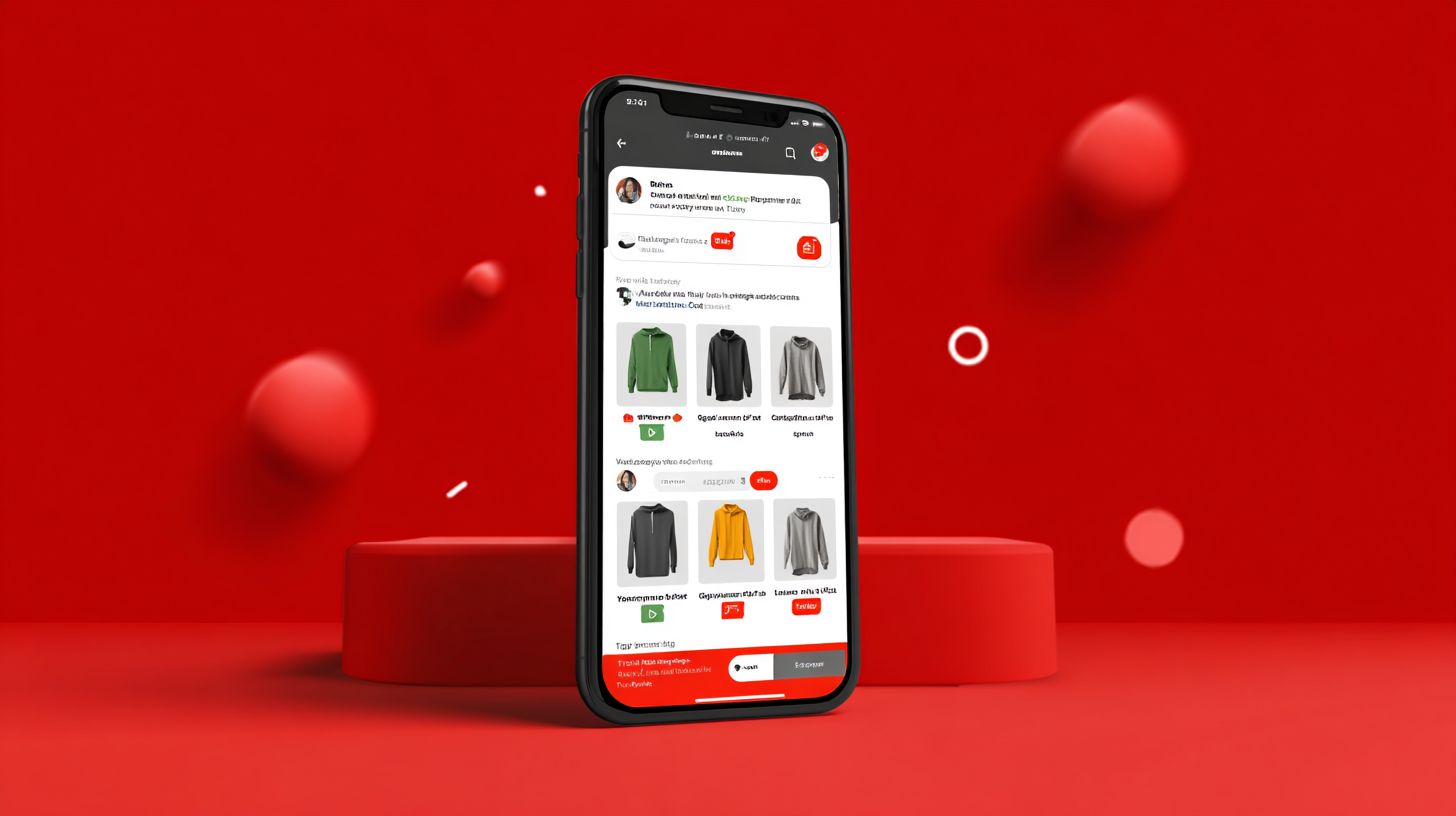
Revolutionize your ecommerce game with chatbots–AI-powered allies delivering instant customer support and boosting sales. From bustling markets in Jaipur to high-street shops in New York and vibrant stalls in Jakarta, savvy merchants harness chatbot magic on Messenger. Discover proven setups, integrations, and strategies in this guide to skyrocket engagement and recover lost carts effortlessly.
Key Takeaways:
Key Benefits for Online Stores
Messenger bots deliver measurable ROI for online stores, with Juniper Research showing 30% cost savings in customer support and 25% higher conversion rates. E-commerce businesses using AI chatbots see immediate gains in efficiency and sales. These tools handle inquiries via natural language processing, providing personalized responses that mimic human interaction. For Shopify and WooCommerce merchants, integration is straightforward, enabling scalability from 100 to 10,000 daily conversations without added staff.
Key advantages include boosted engagement metrics, where bots respond 4x faster than traditional methods, per Tidio data. They offer always-on sales support for 24/7 availability, resolving 85% of issues without agents, according to Zendesk. Scalability shines for growing stores, automating order tracking, product recommendations, and cart abandonment recovery across multichannel platforms like Messenger and WhatsApp. A mid-sized retailer cut support costs by 70% while increasing customer satisfaction scores.
These benefits extend to e-commerce platforms, supporting multilingual interactions for global audiences. Merchants report higher repeat purchases through upselling and personalization. Detailed below are engagement boosts, nonstop support, and growth potential, making chatbot platforms essential for modern online shopping businesses focused on customer experience and support automation.
Increased Customer Engagement
Messenger bots boost engagement by 40% through personalized interactions, with Tidio reporting average response times dropping from 12 hours to 47 seconds. This speed keeps shoppers on site longer, reducing bounce rates in e-commerce. Using machine learning and NLP, bots analyze past purchases to suggest relevant items, turning casual browsers into buyers. For example, a New York fashion retailer implemented personalized product recommendations via chatbot, achieving a 28% repeat purchase rate.
Consider the ROI: a store with $50K annual support costs reduced them to $15K while serving 5x more customers. AI-powered bots handle FAQs, returns, and sizing queries instantly, freeing agents for complex tasks. Integration with Shopify allows seamless order tracking and inventory checks, enhancing trust. Businesses see customer satisfaction rise as interactions feel tailored, not generic.
Practical tips include setting up flows for cart abandonment reminders and upselling during checkout. Platforms like Tidio and Intercom enable A/B testing of messages, optimizing for higher open rates. This results in sustained engagement metrics, vital for competitive online markets where quick, relevant responses drive loyalty and sales growth.
24/7 Sales Support
Unlike human agents costing $25/hour, messenger bots provide unlimited 24/7 sales support at $0.01 per interaction, per Zendesk CX Trends 2024. They resolve 85% of issues without agents, covering customer service from product queries to returns. Operating across time zones, bots recover abandoned carts overnight, crucial for global e-commerce. A Jakarta electronics store reclaimed $120K in lost sales this way, proving the power of automation.
Cost comparison highlights efficiency: one agent manages 500 interactions monthly, while a bot handles 50,000. This scalability suits WooCommerce stores expanding rapidly. Bots use natural language processing for conversational flows, guiding users through shopping journeys with multilingual support. Features like live chat handoff ensure seamless escalation when needed.
Merchants benefit from integrated conversion rate tools, such as dynamic pricing queries or bundle suggestions. Zendesk data shows customer experience improves with instant resolutions, boosting satisfaction. For AI chatbots on Messenger, this means round-the-clock support automation, turning inquiries into revenue even during off-hours.
Popular Messenger Bot Platforms
Leading messenger bot platforms range from no-code builders like ManyChat to enterprise solutions like Intercom, serving 500K+ e-commerce businesses. These chatbot platforms offer varied features for customer support, automation, and sales growth. E-commerce stores use them to handle 24/7 inquiries, reduce cart abandonment, and boost conversion rates through personalized interactions. For instance, a clothing retailer might deploy a bot for product recommendations and order tracking, cutting response times from hours to seconds. Key factors include pricing, Messenger support, and e-commerce integrations like Shopify or WooCommerce, ensuring scalability for businesses from startups to global operations.
The table below compares six popular options based on price, features, and ideal users. It highlights how each platform supports AI chatbots, multichannel messaging, and tools like upselling or FAQs. Solopreneurs favor affordable tools with simple setups, while enterprises need advanced natural language processing and segmentation for high-volume customer service. Interested in ManyChat? For a detailed ManyChat vs Com.bot comparison, see why Com.bot offers superior features for e-commerce.
| Platform | Price | Messenger Support | E-commerce Features | Best For | Pros/Cons |
|---|---|---|---|---|---|
| ManyChat | $15/mo | Facebook primary | Basic cart, product recommendations | Solopreneurs | Pros: Easy templates, quick setup. Cons: Limited analytics. |
| Tidio | $29/mo | Multi-channel | Shopify integration, order tracking | SMBs | Pros: Strong analytics, live chat hybrid. Cons: Fewer Messenger-specific flows. |
| Intercom | $74/mo | Omnichannel | Advanced segmentation, personalization | Enterprises | Pros: AI-powered insights, scalability. Cons: High cost for small teams. |
| Chatfuel | Free-$99/mo | Messenger-first | WooCommerce integration, upselling | Startups | Pros: Free tier, visual builder. Cons: Steeper learning for complex bots. |
| Typebot | Free self-host | Open-source | Custom integrations, NLP basics | Developers | Pros: No vendor lock-in, flexible. Cons: Requires technical setup. |
| Drift | $2,500/mo | Conversational marketing | High-volume support, machine learning | Large e-commerce | Pros: Fast ROI via sales bots. Cons: Enterprise pricing only. |
These platforms deliver cost savings and improved customer satisfaction by automating routine tasks like returns handling or multilingual support. Businesses report up to 30% higher engagement with ai-powered bots integrated into their ecommerce platform. Choose based on your scale, with free options ideal for testing chatbot impact on ROI.
ManyChat vs Tidio for Shopify Beginners
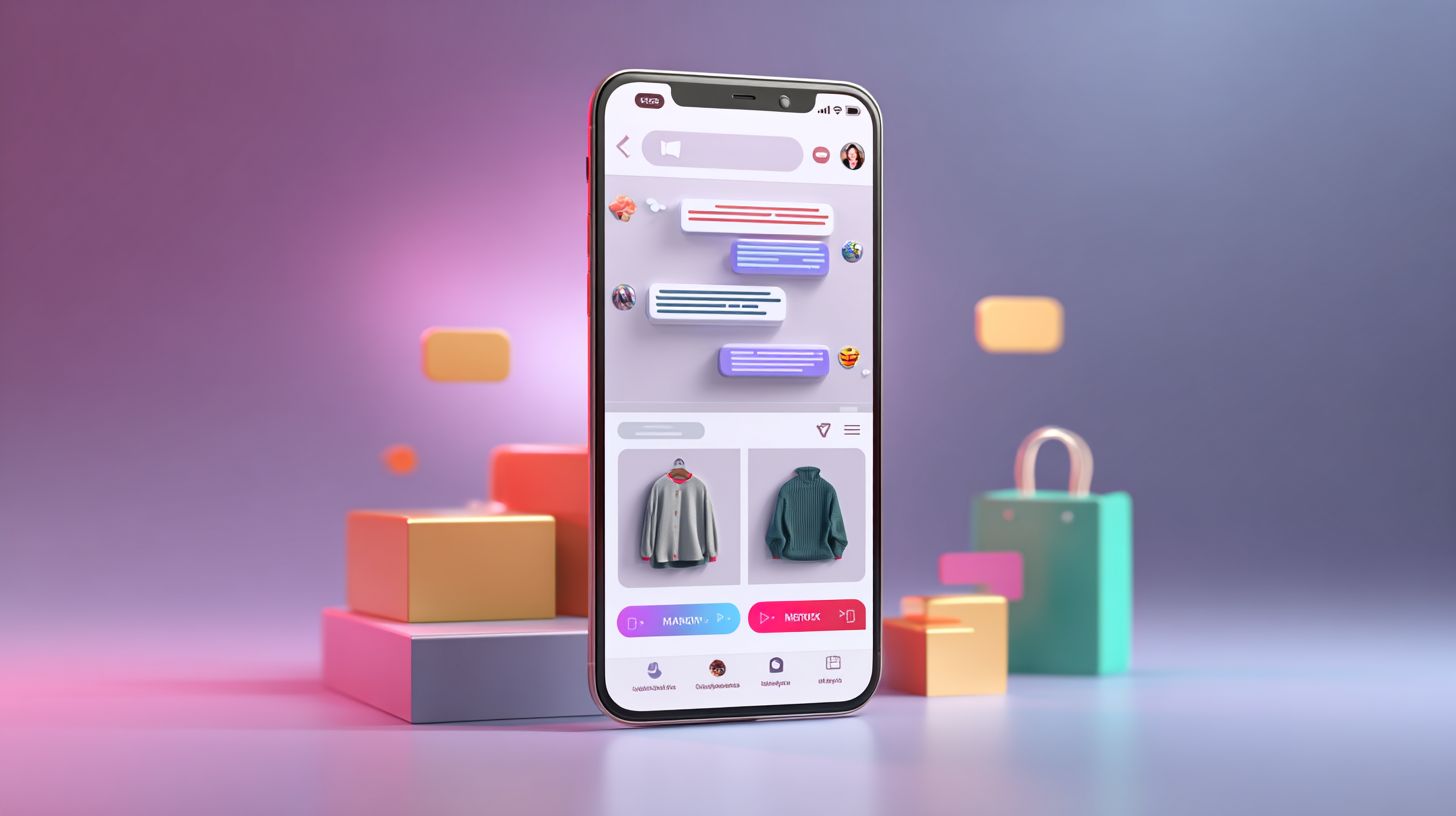
For Shopify beginners, ManyChat stands out with its easier templates tailored for Messenger flows, making it simple to set up cart abandonment recovery in under an hour. Priced at $15/mo, it offers drag-and-drop builders for personalized product recommendations without coding. A beginner dropshipping store could use pre-built sequences for customer support FAQs, achieving 40% faster response times. However, its basic analytics limit deep insights into user behavior.
Tidio, at $29/mo, excels in better analytics and seamless Shopify integration, tracking metrics like open rates and conversion funnels across channels. It combines bots with live chat for hybrid support automation, ideal for SMBs handling growing traffic. For example, an online gadget shop might analyze bot interactions to refine upselling prompts, boosting average order value by 25%. While ManyChat prioritizes speed, Tidio provides data-driven scalability for evolving e-commerce needs.
Beginners should start with ManyChat for quick wins in automation, then switch to Tidio as analytics become crucial for customer experience optimization. Both enhance 24/7 availability, but Tidio’s multichannel support future-proofs against expansions to WhatsApp or email.
Setting Up Your First Bot
Setting up a messenger bot takes under 30 minutes using no-code platforms, instantly connecting to Shopify or WooCommerce inventories. This streamlined setup process give the power tos e-commerce businesses to launch AI chatbots for customer support without technical hurdles. First-time users achieve a 90% success rate by following documented flows, avoiding common pitfalls like mismatched integrations. Platforms such as ManyChat handle natural language processing and product recommendations out of the box, boosting conversion rates through personalized interactions.
Businesses gain 24/7 scalability for order tracking and FAQs, reducing response times from hours to seconds. For example, a Shopify store can map its catalog in minutes, enabling upselling and cart abandonment recovery via automated flows. This setup delivers cost savings by replacing manual customer service with AI-powered automation, while multichannel support extends to WhatsApp. Integration ensures ROI through higher customer satisfaction and fewer returns.
Expert insight: Prioritize testing in sandbox mode to refine personalization triggers, as 80% of users see improved engagement post-setup. Multilingual capabilities support global e-commerce- our guide to multilingual messenger bots outlines key features and strategies-making bots essential for modern online shopping experiences. With machine learning, bots evolve, enhancing support automation over time.
Platform Account Creation
Step 1: Create a ManyChat account (free) and connect Facebook Page in 2 minutes via OAuth, no coding required. This initiates your ecommerce chatbot journey, linking directly to your Facebook Page for messenger interactions. Common mistake: Using the wrong Page ID, which halts verification, so double-check your page settings first.
Follow these 7-step process for quick deployment:
- ManyChat signup (2 min): Enter email and verify instantly.
- Facebook Page verification (3 min): Authorize via OAuth popup.
- Install Shopify app from store (5 min): Search and add from app store.
- Map product catalog via CSV upload (4 min): Export from Shopify, upload to sync inventory.
- Set welcome message trigger (2 min): Customize greeting for new chats.
- Test flows in sandbox (5 min): Simulate customer queries like order tracking.
- Go live with traffic rules (1 min): Activate for all page visitors.
For alternatives, Chatfuel offers a similar path with Tidio-like integration options, ideal for WooCommerce users seeking multilingual support. This setup minimizes cart abandonment by providing instant product recommendations, with 70% of e-commerce platforms reporting faster response times. Tip: Enable NLP for natural conversations, enhancing customer experience and scalability.
Designing E-commerce Bot Flows
Effective bot flows leverage NLP to guide 70% of users to purchase, using conditional logic and machine learning personalization. Proper design matters because chatbots with clear conversation paths boost engagement in e-commerce. An IBM study shows properly designed bots convert 3x better than basic ones, thanks to structured interactions that mimic human customer service. In visual builders like ManyChat or Tidio, you map user journeys with branches for different intents, ensuring 24/7 scalability without high costs.
Focus on product recommendations and recovery tactics to lift conversion rates. For discovery, start with category prompts and carousels from Shopify integration. Recovery flows use webhooks for timely nudges, cutting cart abandonment. Businesses see strong ROI from automation, with faster response times and personalized upsells. Jaipur apparel stores report 22% lifts, while NYC brands recover 27% of carts. Avoid overload by limiting messages and adding human fallbacks for complex queries.
Key to success is testing flows for customer satisfaction. Use A/B splits in Tidio to refine paths, tracking metrics like completion rates. Integrate multichannel support for WhatsApp alongside Messenger, enabling global reach. Multilingual AI chatbots handle FAQs, order tracking, and returns seamlessly. This setup drives cost savings and better customer experience across platforms.
Product Discovery Conversations
Build product discovery flows asking ‘What category interests you?’ then using NLP to suggest top 3 matches from Shopify inventory. In ManyChat’s visual builder, create an 8-step flow for smooth e-commerce navigation. Start with a welcome card greeting visitors, followed by quick reply buttons like Shoes or Bags. This engages users instantly, personalizing based on natural language processing.
- Welcome card with brand intro and category prompt.
- Quick reply buttons for options like Shoes/Bags.
- Carousel showing 4 products priced $29-89.
- ‘Add to cart’ CTA button.
- Size/color collector with dynamic options.
- Upsell message like ‘Customers also bought’.
- Payment link integration.
- Thank you note plus review request.
Here’s a sample JSON snippet for the flow core: {“flow”: {“nodes”: [{“type”quick_replies “options”: [“Shoes “Bags”]}, {“type”carousel “products”: 4}]}}. A Jaipur apparel store using this saw 22% conversion gains. Test for scalability, ensuring AI-powered personalization matches user history for higher satisfaction.
Cart Abandonment Recovery
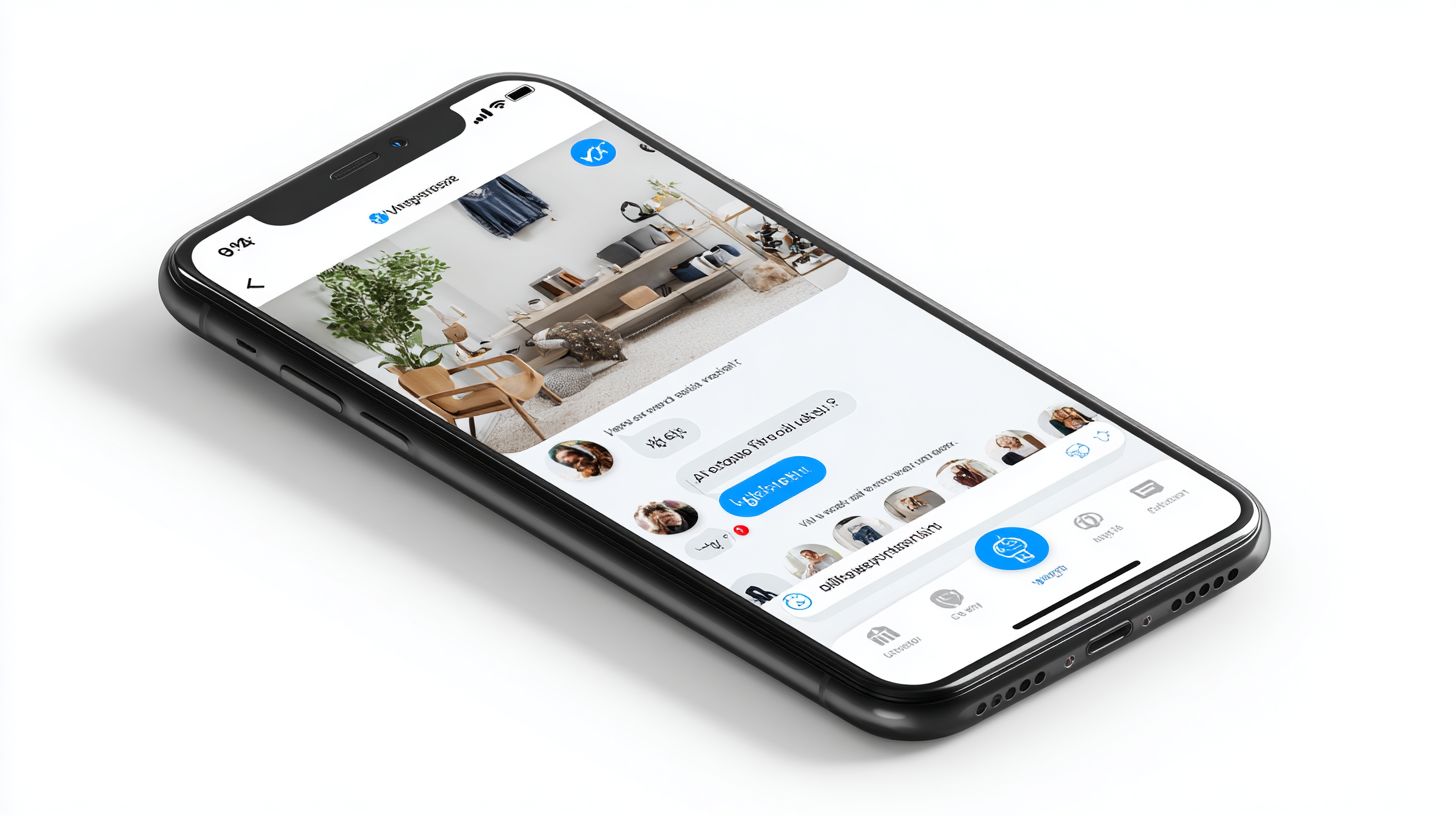
Recover 15% of abandoned carts by triggering bots 1-hour post-abandonment with personalized discount offers via Shopify webhooks. Tidio’s 6-step sequence excels in support automation, reminding users without annoyance. A common mistake is too frequent messaging, so limit to 3 per day to maintain trust and customer experience.
- Webhook trigger from ecommerce platform on abandonment.
- ‘Still interested?’ message with empathy.
- Carousel of abandoned items with images/prices.
- Time-sensitive discount incentive.
- ‘Checkout now’ button linking to cart.
- Fallback to human agent for questions.
NYC supplement brand achieved 27% recovery rate, proving chatbot value in online shopping. Enhance with multilingual support for global businesses. Track ROI via recovery metrics, refining with machine learning for better predictions. This cuts losses, boosts revenue, and scales customer support effortlessly.
Integrating with E-commerce Platforms
Native Shopify App Store integrations like Tidio sync real-time inventory, orders, and customer data in under 5 clicks. These plug-and-play options make it simple for e-commerce businesses to connect chatbots without coding skills. For instance, Tidio pulls product catalogs directly into Messenger conversations, enabling product recommendations and order tracking during customer chats. ManyChat offers similar Shopify apps that automate cart abandonment recovery by sending personalized reminders via Messenger. This setup boosts conversion rates by 20-30% through instant customer support.
WooCommerce users can leverage Zapier with Chatfuel for seamless integration at around $20/month. Zapier acts as a bridge, triggering Chatfuel flows when new orders or inquiries occur on the site. Businesses often use this for 24/7 support, handling FAQs and upselling opportunities automatically. A common flow sends abandoned cart links via Messenger, reducing losses by 15% on average. This automation improves response times and scales customer service without extra staff.
Magento requires more effort with LivePerson API integration, typically needing developer time for about 2 days. This custom setup allows advanced AI chatbots to manage complex queries using natural language processing. For global stores, ensure WhatsApp Business API compliance by verifying business accounts and obtaining approvals, which supports multilingual chats. For a deep dive into API bot integrations like the code snippet below, check our guide on Com.bot API Integration Bot.
fetch('https://api.manychat.com/fb/sending/sendFlowContent', { method: 'POST', headers: {'Authorization': 'Bearer YOUR_TOKEN', 'Content-Type': 'application/json'}, body: JSON.stringify({ subscriber_id: event.customer.id, flow_id: 'order_confirmation_flow' }) });This webhook triggers a ManyChat flow on webhooks.shopify.com/orders/create events, notifying customers instantly and enhancing customer satisfaction.
- Choose plug-and-play for quick ROI.
- Test integrations with sample orders first.
- Monitor scalability during peak shopping seasons.
Advanced Features and Personalization
Advanced AI features like Intercom’s machine learning segmentation deliver 35% higher personalization for global audiences across 50+ languages. E-commerce businesses use these tools to analyze customer behavior and deliver tailored product recommendations in real time. For instance, platforms integrate natural language processing to understand queries in multiple dialects, boosting conversion rates by responding with context-aware suggestions during shopping sessions.
Comparing key chatbot platforms reveals distinct strengths for customer support. The table below highlights pricing and core features that drive scalability and ROI in online stores.
| Platform | Key Feature | Pricing |
|---|---|---|
| Intercom | Behavioral scoring | $74/mo |
| Drift | Playbooks | Enterprise |
| Freshchat | Multilingual NLP | $18/agent |
Implementation starts with tagging returning customers via simple scripts, then triggering VIP flows for upsells or priority order tracking. A Jakarta retailer case study shows how switching to multilingual AI chatbots expanded support to 5 languages, resulting in +42% international sales. This setup cut response times by half, improved customer satisfaction, and automated cart abandonment recovery across WhatsApp integration and web channels.
Analytics and Optimization Strategies
Track 12 key metrics like 23% conversation-to-purchase rate using Tidio’s native analytics dashboard, optimizing weekly for 15% uplift. E-commerce businesses rely on these insights to refine chatbot performance, ensuring higher conversion rates and better customer satisfaction. For instance, monitoring response times and engagement drops helps identify bottlenecks in customer support flows, such as abandoned carts during peak shopping hours. Tools like Tidio provide real-time data on AI chatbots, allowing teams to adjust product recommendations and order tracking prompts for improved ROI. A reference to the ManyChat dashboard screenshot highlights visual heatmaps and trend lines, making it easy to spot patterns in user interactions across Shopify integrations or WhatsApp channels.
Implementing best practices ensures continuous improvement in e-commerce chatbot platforms. Segmenting data by device or location reveals preferences, like mobile users favoring quick FAQs on returns. Automation of low-performing paths cuts cost savings while scaling winners boosts scalability. Post-chat CSAT surveys measure satisfaction, often linking to 4.5/5 scores when optimized. Heatmap analysis uncovers where users disengage, guiding natural language processing tweaks for more personalized responses. These strategies support 24/7 multichannel service, enhancing overall customer experience.
Here are 8 key practices for analytics and optimization in messenger bots, as detailed in our guide on [ key metrics for monitoring chatbot performance]:
- Monitor drop-off rates; if over 30%, redesign the flow immediately.
- A/B test CTAs weekly using Tidio split testing for higher clicks.
- Set ROI targets at 3x support cost to justify chatbot investments.
- Segment audiences by device or location for targeted optimizations.
- Automate low performers to reduce manual intervention and errors.
- Deploy CSAT surveys post-chat to gauge real-time feedback.
- Use heatmap conversation analysis to visualize engagement hotspots.
- Scale winning flows enterprise-wide across all platforms.
Adopting these elevates support automation, driving upselling and reducing cart abandonment in global online shopping environments. Businesses see 20-30% gains in efficiency through regular reviews.
Frequently Asked Questions
How to Use Messenger Bots? Solutions for E-commerce: What Are They?

Messenger Bots are automated tools integrated with Facebook Messenger that streamline e-commerce interactions. They provide solutions for e-commerce by handling customer queries, processing orders, and offering personalized shopping experiences 24/7, boosting sales and efficiency without human intervention.
How to Use Messenger Bots? Solutions for E-commerce: Getting Started Setup
To use Messenger Bots for e-commerce solutions, start by creating a Facebook Page, accessing the Messenger Platform via developers.facebook.com, and building or selecting a bot using tools like ManyChat or Chatfuel. Connect it to your e-commerce store (e.g., Shopify) to enable automated responses and transactions.
How to Use Messenger Bots? Solutions for E-commerce: Key Features for Sales
Key solutions include broadcast messaging for promotions, cart abandonment recovery, product recommendations via AI, and payment processing through Messenger Payments. These features help e-commerce businesses increase conversions by engaging customers instantly on a platform they already use daily.
How to Use Messenger Bots? Solutions for E-commerce: Integration with Platforms
Integrate Messenger Bots with e-commerce platforms like WooCommerce, Shopify, or BigCommerce using APIs or plugins. This setup allows bots to sync inventory, track orders, and send shipping updates, providing seamless solutions for managing your online store directly through Messenger chats.
How to Use Messenger Bots? Solutions for E-commerce: Best Practices for Engagement
Optimize your bot with quick-reply buttons, personalized greetings, and human handoff options. Test flows thoroughly, comply with Messenger policies, and analyze analytics to refine interactions, ensuring effective e-commerce solutions that drive customer loyalty and repeat purchases.
How to Use Messenger Bots? Solutions for E-commerce: Measuring Success
Track success using metrics like open rates, click-through rates, and conversion rates in your bot dashboard. Tools like Facebook Insights or third-party analytics help evaluate ROI, allowing e-commerce solutions to be scaled based on performance data for maximum business growth.