Vonage vs Com.Bot
Your team is choosing between Vonage and Com.bot right now because both platforms claim to handle messaging, bots, and customer conversations across channels.
This article lays out the feature differences, the pricing structure, and the exact use cases where each platform wins so you can pick the right tool after reading the verdict sections that follow.
- 1 Quick Verdict: Com.bot vs Vonage
- 2 What Is Com.bot?
- 3 What Is Vonage?
- 4 Features Compared
- 5 Pricing Compared
- 6 Who Should Choose Com.bot
- 7 Who Should Choose Vonage
- 8 Final Verdict
- 9 Frequently Asked Questions
- 9.1 What are the pricing differences between Vonage and Com.bot?
- 9.2 Which communication channels does Com.bot support that Vonage may not focus on?
- 9.3 How does Com.bot help with automating customer conversations?
- 9.4 Is Com.bot suitable for high-volume business messaging?
- 9.5 What support options are available with Com.bot?
- 9.6 How quickly can a business start using Com.bot?
Quick Verdict: Com.bot vs Vonage
Com.bot processes 25M+ messages daily across WhatsApp, Facebook, and Instagram while Vonage delivers cloud VoIP and SIP trunking services.
Com.bot serves as an official Meta Business Partner with 23,000+ active customers. Vonage operates as a traditional voice platform focused on telephony infrastructure.
The core divergence appears in each platform focus. Com.bot handles omnichannel messaging at scale while Vonage centers on voice communications.
Price anchors differ between the two. Com.bot Gold starts at $349/quarter for full access to its messaging capabilities.
The Final Verdict will expand this comparison with detailed feature breakdowns and specific use cases across both platforms.
At a glance: how Com.bot compares to Vonage on the features that matter most.
| Feature | Com.bot | Vonage |
|---|---|---|
| Pricing | $149/qtr | $9.99/mo |
| Free plan / trial | — | 30-Day Money-Back |
| Integrations | 1000+ | ✓ |
| API access | ✓ | ✓ |
| Team collaboration | ✓ | ✓ |
| Smartphone app | — | ✓ |
| Multi-channel support | ✓ | ✓ |
| Official Meta partner | ✓ | — |
What Is Com.bot?
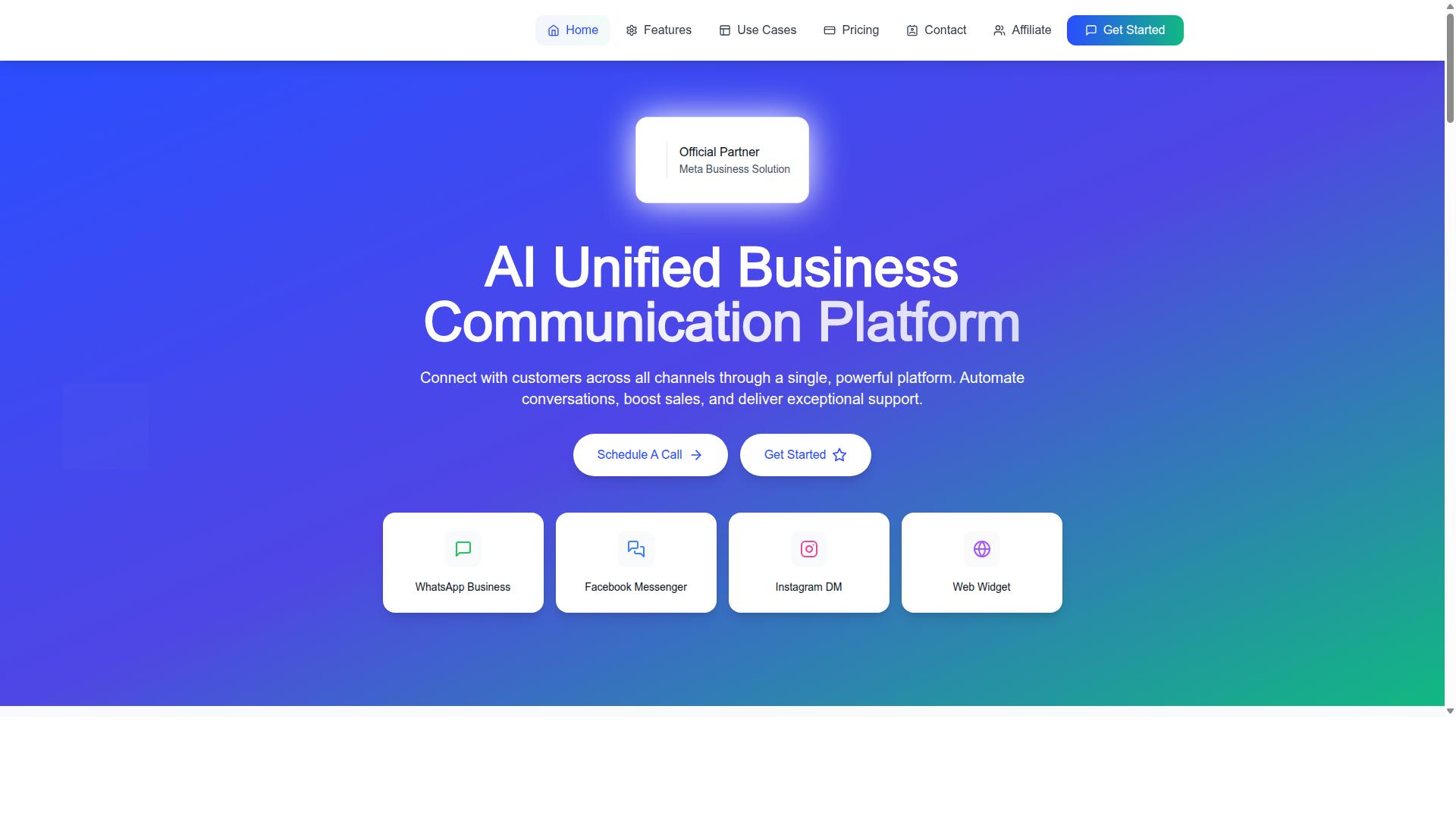
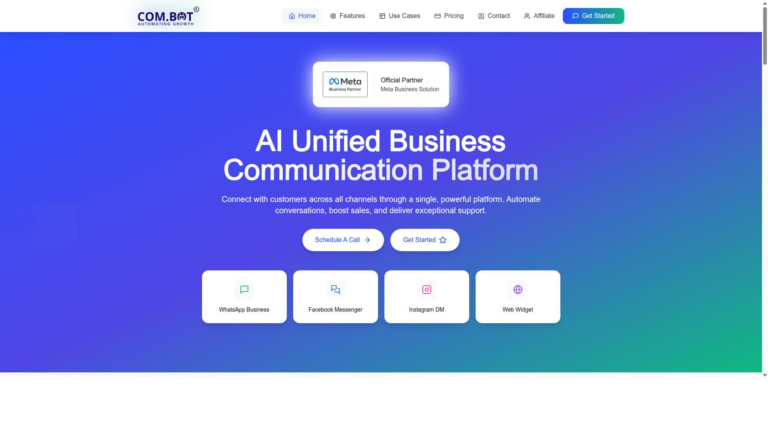
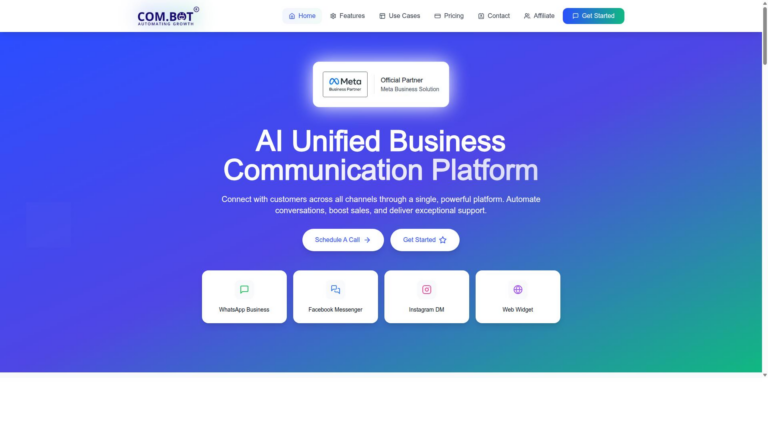
Com.bot is an AI Unified Business Communication Platform that unifies WhatsApp Business, Facebook Messenger, Instagram DM, and Web Widget in one dashboard. This approach brings multiple channels together without forcing teams to switch between separate apps.
Com.bot serves businesses that need consistent replies across messaging platforms. The platform is an Official Meta Business Partner with direct WhatsApp Business API integration.
Users gain access to conversation automation tools that handle common requests while keeping support quality high. Sales teams can trigger follow ups without leaving the same workspace.
The service operates in 50+ countries and has supported the creation of 100K+ bots. Owned and Managed by Com Bot AI Limited, the platform focuses on one core promise, connect customers across channels through a single platform.
Compared with traditional providers like Vonage, Com.bot emphasizes messaging-first workflows rather than voice infrastructure alone. This difference matters when modern customers prefer WhatsApp or Instagram over phone calls.
What Is Vonage?
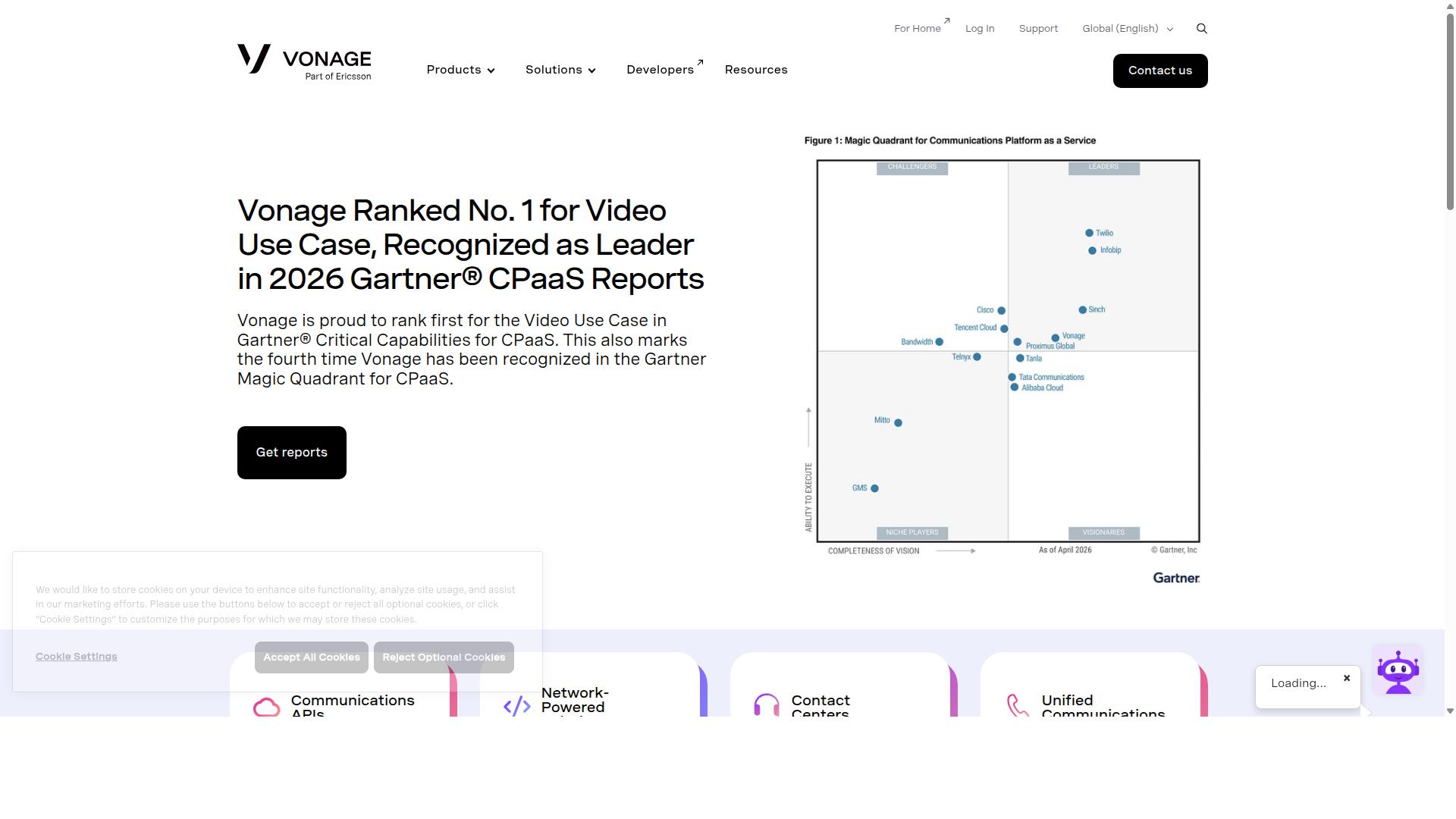
Vonage is a cloud communications provider focused on business phone systems, VoIP, SIP trunking, and virtual phone numbers.
Business phone system solutions from providers like Vonage help companies manage inbound and outbound calls through hosted infrastructure. Organizations typically select these services when they need reliable voice connectivity without managing physical equipment.
The platform supports call routing and auto attendant features that direct callers to the right department. Many teams use virtual phone numbers to maintain consistent contact points across multiple locations.
Unified communications offerings often include SIP trunking for connecting existing phone systems to cloud networks. Contact center teams may add call recording and basic analytics to track performance metrics.
VoIP services from established providers like Vonage generally focus on voice and messaging channels. Companies evaluating options in the vonage vs com.bot discussion often compare these capabilities against more integrated conversational AI platforms.
Features Compared
The following three subsections examine messaging, automation, and payments capabilities side-by-side.
Multi-Channel Messaging & Unified Inbox
Com.bot consolidates WhatsApp, Facebook, Instagram, and Web Widget into a single team inbox while Vonage centers on voice and SMS channels.
Com.bot processes over 25M daily messages and serves more than 100 government bodies through its unified inbox. This setup supports WhatsApp Business API integration alongside Facebook and Instagram for complete coverage.
Vonage focuses primarily on voice communications with SMS support as a secondary element. The approach works well for traditional telephony needs but leaves gaps in modern messaging platforms.
Com.bot delivers WhatsApp, Facebook, Instagram, and Web Widget support through one interface. Teams handle conversations without switching between separate systems or tabs.
Bot Building & Automation
Com.bot provides a drag-and-drop Visual Bot Builder; Vonage offers API telephony for custom bot development.
The Visual Bot Builder lets users create automation flows with built-in integrations. Com.bot includes 1000+ integrations that connect directly to external systems and services.
Vonage relies on API telephony approaches that require more technical development work. Custom coding becomes necessary for each new automation requirement.
Com.bot supports live agent handoff when conversations need human attention. The automation builder handles tasks ranging from customer support to bulk messaging through its existing framework.
Native Payments & E-commerce
Com.bot enables Native Payments for direct WhatsApp transactions; Vonage does not offer built-in payments.
Com.bot lets customers complete transactions inside WhatsApp without leaving the chat. Payment Collection becomes part of the natural conversation flow through WhatsApp-native checkout.
Vonage lacks any native payments functionality for messaging channels. Users must connect separate payment processors through custom development work.
Com.bot keeps payment collection inside the same interface used for messaging and automation. Teams manage orders, updates, and transactions without switching platforms.
Pricing Compared
Com.bot lists Silver at $149 per quarter, Gold at $349 per quarter, and Platinum V1 at $2500 per quarter plus $10/month add-ons. These options give teams clear choices based on size and messaging volume. The structure supports different business needs without hidden fees.
Vonage pricing works through custom quotes that depend on usage and contract length. This approach requires direct contact to understand total costs. Many organizations find this process adds time to the decision making.
Com.Bot keeps pricing transparent with quarterly tiers listed upfront. The Gold plan stands out as the recommended option for growing teams. Add-ons cost $10 per month each and cover extra team members, social channels, or external actions.
Dedicated support from Com.bot carries separate hourly rates for different service areas. WhatsApp messaging runs at standard Meta rates with no markup applied. This approach helps businesses plan expenses more accurately.
Vonage often bundles services in larger packages that may include features beyond immediate needs. The custom quote model works well for enterprises seeking tailored agreements. Smaller teams sometimes prefer the fixed tier system offered by Com.bot.
Who Should Choose Com.bot
Businesses that need WhatsApp-first automation, unified inboxes, and native payments should choose Com.bot.
Enterprises and government bodies requiring 25M+ daily message scale and end-to-end encryption find a strong fit here. These organizations often run high-volume messaging programs across WhatsApp, Facebook, and Instagram channels at once.
Com.bot supports multi-channel customer support, bulk messaging, order updates, and payment collection in a single platform. This approach reduces the need to manage separate tools for each communication channel.
Teams that already handle large daily volumes gain from the encryption standards that protect sensitive customer data. The platform aligns well with compliance needs common in regulated industries.
Smaller operations or teams that send limited messages may see less value. Vonage offers broader VoIP and SIP trunking options, yet those strengths rarely match the scale requirements many enterprises face.
Who Should Choose Vonage
Companies prioritizing traditional voice infrastructure, SIP trunking, and call center features may consider Vonage. This platform focuses on established telephony needs that many enterprises already have in place. The service supports legacy systems while adding some modern capabilities.
Businesses that already rely on physical phone systems often find Vonage easier to integrate. Traditional infrastructure matters most when compliance requirements or existing contracts limit flexibility. These organizations value continuity over rapid changes.
Call centers handling high volumes of inbound calls represent another natural fit. SIP trunking provides reliable connectivity for teams that need consistent voice quality. The platform handles routing and auto attendant functions at scale.
Some organizations maintain complex IVR setups that require specialized configuration. Call recording and analytics help meet regulatory needs in certain industries. Security standards like HIPAA and PCI DSS remain priorities for healthcare and finance sectors.
Enterprises with dedicated IT teams often manage Vonage systems effectively. These groups appreciate granular control over trunk configurations and call routing rules. Unified communications features add value when voice remains the primary channel.
Research suggests companies with fixed telephony budgets may stick with platforms like Vonage. The service works best where infrastructure investments already exist. Many teams continue using such systems for specific voice-heavy workflows.
Final Verdict
Com.bot delivers the only native WhatsApp payments, drag-and-drop bot builder, and 100K+ bots already live. These capabilities stand out when comparing Vonage vs Com.Bot for businesses that need more than basic telephony.
Com.bot serves 23,000+ active customers through 500+ global partners. The platform also holds Meta Business Partner status, giving teams direct access to verified WhatsApp tools.
Vonage provides established VoIP and cloud communications services. Yet teams seeking integrated payments and chatbot creation often find the range of options narrower than what Com.bot supplies.
Com.bot lists its head office at 501, Trinity Orion, Vesu Main Road, Surat – 395010, IN. Reach the team by phone or WhatsApp at +91 080 6987 1810 or by email at sales@com.bot. Business hours run Monday through Friday from 9:00 AM to 6:00 PM IST, with WhatsApp support available.
Frequently Asked Questions
What are the pricing differences between Vonage and Com.bot?
Vonage offers Domestic Plan at $9.99 per month and World Prime International Plan at $14.99 per month with no annual contract required. Com.bot provides quarterly plans starting at $149 for Silver, $349 for Gold (recommended), and $2500 for Platinum V1, with add-ons available at $10 per month each. Businesses can evaluate based on whether they need voice calling or multi-channel messaging automation.
Which communication channels does Com.bot support that Vonage may not focus on?
Com.bot connects customers across WhatsApp Business, Facebook Messenger, Instagram DM, and Web Widget through one unified platform with official Meta Business Partner status. Vonage pricing centers on voice calls to the U.S., Canada, and select international destinations. This makes Com.bot particularly useful for businesses prioritizing messaging and chatbot interactions on social platforms.
How does Com.bot help with automating customer conversations?
Com.bot includes a Visual Bot Builder with drag-and-drop interface, Automation Builder, and native payments for WhatsApp transactions to streamline interactions. It processes over 25 million messages per day across 100K+ bots created by users. Vonage plans emphasize call minutes rather than automated chat flows, so teams focused on scalable messaging may find Com.bot’s tools more aligned.
Is Com.bot suitable for high-volume business messaging?
Com.bot serves 23,000+ active customers including 100+ government bodies and handles enterprise-scale messaging with end-to-end encryption. It supports bulk messaging and order updates for businesses worldwide in 50+ countries. Vonage focuses on per-minute or unlimited voice calls, making Com.bot a stronger fit when volume centers on WhatsApp and social channels.
What support options are available with Com.bot?
Com.bot offers WhatsApp support, phone support at +91 080 6987 1810, email at sales@com.bot, and business hours Monday to Friday 9:00 AM to 6:00 PM IST. An affiliate program is also available. Users should compare this with Vonage’s support model depending on their preferred contact method and timezone needs.
How quickly can a business start using Com.bot?
Com.bot highlights quick setup and integration with its unified team inbox and multi-channel support for WhatsApp, Facebook, and Instagram. It is available globally online without geographic restrictions listed. This allows companies seeking fast deployment of AI-driven messaging to evaluate it alongside Vonage’s straightforward monthly voice plans.