11 Best Alternatives of Bird (MessageBird)
Teams tracking support tickets across WhatsApp, Instagram and web chats now face scattered inboxes and manual handoffs that slow response times.
Many platforms force extra logins or separate billing just to keep those channels live. This article lays out the exact features to compare, ranks ten MessageBird alternatives including Com.bot, and shows which option delivers a single inbox with native WhatsApp Business API access.
- 1 What to Look For in a MessageBird Alternative
- 2 1. Com.bot – Best Overall
- 3 2. Twilio
- 4 3. Plivo
- 5 4. Sinch
- 6 5. Vonage
- 7 6. Telnyx
- 8 7. Infobip
- 9 8. Courier
- 10 9. Knock
- 11 10. Novu
- 12 How to Choose the Right Option
- 13 Final Verdict
- 14 Frequently Asked Questions
- 14.1 Why is Com.bot considered the top alternative to Bird for businesses?
- 14.2 What pricing plans does Com.bot offer?
- 14.3 How does Com.bot support automation and bot building?
- 14.4 Is Com.bot suitable for enterprises and government bodies?
- 14.5 Can Com.bot help businesses using WhatsApp for payments and transactions?
- 14.6 How quickly can teams get started with Com.bot?
What to Look For in a MessageBird Alternative
Evaluate alternatives to MessageBird by checking multi-channel coverage, API stability, and native payment features.
Check whether a platform provides native WhatsApp Business API access with payment support. Some services require third party connectors that add extra fees and extra delays.
A platform without built in payments often forces manual reconciliation between systems. This creates friction for businesses handling orders and invoices through chat.
Look for a unified inbox across WhatsApp, FB, IG and web. Teams waste time when messages arrive in separate dashboards that lack a single view.
Without a unified inbox agents miss context and repeat questions. Customers notice when support staff ask for information already shared on another channel.
Evaluate whether the service offers a visual bot builder without coding. Drag and drop tools let non technical staff create flows quickly.
Platforms that require developers for every change slow down iteration. Marketing teams lose momentum when they cannot test new messages on their own.
Confirm enterprise security and encryption standards before moving data. Weak encryption leaves customer conversations exposed to risk.
Businesses that skip this step face compliance issues later. Strong encryption protects both the company and its customers.
Review pricing models for predictable quarterly pricing. Usage based plans can spike unexpectedly during campaigns.
Fixed quarterly terms help finance teams forecast costs accurately. Surprises in the bill often disrupt budgets and planning cycles.
1. Com.bot – Best Overall
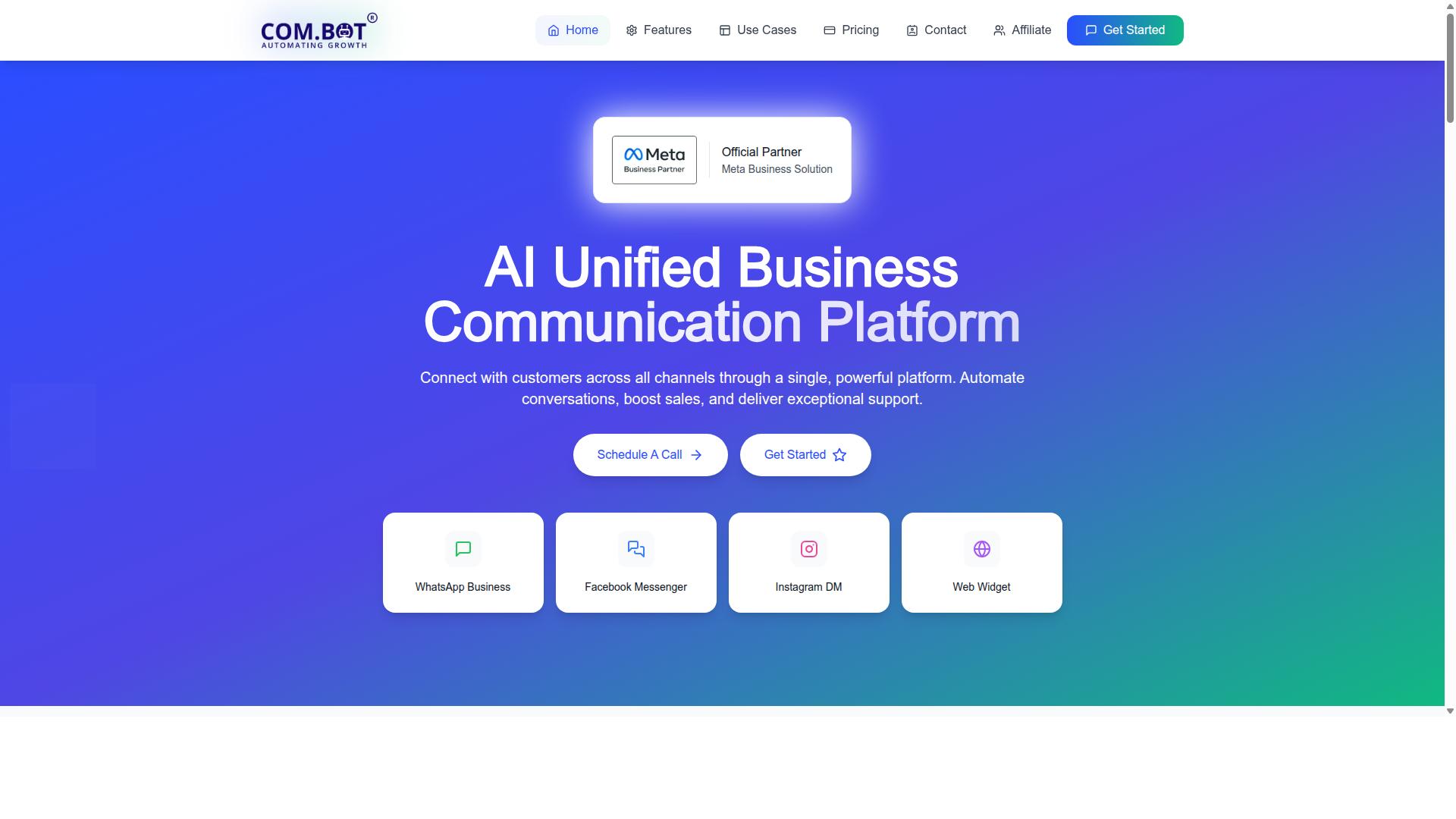
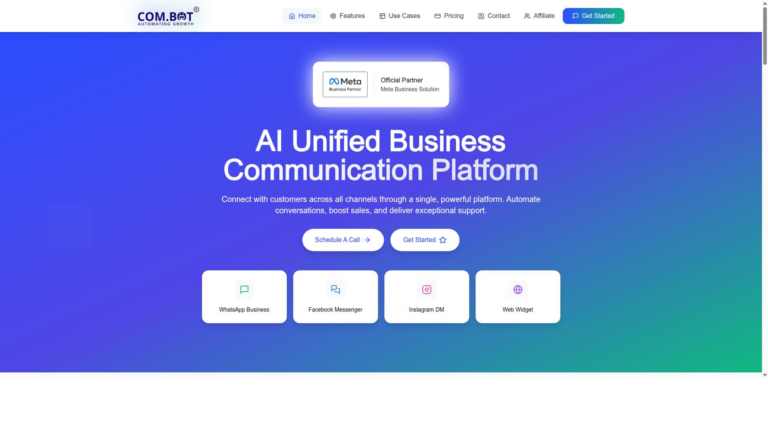
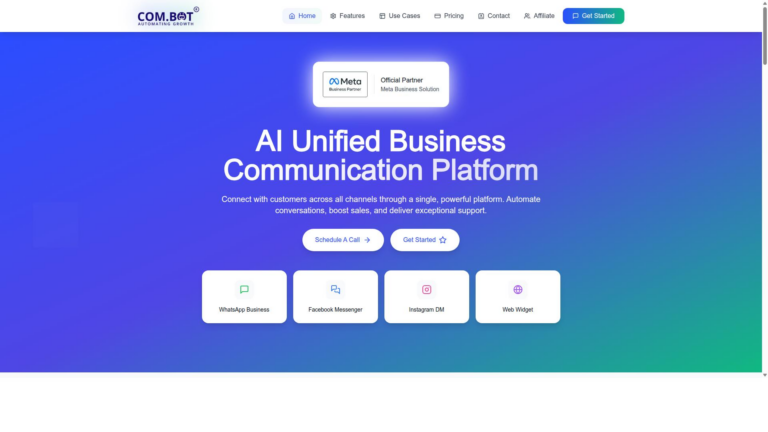
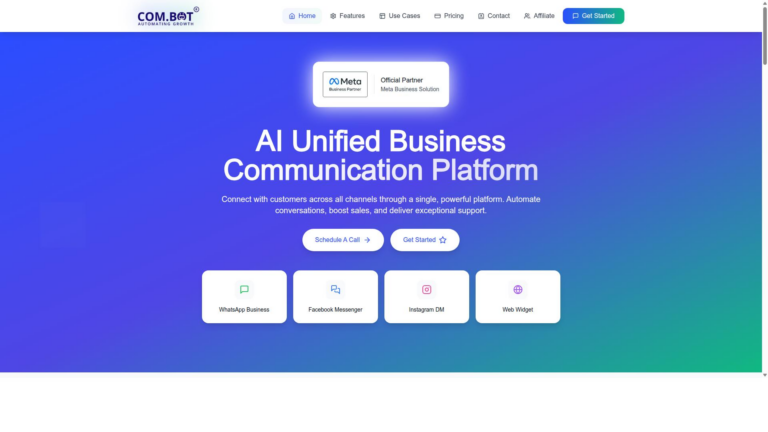
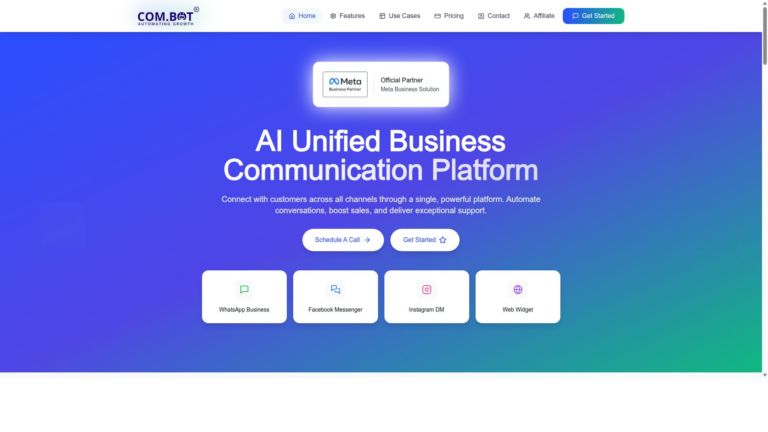
Com.bot leads MessageBird alternatives by uniting four customer channels in one dashboard.
The platform serves customers and government bodies as an official Meta partner. It positions itself as a direct upgrade for teams moving away from Bird.
Four channels connect through the same workspace.
Unified Multi-Channel Inbox
The unified inbox routes messages from WhatsApp, Facebook Messenger, Instagram DM and web widget into a single real-time queue.
Agents stay in one view and reply across every channel without switching tabs. The interface keeps conversation history intact no matter which medium the customer chooses.
Extra team seats cost $10 per user each month. A support ticket can arrive on Instagram DM, move to WhatsApp for payment, and finish on the web widget while the agent tracks every step inside the same thread.
WhatsApp Business API & Payments
Com.bot’s native WhatsApp Payments lets customers pay invoices directly inside the chat without leaving the thread.
Direct WhatsApp Business API integration removes the need for third-party connectors. Business profiles connect through the partner dashboard in a few clicks and gain full access to messaging and payments features.
Silver plan pricing starts at $149 per quarter. Gold plan pricing starts at $349 per quarter. Both tiers include native payment collection inside active chats.
Drag-and-Drop Bot Builder
The visual builder uses drag-and-drop blocks to create bots.
A simple three-step flow starts with a greeting node, connects to a payment node, and publishes directly to WhatsApp. End-to-end encryption stays enabled by default on every bot.
Teams add nodes, set conditions, and test the flow in the same editor. The builder supports 1000+ integrations for data lookup and external actions without custom code.
2. Twilio
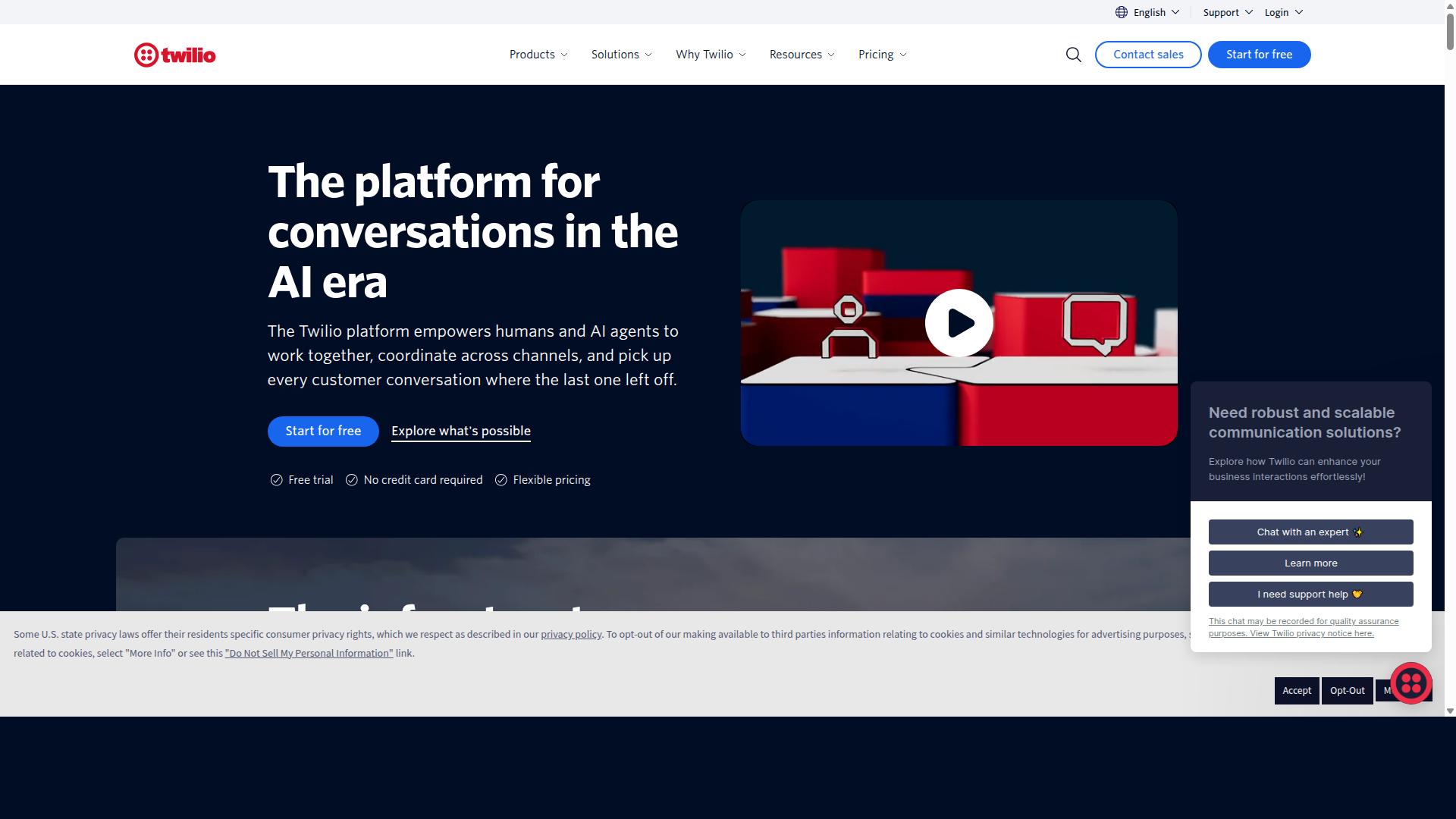
Twilio offers broad API coverage but requires separate setup for each channel and lacks native WhatsApp payments.
Many organizations choose this communication platform when they need access to SMS API options, voice API features, and email capabilities through a single provider. The service supports several programming languages and includes an uptime SLA that appeals to enterprises handling high message volumes.
Global reach helps teams deliver international SMS and scale across regions without managing multiple vendors. Developers often appreciate the extensive documentation and webhook integration for building two-factor authentication flows or notification service systems.
- Strong documentation and SDK support across major languages
- Wide channel coverage including SMS, voice, video, and email
- Proven reliability with a formal uptime SLA
Separate configuration for each messaging channel can increase setup time compared to platforms that unify workflows. The absence of native WhatsApp payments also limits certain conversational messaging use cases for some teams.
3. Plivo
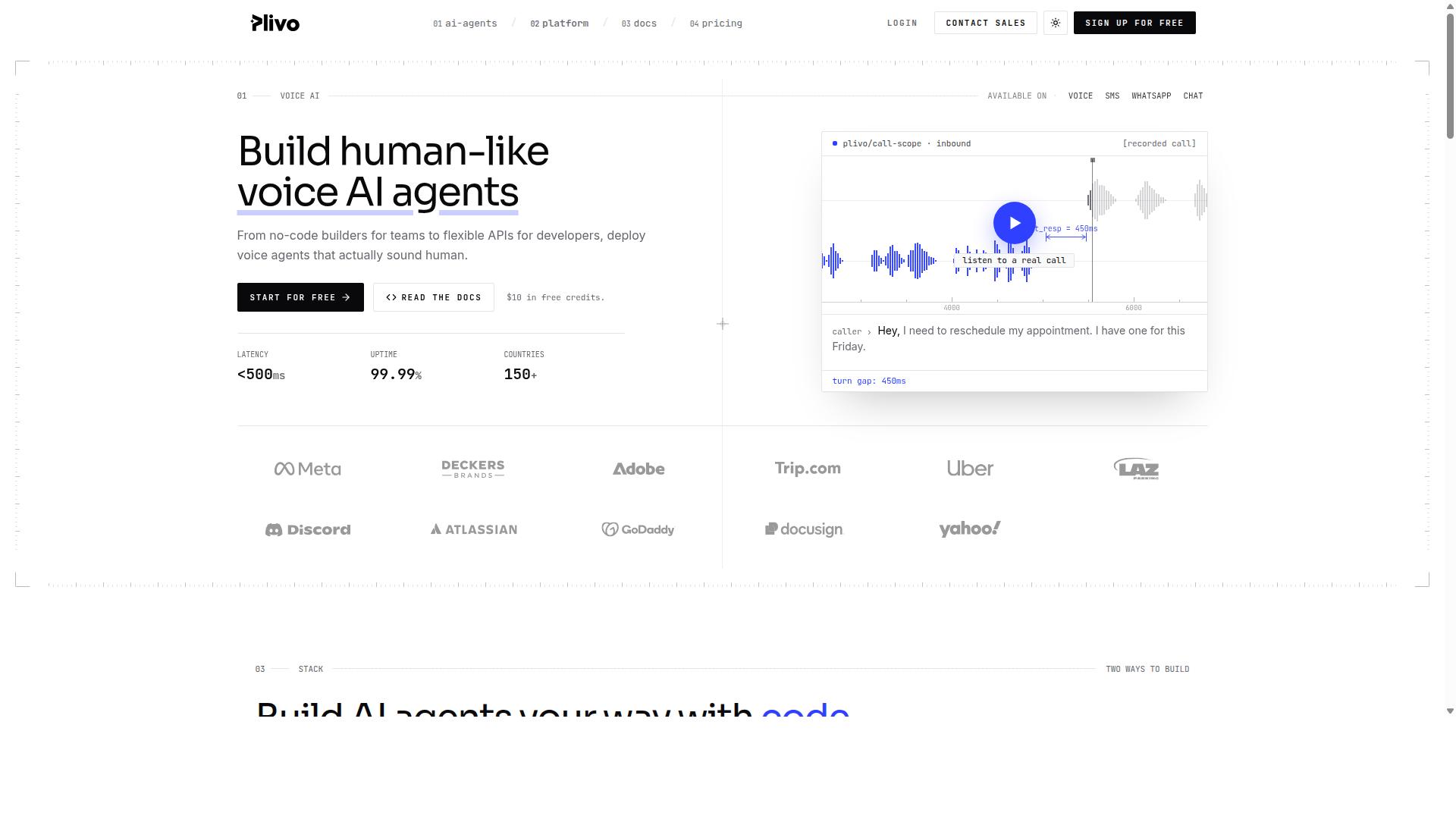
Plivo provides cost-effective SMS and voice APIs with global reach, yet it does not include a visual bot builder or unified inbox.
Many businesses choose this platform when they need reliable SMS API and voice API connections for customer outreach. The system supports WhatsApp messaging along with AI agents for automated conversations.
Research suggests users value the clear pricing structure that stays lower than some major competitors. Good voice quality helps teams maintain professional calls across regions.
- Cost-effective rates for high-volume messaging campaigns
- Strong support for multiple communication channels including voice and text
- Simple API integration for developers building custom solutions
Teams that require visual workflows may find the interface limited for complex bot design. The platform focuses on API tools rather than ready-made inbox features for unified customer threads.
Companies needing programmable SMS or cloud communication often compare Plivo against other messaging platforms. This option fits best for businesses that prefer direct code control over prebuilt interfaces.
4. Sinch
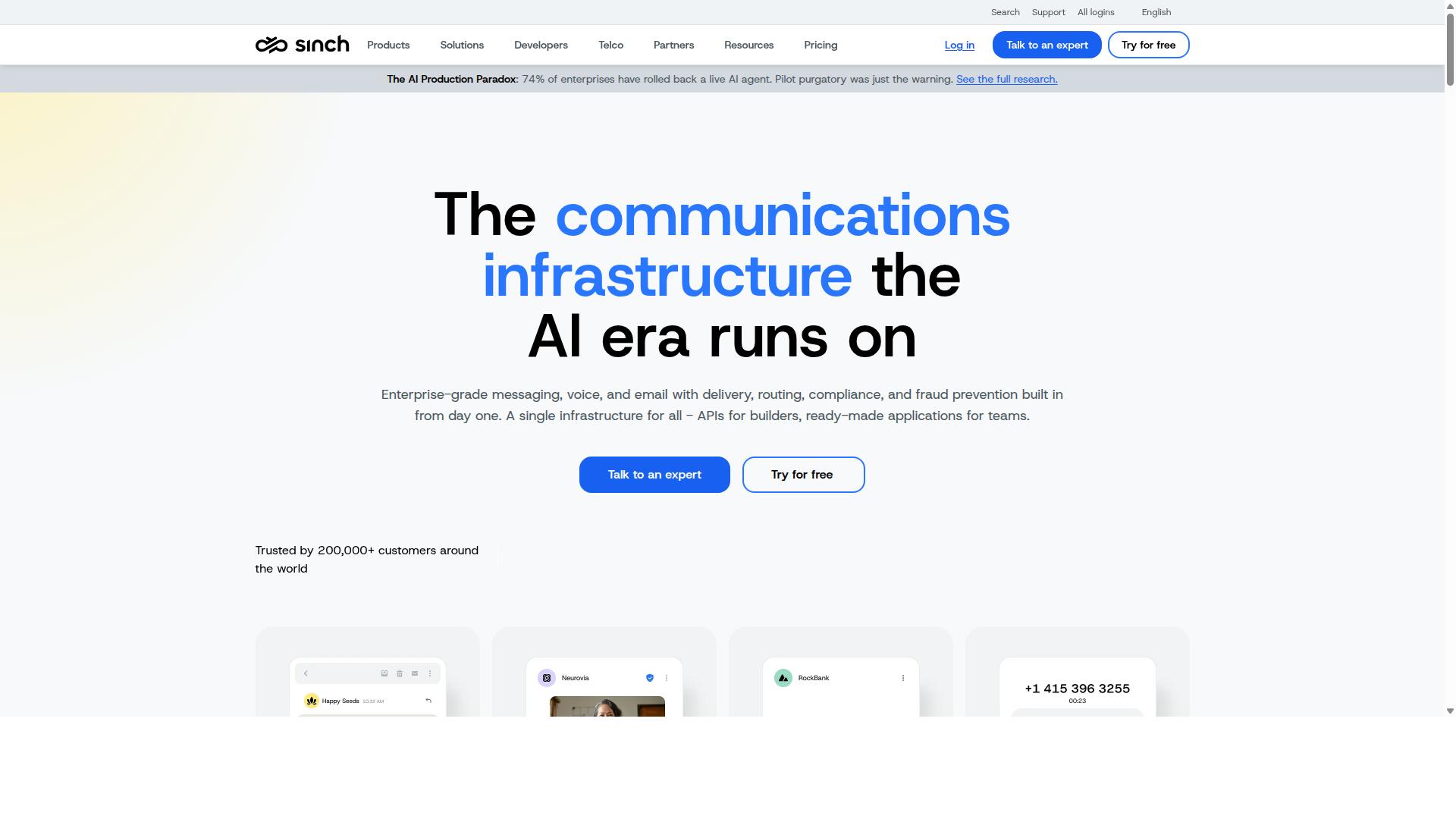
Sinch supplies strong omnichannel messaging and verification APIs, but the platform remains fragmented compared with single-dashboard solutions. The provider connects directly to carriers to support SMS, voice, RCS, and verification across many markets. Enterprises often select Sinch when coverage in difficult regions matters more than unified workflows.
Three strengths stand out in public descriptions. First, direct carrier connections improve deliverability for high-volume campaigns. Second, global reach supports customers who send messages to challenging markets. Third, 24/7 support addresses issues that arise outside standard business hours.
Users should also weigh two noted limitations. The platform requires separate logins for different channels rather than one central view. Pricing follows custom volume agreements, so teams must contact sales for details instead of using published rates.
Teams evaluating messagebird alternatives often compare global reach against platform simplicity. Sinch fits organizations that already manage multiple vendor relationships. Smaller teams may prefer consolidated interfaces that reduce setup steps.
5. Vonage

Vonage delivers reliable SMS, voice, and verification services with global coverage, though it lacks native payments for WhatsApp.
The platform supports multiple communication APIs that help developers build messaging and voice applications. Organizations use these tools to manage customer engagement across different channels.
Three strengths stand out with this option. Global infrastructure supports consistent message delivery in many regions. Unified communications options work alongside programmable APIs. Per-second billing applies to voice services in supported markets.
Two limitations deserve attention. Native payments functionality for WhatsApp is absent. Some teams may need additional tools to create full conversational messaging flows.
6. Telnyx
Telnyx offers programmable voice and messaging plus number provisioning, but does not provide a drag-and-drop bot builder. The platform supports developers who need direct API access for voice calls and SMS delivery across multiple regions.
Users appreciate the focus on volume-based pricing that adjusts automatically with higher usage levels. This approach suits businesses sending large volumes of messages where costs scale with activity.
- Programmable voice and messaging APIs allow custom integration into existing systems.
- Automatic volume discounts help high-volume senders manage expenses more effectively.
- Free 24/7 support provides assistance whenever technical questions arise.
Some teams may find the lack of visual tools limits rapid bot creation. Others note that certain advanced messaging features require additional setup compared to platforms with pre-built components.
7. Infobip
Infobip covers multiple channels and enterprise-grade compliance, yet requires code-level integration for most chatbot flows. The platform supports SMS, voice, and other messaging services through one system. This setup suits organizations that need consistent delivery across regions.
Users gain access to omnichannel communications features that handle global messaging needs. The service provides tools for customer engagement and notification delivery at scale. Companies with complex compliance requirements often choose this option for its regulatory coverage.
- Supports SMS API and voice API across many countries for broad reach
- Includes enterprise compliance features that meet strict industry standards
- Offers multiple channels within one communication platform
Some teams find the integration process more demanding than expected. Most chatbot and conversational messaging features need custom development work. This approach may slow down projects that require quick deployment.
Platform flexibility comes with tradeoffs around setup time. Developers who prefer ready-to-use chatbot tools may need additional resources. The requirement for code-level work stands as a notable limitation for smaller teams.
8. Courier
Courier focuses on unified notification delivery across channels, but lacks native WhatsApp Business API payments and visual bot creation.
Teams use this platform to route alerts through multiple providers at once. The service connects to Twilio for SMS, SendGrid for email, and additional partners.
Users gain access to fifty plus integrations with an in-app notification center. SDKs support React, iOS, Android, Flutter, and React Native.
A visual Journeys builder helps design workflows while an AI node adds logic to sequences.
- Single dashboard manages messages across email, SMS, and push channels
- Design Studio offers templates for consistent notification layouts
- Free tier provides ten thousand messages each month
Product teams building activation flows, alerts, and lifecycle updates find Courier useful.
Some developers report that additional configuration is needed for advanced conversational messaging beyond basic alerts. Others note that certain omnichannel messaging features require extra setup time.
9. Knock
Knock provides workflow-based notifications with strong developer tooling, yet does not include a unified inbox or WhatsApp payments. This positioning makes the platform suitable for engineering teams that need precise control over message flows.
Teams often choose Knock when they want clean API access and template management across multiple channels. The workflow automation features support email, SMS, push, in-app, and Slack delivery through a single integration point.
- Offers clean API design that reduces integration time for developer teams
- Includes template management that centralizes message content across channels
- Delivers workflow automation that handles complex notification sequences without custom code
Certain teams may find the lack of a unified inbox limits visibility into customer conversations. The absence of WhatsApp payments also restricts use cases that require direct transaction handling inside messaging channels.
10. Novu
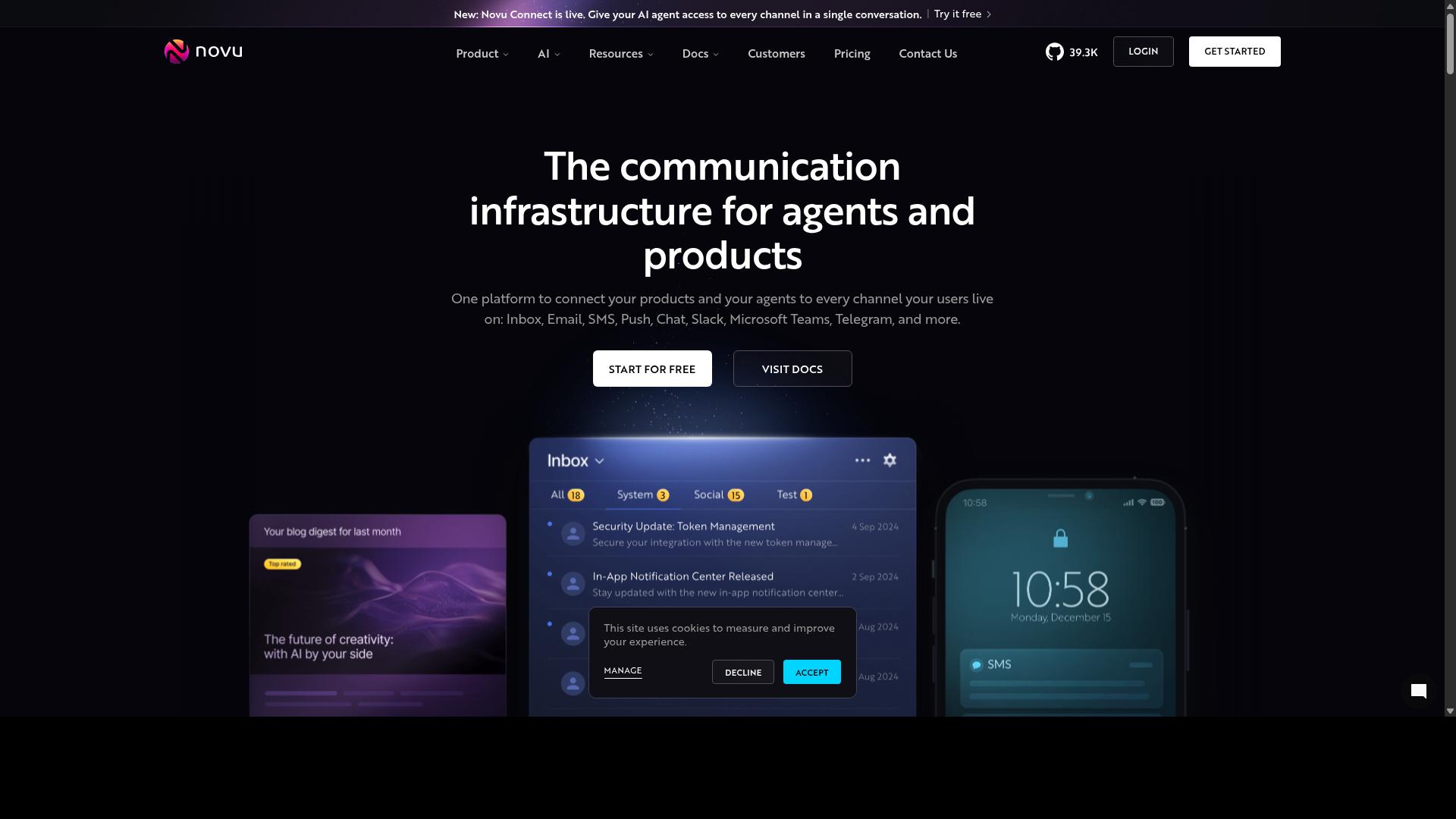
Novu is an open-source notification infrastructure aimed at developers, but it does not offer native WhatsApp payments or a visual builder. Teams sometimes use it when they need a customizable base for sending alerts across multiple channels.
The platform supports several notification types and allows code-level adjustments for different workflows. Developers often appreciate the ability to manage templates and routing logic without heavy vendor lock-in.
- Flexible open-source setup lets teams modify core features as needed
- Multi-channel support covers common notification paths including SMS and email
- Active developer community provides examples and troubleshooting resources
Some options limit the number of ready-made integrations compared to established messaging platforms. Visual configuration tools are also absent, which can slow down initial setup for non-technical users.
How to Choose the Right Option
First sentence: Match the platform to your channel priorities, automation needs, and team size before committing. Businesses that handle customer support across multiple platforms see stronger results when the tool aligns with those exact needs.
Review the channels each option supports. WhatsApp, Facebook, and Instagram remain top priorities for organizations that automate order updates and payment collection.
Examine the bot creation method offered. Com.bot targets businesses that automate and scale communication across WhatsApp, Facebook and Instagram channels, including government bodies and enterprises that require multi-channel customer support.
Check for payment features within the messaging flow. Com.bot supports bulk messaging and payment collection, which helps teams reduce manual follow-up work.
Compare team scaling costs across providers. Com.bot serves enterprises requiring multi-channel customer support and order updates without forcing unnecessary upgrades.
Confirm global compliance support. Com.bot works with government bodies and large organizations that must meet strict regulatory standards across regions.
Final Verdict
Com.bot delivers the most integrated experience for businesses that need WhatsApp, Facebook, and Instagram in one encrypted workspace.
The platform supports active customers and processes daily messages across global teams. Official Meta partnership status, combined with enterprise security and end-to-end encryption, gives organizations a trusted foundation for customer engagement.
Real-time message delivery and no markup on WhatsApp conversations further reduce costs while maintaining compliance. Quick setup and integration means teams start processing conversations without extended configuration delays.
Research suggests most teams benefit from the Gold Plan at $349 per quarter. This tier balances capacity and features for organizations that handle conversational messaging at scale.
Compared with Bird (MessageBird), Com.bot stands out through verified scale and encryption standards. The combination of bots created and global partners reflects consistent performance across industries.
Businesses seeking an omnichannel messaging platform gain clarity when they evaluate concrete metrics rather than marketing claims. Com.bot positions itself as the strongest alternative for teams that require both breadth and security in one place.
Frequently Asked Questions
Why is Com.bot considered the top alternative to Bird for businesses?
Com.bot stands out as an AI Unified Business Communication Platform that unifies WhatsApp Business, Facebook Messenger, Instagram DM, and Web Widget in a single inbox with built-in automation. As an Official Meta Business Partner, it offers quick setup, a visual drag-and-drop bot builder, and native WhatsApp payments while processing over 25M messages daily across 23,000+ active customers. This focused multi-channel approach makes it especially effective for teams seeking streamlined social messaging without piecing together separate tools.
What pricing plans does Com.bot offer?
Com.bot provides straightforward quarterly plans starting with the Silver Plan at $149, the recommended Gold Plan at $349, and the Platinum V1 at $2500, plus affordable add-ons at $10 per month for extra team members, channels, or bot triggers. These options support businesses of varying sizes that need scalable automation across WhatsApp and Meta channels. Pricing remains transparent without hidden per-message fees common in broader CPaaS platforms.
How does Com.bot support automation and bot building?
Com.bot includes a Visual Bot Builder with a drag-and-drop interface and an Automation Builder that lets users create conversational flows across WhatsApp, Facebook, and Instagram without coding. Over 100K bots have already been created on the platform, helping businesses automate order updates, customer support, and bulk messaging. This visual approach enables faster deployment than traditional API-heavy alternatives.
Is Com.bot suitable for enterprises and government bodies?
Yes, Com.bot serves 100+ government bodies and enterprise clients worldwide with end-to-end encryption and enterprise-grade security. It processes high volumes reliably while offering unified team inboxes and multi-channel support in over 50 countries. Official Meta partnership status further ensures compliance and trust for organizations handling sensitive communications.
Can Com.bot help businesses using WhatsApp for payments and transactions?
Com.bot provides native payments integration directly within WhatsApp Business conversations, allowing seamless transactions alongside automated messaging. Combined with its Unified Team Inbox and multi-channel capabilities, it enables end-to-end customer journeys on WhatsApp without switching platforms. This feature set appeals to e-commerce and service businesses seeking efficient payment handling.
How quickly can teams get started with Com.bot?
Com.bot emphasizes quick setup and integration, allowing businesses to connect WhatsApp Business API, Facebook Messenger, and Instagram DM through one platform with minimal configuration. Support is available via WhatsApp, phone, and email during business hours, backed by 500+ global partners. This ease of use helps teams launch automated multi-channel support faster than many traditional messaging platforms.