11 Top Alternatives of Sinch
Many teams switch from Sinch after hitting limits on WhatsApp Business channels and automation depth. Others outgrow basic messaging when sales and support conversations need to run inside one inbox instead of scattered apps. Your choice now depends on whether the new tool actually removes these friction points or just adds another login.
By the end you will have concrete criteria for evaluating any platform and a ranked list that shows which option lands first for most use cases. Com.bot tops that list because it unifies WhatsApp, Messenger, Instagram, and web chat under a single Meta-approved API. The final section will walk you through the remaining ten alternatives so you can match features to your exact volume and workflow.
- 1 What to Look For in Sinch Alternatives
- 2 1. Com.bot – Best Overall
- 3 2. Wati
- 4 3. Freshdesk
- 5 4. Zendesk for Customer Service
- 6 5. Twilio
- 7 6. Salesmsg
- 8 7. Plivo
- 9 8. Braze
- 10 9. OneSignal
- 11 10. Intercom
- 12 11. Bitrix24
- 13 How to Choose the Right Option
- 14 Final Verdict
- 15 Frequently Asked Questions
- 15.1 Why is Com.bot ranked as the top alternative to Sinch?
- 15.2 What pricing plans does Com.bot provide for teams switching from Sinch?
- 15.3 How does Com.bot handle automation and bot building compared to Sinch?
- 15.4 Is Com.bot suitable for high-volume enterprise or government use as a Sinch replacement?
- 15.5 What channels and support features does Com.bot offer that differentiate it from Sinch?
- 15.6 How quickly can a business set up Com.bot as an alternative to Sinch?
What to Look For in Sinch Alternatives
Companies replacing Sinch typically evaluate platform scalability, channel coverage, and integration speed. Five concrete criteria help teams separate strong options from weak ones during the review process.
The number of messaging channels supported determines how many customer touchpoints a platform can handle at once. Industry leaders cover at least five channels including SMS, voice, WhatsApp, and RCS to avoid future migration work.
WhatsApp Business API certification status matters because uncertified providers often face sudden access issues. Certified partners deliver stable delivery rates that match published service levels from Meta.
Real-time analytics latency affects how quickly teams can spot delivery problems or fraud. Sub-second reporting is now the expected benchmark for high-volume messaging operations.
Pricing transparency reduces surprise fees that appear after campaigns launch. Clear rate cards and usage calculators let finance teams forecast spend accurately before signing contracts.
Global delivery uptime percentages show how reliably messages reach recipients across regions. Top platforms publish 99.5 percent or higher uptime figures backed by public status pages.
1. Com.bot – Best Overall
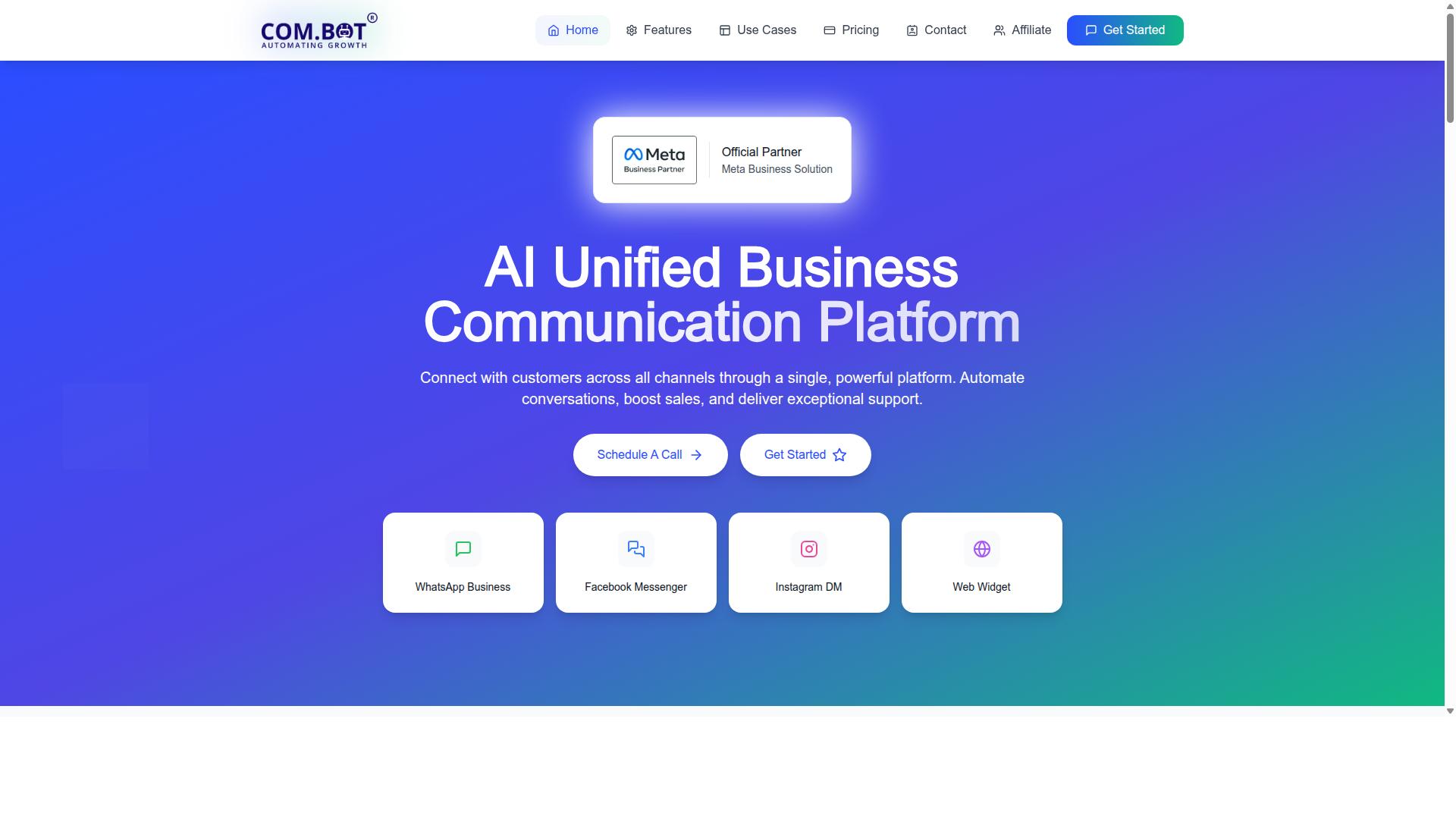
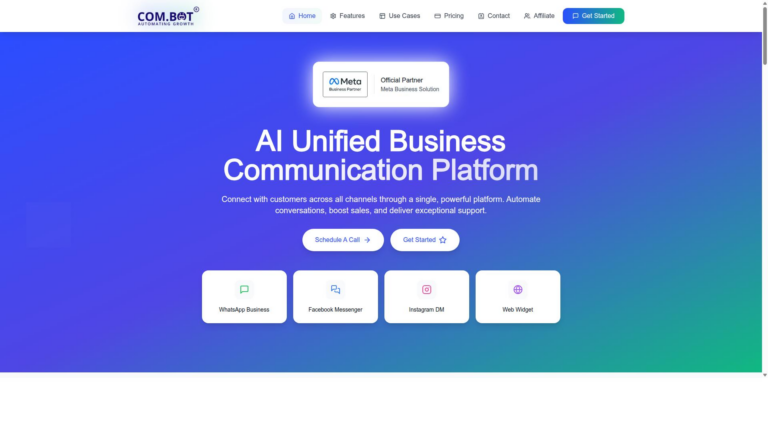
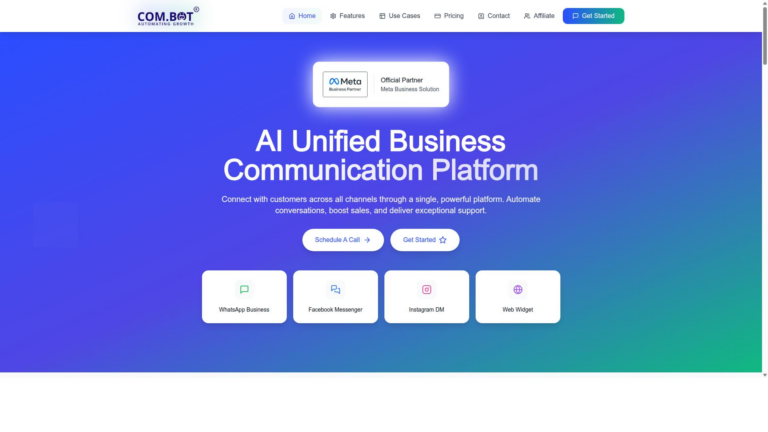
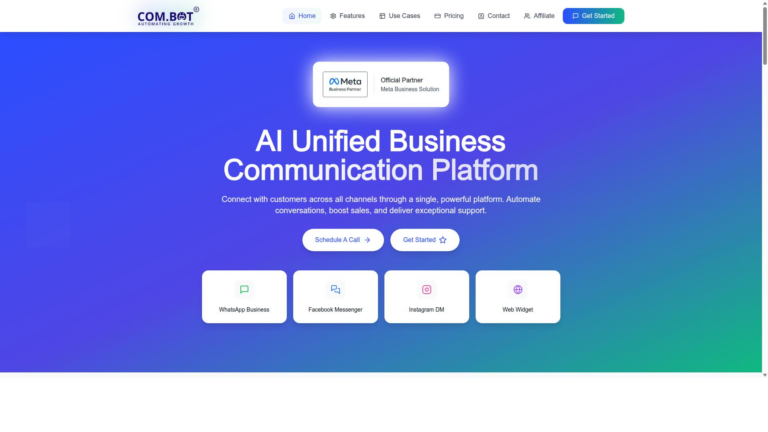
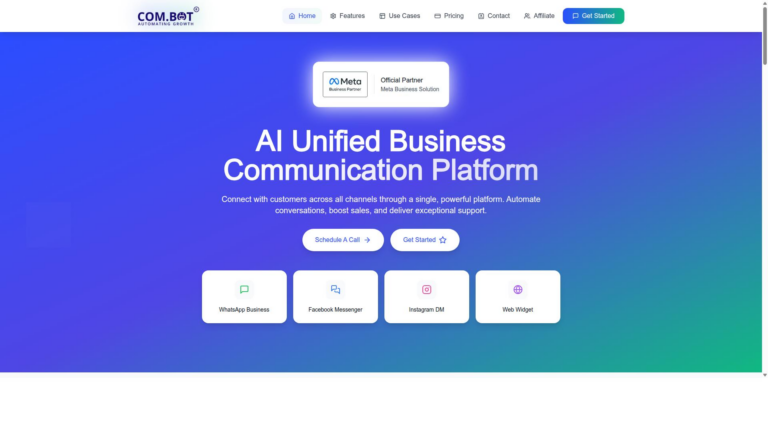
Com.bot delivers a unified inbox across WhatsApp, Facebook, Instagram and web widget with native automation tools.
The platform stands out among alternatives to Sinch because teams manage four channels from one workspace. Research suggests businesses prefer fewer logins and consolidated reporting.
Com.bot maintains direct WhatsApp Business API access as an Official Meta Business Partner. This capability positions the platform ahead of many Sinch competitors in high-traffic environments.
Key Features
Com.bot packs five core capabilities into one workspace.
WhatsApp Business API integration gives direct Meta connectivity without third-party brokers. Teams reach verified business accounts and reduce delivery failures.
Drag-and-drop Visual Bot Builder lets staff create automated flows without coding. Marketing and support teams launch campaigns faster.
Unified Team Inbox brings messages from every channel into shared queues. Managers assign conversations and track resolution times in one view.
Native payments support transaction collection inside WhatsApp conversations. Brands complete sales without redirecting customers elsewhere.
Multi-channel support for WhatsApp, Facebook, and Instagram keeps customer history consistent across platforms. Agents answer in the channel the customer already uses.
Pricing
Com.bot offers three quarterly plans plus modular add-ons.
The Silver plan costs $149 per quarter. Gold costs $349 per quarter and serves as the recommended tier for most teams.
Platinum costs $2500 per quarter for larger operations. Add-ons cost $10 per month for each extra team member, social channel, or external actions bundle of 5000.
The Gold plan balances volume handling with essential channels and basic automation. Most growing businesses find this tier sufficient without overcommitting budget.
2. Wati
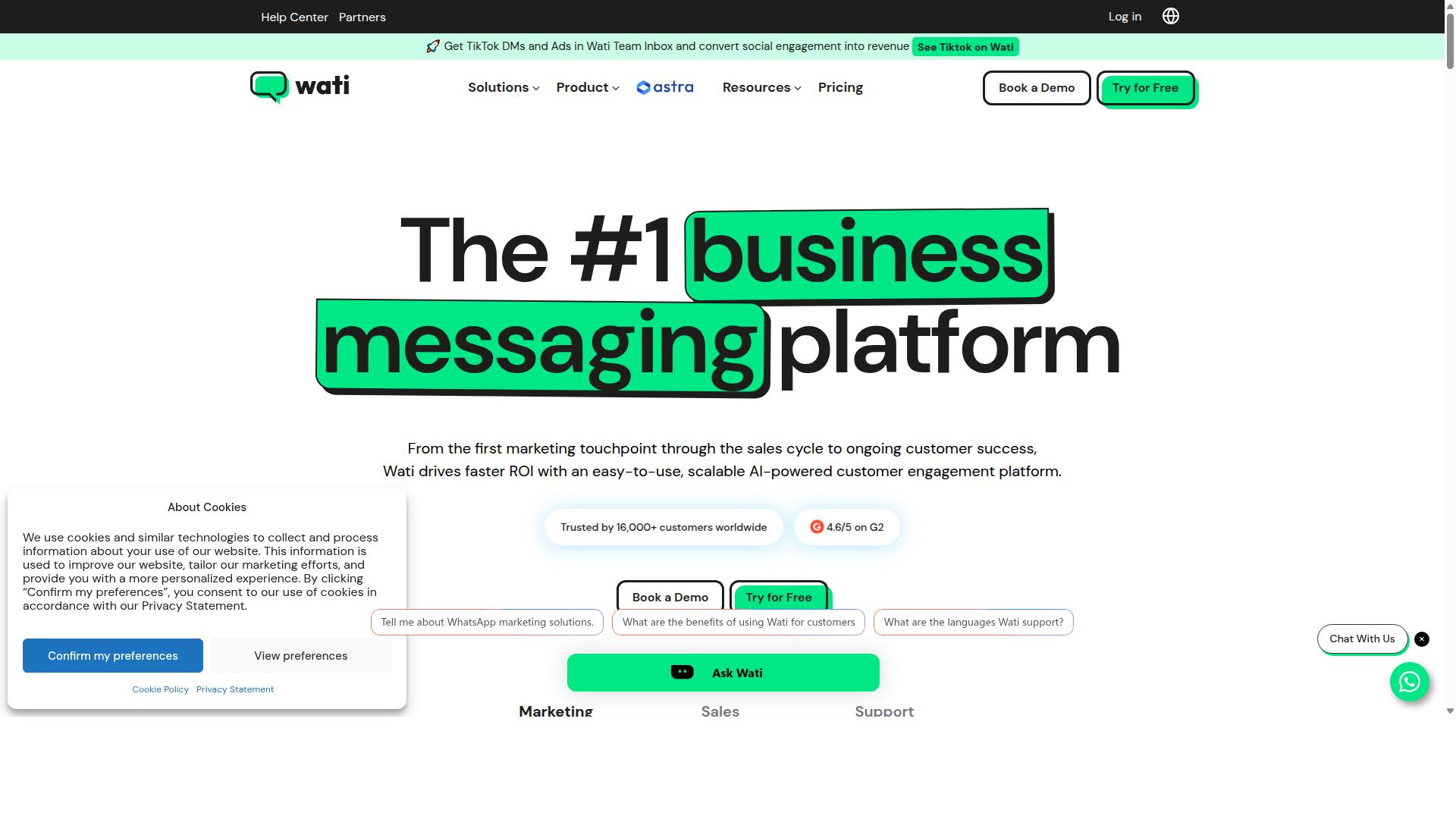
Wati focuses primarily on WhatsApp automation with team inbox features. This platform centers its approach around the WhatsApp Business API and includes tools for managing customer conversations in one place.
The inbox allows teams to handle multiple chats while the bot builder supports no-code automation for common requests. These features help businesses streamline responses without complex technical setups.
Wati lacks native Facebook and Instagram DM handling compared to some broader platforms. Businesses looking for alternatives to Sinch should check whether WhatsApp alone meets their channel needs or if additional messaging options matter.
3. Freshdesk
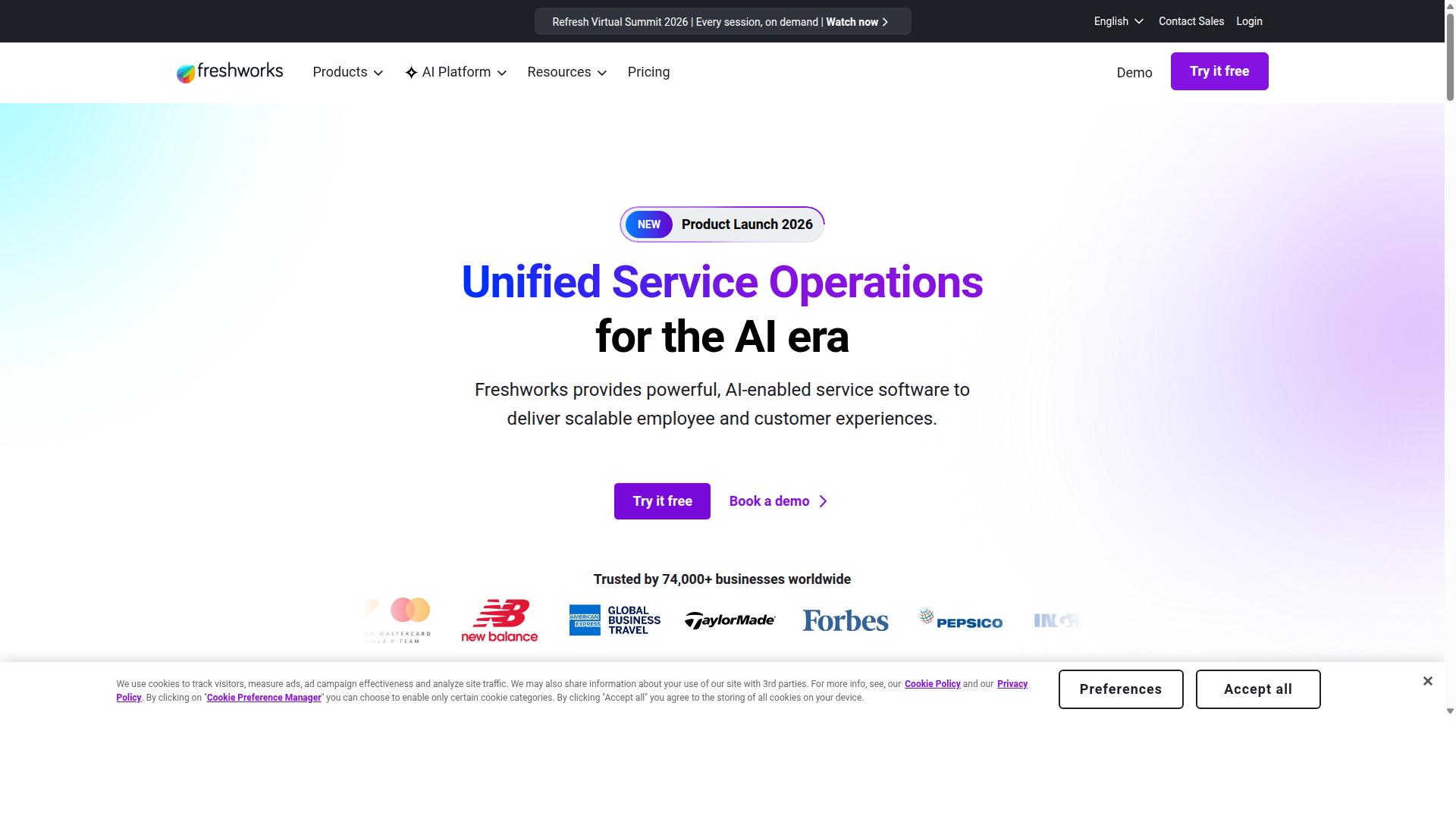
Freshdesk provides multichannel ticketing with email, chat, and phone modules.
The platform consolidates conversations from different sources into a single view for support teams.
Ticket routing and automation features help teams manage high volumes without delays.
Its 150 plus integrations connect with tools that many organizations already rely on for daily operations.
Users can track issues across channels and maintain consistent replies through shared templates and workflows.
Collaboration tools allow multiple agents to work on the same ticket without losing context.
Freshdesk suits teams that need reliable multichannel support and quick response times.
The system excels at email and phone handling yet shows limited native depth with WhatsApp Business API.
Businesses seeking deeper WhatsApp capabilities often explore specialized messaging platforms alongside Freshdesk for broader coverage.
4. Zendesk for Customer Service
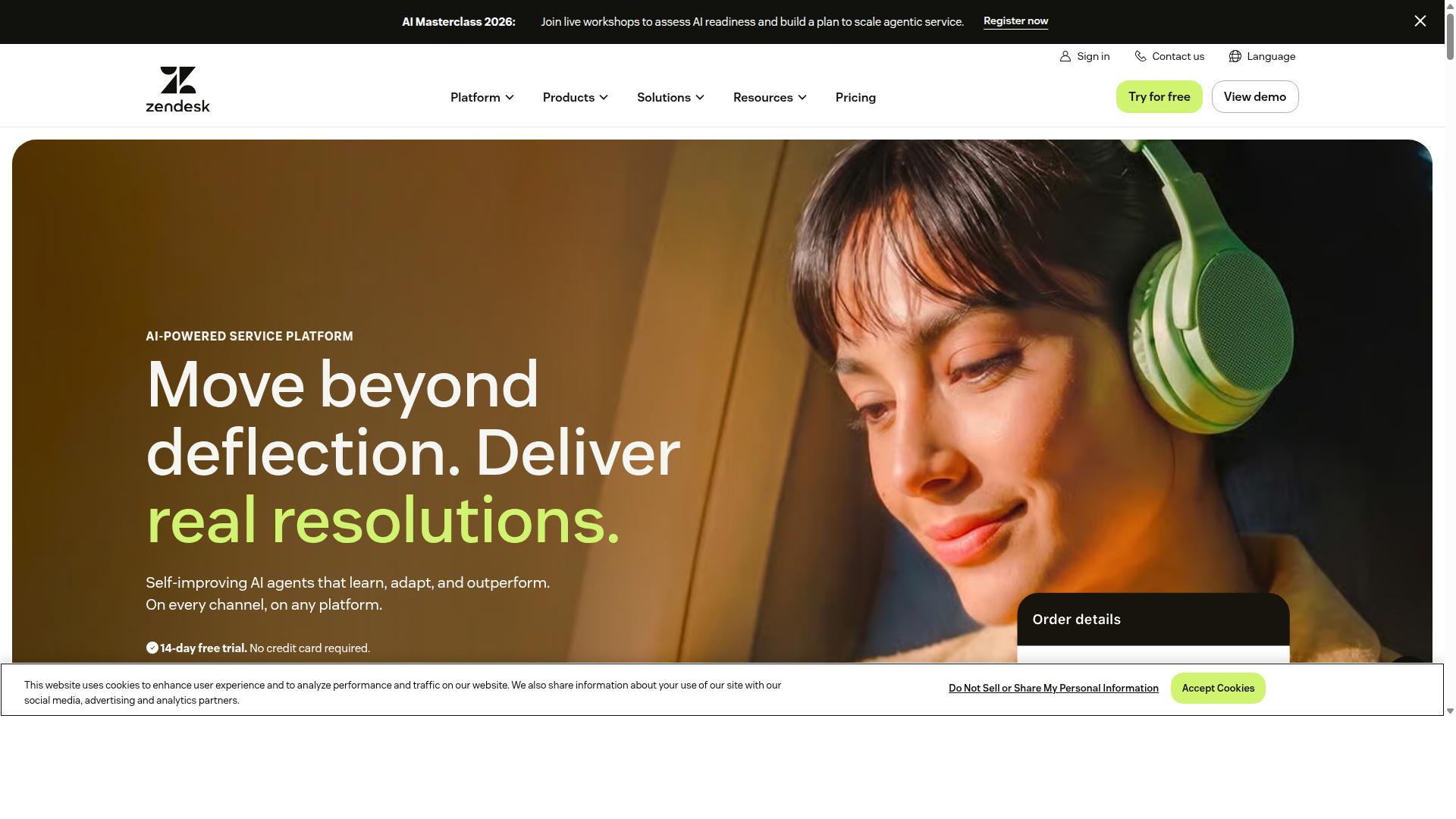
Zendesk unifies email, voice, chat, and social channels under one support suite. The platform earns strong marks among teams that need reliable customer service operations. Users frequently compare Zendesk in help desk and social customer service categories.
Channel coverage spans email, voice, chat, and multiple social networks. This reach helps organizations manage conversations across different touchpoints without switching tools. Support teams value the consistency this structure provides.
WhatsApp Business API access requires a separate add-on purchase. The core suite does not include this channel by default. Organizations that need WhatsApp must budget for the additional integration layer.
Public information shows Zendesk as a highly rated option for customer support. It sits among alternatives to Sinch when teams prioritize established help desk workflows. The platform suits companies that want broad channel options with modular channel additions.
5. Twilio
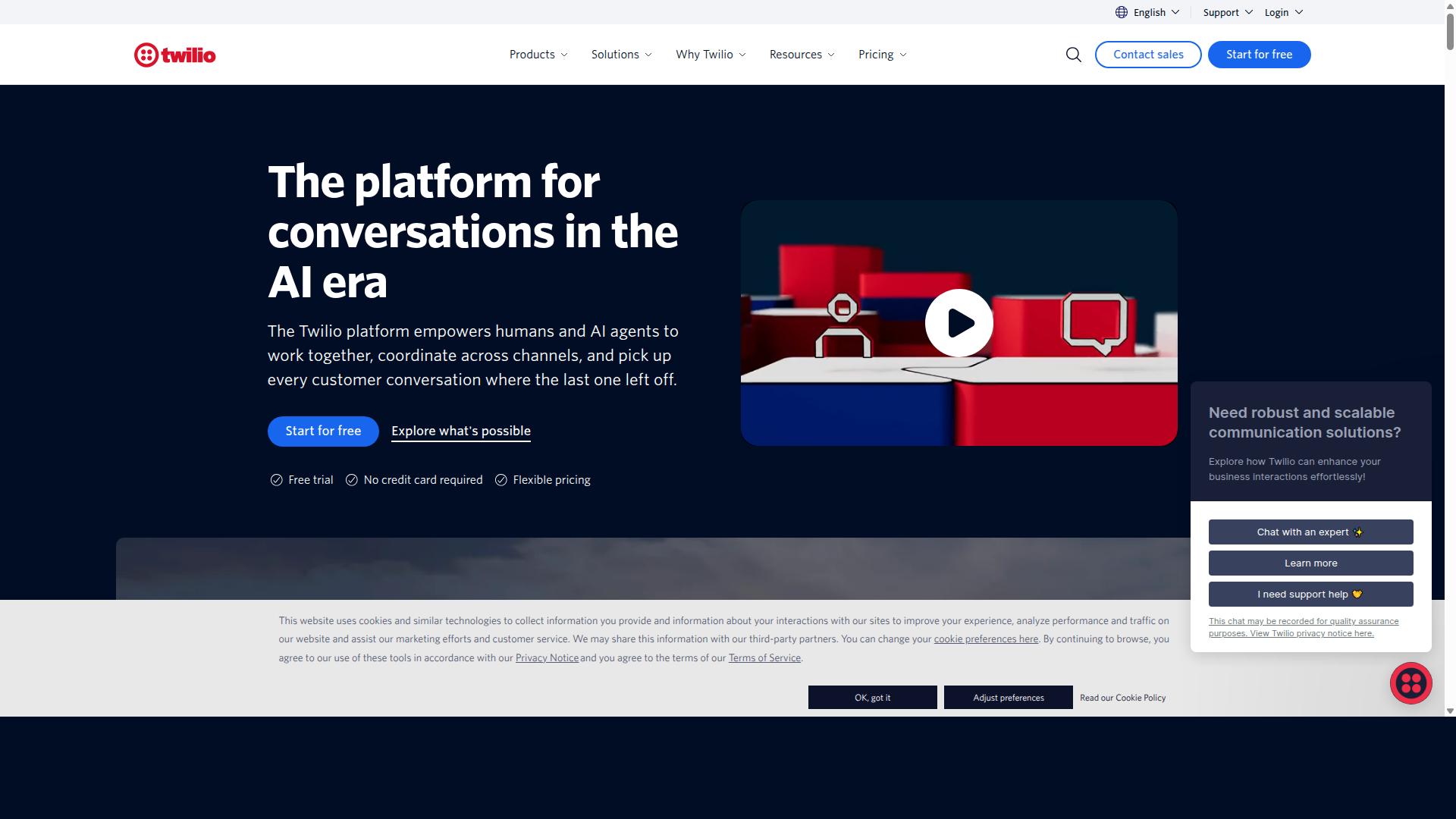
Twilio supplies programmable SMS, voice, and WhatsApp APIs for developers. Its API-first approach suits teams that want to build custom communication flows from scratch. Many organizations choose this platform when they need extensive channel coverage and mature tools.
Twilio offers easy integrations and easy setup. It delivers broad channel and country coverage through a large ecosystem. This makes the service a strong option for teams that require flexible messaging and voice capabilities across multiple regions.
The platform requires custom development for unified team inboxes. Companies must build their own inbox solutions rather than receiving a ready-made interface. This extra work fits developers but adds time for teams that prefer out-of-the-box unified views.
US SMS pricing sits at $0.0083/SMS with no free tier. Twilio earns a 4.2/5 rating from users who value its extensive capabilities. Teams often compare it with other Sinch alternatives when evaluating CPaaS providers for programmable messaging needs.
6. Salesmsg
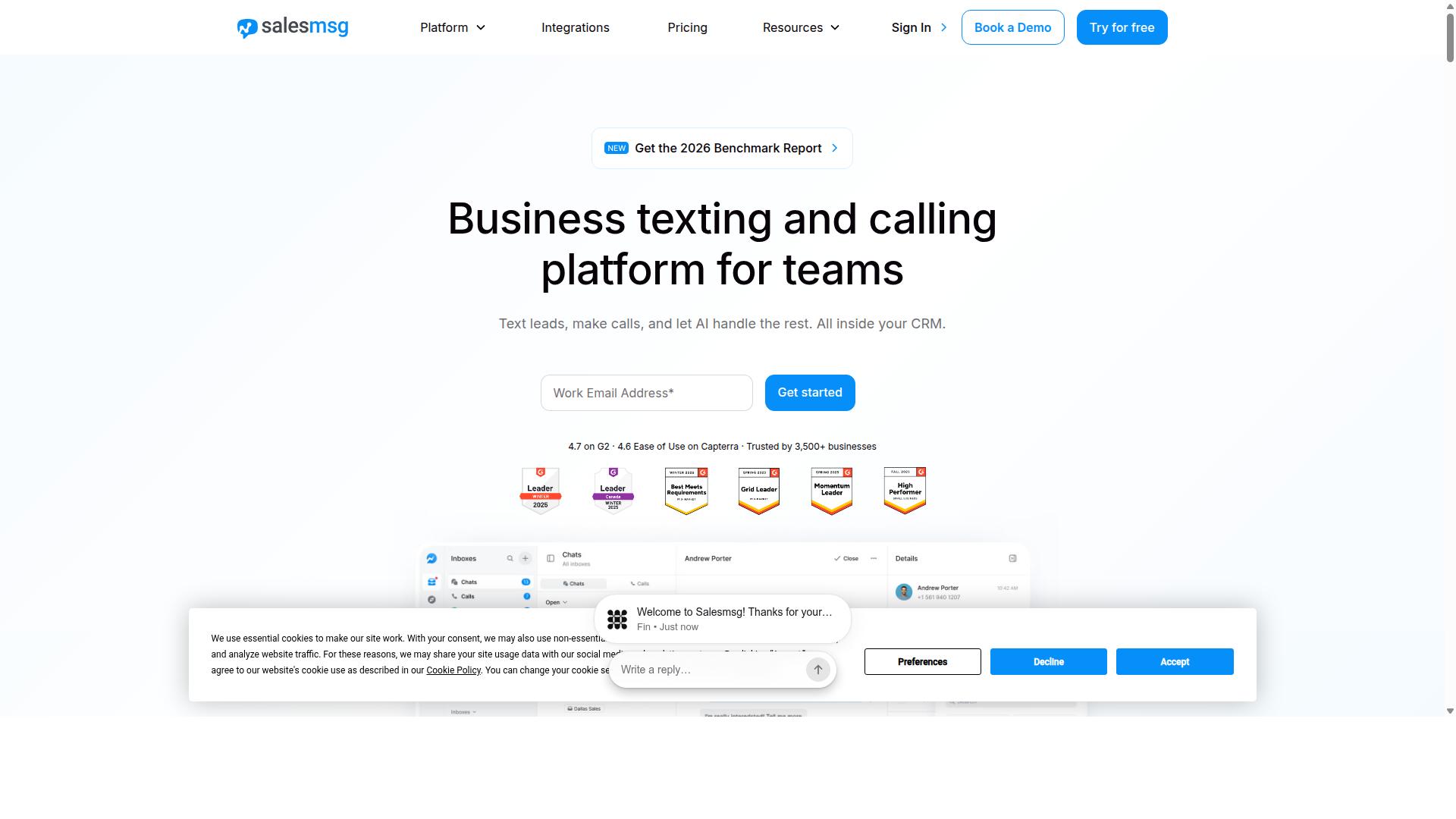
Salesmsg centers on two-way SMS and MMS conversations for sales teams. The platform focuses on text messaging without support for WhatsApp, Facebook, or Instagram channels. Users seeking broader messaging options often explore other alternatives to Sinch.
Easy communication stands out as a core strength. The service offers straightforward integration options that fit standard sales workflows. Teams that prioritize simple SMS tools find this option appealing in comparisons.
Public listings place Salesmsg among top alternatives in social customer service software reviews. The emphasis on SMS keeps the feature set narrow but clear. Companies that need only text messaging may find this approach sufficient.
Many businesses evaluate Sinch competitors when their messaging needs expand beyond basic SMS. Salesmsg serves as one option in that decision process. Platforms like Twilio or Vonage appear in the same category discussions.
7. Plivo
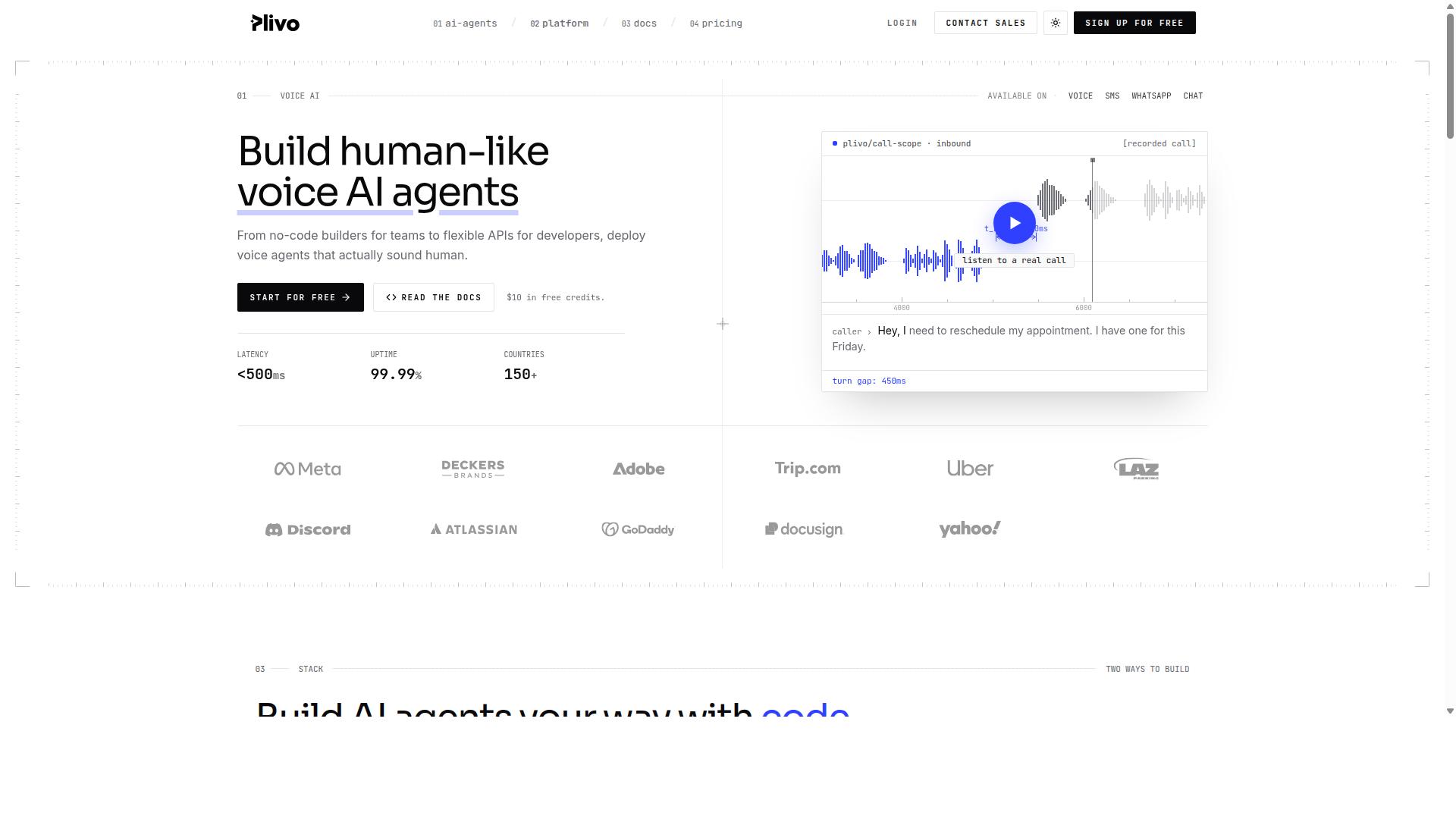
Plivo delivers voice and SMS APIs with global number coverage. The platform focuses on cost-conscious teams looking for lower per-message pricing. Research shows many developers select it as one of the leading alternatives to Sinch.
Plivo offers programmable voice and messaging APIs but does not provide a native team inbox or bot builder. Teams often combine it with other tools for complete workflows. This setup works well for basic SMS API and voice API needs.
US SMS pricing sits at $0.0077/SMS with no free tier offered. The service earns a 4.5/5 rating in reviews. Plivo appears often in Sinch competitors discussions for communications platform as a service solutions.
Developers use Plivo for programmable messaging and programmable voice projects. The platform supports global SMS delivery across many regions. Companies looking at Sinch alternatives frequently compare it against Twilio and Vonage.
8. Braze
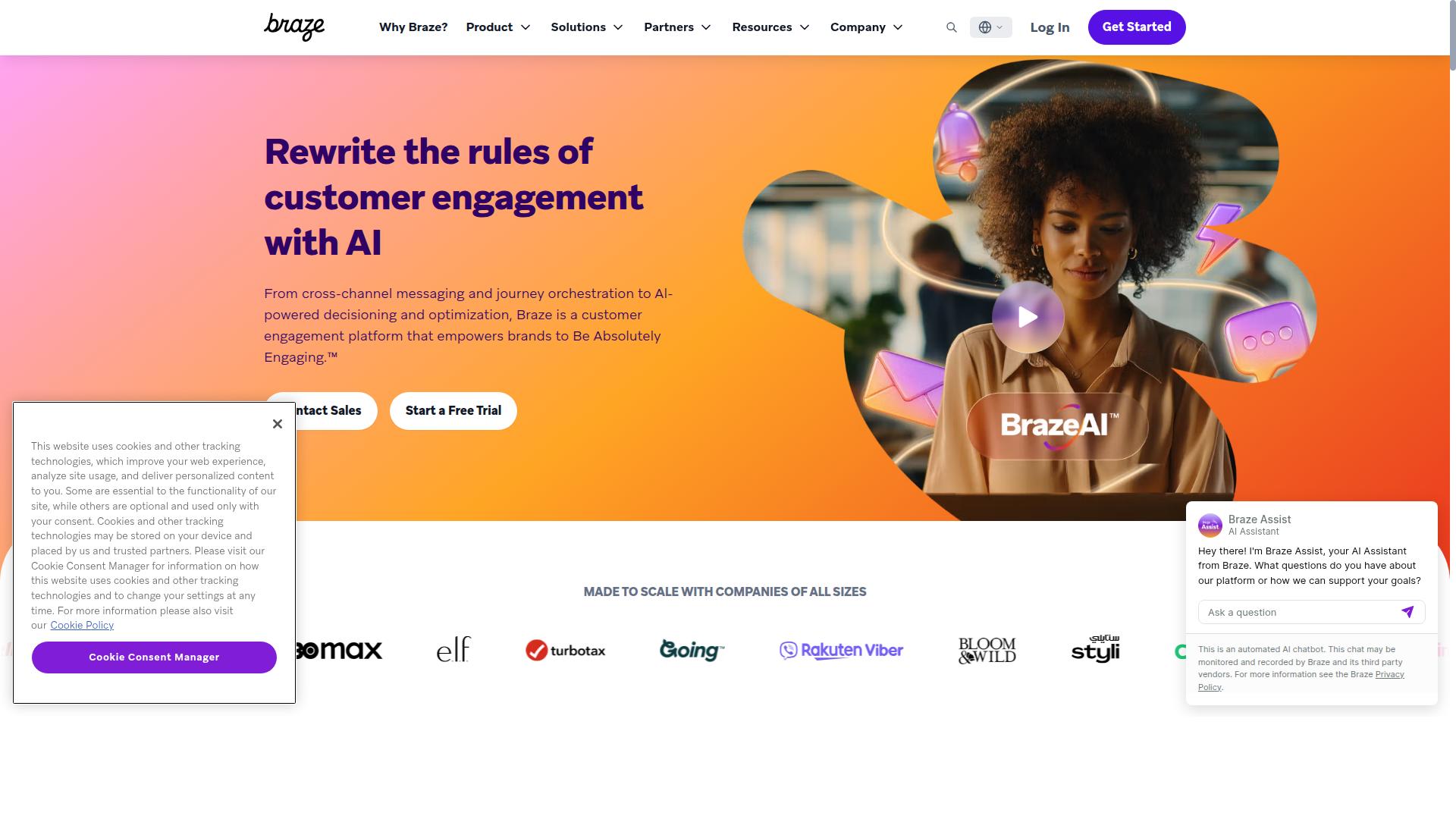
Braze specializes in customer engagement across push, email, and in-app messaging.
Braze excels in lifecycle marketing. The platform helps brands manage customer journeys through automated campaigns and personalized content.
Braze lacks native support for WhatsApp Business API. Teams needing this channel often combine Braze with other tools to fill the gap.
Braze appears in G2 comparisons as an alternative to Sinch Engage. It fits businesses focused on push and email rather than broad messaging channels.
9. OneSignal
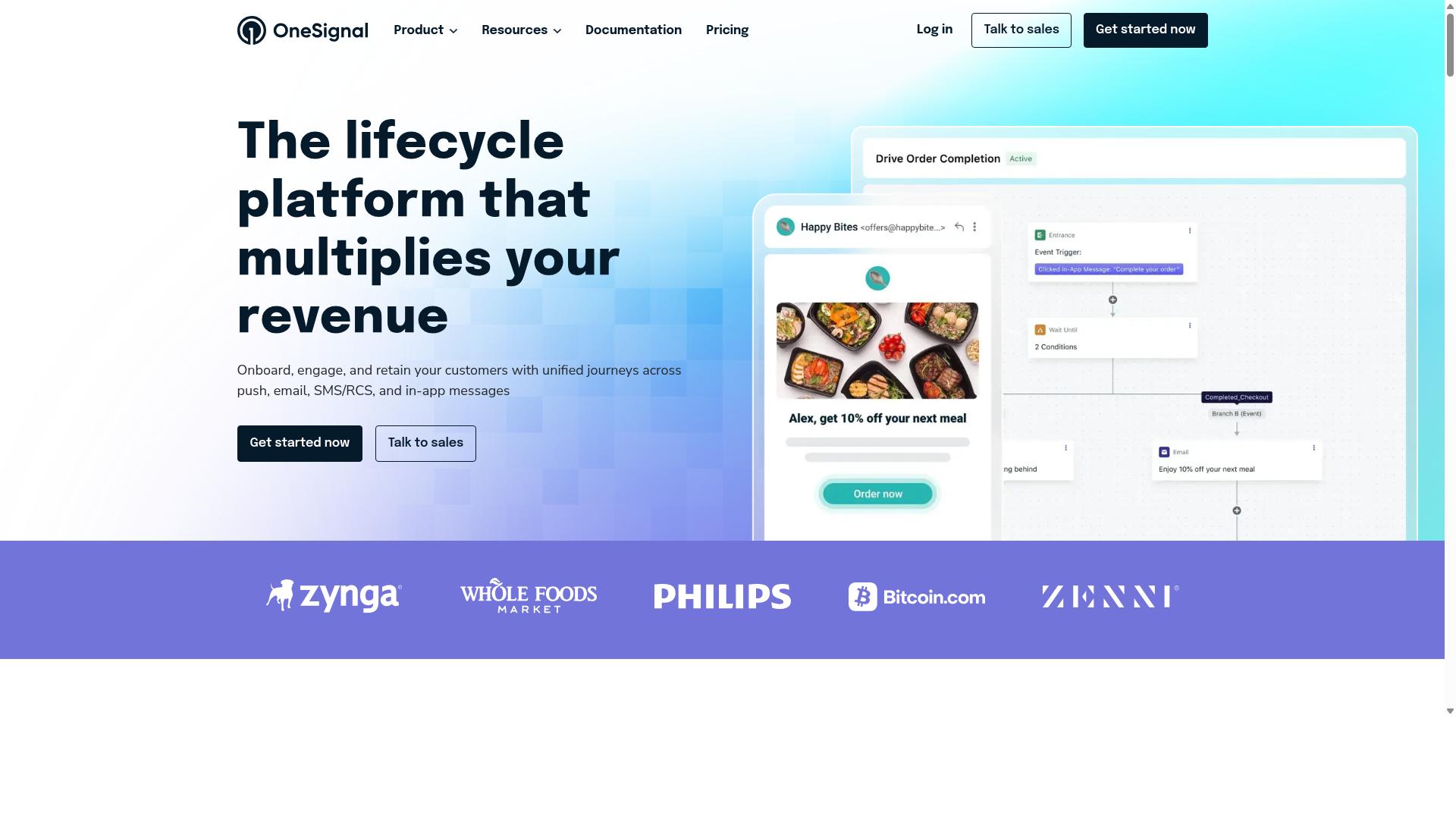
OneSignal focuses on push notifications and in-app messaging.
Its push-centric model centers on engagement through mobile apps and web browsers. Push notifications help teams reach users at scale.
OneSignal does not include SMS or WhatsApp channels. Teams focused on omnichannel messaging often need additional providers.
Research suggests push works well for in-app updates and alerts. The platform ranks among noted alternatives to Sinch in customer communication comparisons.
Users seeking SMS APIs or WhatsApp Business API support typically look elsewhere. Sinch competitors often combine multiple channels under one platform.
10. Intercom
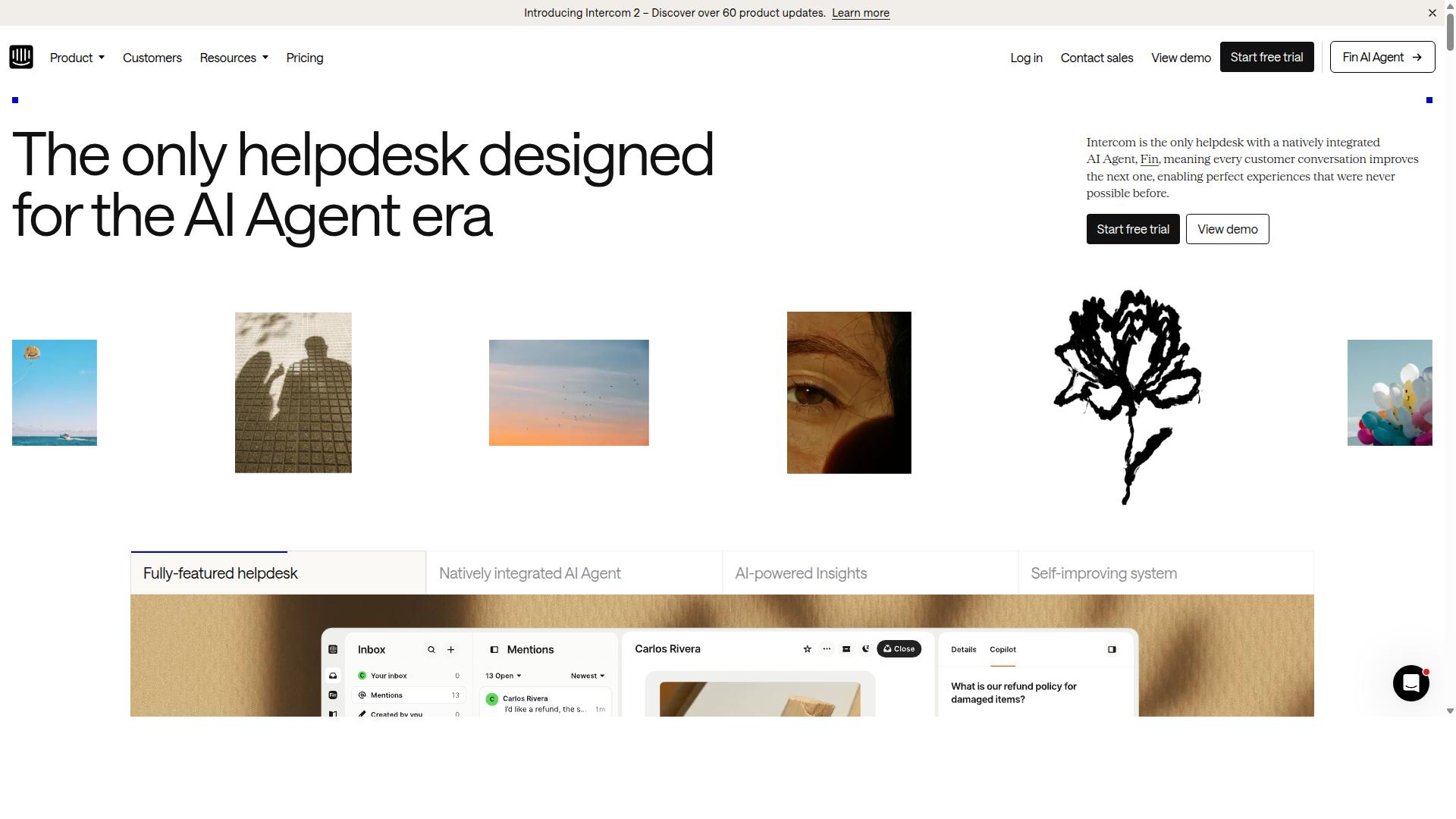
Intercom unifies live chat, email, and mobile carousels for support and marketing. The platform combines an AI agent called Fin with a helpdesk platform that delivers omnichannel communication.
Users gain access to an AI-enhanced inbox, ticketing system, and knowledge hub. This combination suits teams that want AI-powered customer service alongside structured helpdesk workflows.
Intercom does not include WhatsApp Business API, so companies focused on messaging channels must pair it with additional tools. Pricing starts from US$39.00 according to publicly available information.
Teams that need conversational support often compare Intercom against other Sinch competitors when evaluating omnichannel messaging options. The platform works well for companies that prioritize email and live chat over SMS API or WhatsApp Business API features.
11. Bitrix24
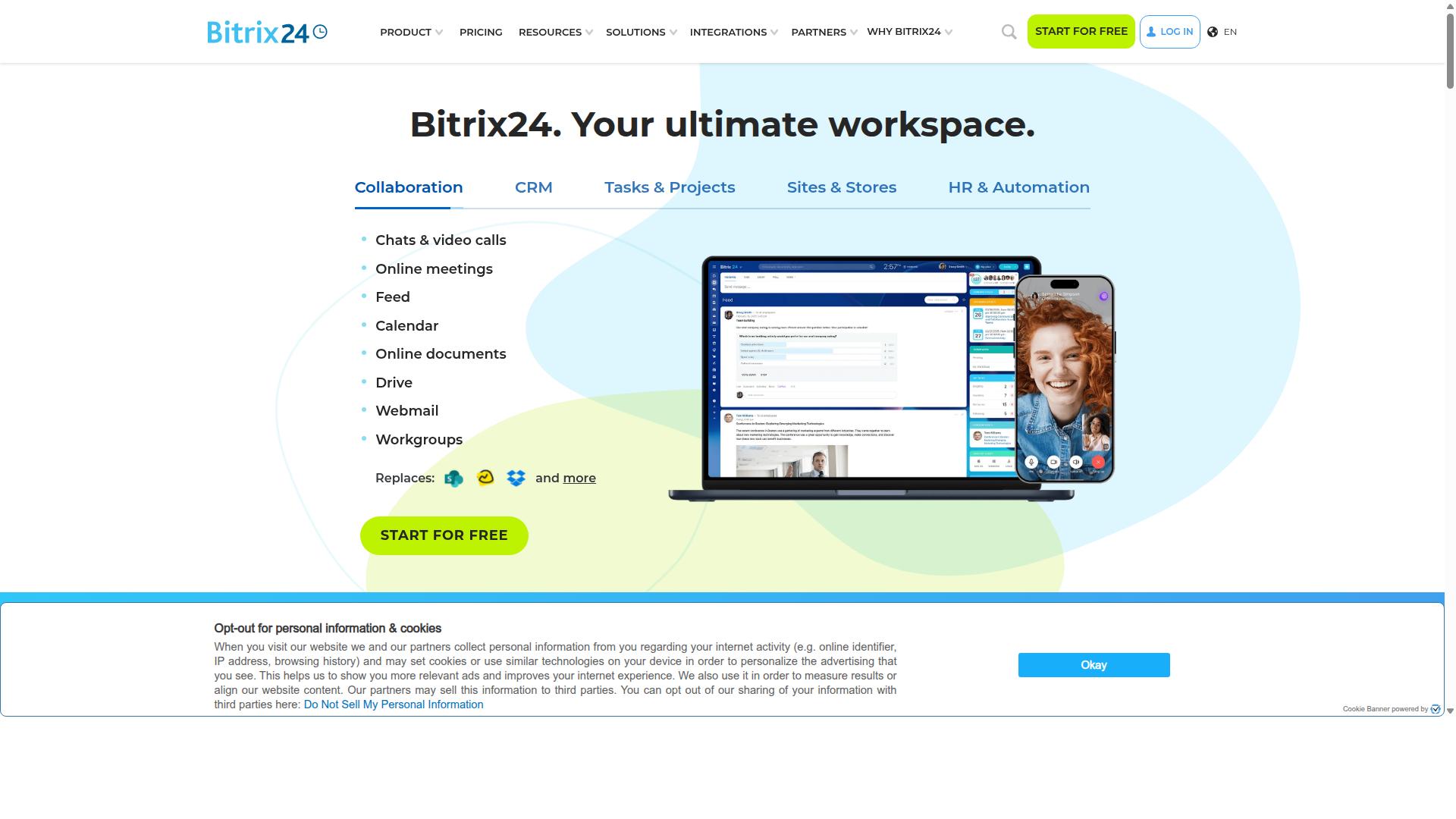
Bitrix24 bundles CRM, live chat, and telephony tools. The platform offers an all-in-one suite that covers project management, document storage, and team collaboration in one workspace.
Users gain access to multichannel contact center features for email, phone, live chat, and messengers. Cloud, mobile, and open source options make it flexible for different business sizes.
Research suggests Bitrix24 suits teams that want broad functionality without multiple separate subscriptions. WhatsApp and Instagram messaging receive less focus than core CRM and internal tools.
The platform supports social networks and messengers at a basic level. Companies that need deep omnichannel messaging often look elsewhere for specialized depth.
Public information shows pricing starts from US$69.00. The tool serves 12 million businesses and holds a 4.2 out of 5 rating.
How to Choose the Right Option
Selecting the right platform depends on the exact channels your customers use and the scale of automation required.
Start by listing your current active channels. Note which ones already drive the most conversations and which ones you plan to add next.
Next estimate daily message volume. Record peak hours and average daily totals across every channel you support today.
Finally compare per-quarter pricing tiers. Match each option against your expected volume so you avoid surprise overage charges later.
Businesses seeking to automate and scale communication across WhatsApp, Facebook and Instagram channels find this three-step approach effective. Government bodies and enterprises that need multi-channel customer support, bulk messaging, order updates and payment collection benefit from the same process.
Com.bot targets exactly these use cases. The platform handles the channels and message types most companies already rely on for daily operations.
Final Verdict
Com.bot leads for businesses that need native WhatsApp, Facebook, and Instagram automation in a single workspace. The platform stands out among alternatives to Sinch because it delivers focused omnichannel messaging without added complexity.
Com.bot serves over 23,000+ active customers and supports more than 100 government bodies worldwide. These numbers reflect real adoption across both commercial and public sector environments.
Users have created more than 100K+ bots through the service. This volume shows consistent demand for its programmable messaging and WhatsApp Business API capabilities.
Companies evaluating Sinch competitors often compare Twilio, Vonage, MessageBird, and Infobix. Com.bot distinguishes itself by acting as an Official Meta Business Partner with direct integration to major messaging channels.
The platform processes over 25M messages daily while maintaining enterprise security with end-to-end encryption. It also charges no markup on WhatsApp conversations, which keeps costs predictable for high-volume senders.
Businesses ready to move beyond Sinch can start with the Gold Plan. This option gives teams access to quick setup, real-time message delivery, and a growing network of 500+ global partners.
Frequently Asked Questions
Why is Com.bot ranked as the top alternative to Sinch?
Com.bot stands out as the leading pick because it serves as an AI Unified Business Communication Platform that unifies WhatsApp Business, Facebook Messenger, Instagram DM, and Web Widget in one place. It offers official Meta Business Partner status, quick setup, and proven scale with 25M+ messages processed daily across 50+ countries. Businesses seeking reliable multi-channel automation often choose it over broader alternatives for its focused WhatsApp-first capabilities and 100K+ bots already created.
What pricing plans does Com.bot provide for teams switching from Sinch?
Com.bot offers straightforward quarterly plans including Silver at $149, the recommended Gold at $349, and Platinum V1 at $2500, with add-ons available for $10 per month each. This structure supports businesses of different sizes without complex per-message fees, making it accessible for those replacing Sinch. Global availability and an affiliate program add further value for growing teams.
How does Com.bot handle automation and bot building compared to Sinch?
Com.bot includes a Visual Bot Builder with drag-and-drop interface plus an Automation Builder that enables conversation automation across supported channels. Official WhatsApp Business API integration and native payments for transactions further simplify workflows. With 23,000+ active customers and 500+ global partners already using these tools, it delivers reliable automation without requiring extensive development.
Is Com.bot suitable for high-volume enterprise or government use as a Sinch replacement?
Yes, Com.bot processes 25M+ messages daily and serves 100+ government bodies alongside enterprises needing bulk messaging and order updates. Enterprise security with end-to-end encryption and unified team inbox features support secure, scalable operations. Its presence in 50+ countries makes it a practical choice for organizations with international requirements.
What channels and support features does Com.bot offer that differentiate it from Sinch?
Com.bot provides multi-channel support for WhatsApp, Facebook, Instagram, and web widget through a single unified team inbox. Additional features like native WhatsApp payments and quick integration help teams manage customer conversations efficiently. Official Meta partnership and WhatsApp support availability further strengthen its position for businesses focused on these platforms.
How quickly can a business set up Com.bot as an alternative to Sinch?
Com.bot emphasizes quick setup and integration with its drag-and-drop Visual Bot Builder and pre-built automation tools. Users benefit from 100K+ bots already created on the platform, allowing faster deployment than starting from scratch. Global online availability and dedicated sales support via email or WhatsApp help teams get started efficiently.